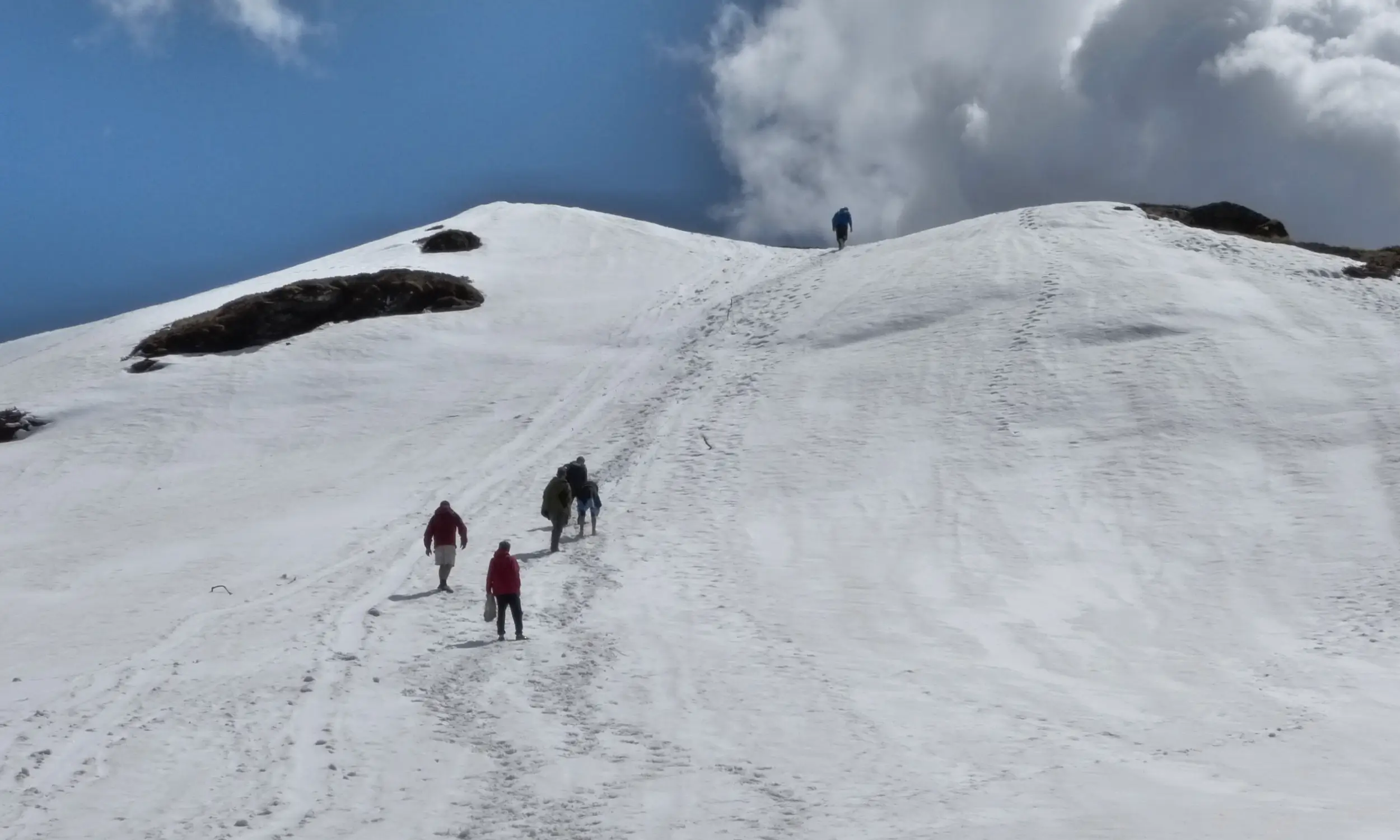
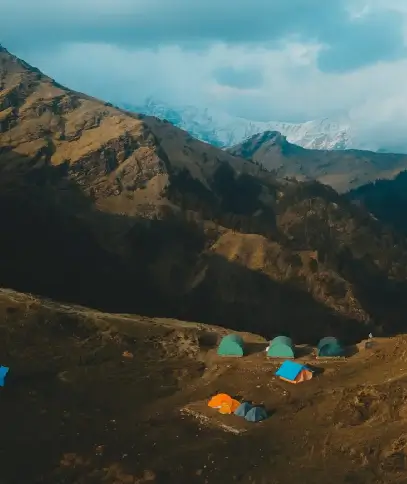
Uttarakhand turns into a serious winter trekking landscape between December and March, when snow settles across the Garhwal valleys, forests go silent, and alpine meadows disappear under meter-deep powder. The choice of trek is not just a matter of taste; it is about matching your fitness, your winter experience, and the altitude you can handle to the right trail. This guide covers six genuinely rewarding winter treks in Uttarakhand with honest difficulty, verified altitudes, and the operational detail you need to actually plan the trip.
Which Winter Trek in Uttarakhand is right for you?
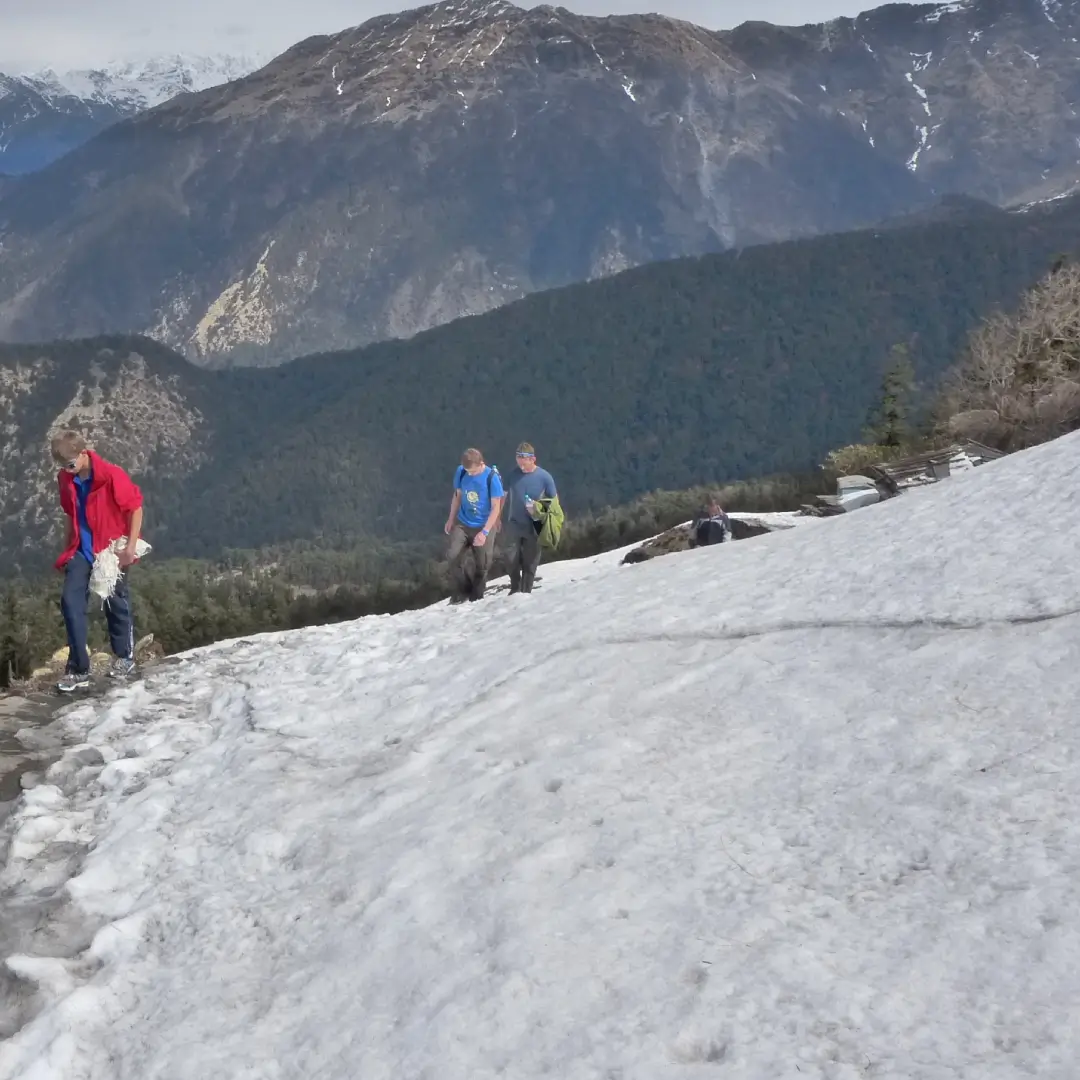
For a first-time winter snow trek, Kedarkantha is the near-universal choice; the trail is well-defined, the summit is achievable, and the campsites along the way are postcard material. Kuari Pass is for trekkers who want panoramic views of Nanda Devi and are prepared for a tougher, longer effort. Chopta-Chandrashila is the shortest option and suits travelers with a long weekend. Dayara Bugyal rewards those drawn to open snow meadows over summits, while Brahmatal strikes a balance between accessibility and a genuine high-altitude experience. Dodital offers the quietest trail of the six for travelers who want solitude over spectacle.
|
Trek |
Difficulty (winter) |
Duration |
Max Altitude |
Base Town |
Best For |
|
Kedarkantha |
Moderate |
5 to 6 days |
12,500 ft (3,810 m) |
Sankri |
First proper winter trek, snow and summit |
|
Kuari Pass |
Moderate to Difficult |
5 to 6 days |
12,516 ft (3,815 m) |
Joshimath |
Nanda Devi views, experienced beginners |
|
Dodital |
Moderate |
4 to 5 days |
10,170 ft (3,100 m) |
Sangamchatti |
Quiet forest trek, frozen lake |
|
Brahmatal |
Moderate |
5 to 6 days |
12,250 ft (3,735 m) |
Lohajung |
Snow trails and ridge walks |
|
Chopta-Chandrashila |
Moderate |
3 to 4 days |
13,000 ft (3,960 m) |
Chopta |
Short winter adventure, summit |
|
Dayara Bugyal |
Easy to Moderate |
4 to 5 days |
11,800 ft (3,600 m) |
Barsu |
Beginners, open snow meadows |
Note: Difficulty, duration, and route details can change with weather and fresh snowfall. Verify current conditions with a certified operator before leaving.
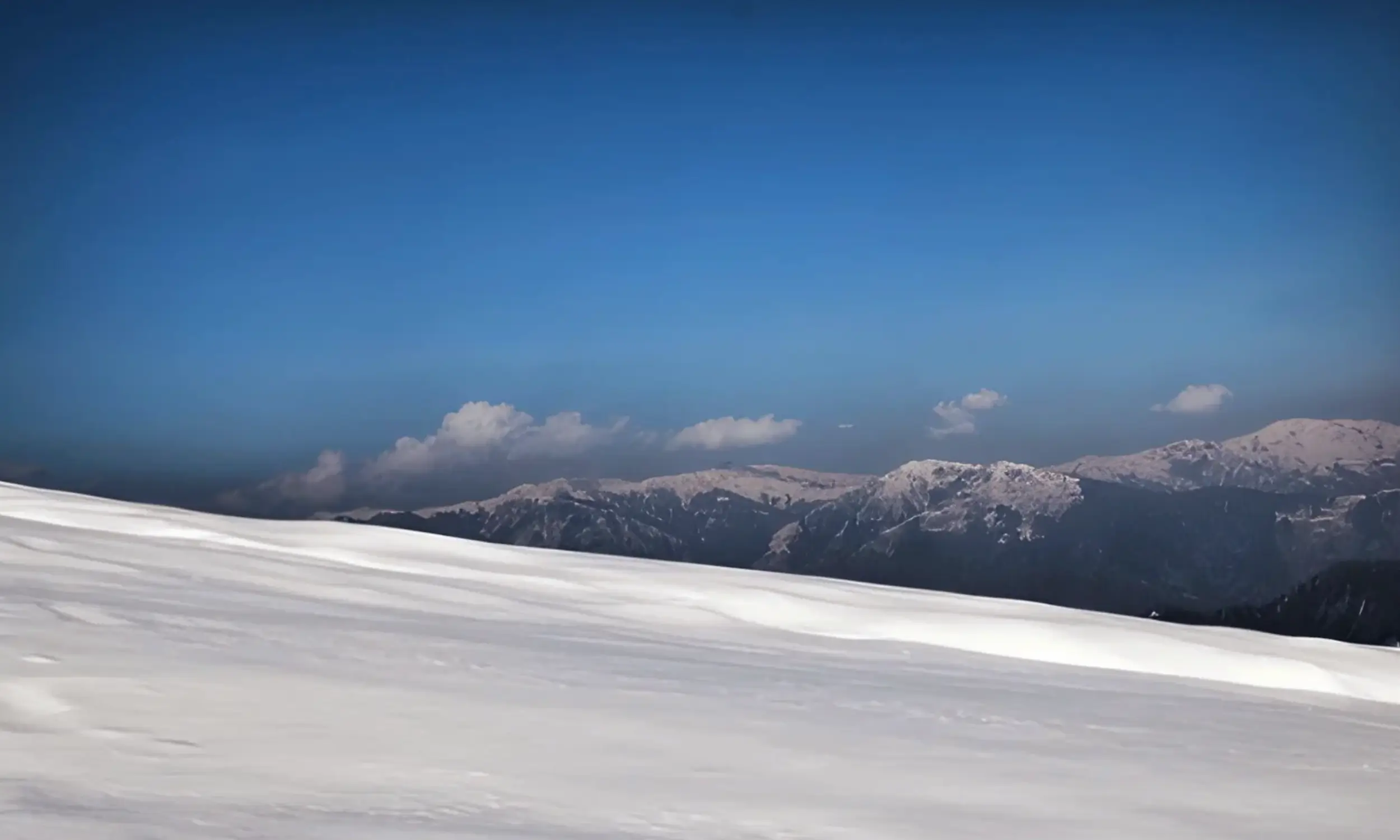
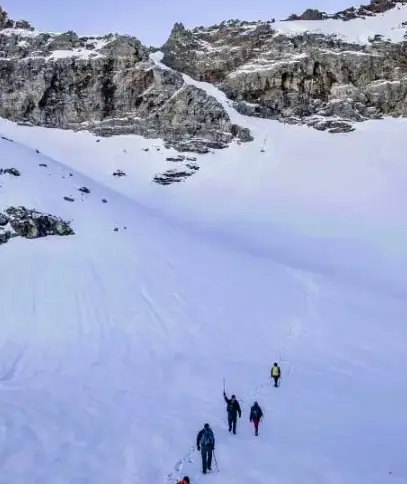
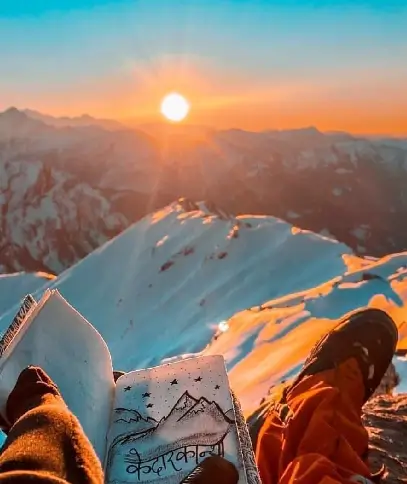
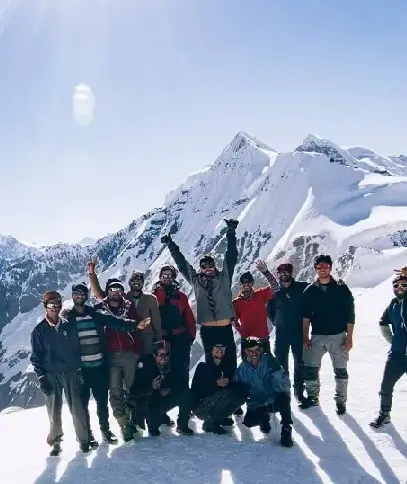
The most popular winter trek in India for honest reasons. The route from Sankri climbs steadily through pine and oak forest to Juda Ka Talab, a frozen lake set in a natural amphitheater, and then onwards to Kedarkantha base and the summit push. Summit day starts around 3:00 AM in headlamp light, reaching the 12,500 ft peak at sunrise for a 270-degree view across Swargarohini, Bandarpoonch, Kalanag, and the Garhwal range. Fresh snowfall can make the final 500 meters properly demanding; gaiters and microspikes are not optional in January and February.
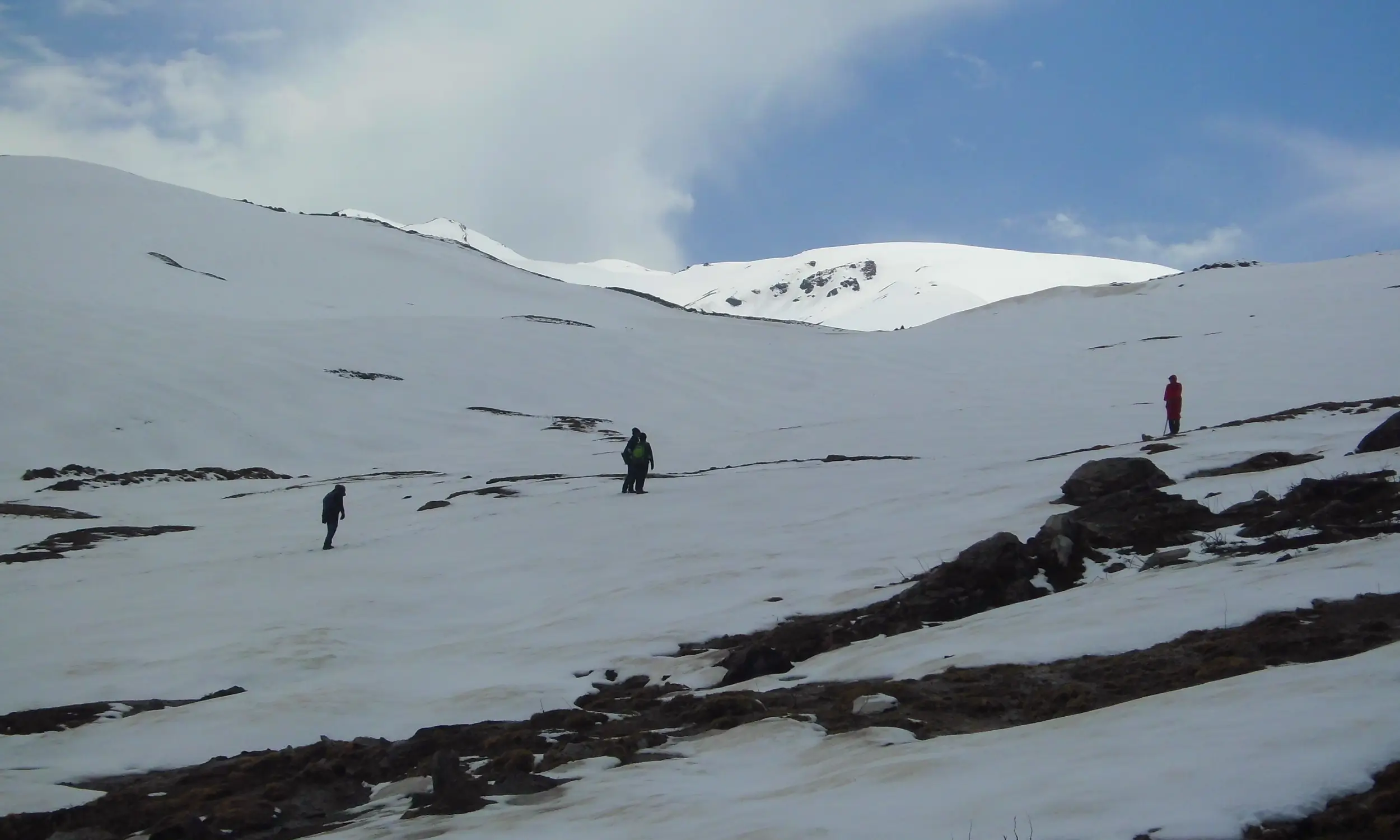
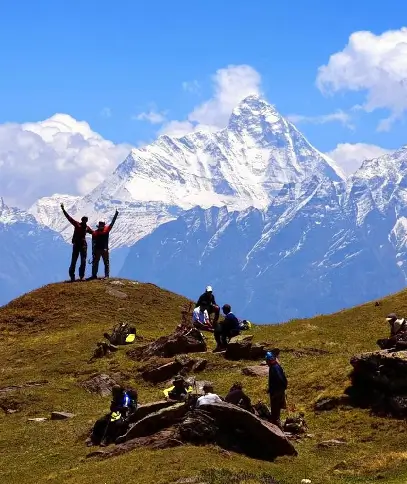
The Curzon Trail, named after Lord Curzon, who attempted it in 1905, is the trek that holds up Nanda Devi (India's second-highest peak) for an entire afternoon. The route from Joshimath climbs through Tapovan, Khullara meadows, and finally the Kuari Pass ridge, which opens into a direct view of Nanda Devi, Dronagiri, Kamet, and Mana. The ridge sections carry exposed snow and ice; this is not a beginner trek in winter despite being popular. Trekkers need prior Himalayan experience and solid winter gear.
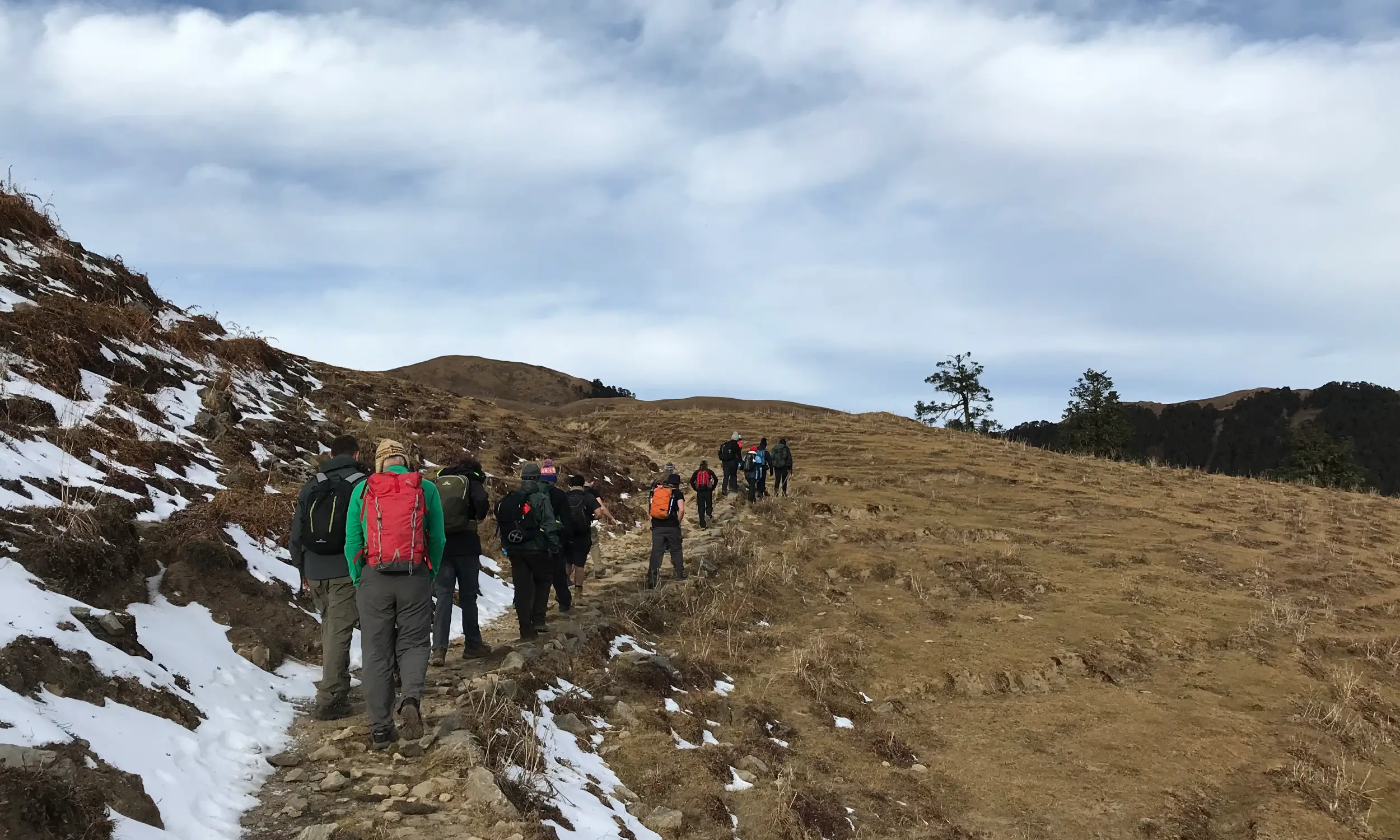
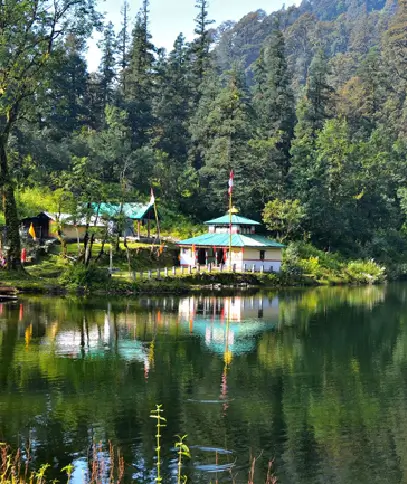
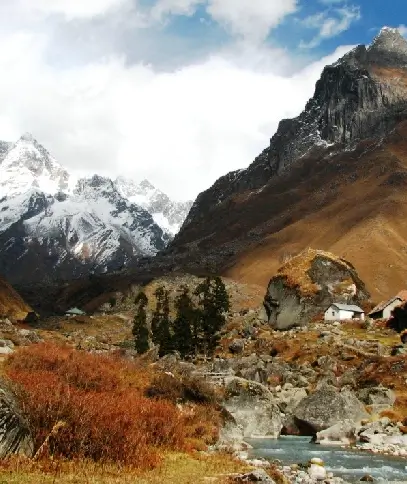
The quietest trek on this list and the one that rewards travelers who want solitude over summit odds. Dodital is a freshwater lake at 10,170 ft set inside dense oak and rhododendron forest, with the small Himalayan trout (asela) in its waters giving the lake its name. The trail from Sangamchatti climbs through traditional Garhwal villages (Agoda, Bebra) and gets you to a frozen lakeshore campsite with almost no other trekkers in sight. Lower max altitude means lower AMS risk, making this a good acclimatization trek before harder routes.
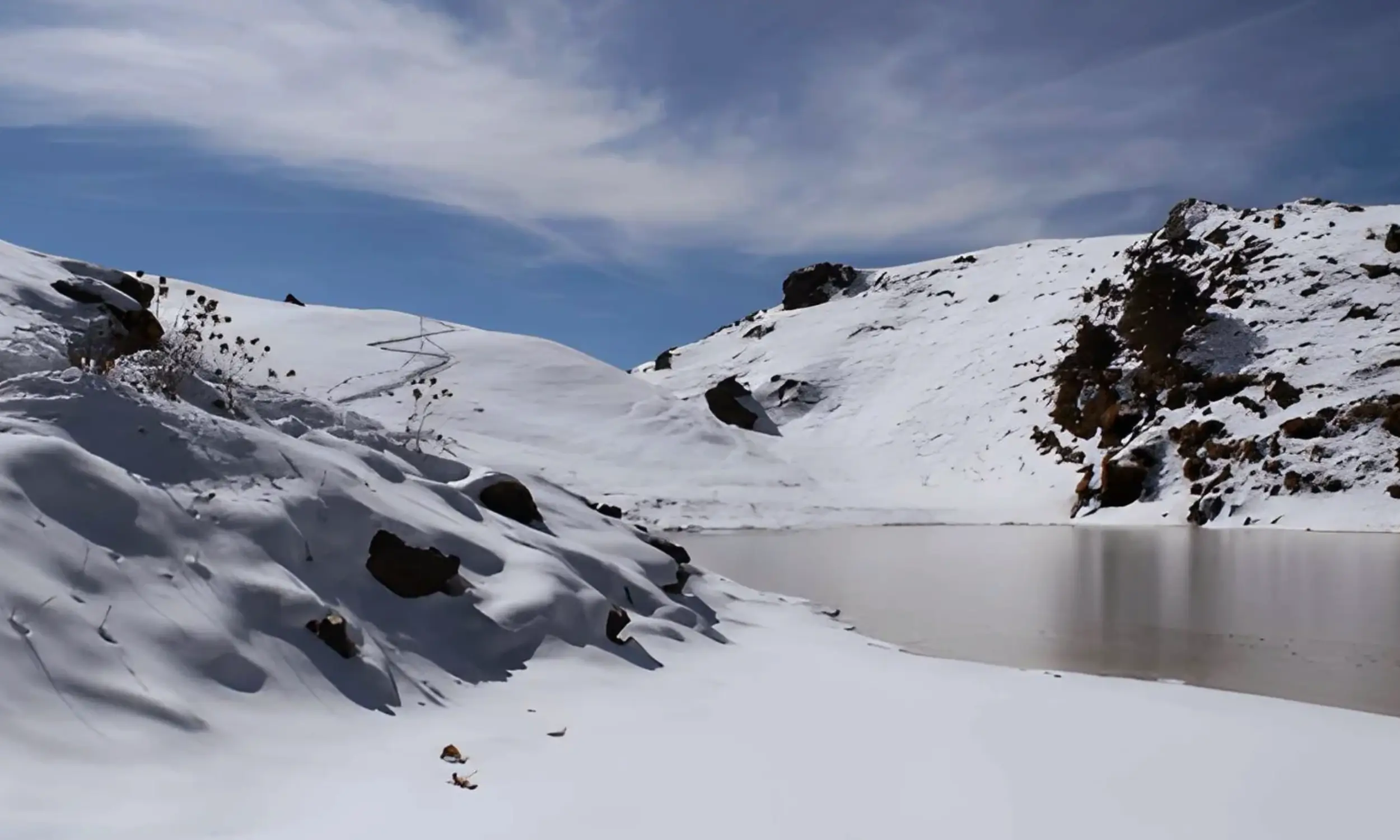
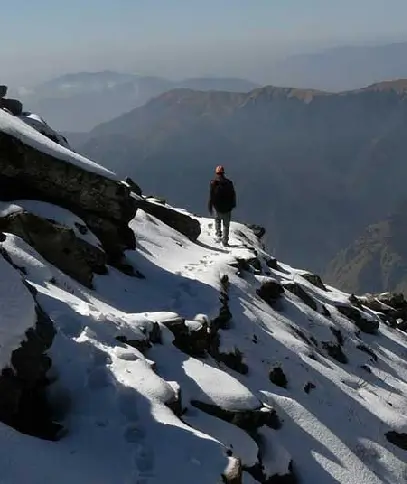
Brahmatal has become central Garhwal's most reliably snowy trek. The route from Lohajung climbs through the Bekaltal and Bhakutaval campsites to the Brahmatal lake and then onwards to the Jhandi Top ridge, which offers one of the finest Garhwal panoramas available from a moderate trek. On a clear winter day, Trishul and Nanda Ghunti dominate the horizon with 7,000-meter walls visible across the valley. The ridge walks between campsites are the signature experience; icy sections require microspikes and trekking poles.
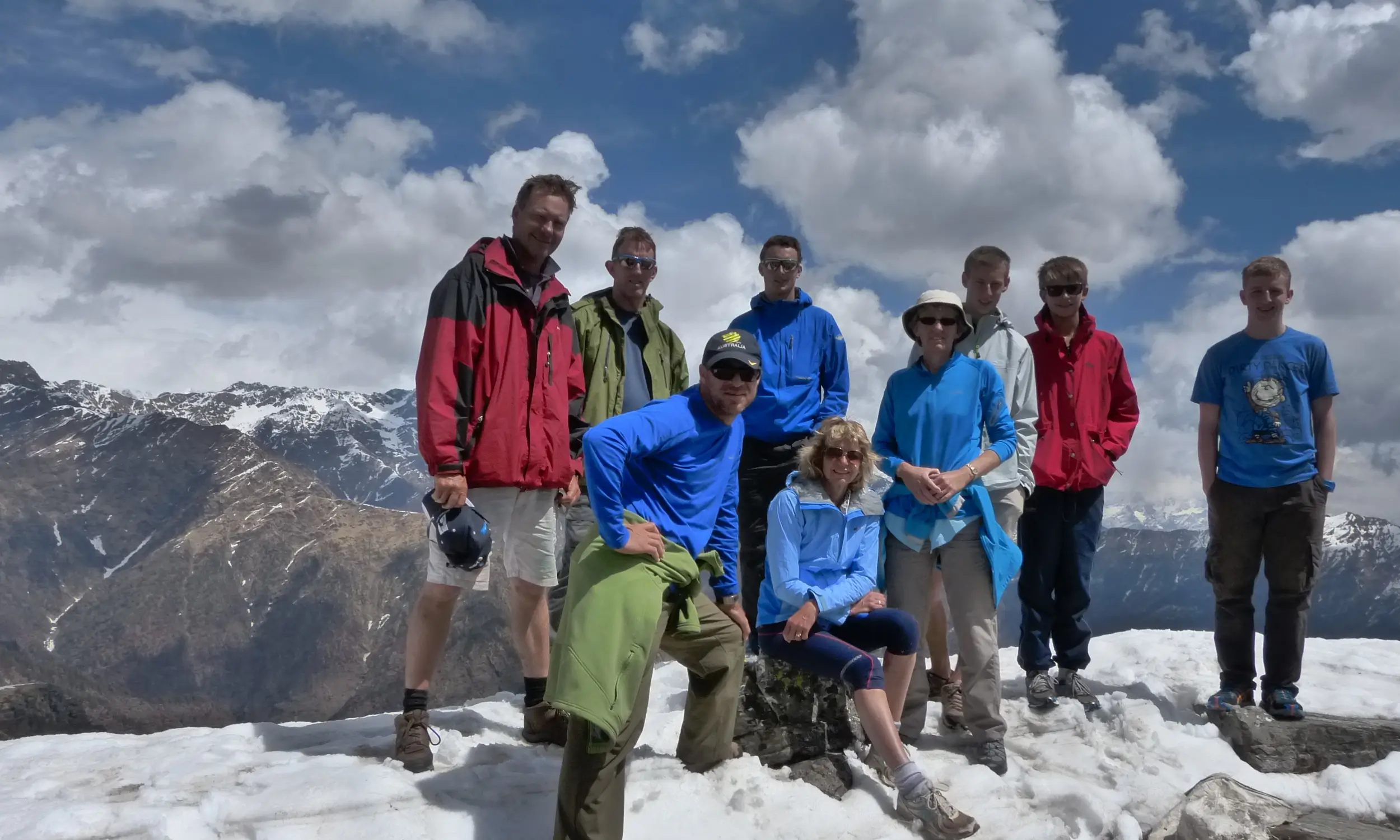
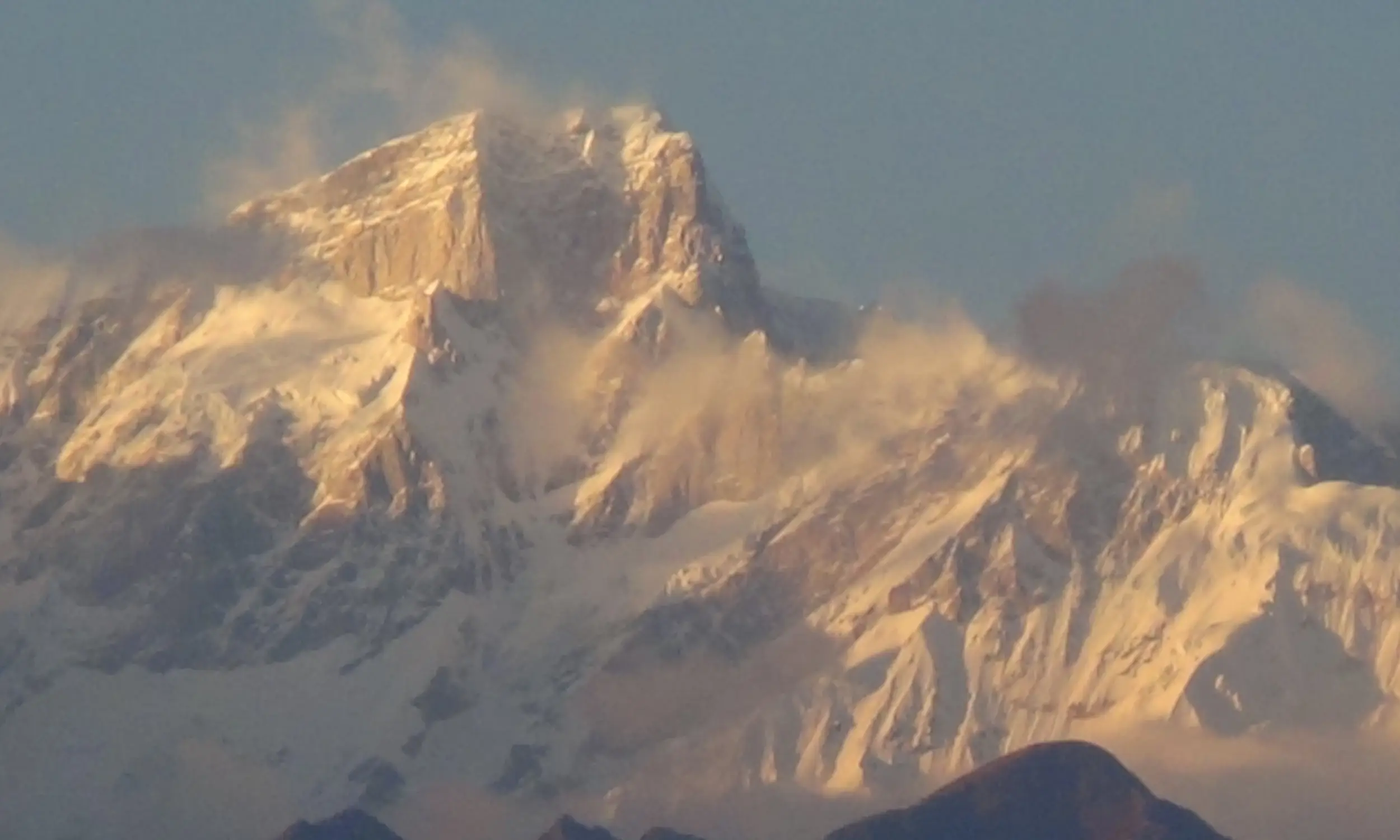
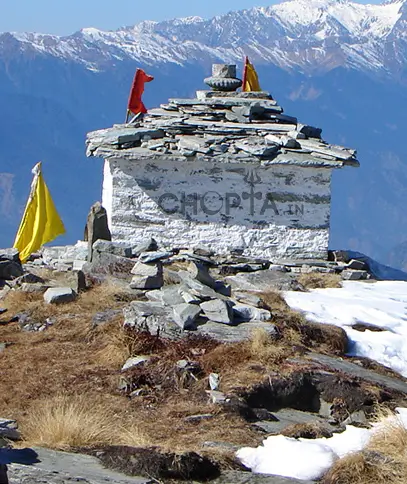
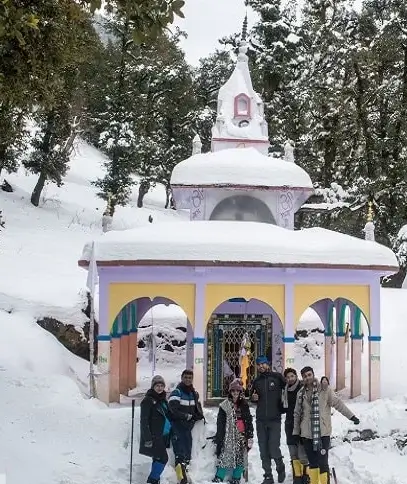
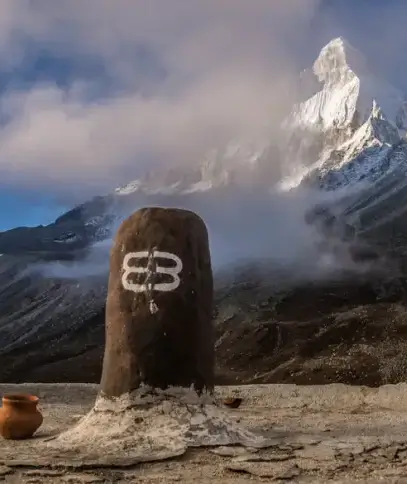
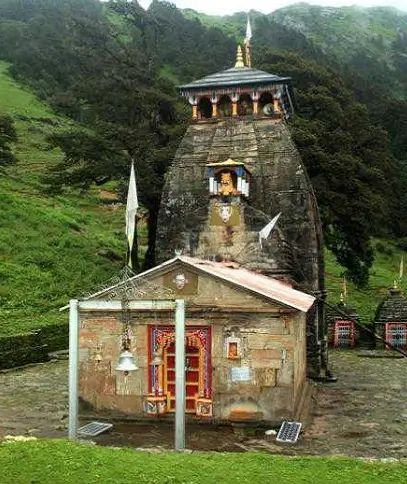
The shortest trek on this list and the only one that includes a working Himalayan temple at altitude. The trail from Chopta climbs 4 km to Tungnath (12,073 ft), the highest Shiva temple in the world and the highest of the Panch Kedar shrines, before continuing 1.5 km to the Chandrashila summit at 13,000 ft. Chandrashila carries one of the Garhwal's cleanest panoramas: Chaukhamba, Nanda Devi, Trishul, Kedar Dome, and Bandarpoonch all visible from the single summit on a clear morning. The Deoriatal extension adds a day and an iconic reflection of Chaukhamba.
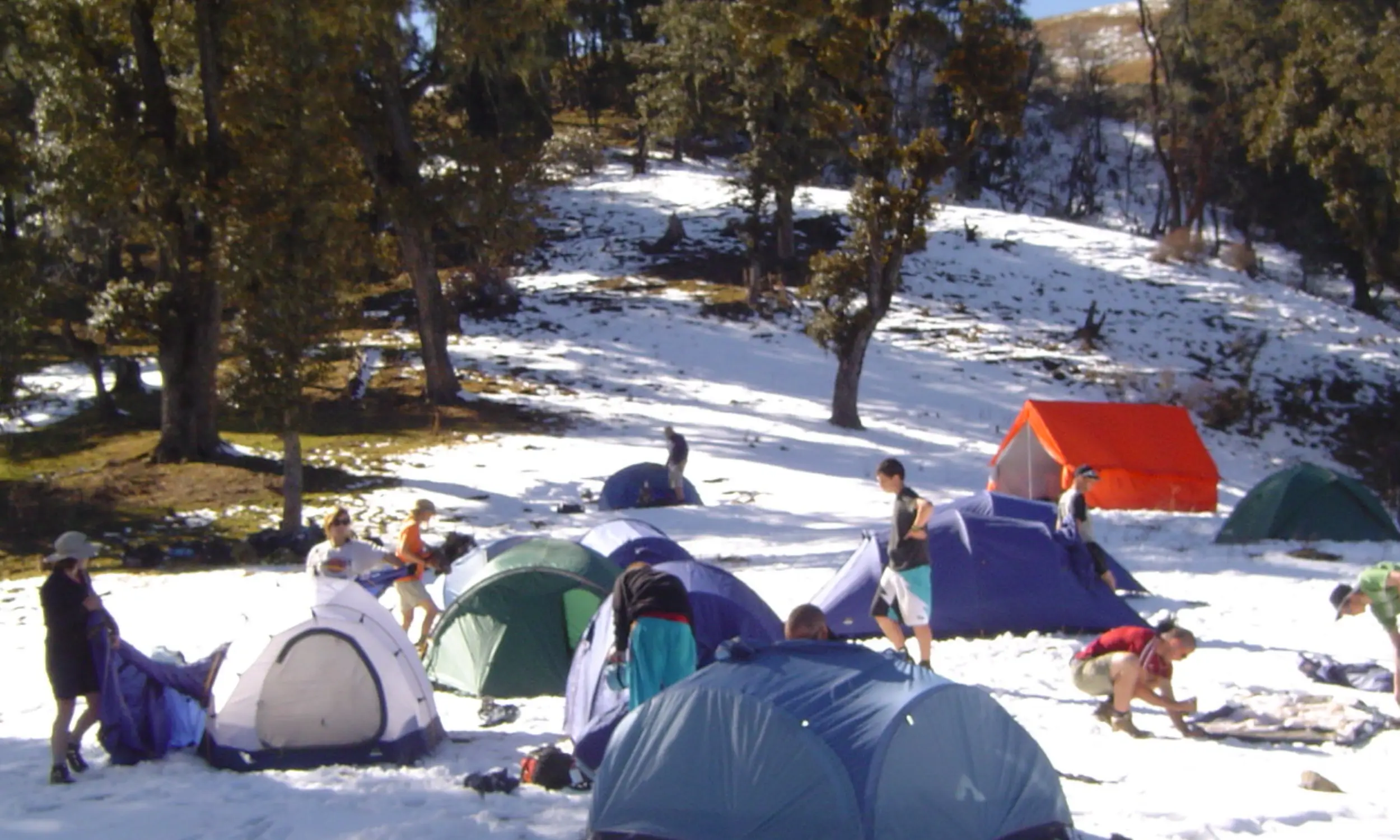
Dayara is the trek for people who want the Garhwal Himalaya without a summit push. The route from Barsu or Raithal climbs through walnut and oak forests to open alpine meadows (bugyals) that stretch across 28 square kilometers at 11,800 ft. In winter, the meadows transform into a continuous white plateau with Bandarpoonch, Srikanth, and Draupadi Ka Danda forming the backdrop. The absence of a hard summit climb makes this the most family-friendly winter trek on this list; children above 10 with basic trekking fitness can complete it.
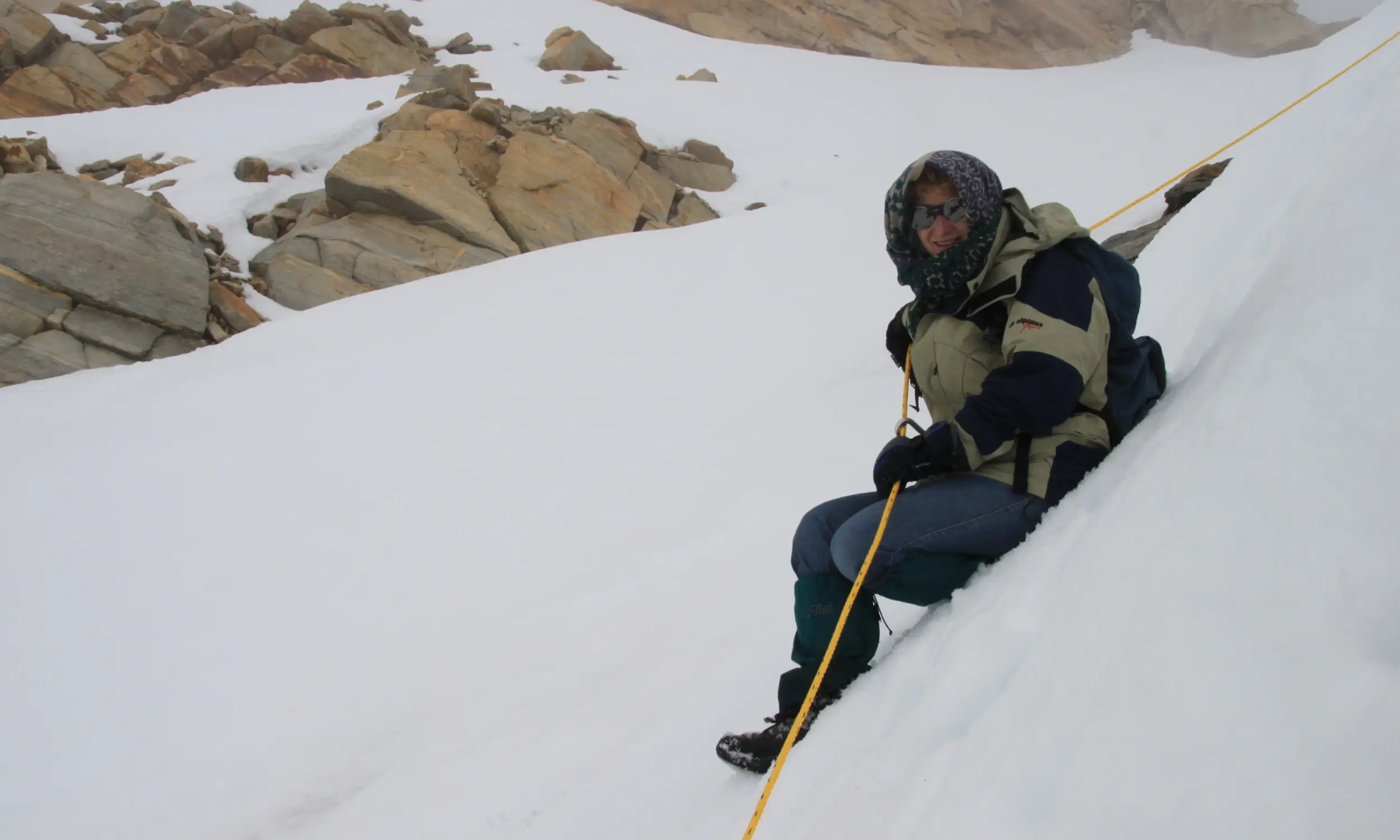
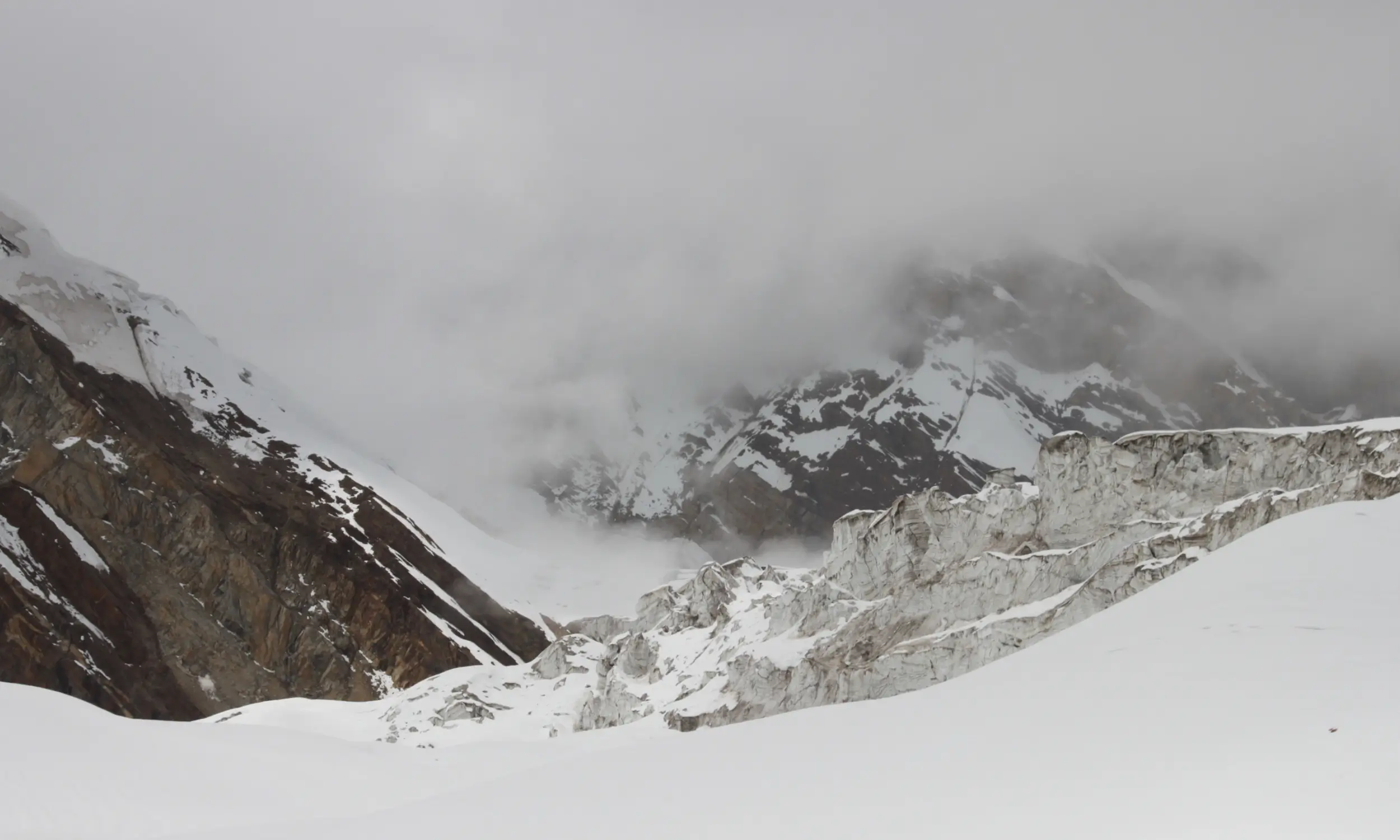
Mountain weather can shift within hours. Check live snow conditions and advisories from the Uttarakhand Forest Department and your operator in the week before departure.
Pre-Trek Preparation
The Himalayan ecosystem is at its most fragile under snow. Follow these without exception:




 Trekking Tour
 Peak Climbing
 Jeep Safari
 Mountain Biking
 +91-9212553109
 Plan Your trip