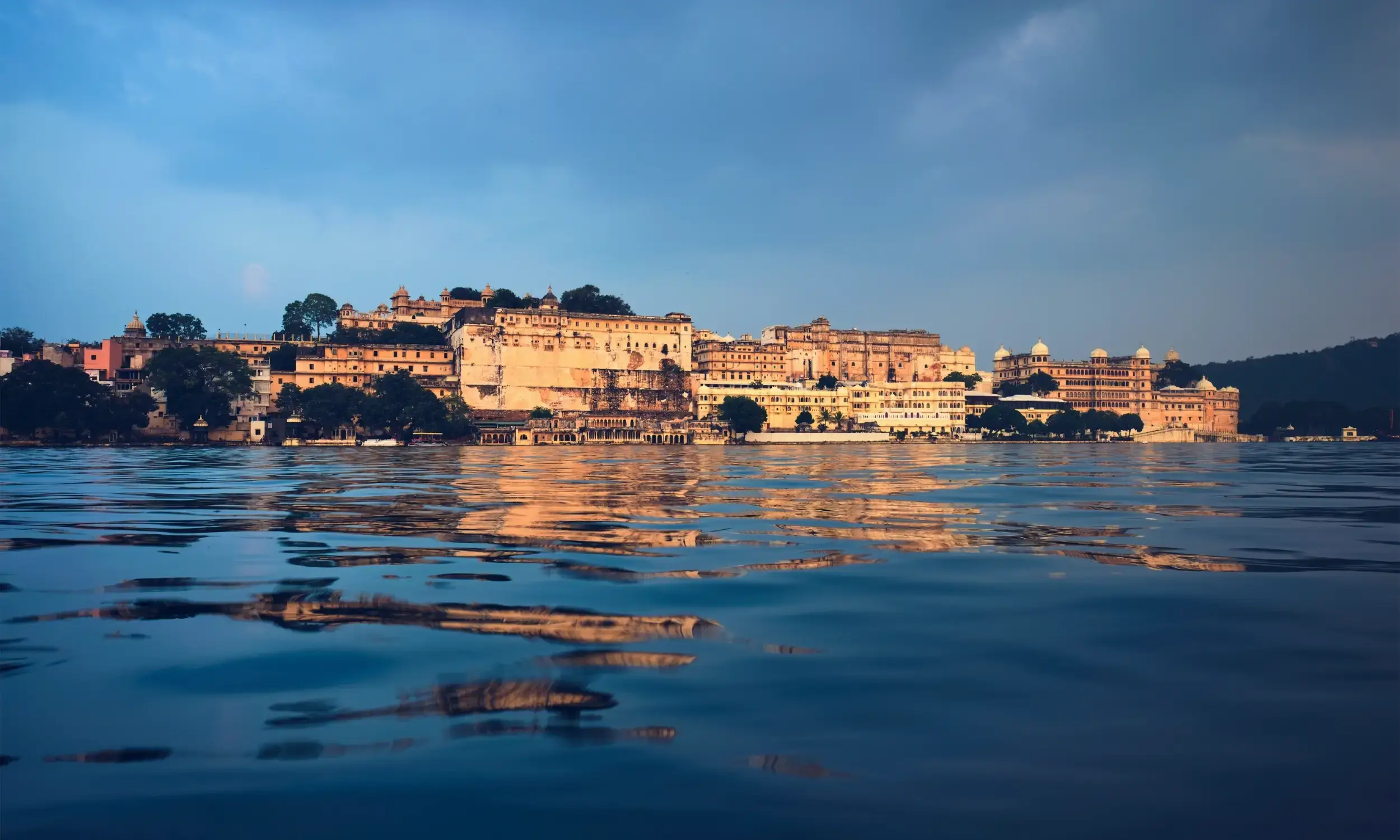
Udaipur is a city shaped as much by water and stone as by memory and meaning. Built around a constellation of lakes and framed by the Aravalli Hills, it carries a rhythm that feels unhurried yet deeply rooted in history. Palaces rise gently from the water, temples echo with centuries of devotion, and everyday life unfolds against a backdrop of royal legacies and natural beauty.
What draws travellers to Udaipur is not only its iconic palaces or scenic boat rides but also the feeling of continuity, where the past is not preserved behind glass but lived in streets, rituals, and daily routines. Exploring the city is less about ticking off landmarks and more about absorbing its layered character at a comfortable pace.
This travel guide to Udaipur offers a closer look at the city’s heritage, lakes, cultural traditions, and practical travel insights, helping you understand why it continues to hold a special place in Rajasthan’s tourism landscape.
Explore: Popular Udaipur Tourism Packages
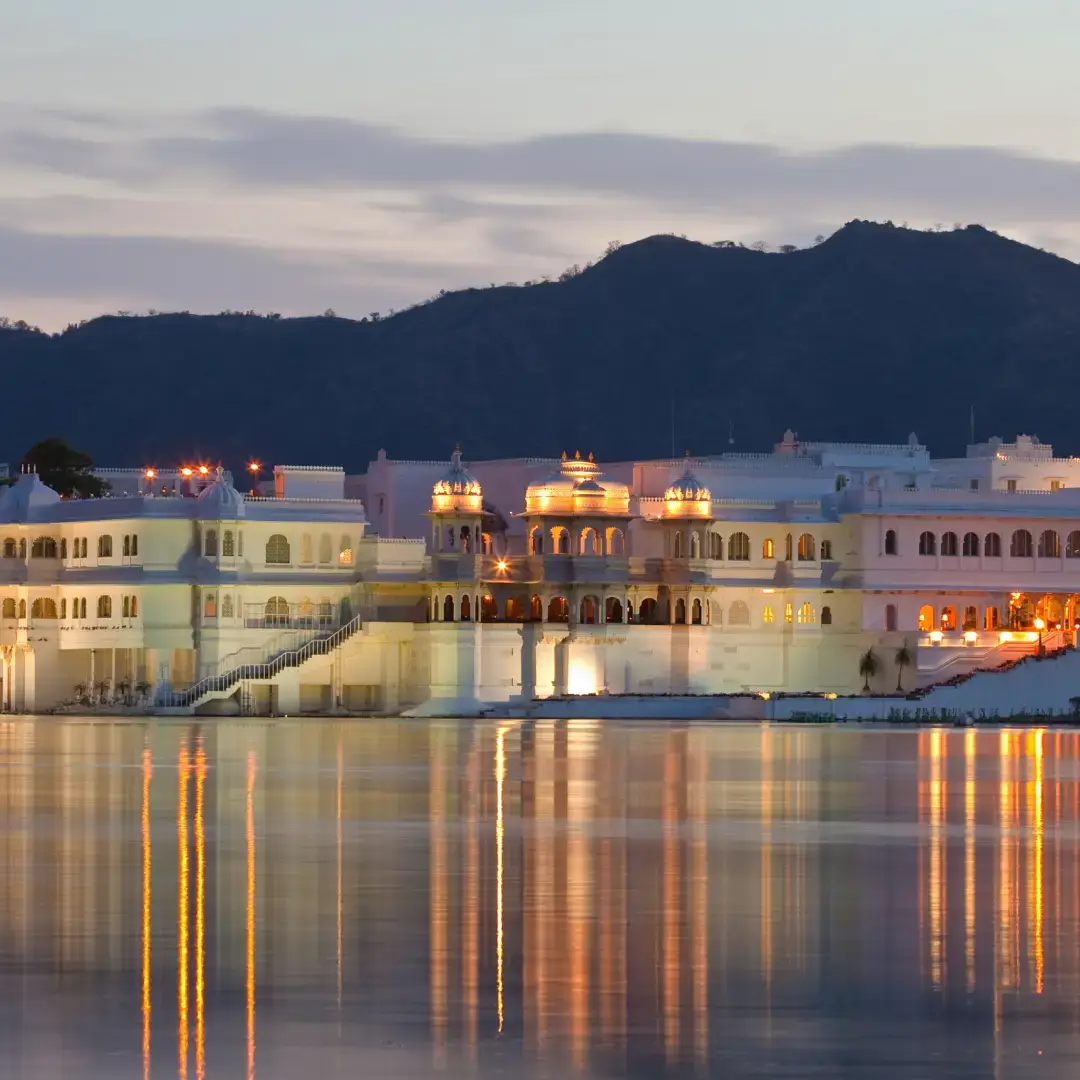
Founded in 1553 by Maharana Udai Singh II, Udaipur developed as a fortified capital shaped by geography, resilience, and royal patronage. History positions Udaipur as a sanctuary city defended by the Aravallis, enriched by artificial lakes, and guided by a lineage that valued independence. Its past reads like a negotiation between war and artistry: battle strategies carved into hillsides, diplomacy reflected in palaces, and cultural refinement embedded in every courtyard.
Across centuries, Udaipur became a central node in heritage tourism, admired for its architectural continuity and its ability to preserve tradition without resisting evolution. As the city transitioned through colonial influence and post-independence growth, it retained an aesthetic ideology: beauty as strength, history as narrative, and landscape as co-author.
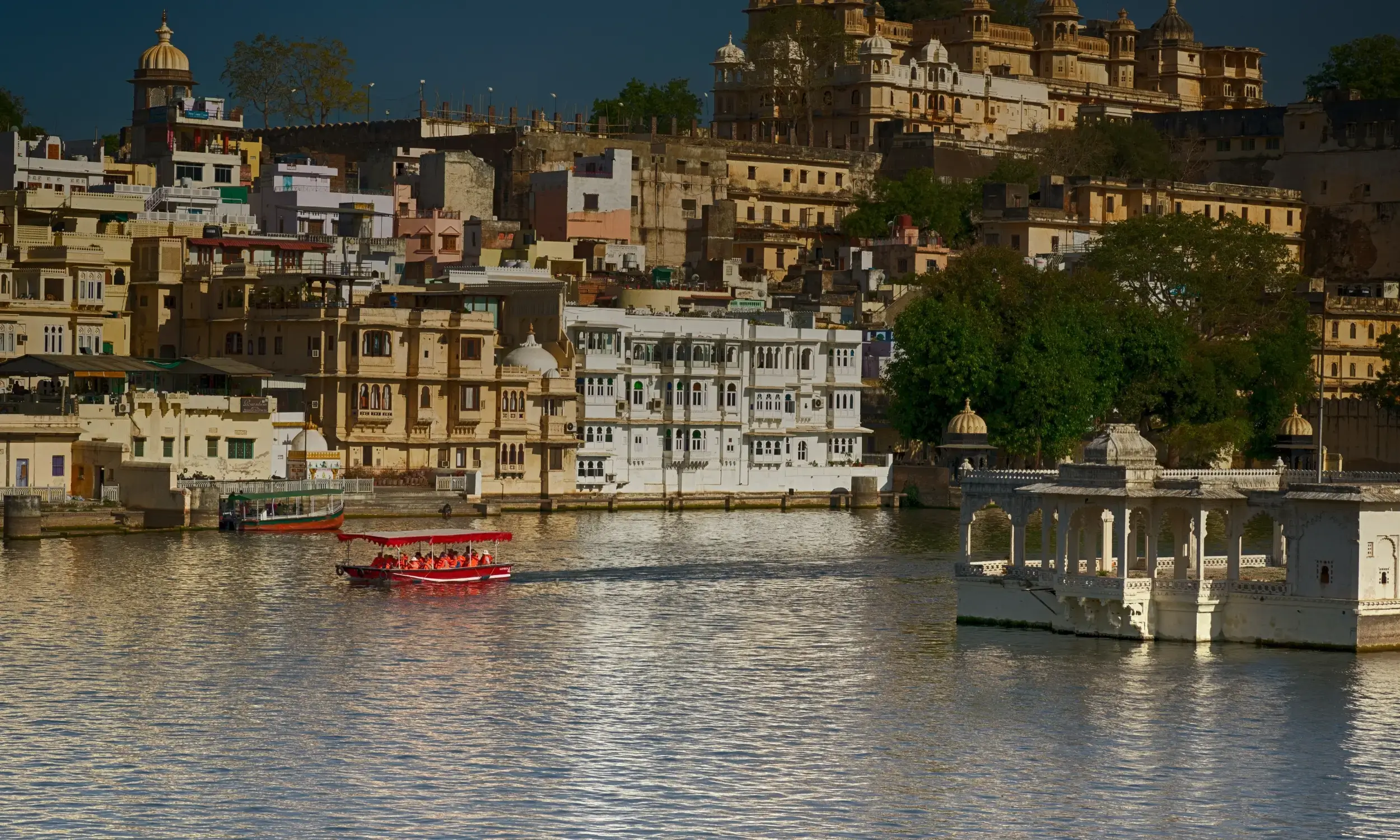
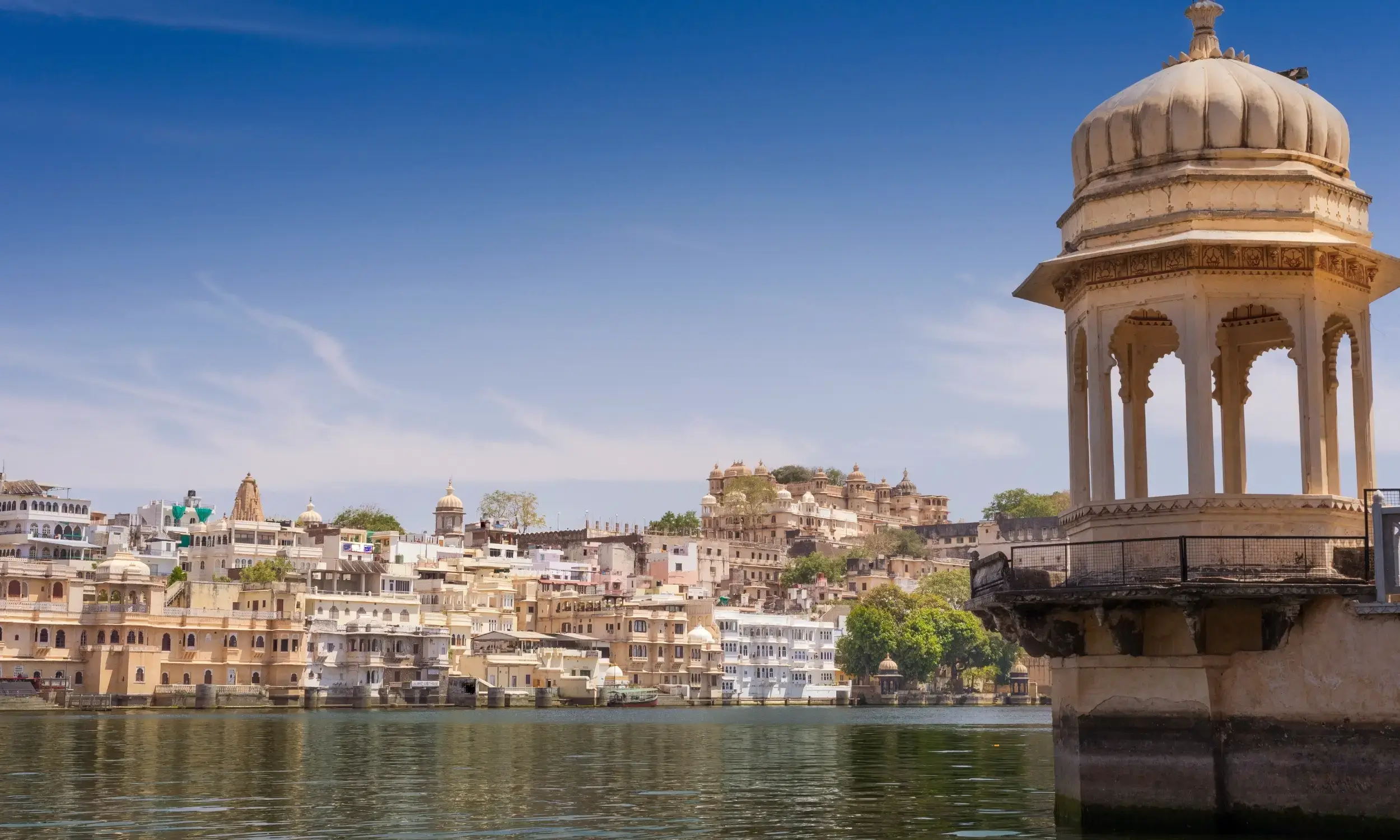
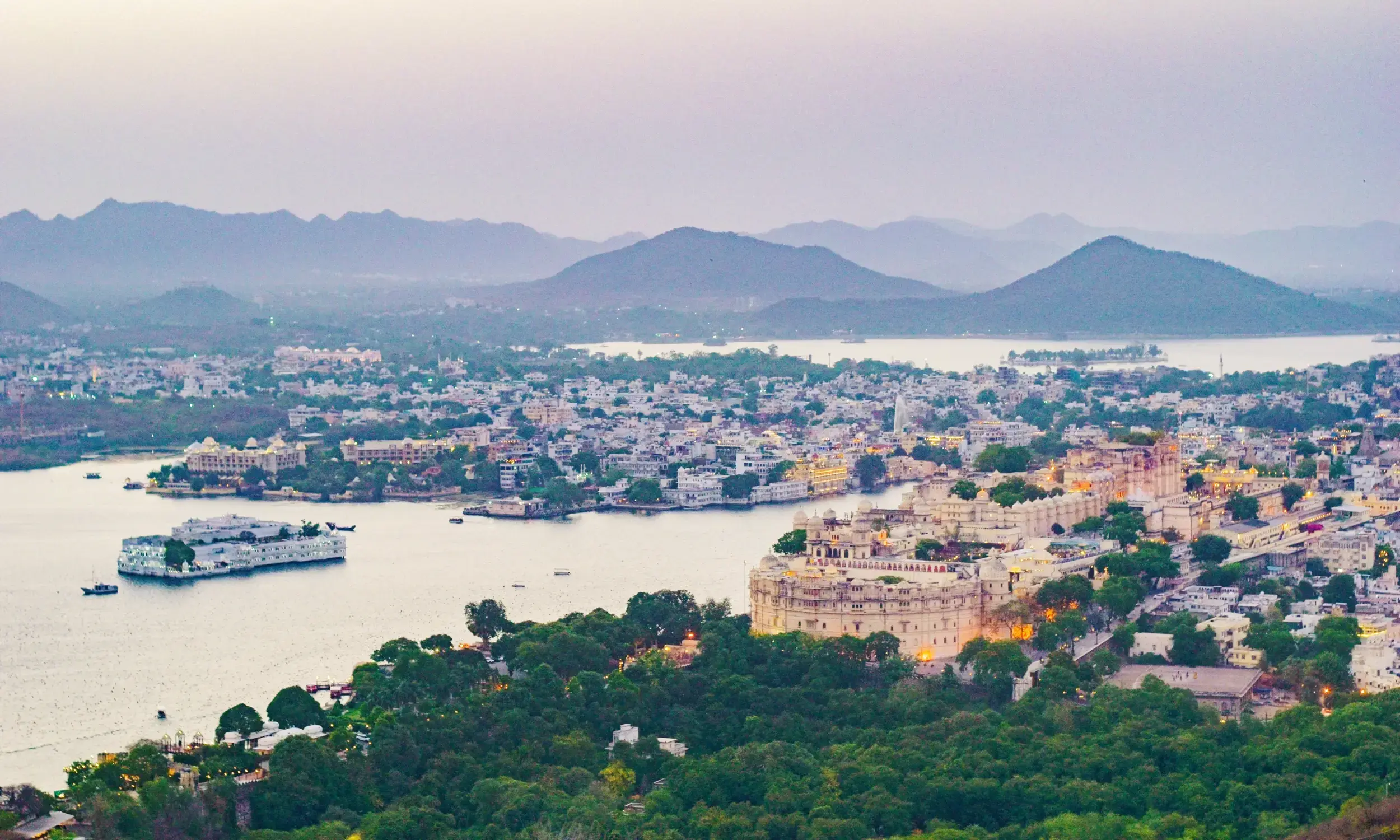
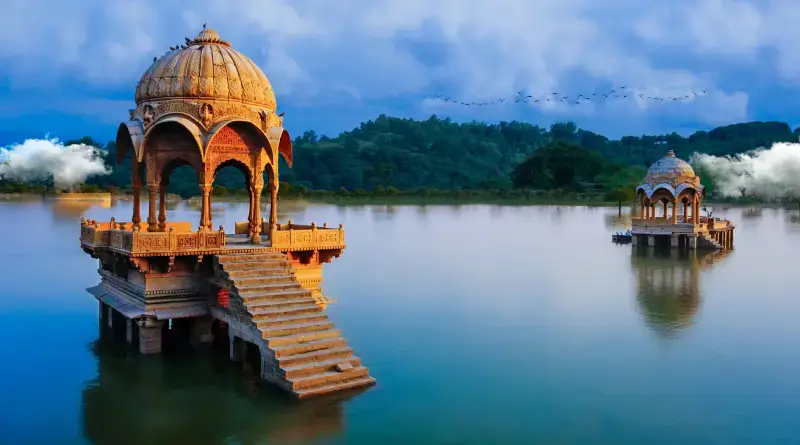
Udaipur’s lakes form the backbone of its identity, creating an ecosystem where environment and culture merge seamlessly. Lake Pichola, Fateh Sagar Lake, and smaller water bodies like Swaroop Sagar collectively shape the city’s temperament. Major lakes such as Lake Pichola and Fateh Sagar were created to support water management and urban life, not only aesthetics. Therefore, these are not merely tourist sights but engineered histories, like artificial reservoirs-built centuries ago to manage water scarcity and support urban life.
Today, they are central to Udaipur tourism, drawing visitors who recognize water as both aesthetic and symbolic. A lake calms, reflects, and enlarges the surrounding world. This is why the lakes are consistently counted among the must-see places in Udaipur. They are mirrors, showing both landscape and self.
Lake tourism underscores a philosophical question: how does a city sustain harmony between human creation and natural presence? Udaipur’s answer lies in preservation, which is a commitment to protecting its waters as living heritage.
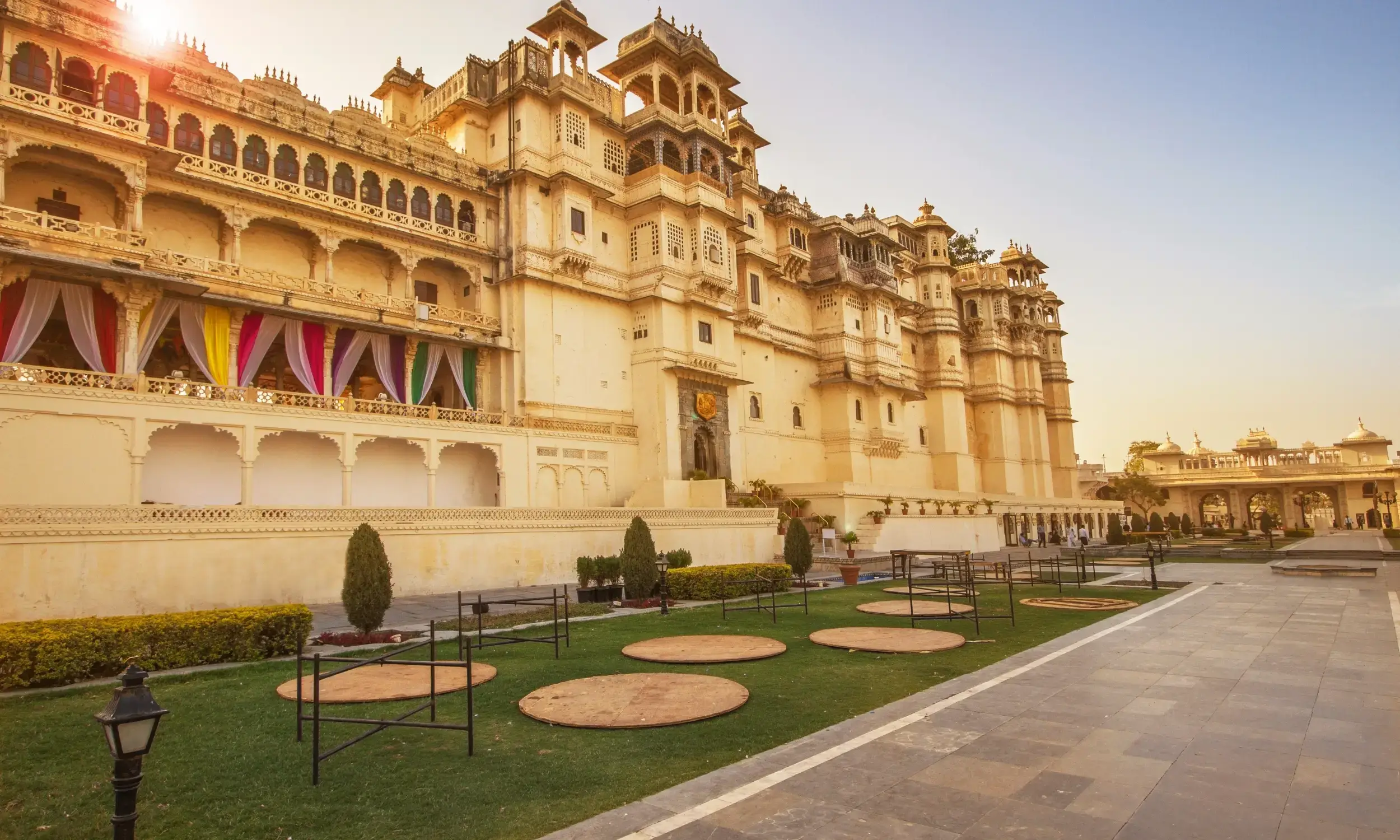
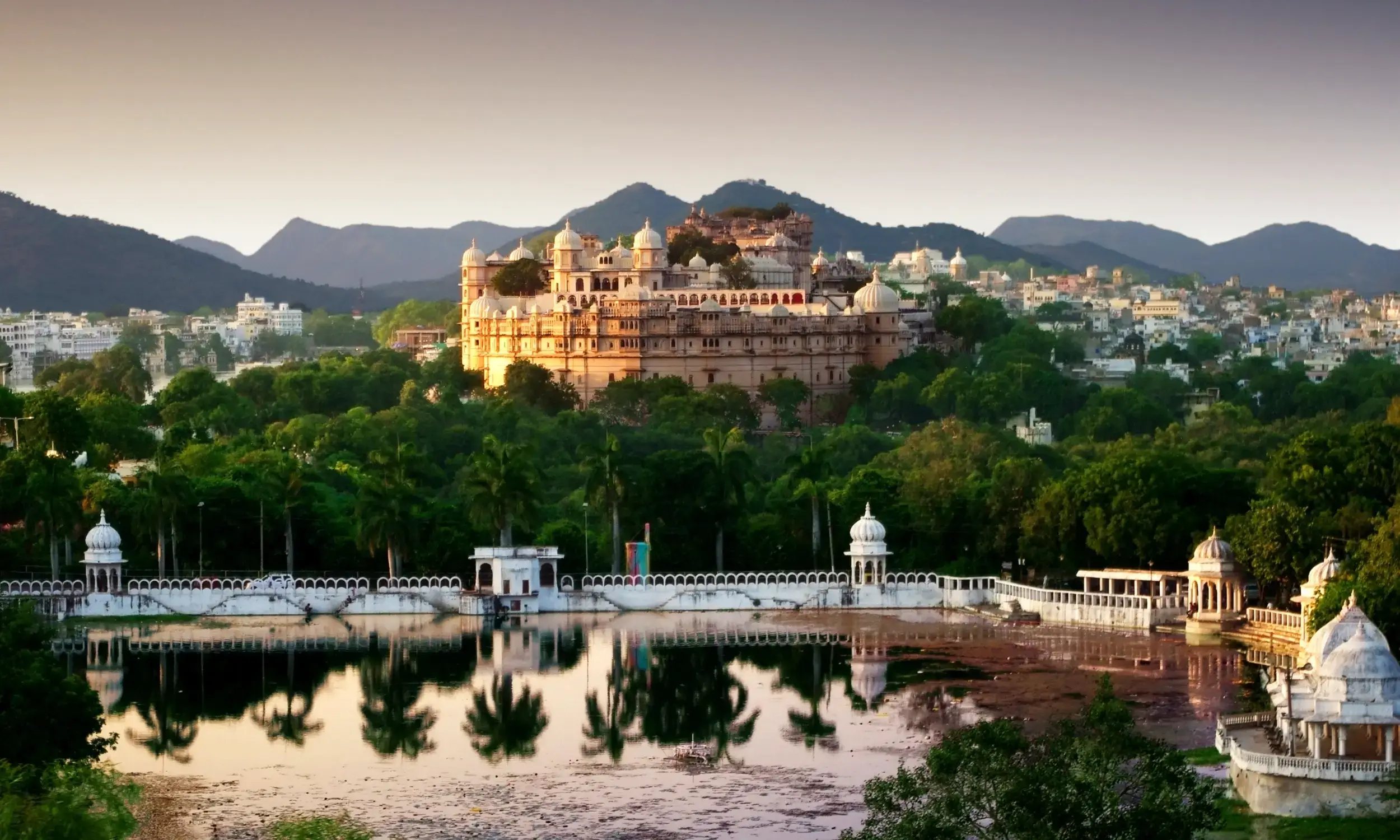
Udaipur’s architectural narrative is anchored in structures that embody endurance. The City Palace, rising above Lake Pichola, functions as both a spectacle and a statement and a layered collection of courtyards and chambers built across generations. Each fort and palace in the region extends this idea of history as a lived continuum.
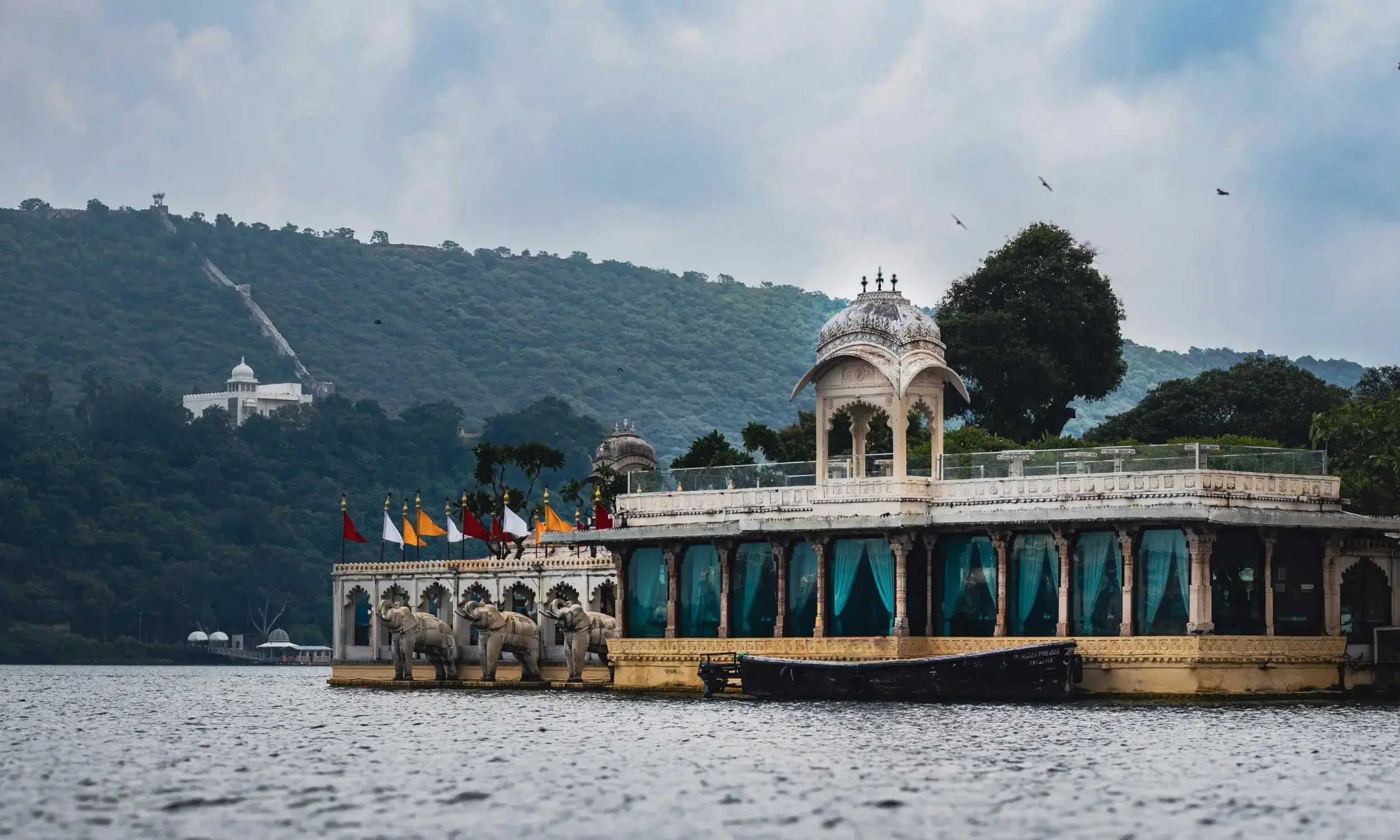
From Sajjangarh (Monsoon Palace), surveying the city from its hilltop, to Jag Mandir, resting serenely upon the lake, these sites illustrate why must-visit forts and palaces in Udaipur remain central to heritage tourism in Rajasthan. They enact a balance between grandeur and intimacy: vast exteriors offering security, intricate interiors offering artistry.
These structures tell a consistent truth: that civilizations express their priorities through architecture. In Udaipur, the priority has always been cultural integrity, aesthetic devotion, and the preservation of collective memory.
Together, these structures explain why heritage tourism in Udaipur remains experiential rather than museum-like.
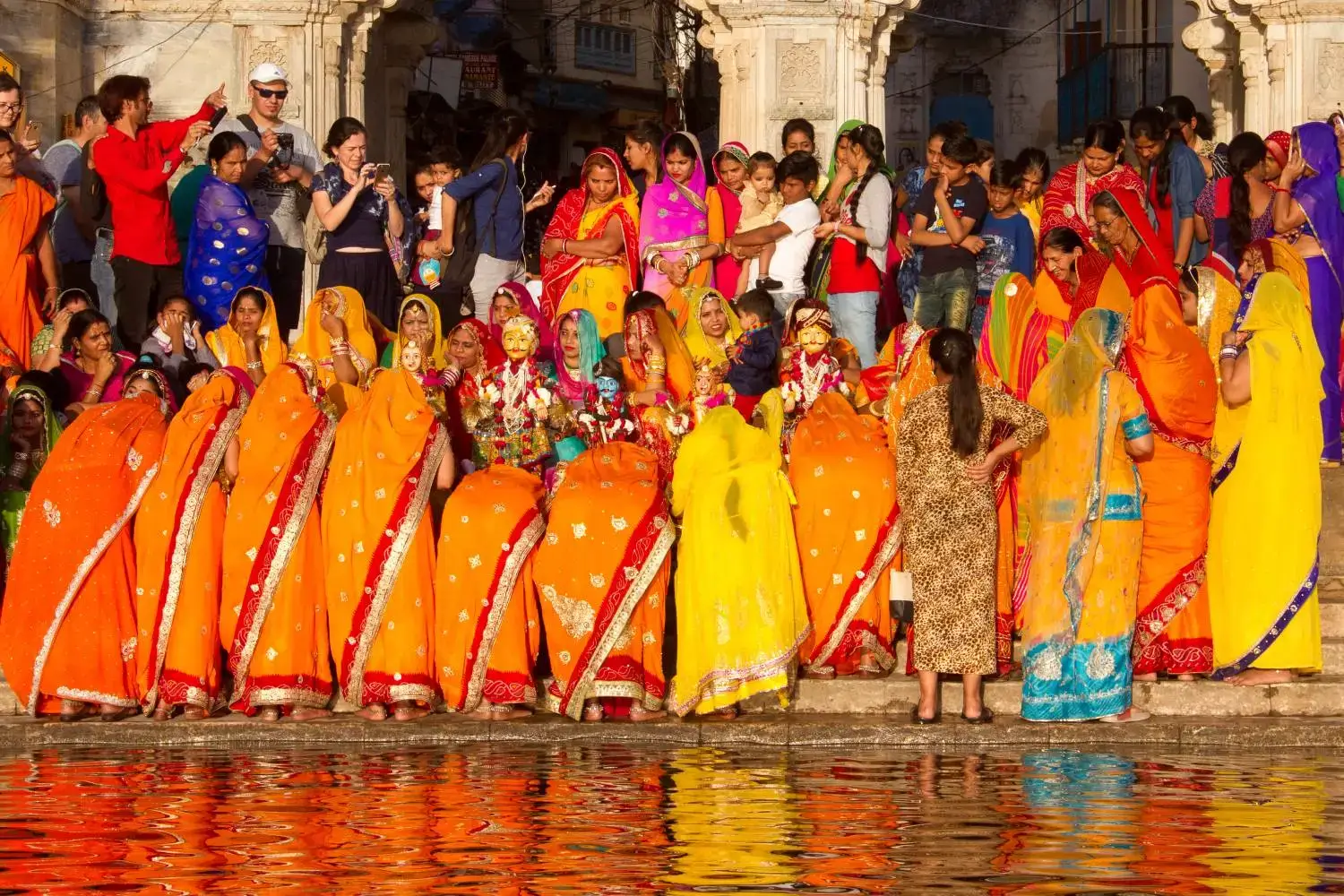
Cultural vibrancy defines Udaipur as much as its monuments. Festivals like Mewar Festival, Shilpgram Utsav, and Gangaur transform the city into a stage where folk art, ritual, music, and community converge. The celebration ethos reveals the city’s philosophy: culture thrives not by preservation alone, but by participation.
Many of these festivals follow the local calendar and are best experienced when travel dates align with regional celebrations. Udaipur’s cultural tourism appeals to visitors seeking immersion rather than observation. This is why the city is often listed among popular tourist destinations in Udaipur and why its festivals are not passive spectacles but interactive narratives of identity. Here, dance becomes heritage, craft becomes memory, and community becomes continuity.
Festivals pose a question at the heart of tourism: what does it mean to encounter a culture respectfully? Udaipur’s answer lies in hospitality, inclusivity, and the belief that shared experiences build lasting bridges.
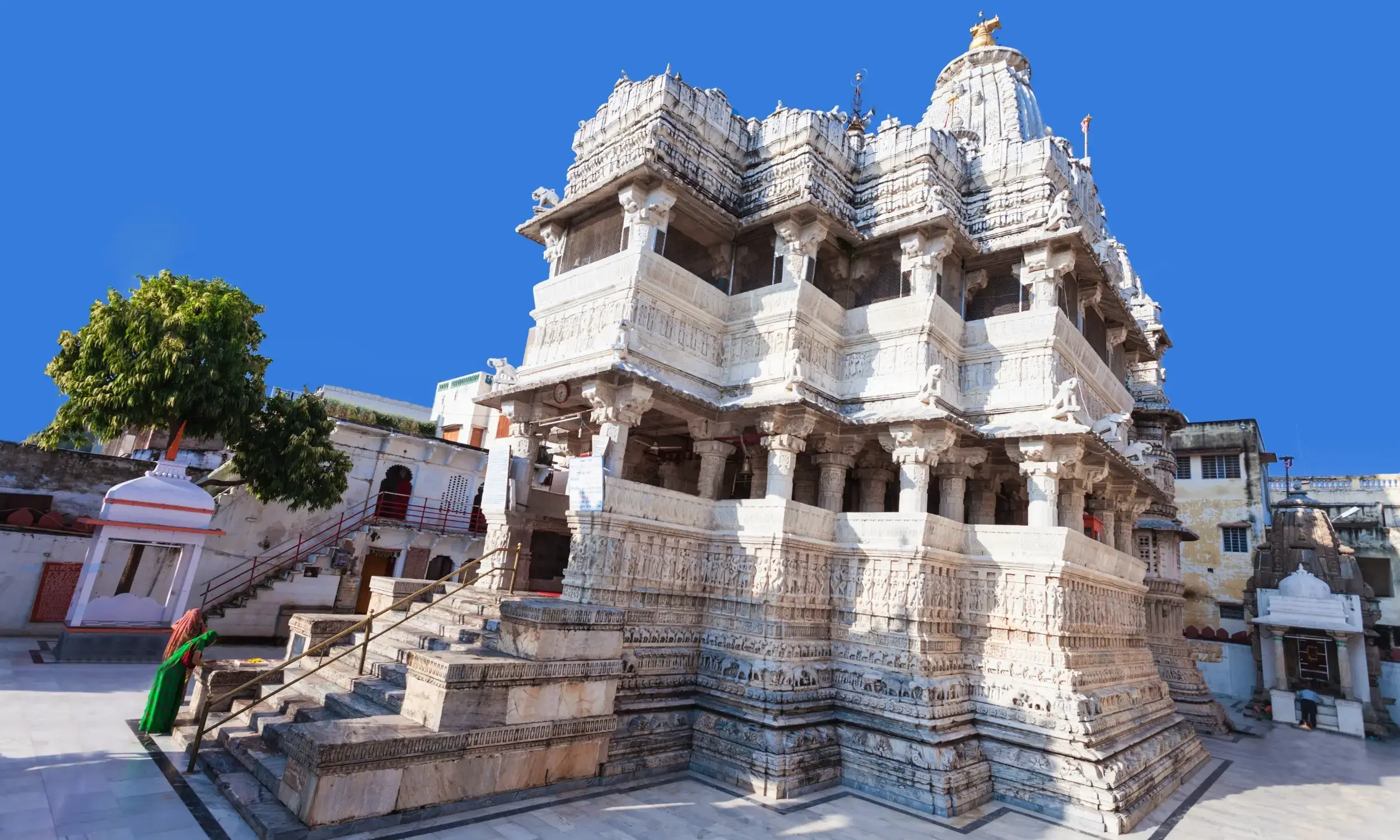
Religious landmarks in Udaipur contribute to both pilgrimage tourism and architectural heritage. Temples in Udaipur are markers of devotion, architecture, and spiritual continuity. Jagdish Temple, perhaps the most renowned, stands as a monumental example of Maru-Gurjara artistry, which has detailed carvings, precise symmetry, and a sense of serenity that extends beyond religious boundaries.
These temples anchor the city’s spiritual identity, making Udaipur a significant point in pilgrimage tourism across Rajasthan. Whether ancient shrines on hilltops or lakeside sanctuaries, each site suggests that spirituality can be both personal and collective. Temples also highlight how religion, architecture, and community life interact to shape a city’s moral and aesthetic core.
Pilgrimage tourism in Udaipur reflects a universal idea: people travel not only to see landscapes but also to seek alignment with self, with tradition, and with something larger than both.
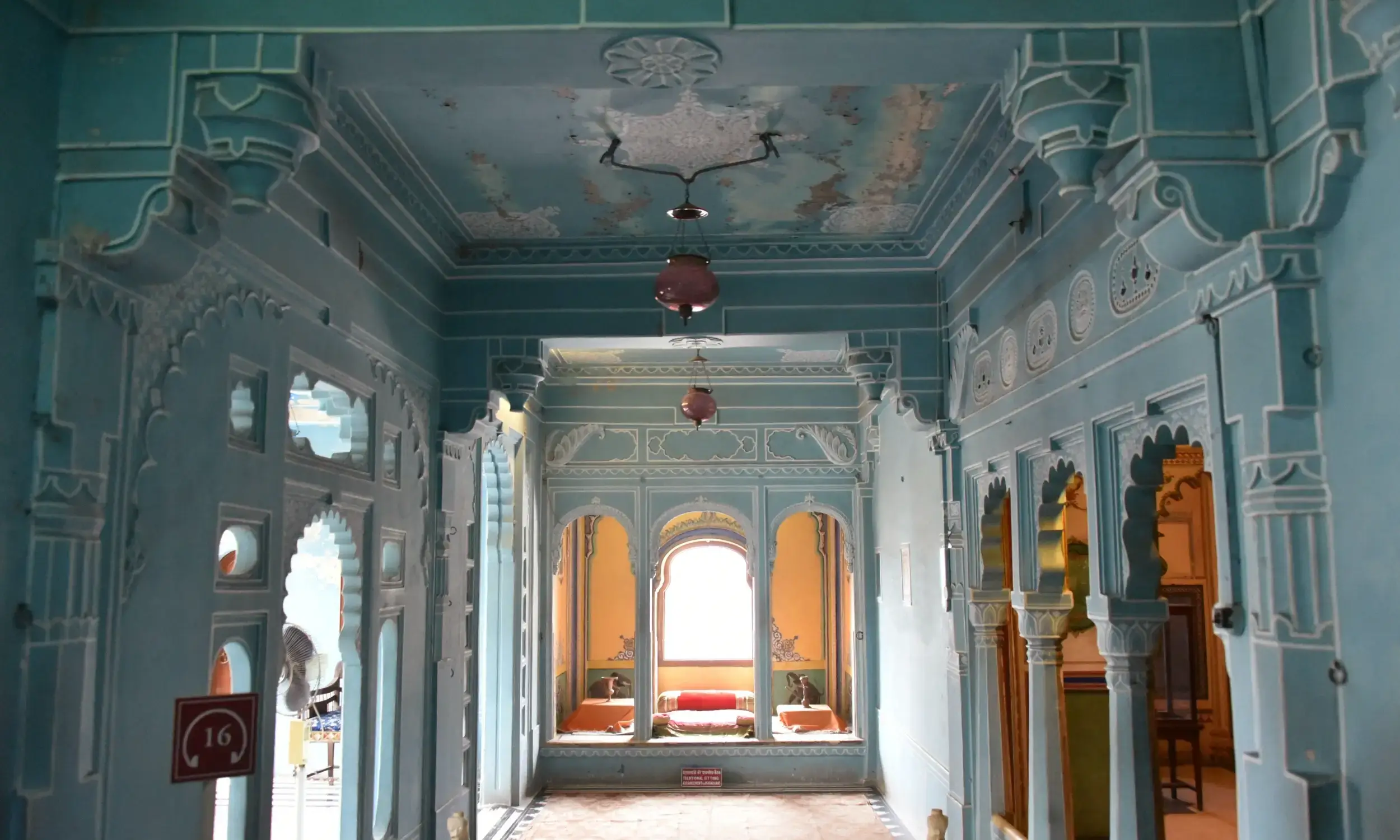
A monumental complex overlooking Lake Pichola, City Palace represents centuries of architectural evolution. Its balconies, galleries, and mosaics illustrate why it is among the best sightseeing places in Udaipur. The fusion of Rajput and Mughal styles creates a visual dialogue about power, aesthetics, and legacy.
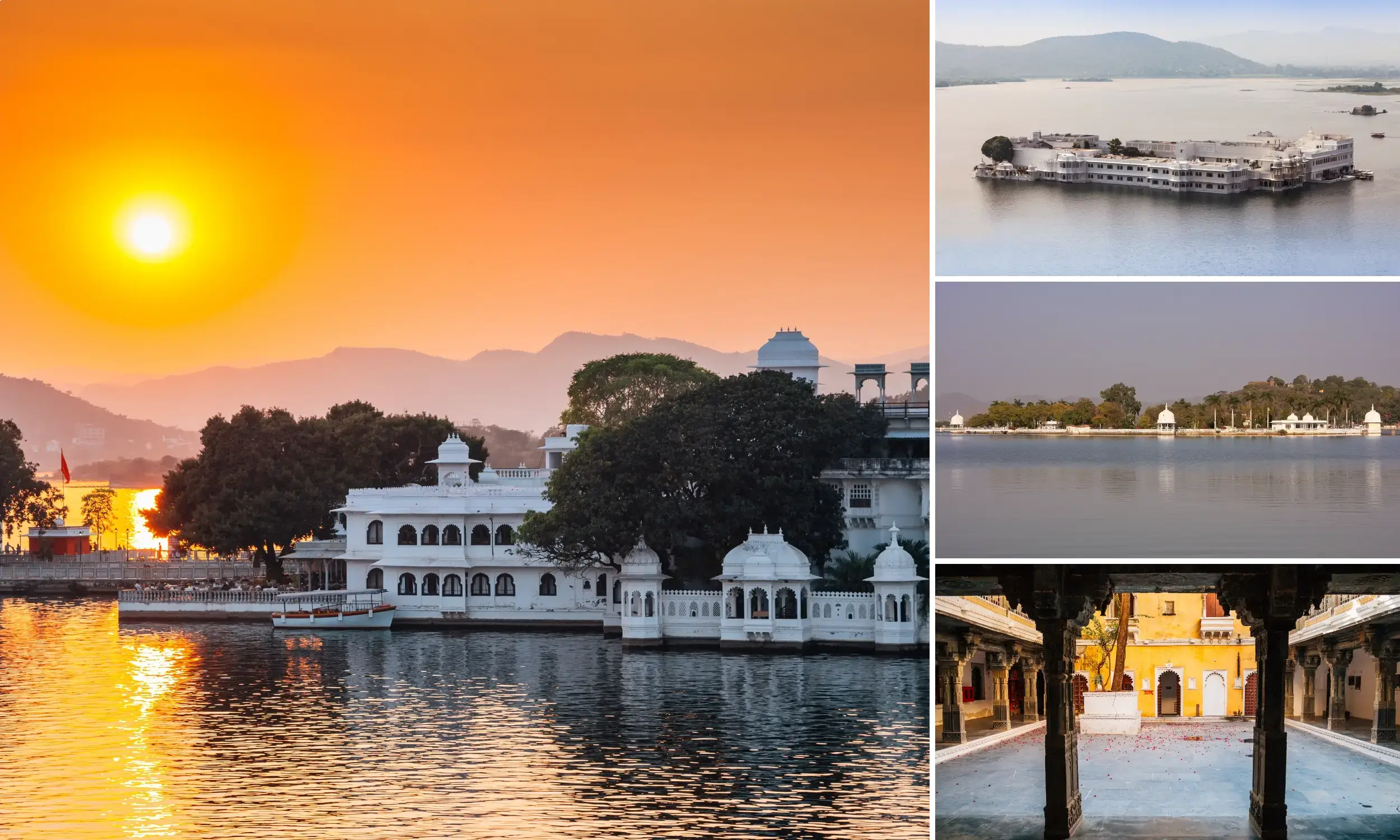
One of the top tourist places in Udaipur, Lake Pichola offers panoramic beauty framed by ghats, palaces, and distant hills. The lake’s calmness constructs an immersive visual experience, symbolizing Udaipur’s blend of nature and design.
Situated on Lake Pichola, Jag Mandir is a testament to architectural grace and royal ingenuity. Its marble structures and garden courtyards mark it as one of the must-visit attractions in Udaipur.
Known for its tranquil waters and scenic drive, Fateh Sagar is among the top visiting places in Udaipur, attracting families, photographers, and nature observers.
A hilltop palace offering aerial vistas of Udaipur, it embodies the interplay between architecture and environment. It remains a popular point of interest in Udaipur for sunset views.
A rural arts complex that preserves traditional crafts, Shilpgram serves as a cultural lens into Rajasthan’s artisanal communities, expanding the scope of heritage tourism.
A garden built for royal women, known for fountains, kiosks, and marble art. Its elegance makes it one of the best places to visit in Udaipur for families and cultural explorers.
A restored haveli presenting dance performances, museum displays, and folk art. It exemplifies how living culture coexists with history.
This museum documents royal automotive heritage and a different dimension of Udaipur’s history, blending engineering with elegance.
A spiritual and architectural landmark at the heart of the city, central to Udaipur sightseeing tours and pilgrimage tourism.
Leisure & Nature
Culture & Heritage
Food & Local Experiences
Accommodation ranges from lakefront heritage hotels to modern luxury resorts and budget-friendly stays. Properties around Lake Pichola and Fateh Sagar provide scenic value, while hotels in the Old City offer cultural proximity. The diversity ensures options suitable for families, couples, solo travelers, and heritage enthusiasts. Accommodation choices often depend on whether travelers prioritize lake views, heritage settings, or central city access.
October to March marks the ideal travel window with pleasant weather, clearer skies, and vibrant festivals. Summer months are hotter but quieter, while monsoon adds greenery with fewer crowds. These months elevate the experience of exploring the top tourist destinations in Udaipur.
Maharana Pratap Airport connects Udaipur with major Indian cities, while rail and road routes support regional tourism circuits. Accessibility enhances its standing as one of the best tourist places in Udaipur.
Cities like Udaipur demonstrate that travel is never only a movement through geography; it is also a movement through ideas of beauty, continuity, culture, and coexistence. Among the top tourist destinations in Udaipur, what truly endures is the city’s ability to question the visitor gently: what does it mean to witness history, and what responsibility accompanies that witnessing?
This is why Udaipur continues to stand out as a destination where heritage, landscape, and everyday life converge, making it one of Rajasthan’s most enduring travel experiences.





 Trekking Tour
 Peak Climbing
 Jeep Safari
 Mountain Biking
 +91-9212553109
 Plan Your trip