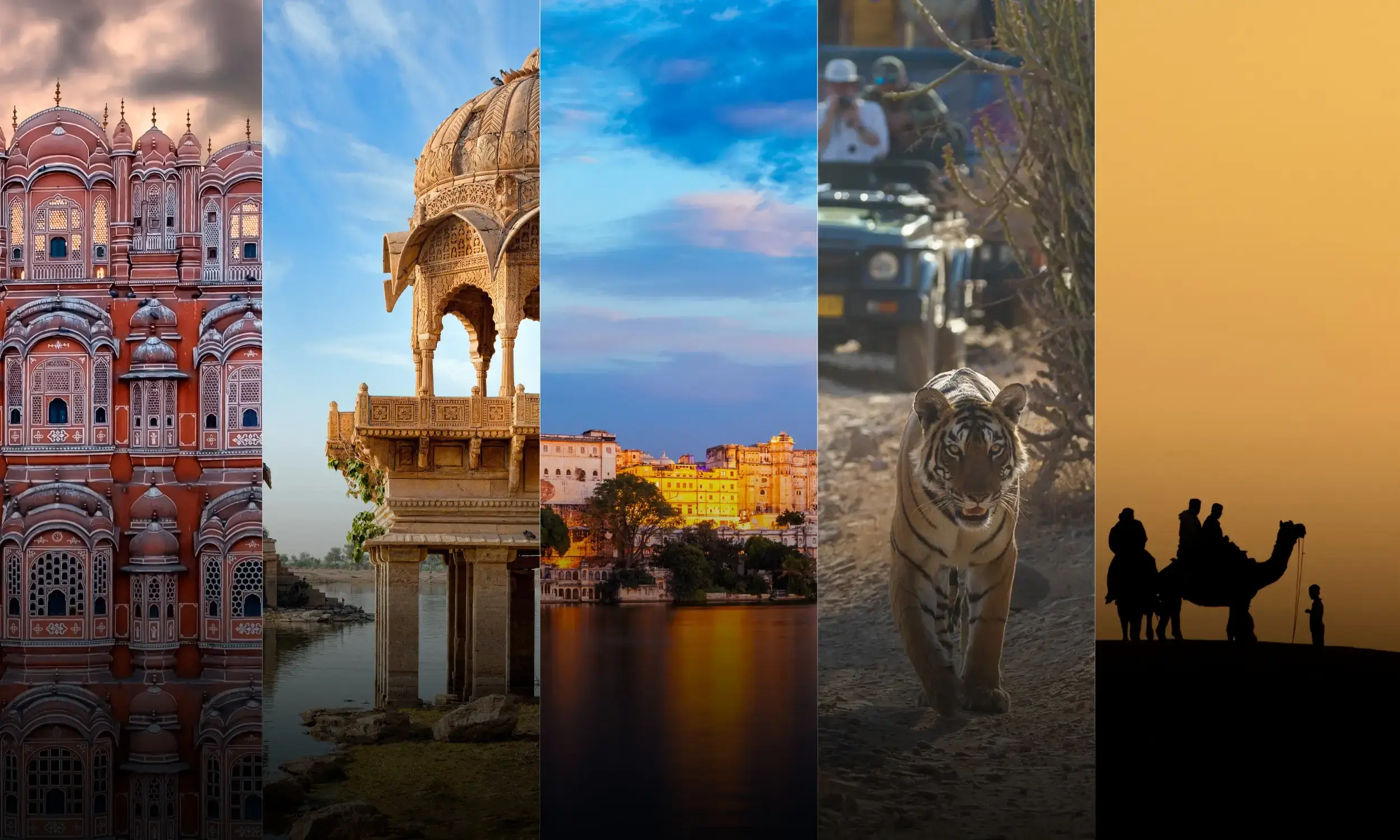
Rajasthan can feel overwhelming on a first visit; there’s simply too much to see, do, and absorb. Forts blur into forts, palaces compete for attention, and long distances quietly eat into travel days. This Rajasthan guide is for first-time visitors who want to experience the state’s royal heritage, desert landscapes, food, culture, and everyday life without exhaustion or regret.
Instead of just simply listing places, this guide to best places to visit in Rajasthan helps you decide:
Check out Popular Rajasthan Tour Packages
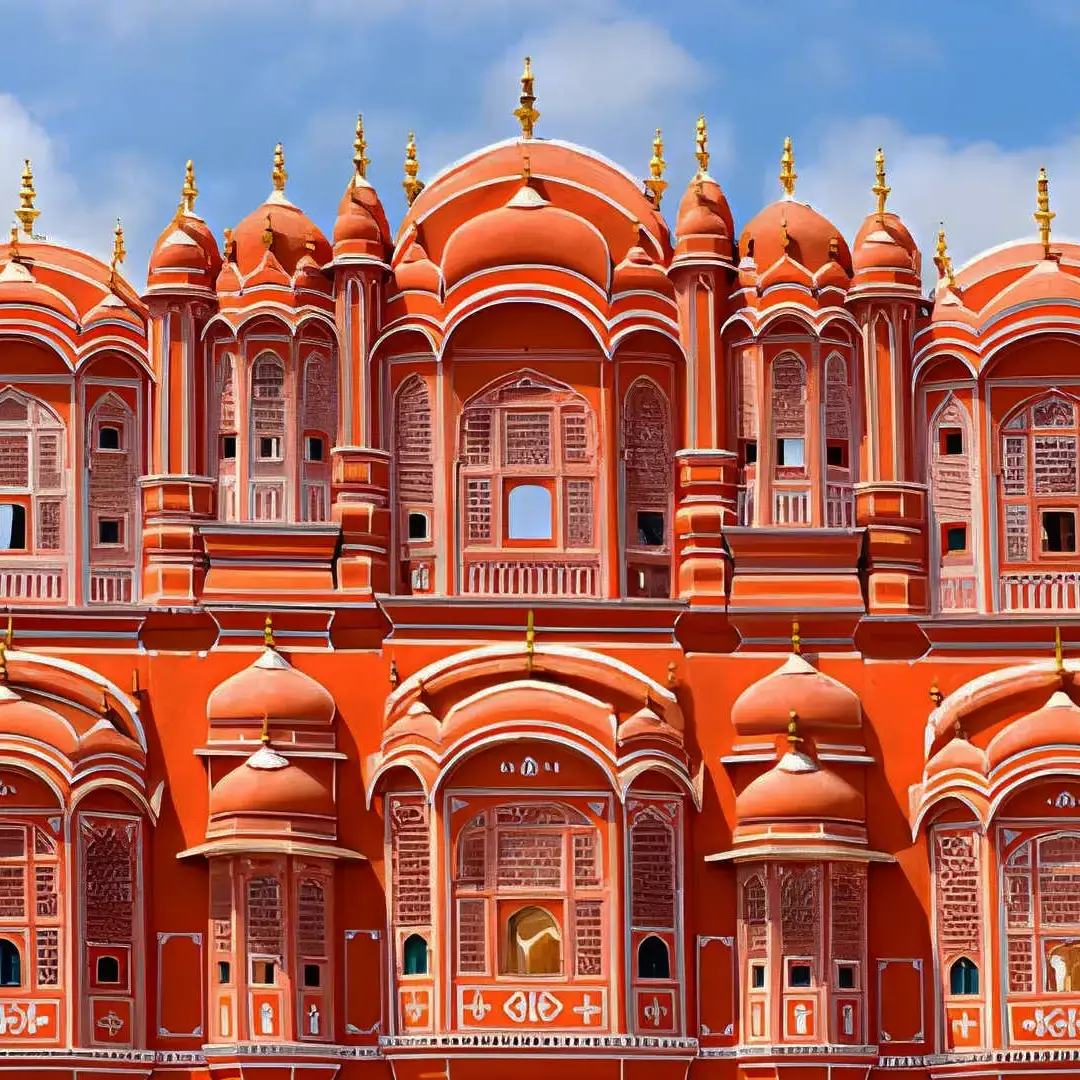
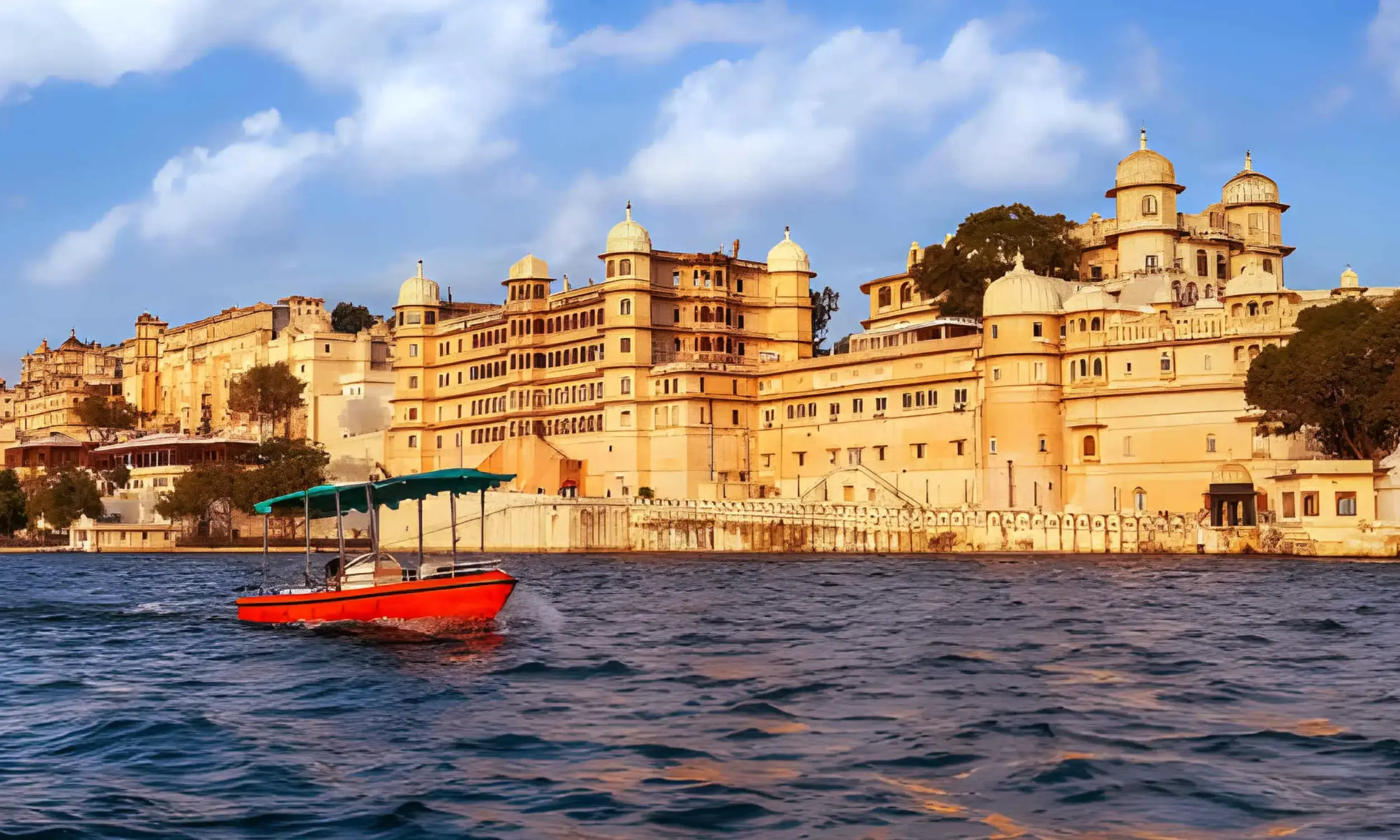
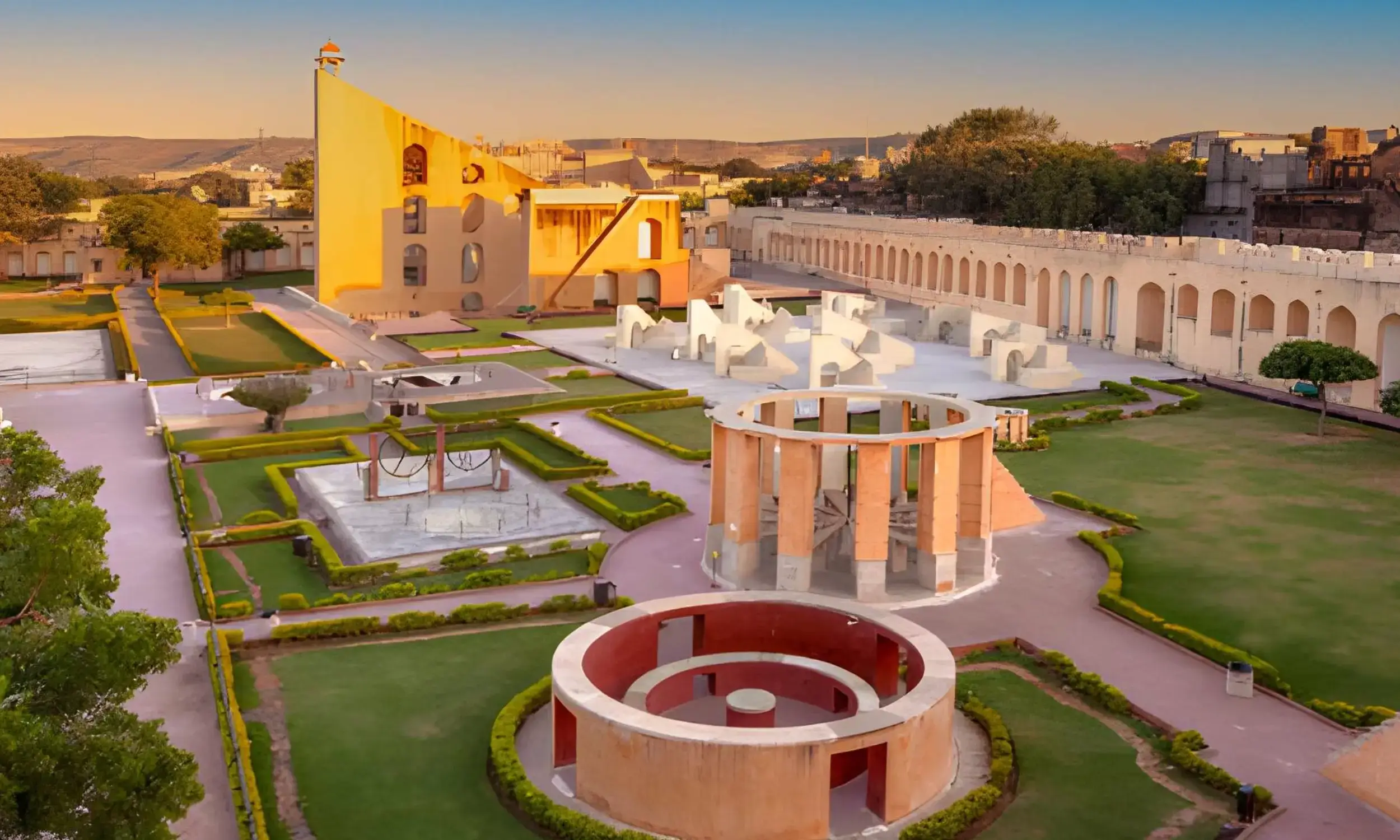
How time flows in Jaipur?
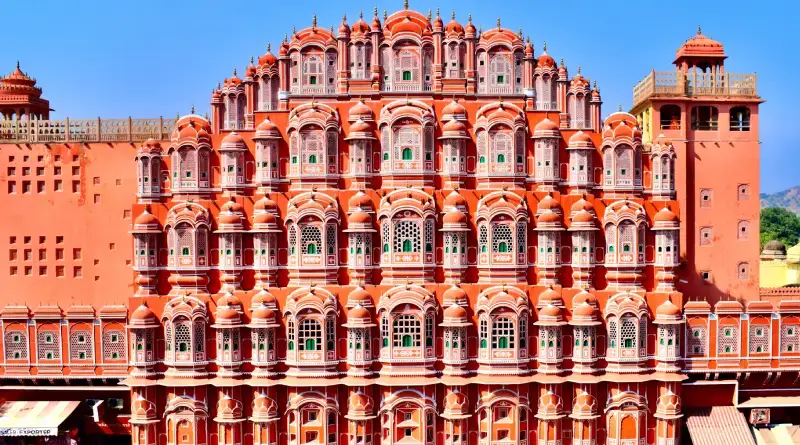
Jaipur is energetic but structured. Mornings work best for forts and palaces before crowds and heat build-up. Afternoons slow down naturally into museums, cafés, or hotel downtime. Evenings belong to bazaars, food walks, and street life.
What you’ll love in Jaipur
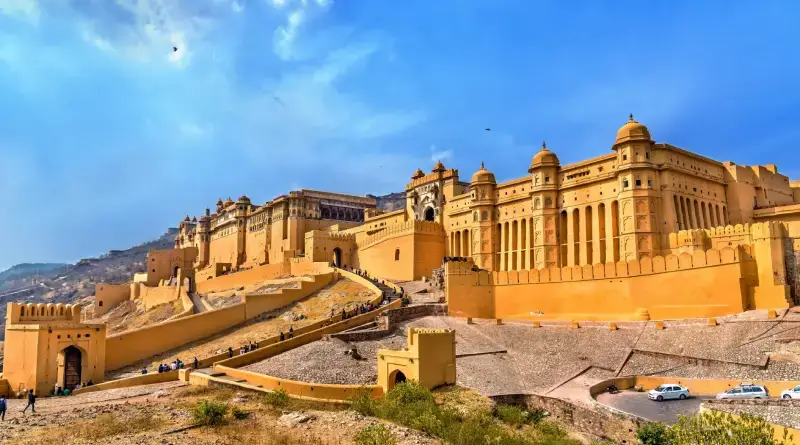
You’ll love Jaipur if you want to experience Rajasthan’s royal architecture up close: riding up to a grand hilltop fort on an elephant, walking through palace courtyards, then unwinding at cozy cafés with genuinely good coffee/tea (Town Coffee and Tapri are local favorites). Jaipur is also one of the easiest places in Rajasthan to shop for block-printed fabrics, handcrafted jewelry, blue pottery, and traditional artifacts without leaving the city.
Good to know before you go
How to experience Jaipur well?
Do one guided fort visit to understand context, then leave space for unplanned wandering. Jaipur rewards balance more than speed.

How time flows in Udaipur?
Udaipur naturally slows your pace. Days begin quietly by the lakes, afternoons retreat into shade or indoors, and evenings stretch out with boat rides, rooftop dinners, and soft-lit palace views.
What you’ll love in Udaipur?
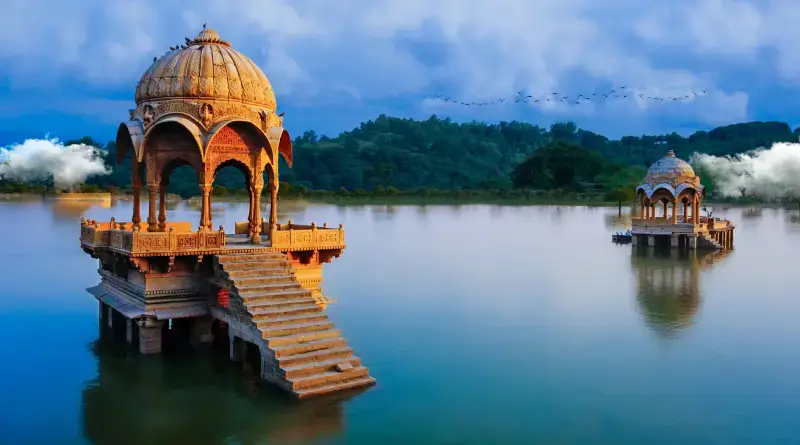
You’ll love Udaipur if you enjoy slow travel: sunset boat rides on Lake Pichola, dinners overlooking water, and walking without a checklist. This is the city where Rajasthan feels graceful rather than grand, and where travel fatigue genuinely fades.
Good to know before you go
How to experience Udaipur well?
Choose fewer sights and linger longer. Udaipur gives more when you leave breathing room.
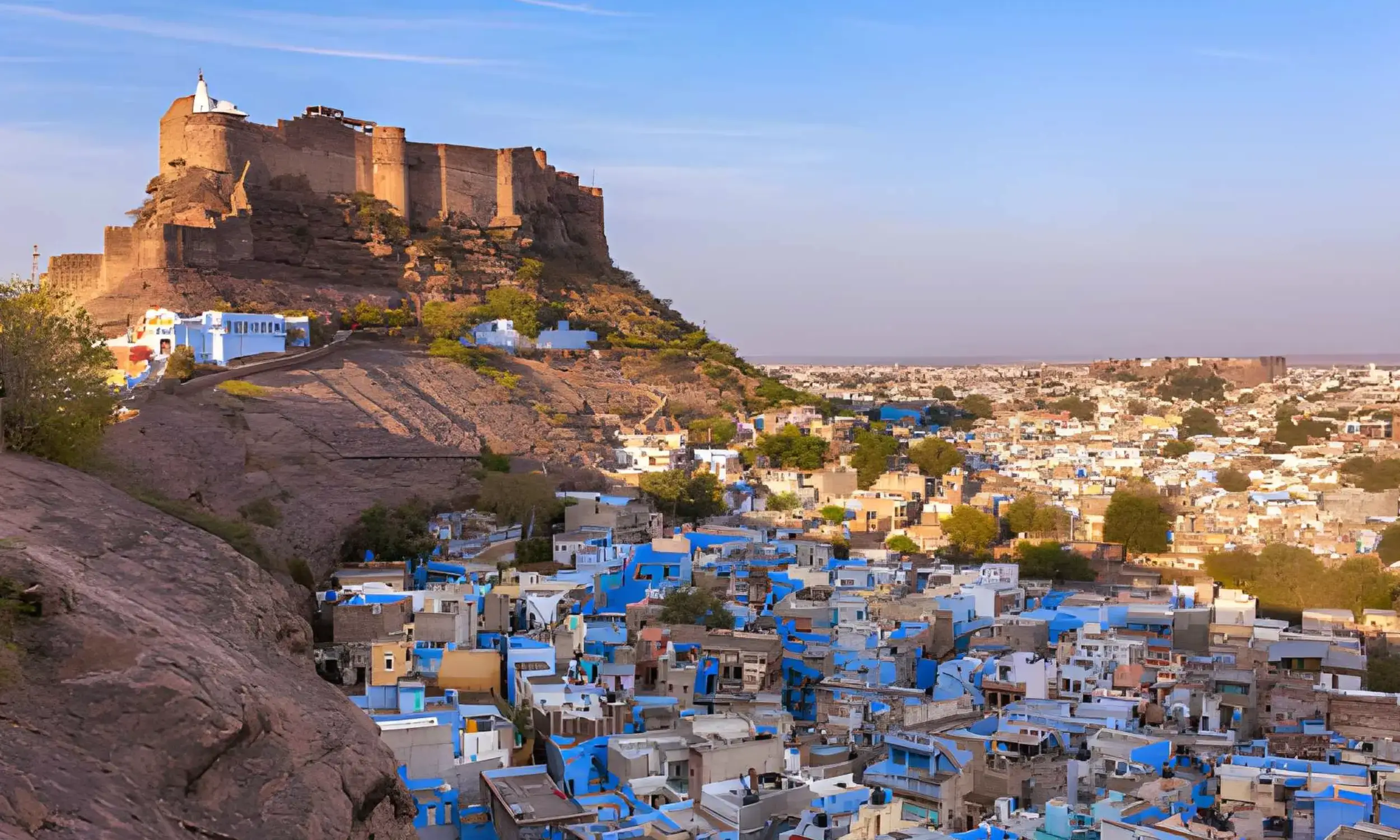
How time flows in Jodhpur?
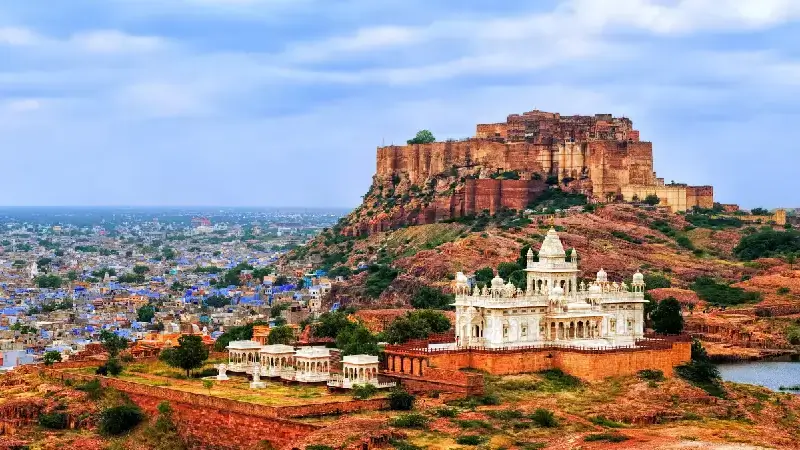
Jodhpur unfolds vertically. Mornings climb up to Mehrangarh Fort. Afternoons drift through blue-painted lanes below. Evenings slow down near stepwells and cafés, with views back toward the fort.
What you’ll love in Jodhpur?
You’ll love Jodhpur if dramatic landscapes excite you: towering forts, sweeping desert views, and blue houses. Sitting near Toorji Ka Jhalra with a coffee while the fort looms above is one of Jodhpur’s most memorable everyday moments.
Good to know before you go
How to experience Jodhpur well?
Mehrangarh deserves time (minimum 2-3 hrs) and a guide. Everything else makes more sense after the fort.
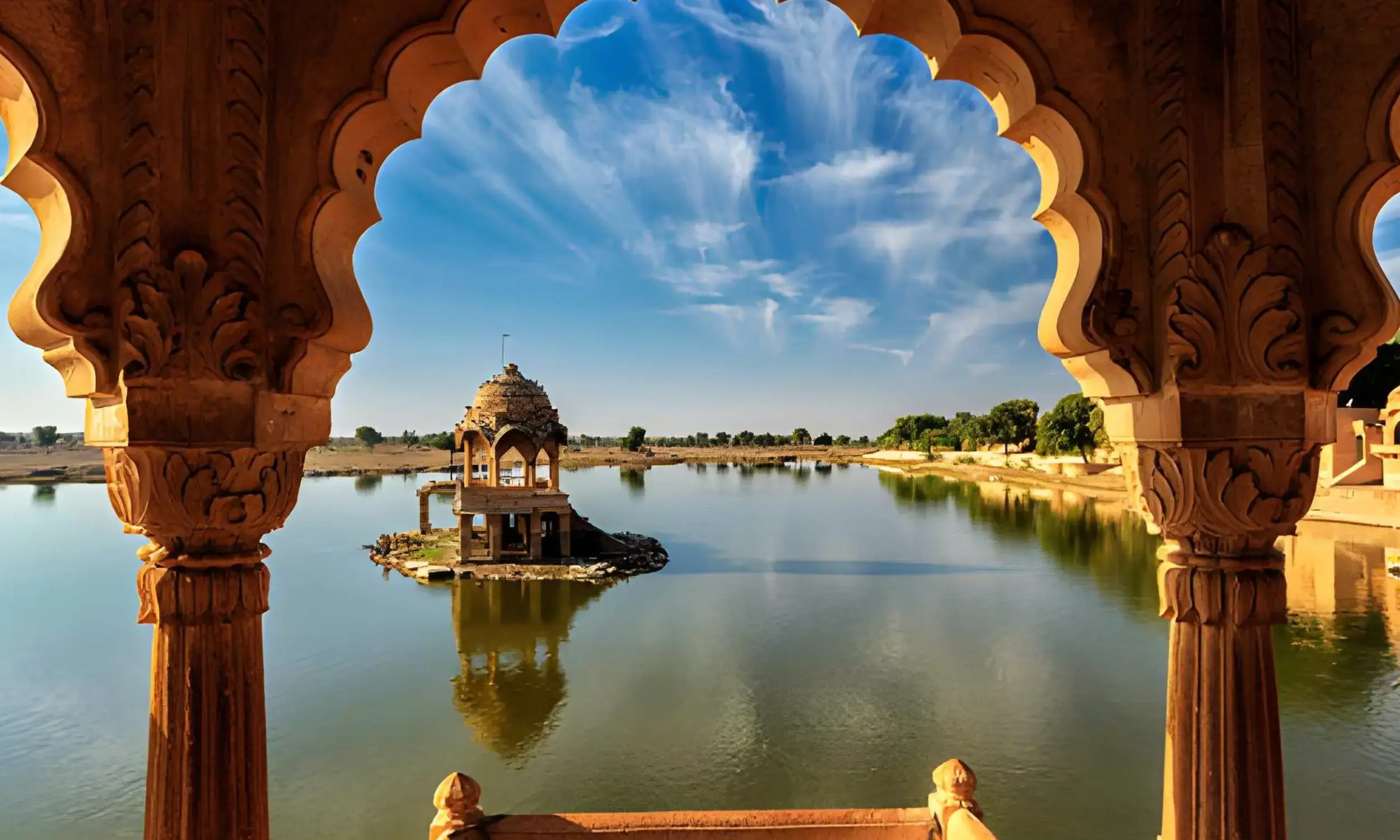
How time flows in Jaisalmer?
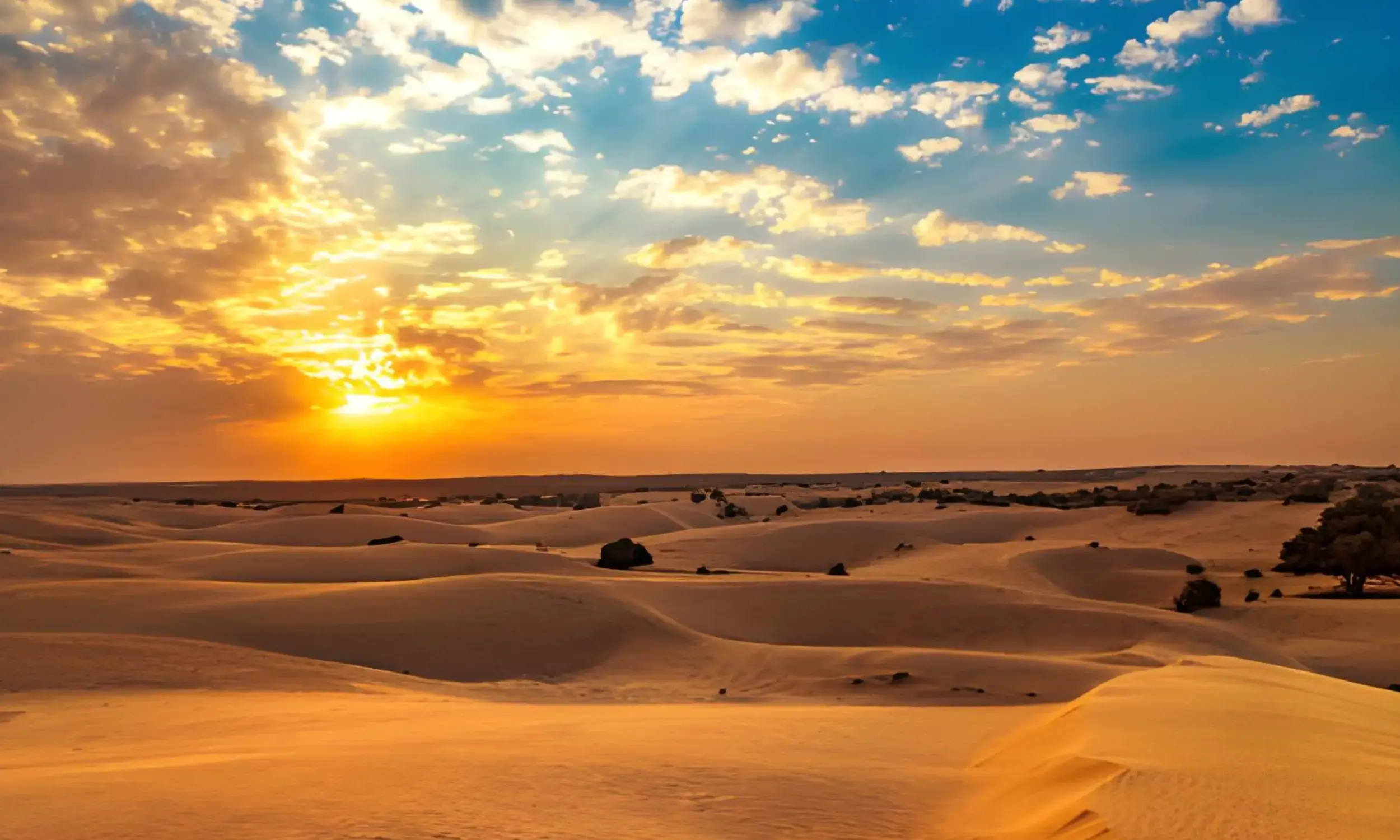
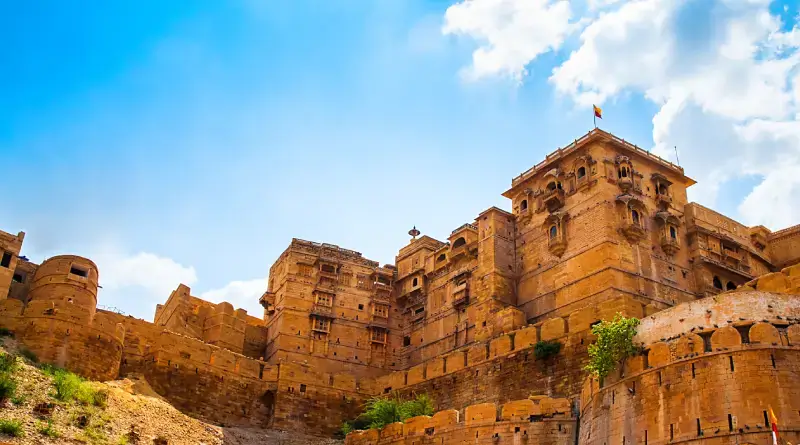
Jaisalmer works in two distinct halves. The first is spent inside and around the fort: narrow lanes, carved havelis, rooftop cafés, and temples that are still part of daily life. Sightseeing here is compact and walkable, usually wrapped up by early afternoon. The second half begins once you leave the city behind and head toward the SAM Sand Dunes, where time stretches out: late-afternoon drives, sunset over sand, simple meals, folk music, and long, quiet nights under the stars. The morning after a desert camping experience is slow and unhurried, making Jaisalmer less about ticking sights and more about absorbing space and silence.
What you’ll love in Jaisalmer?
You’ll love Jaisalmer if you’ve imagined camel rides over golden dunes, sleeping under desert stars, and exploring a living fort with homes, cafés, and temples inside. Desert camps, folk music evenings, and vast open spaces define the experience.
Good to know before you go
How to experience Jaisalmer well?
One night in the desert is enough. Let the landscape do the work.
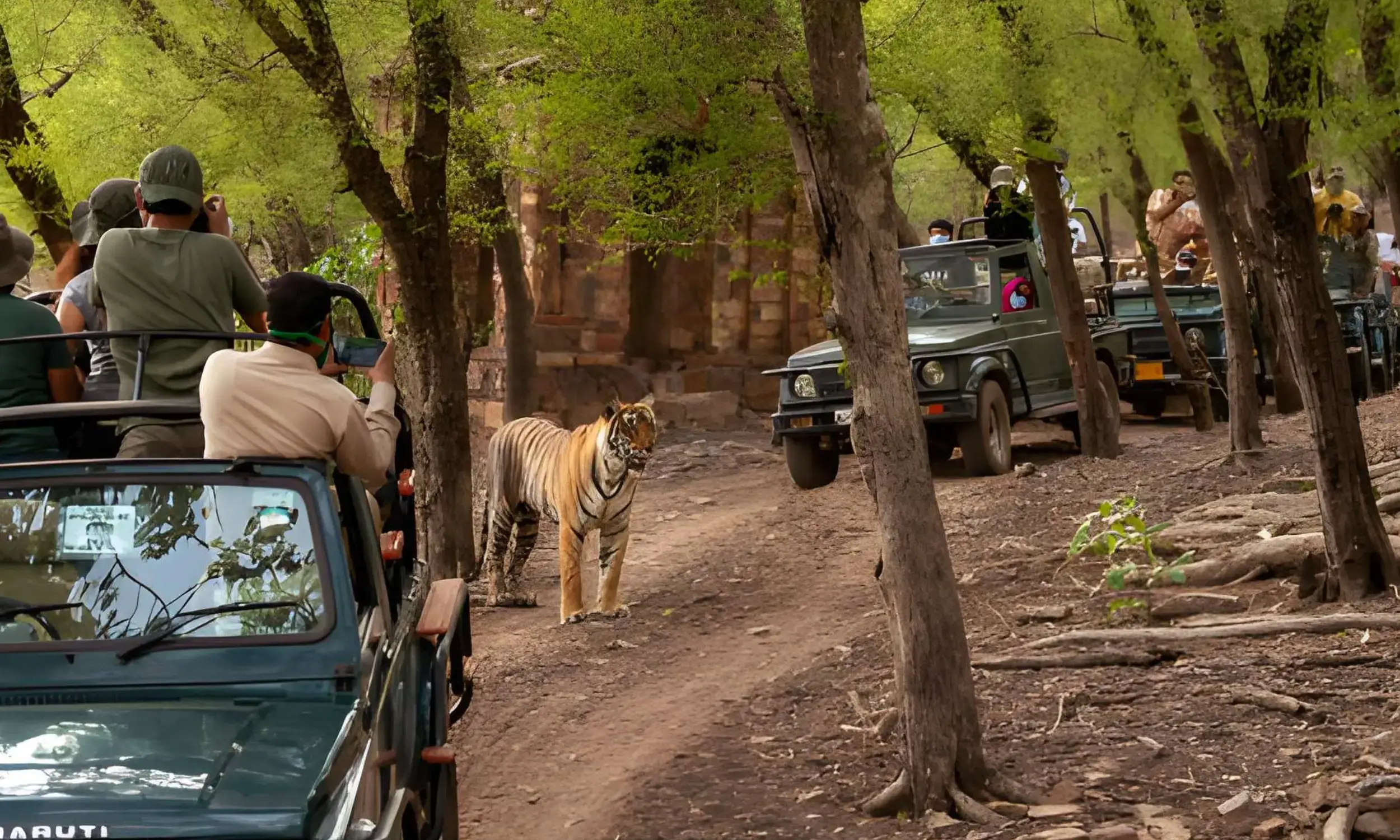
How time flows in Ranthambore?
Ranthambore runs on the rhythm of safaris, not sightseeing. Mornings begin before sunrise, followed by hours of slow movement through dusty forest tracks, waiting quietly for signs of wildlife. Between morning and afternoon safaris, time stretches, lunches are unhurried, afternoons are spent resting, and conversations revolve around what was (or wasn’t) spotted. Evenings settle quickly into stillness, with little to do beyond dinner and early rest before another early start.
What you’ll love in Ranthambore?
You’ll love Ranthambore if wildlife excites you, as well as early morning safaris, spotting deer and birds, and the possibility (not promise) of seeing a tiger in the wild. It adds a completely different dimension to a heritage-heavy trip.
Good to know before you go
How to experience Ranthambore well?
Treat it as a nature break, not a checklist achievement.
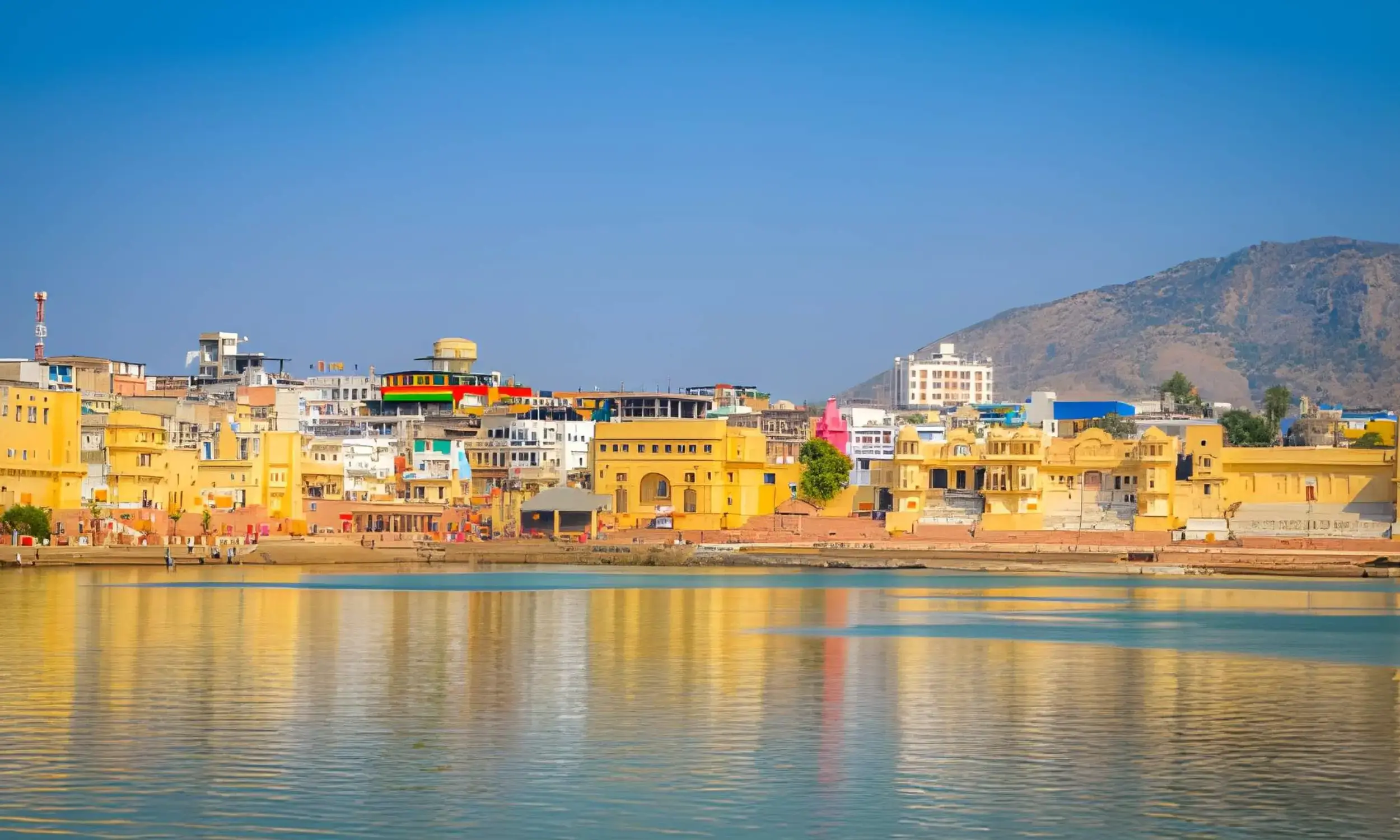
How time flows in Pushkar?
Pushkar’s day begins early, with priests performing rituals around the lake as pilgrims arrive before sunrise. Mornings are spent walking the ghats, sitting quietly during prayers, or exploring narrow lanes around the old town. By midday, the town slows almost to a standstill: shops close, streets empty, and the heat pushes most activity indoors. Life resumes briefly in the evening during aarti by the lake, after which Pushkar settles down quickly, with little nightlife or movement late into the night.
What you’ll love in Pushkar?
You’ll love Pushkar if you enjoy spiritual towns without overwhelming scale, evening aartis by the ghats, quiet walks, temple bells, and cafés tucked into old lanes. It’s reflective without being intense.
Good to know before you go
How to experience Pushkar well?
A single overnight stay is enough to absorb Pushkar’s rhythm.
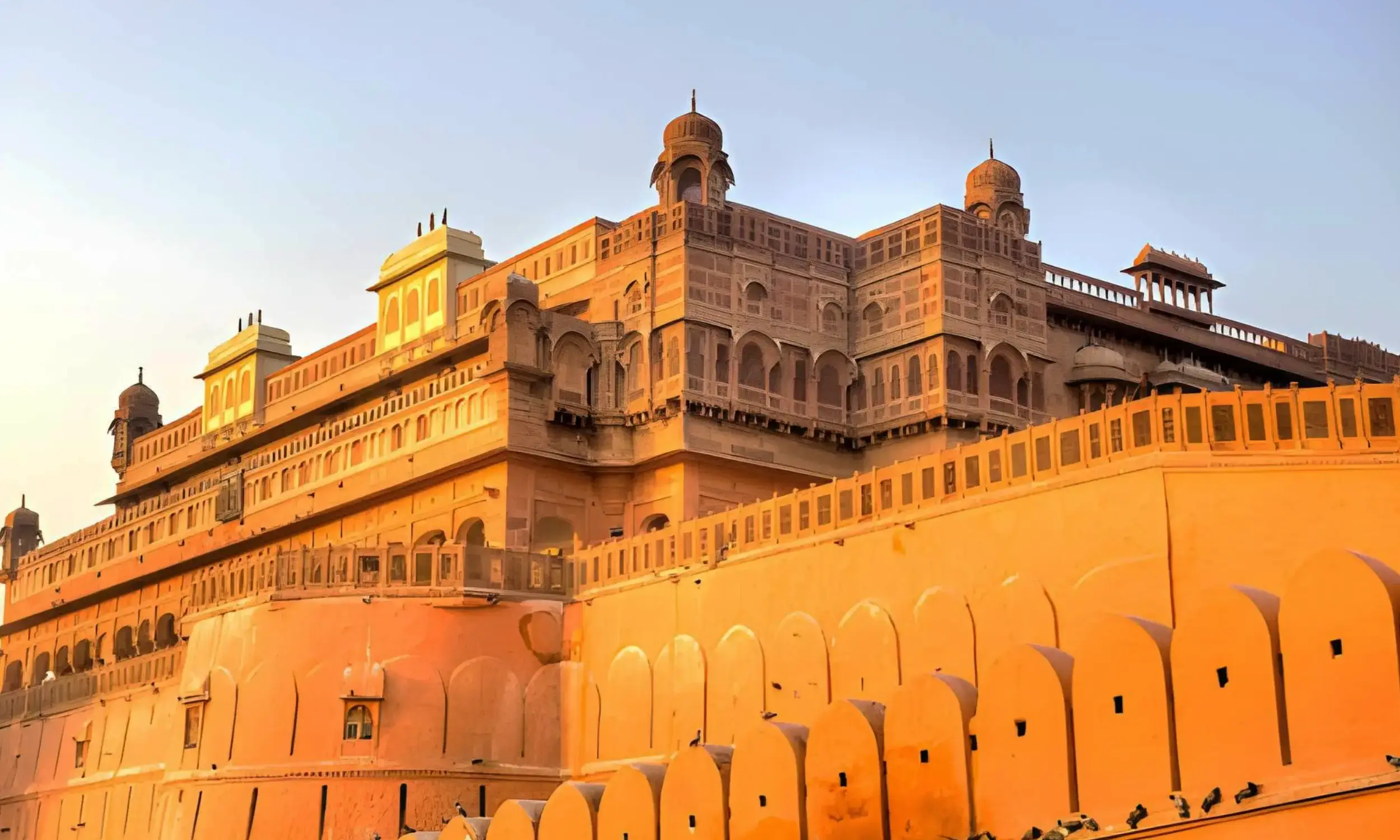
How time flows in Bikaner?
Bikaner moves at a distinctly local pace. Mornings are best spent inside Junagarh Fort or walking past old havelis while the streets are active. By early afternoon, the city slows noticeably: shops close, heat builds, and there is little structured activity beyond cafés or hotel downtime. Evenings remain low-key, with local markets and street food providing brief bursts of life before the city settles early.
What you’ll love in Bikaner?
You’ll love Bikaner if you enjoy quieter cities: impressive forts without crowds, strong local food culture, and offbeat experiences like visiting the Camel Research Centre.
Good to know before you go
How to experience Bikaner well?
Go without expectations of spectacle. Bikaner rewards curiosity.
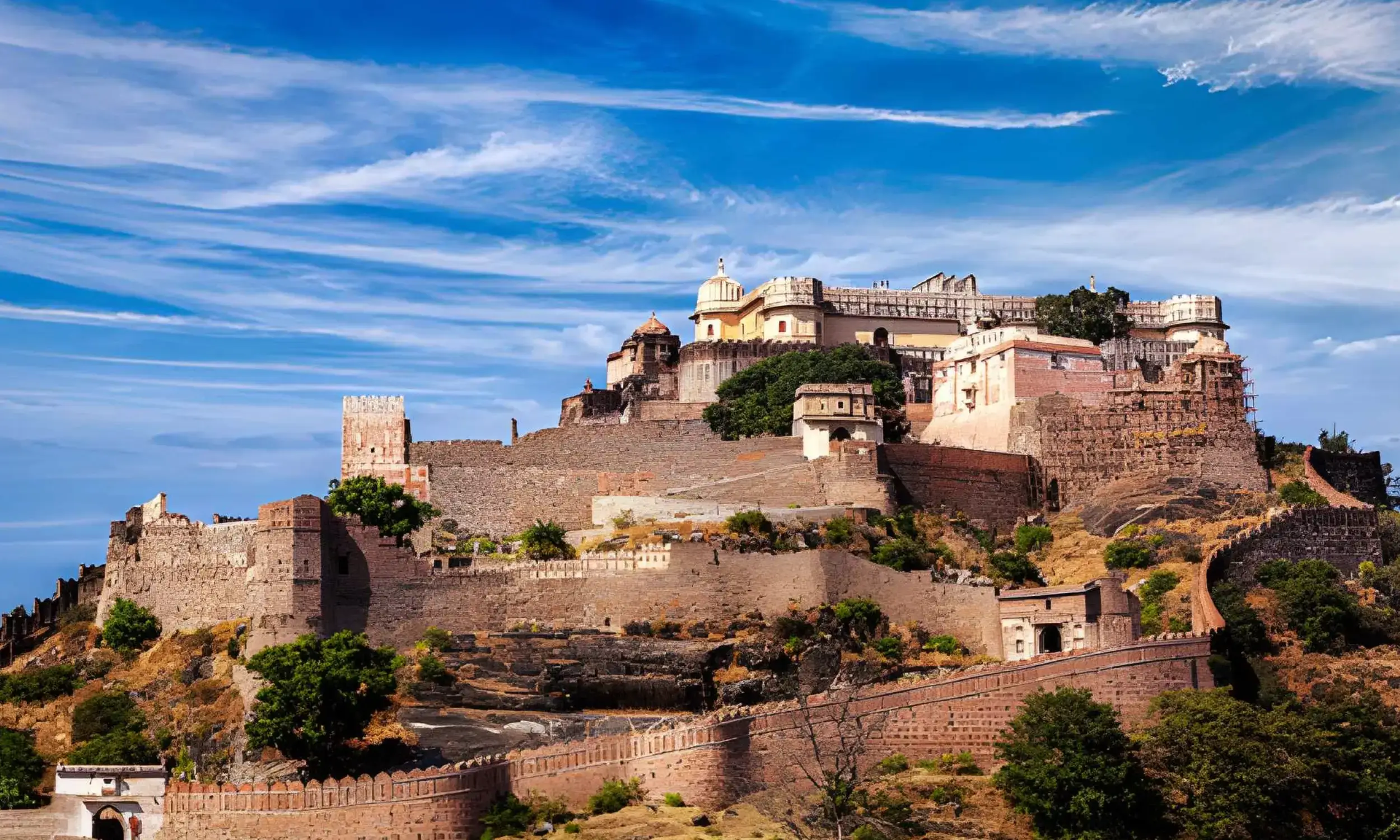
How Time Flows in Kumbhalgarh?
A significant part of the day goes into the drive through forested, winding roads, followed by a slow, uphill exploration of the fort complex. Once inside, time is spent walking long stretches of wall, climbing steps, and moving between widely spaced temples and viewpoints. By evening, activity drops sharply and nights are quiet, making this a destination that naturally winds down early.
What you’ll love in Kumbhalgarh?
You’ll love Kumbhalgarh if scale and solitude impress you; walking along massive fort walls with forests below, taking in wide, uninterrupted views, and exploring a place that feels far removed from cities and crowds. This is less about stories and more about physical presence and landscape.
Good to know before you go
How to experience Kumbhalgarh well?
Treat it as a slow, half-day exploration, not a rushed stop.
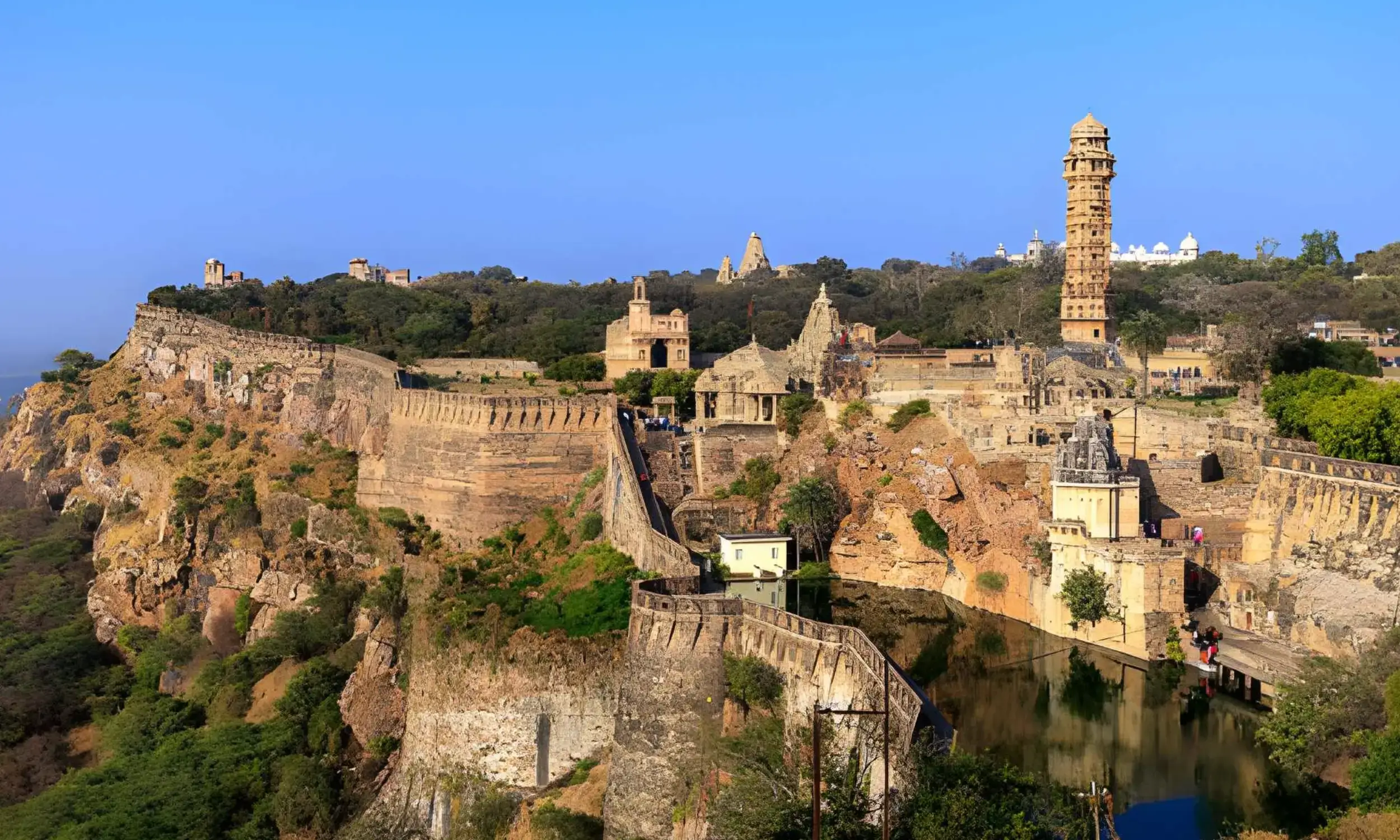
How time flows in Chittorgarh?
Chittorgarh demands time and stamina. The fort is spread across a vast plateau, with long distances between palaces, towers, and temples. Mornings are spent walking, climbing, and moving between sites under the open sun, often for several uninterrupted hours. By afternoon, heat and physical fatigue set in, making it difficult to cover more ground without frequent breaks.
What you’ll love in Chittorgarh?
You’ll love Chittorgarh if history resonates deeply with you, not as a spectacle, but as a weight. The scale of the ruins, the quietness of temples, and the stories of sacrifice embedded in the landscape create a powerful, reflective experience rather than an entertaining one.
Good to know before you go
How to experience Chittorgarh well?
Start early, prioritize key areas, and accept that you won’t see everything. Chittorgarh rewards focus, not completeness.
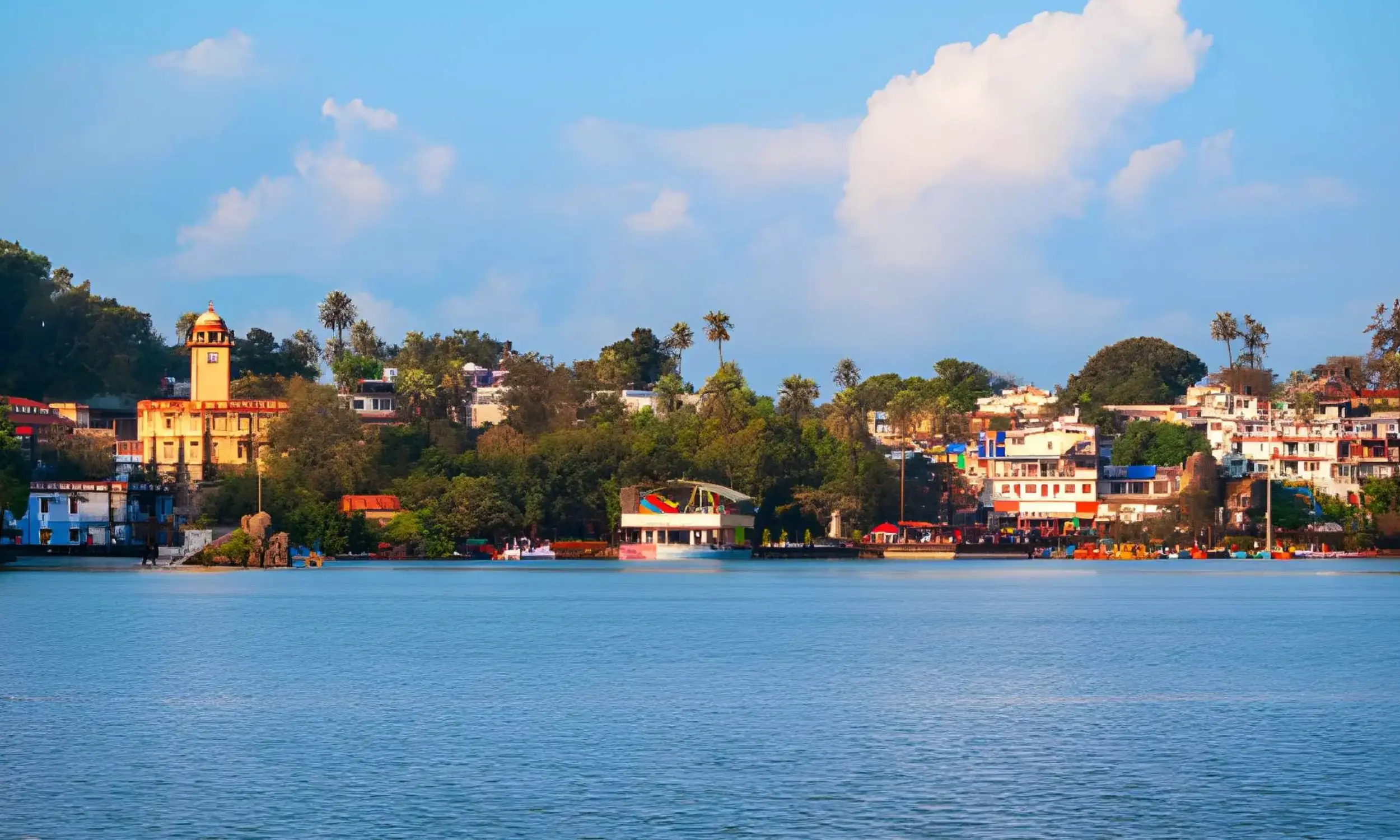
How time flows in Mount Abu?
Mount Abu feels noticeably lighter than Rajasthan’s desert cities. Days are unstructured; short walks, lakeside pauses, temple visits, and café breaks fill the hours rather than scheduled sightseeing. Afternoons are relaxed and informal, while evenings bring cooler air, local crowds, and gentle movement around Nakki Lake before the town settles in for the night.
What you’ll love in Mount Abu?
You’ll love Mount Abu if you’re looking to slow down after an intense itinerary, cooler temperatures, greenery, and the freedom to do very little without feeling like you’re missing out. The Dilwara Temples, with their intricate marble work, are the standout highlight.
Good to know before you go
How to experience Mount Abu well?
Use Mount Abu as a recovery stop rather than a highlight destination. One or two relaxed days are usually enough.
Note: Trying to do all 10 on a first visit often leads to fatigue, not fulfilment.
Rajasthan isn’t about seeing everything; it’s about seeing the right things in the right order. Travelers who slow down remember people, places, and moments; those who rush remember logistics. Thoughtful planning makes all the difference, and that’s exactly how we approach Rajasthan.
So, whenever you are ready to plan with intention, we’re here to help you experience Rajasthan the way it deserves.





 Trekking Tour
 Peak Climbing
 Jeep Safari
 Mountain Biking
 +91-9212553109
 Plan Your trip