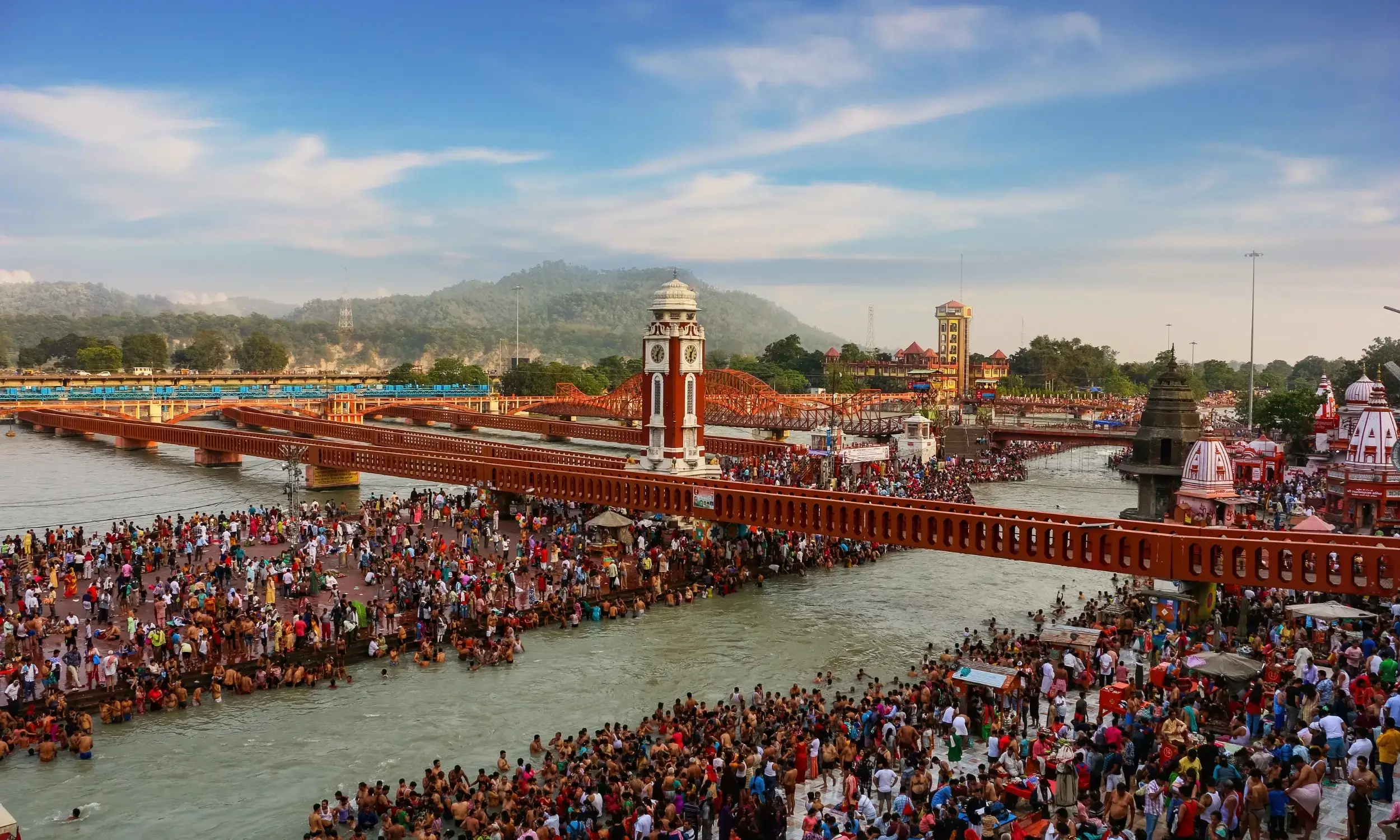
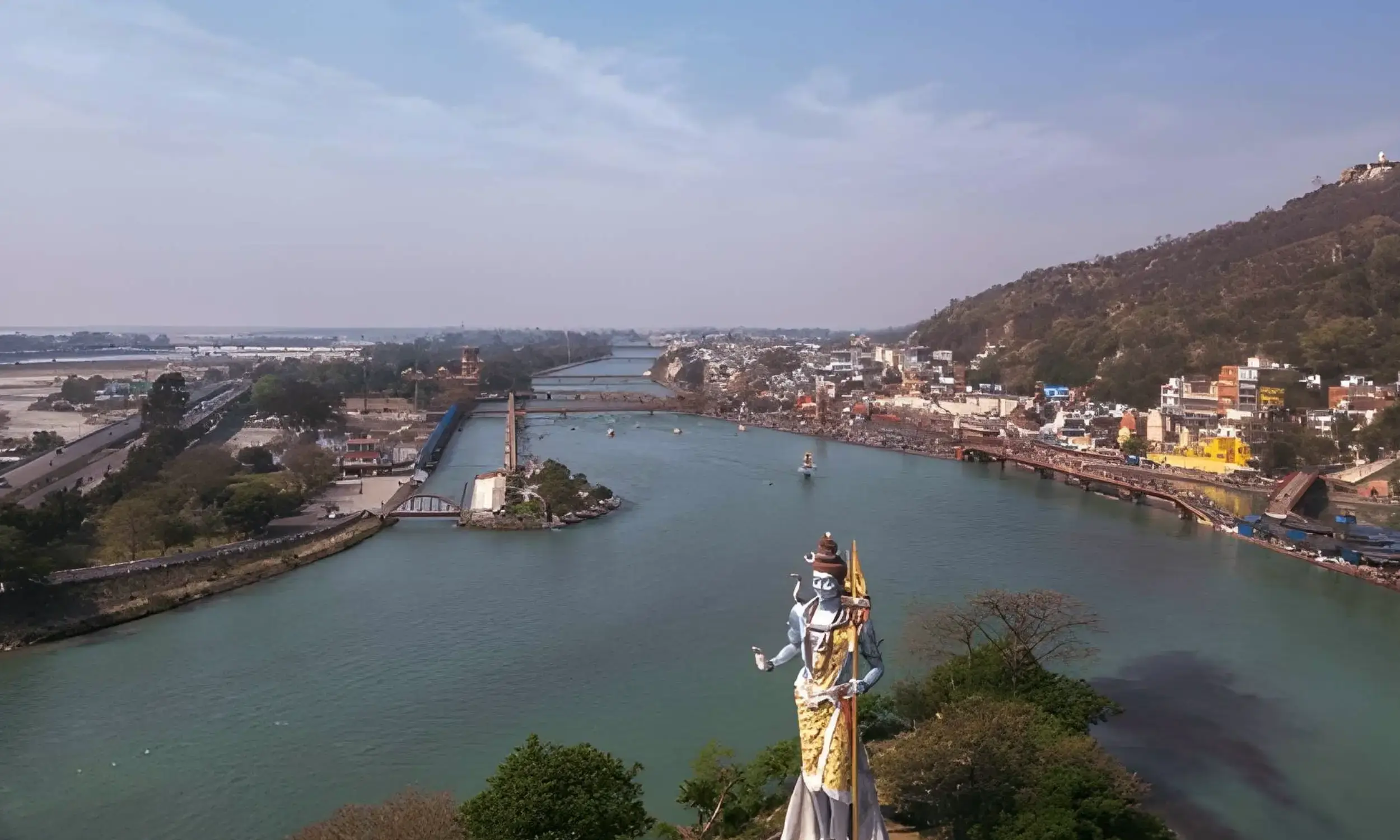
Located in the foothills of the Shivalik ranges, where the sacred Ganges descends from the Himalayas onto the plains, Haridwar stands as one of India's most revered spiritual destinations. This ancient city in Uttarakhand draws millions of visitors each year who come seeking divine blessings, spiritual awakening, and cultural immersion. The name itself translates to "Gateway to God," reflecting its profound religious significance for Hindus worldwide.
What makes tourism in Haridwar truly special is its unique blend of devotion and natural beauty. The sound of temple bells mingles with the rushing waters of the Ganges, creating an atmosphere that feels both timeless and transformative. Be it you're watching thousands of oil lamps float down the river during evening prayers or exploring ancient temples perched on hilltops, every moment here seems spiritual.
Beyond its religious importance, this city serves as a perfect starting point for Himalayan adventures. Many travelers use it as a base before heading to the Garhwal Himalayas and popular tourist destinations like Rishikesh or Mussoorie. The local markets brim with religious artifacts, traditional handicrafts, and authentic North Indian cuisine that adds flavor to the spiritual journey.
From early morning ritual baths in sacred ghats to sunset meditation sessions, Haridwar offers experiences that touch the soul. Modern amenities blend seamlessly with age-old traditions, making it accessible for travelers while preserving its ancient essence.
Explore: Popular Uttarakhand Tourism Packages
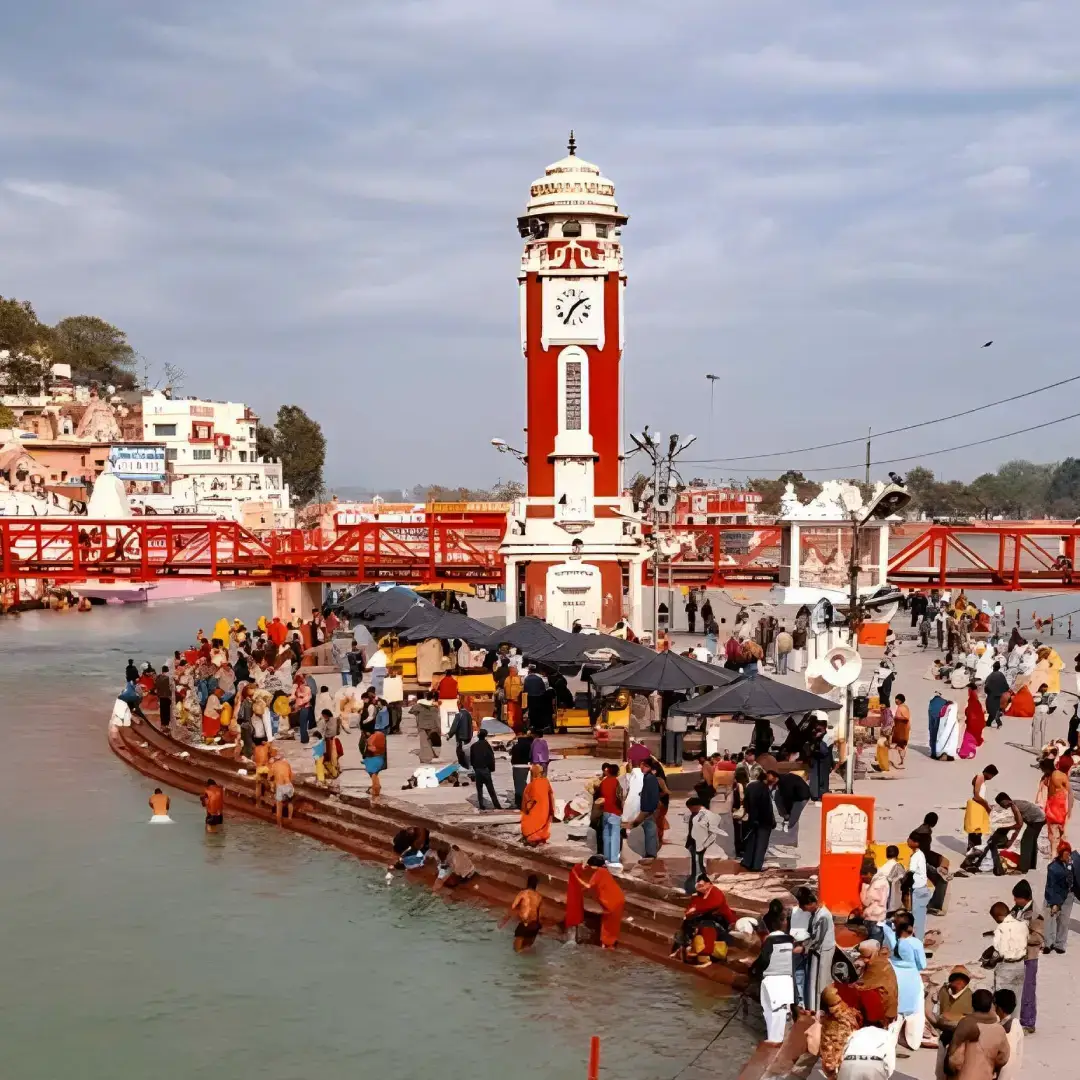
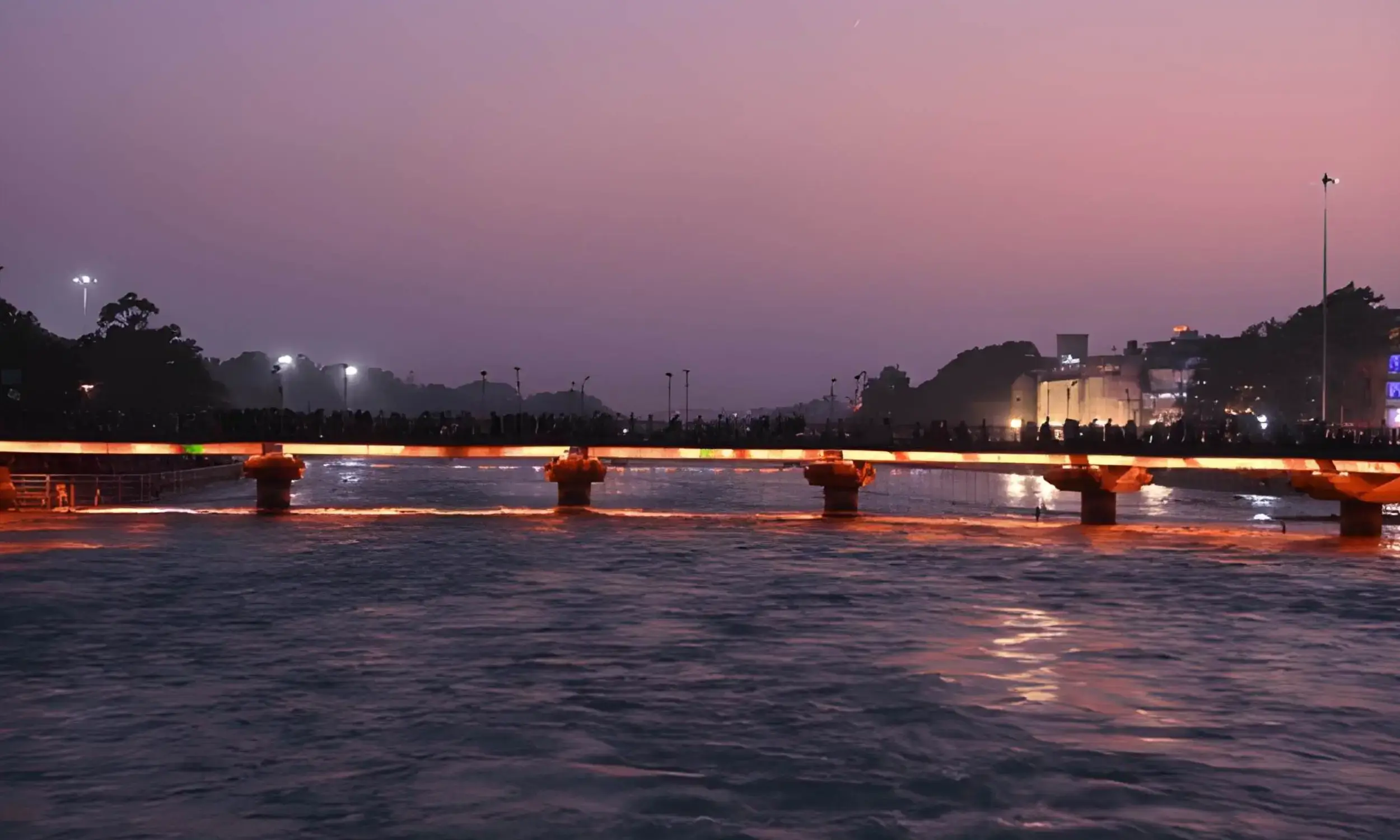
Haridwar's history dates back thousands of years, with mentions in ancient Hindu scriptures, including the Puranas and epics like the Mahabharata. Archaeological evidence suggests continuous habitation since Vedic times, making it one of civilization's oldest living cities. The region was known by various names throughout history: Kapila, Gangadwar, and Mayapuri, each reflecting different aspects of its spiritual identity.
According to mythology, drops of amrita (nectar of immortality) fell here during the legendary churning of the cosmic ocean, establishing it as one of four sites for the Kumbh Mela. Historical records show that the city has witnessed the rise and fall of numerous dynasties, from the Mauryas to the Guptas, each leaving their cultural imprint.
During medieval times, Haridwar became a crucial center for learning and religious discourse. The British colonial period brought infrastructure development, including the railway connection in 1886 that made pilgrimage more accessible. Post-independence, the city has evolved while maintaining its spiritual core, balancing modern development with heritage tourism consciousness.
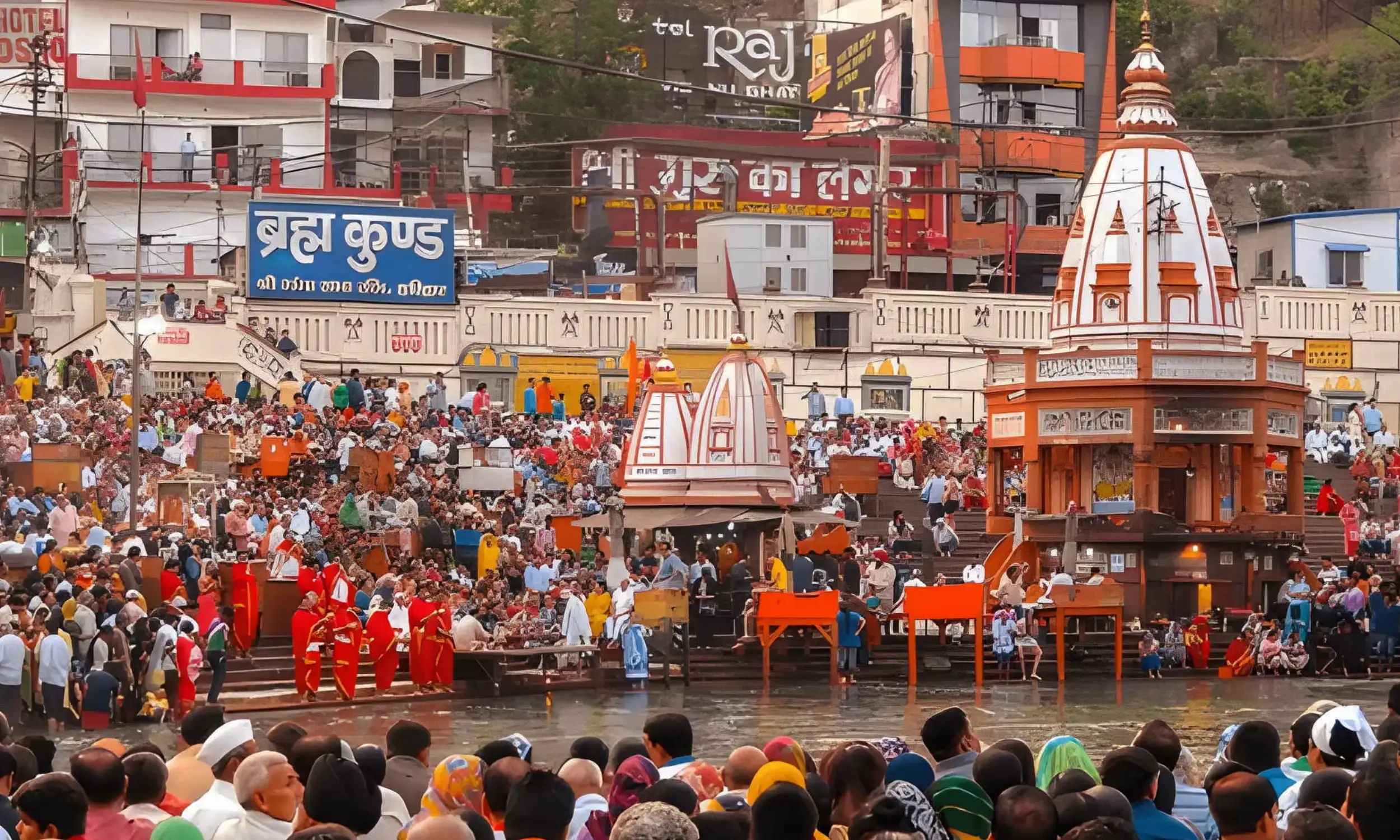
Haridwar ranks among Hinduism's seven holiest cities, drawing devotees who believe that bathing in the Ganges here washes away sins and breaks the cycle of rebirth. The concept of pilgrimage tourism here goes beyond mere sightseeing; it's about participating in rituals that have continued unbroken for millennia. Every six and twelve years, the city transforms during Kumbh Mela, welcoming millions of pilgrims in what becomes the world's largest religious gathering.
Every day, thousands gather at various ghats for ritual immersion, their prayers creating a palpable collective energy that's even noticeable to non-religious visitors. The riverfront becomes a living tapestry of faith, with priests conducting elaborate ceremonies while families perform ancestral rites. This continuous cycle of worship makes it a destination unlike any other.
The city also serves as a gateway for the Char Dham Yatra, the sacred circuit of four Himalayan shrines. Pilgrims traditionally begin their journey here, receiving blessings before ascending into the mountains. This position as a spiritual threshold enhances its importance in India's religious geography, making it essential for those seeking authentic devotional experiences.

While neighboring Rishikesh claims the title of "Yoga Capital," Haridwar has established itself as a significant center for traditional wellness practices. The city hosts numerous ashrams and wellness centers where ancient healing systems are practiced with authentic rigor. Patanjali Yogpeeth, founded by Baba Ramdev, has become a global hub for yoga education and Ayurvedic treatments, attracting those seeking wellnesses from around the world.
Visitors can participate in intensive yoga retreats that combine asana practice with pranayama (breathing exercises) and meditation. These programs often include Ayurvedic consultations where practitioners diagnose imbalances using pulse reading and prescribe personalized herbal treatments. The experience differs from commercialized wellness tourism here; practices remain rooted in scriptural knowledge and traditional lineages.
Morning sessions along the Ganges offer a unique setting for practice, with the river's energy believed to enhance spiritual progress. Many centers also teach ancient texts like the Yoga Sutras, providing a philosophical context to physical practices. This integration of body, mind, and spirit reflects the holistic approach that defines authentic Indian wellness traditions.
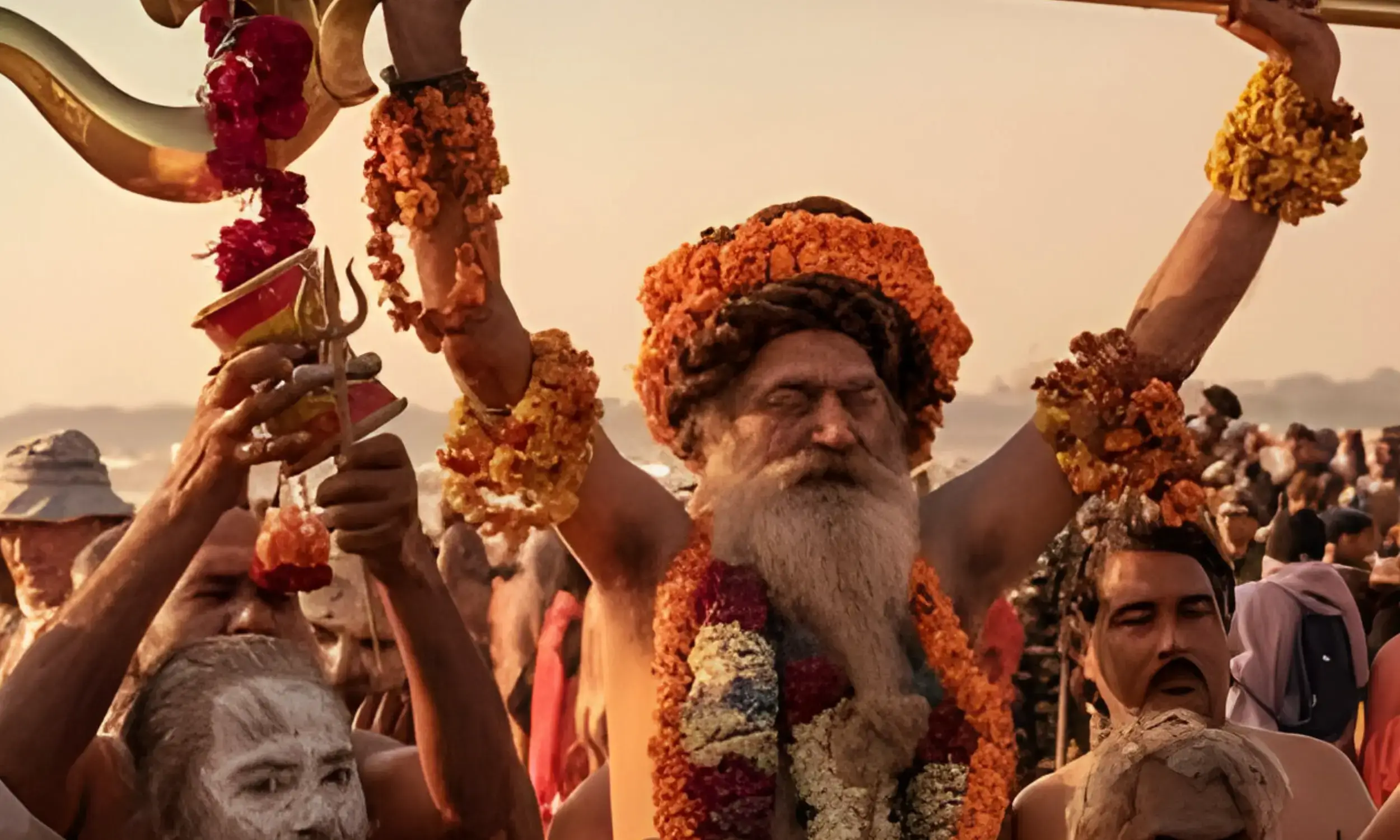
The cultural calendar here pulses with religious celebrations that transform the city into a vibrant spectacle. Kumbh Mela, occurring every twelve years, represents the pinnacle of spiritual gatherings, but even smaller festivals draw substantial crowds. Kavad/Kanwar Mela during July-August sees thousands of Shiva devotees carrying holy water in ornate containers, while Ganga Dussehra celebrates the river's descent to earth with elaborate rituals.
Diwali takes on special significance here, with the entire riverfront illuminated by countless lamps that reflect off the water's surface. During Kartik Purnima, devotees light 3.5 lakh diyas (oil lamps), creating a mesmerizing display that attracts photographers and culture enthusiasts. These festivals offer genuine immersion into living traditions rather than staged tourist performances.
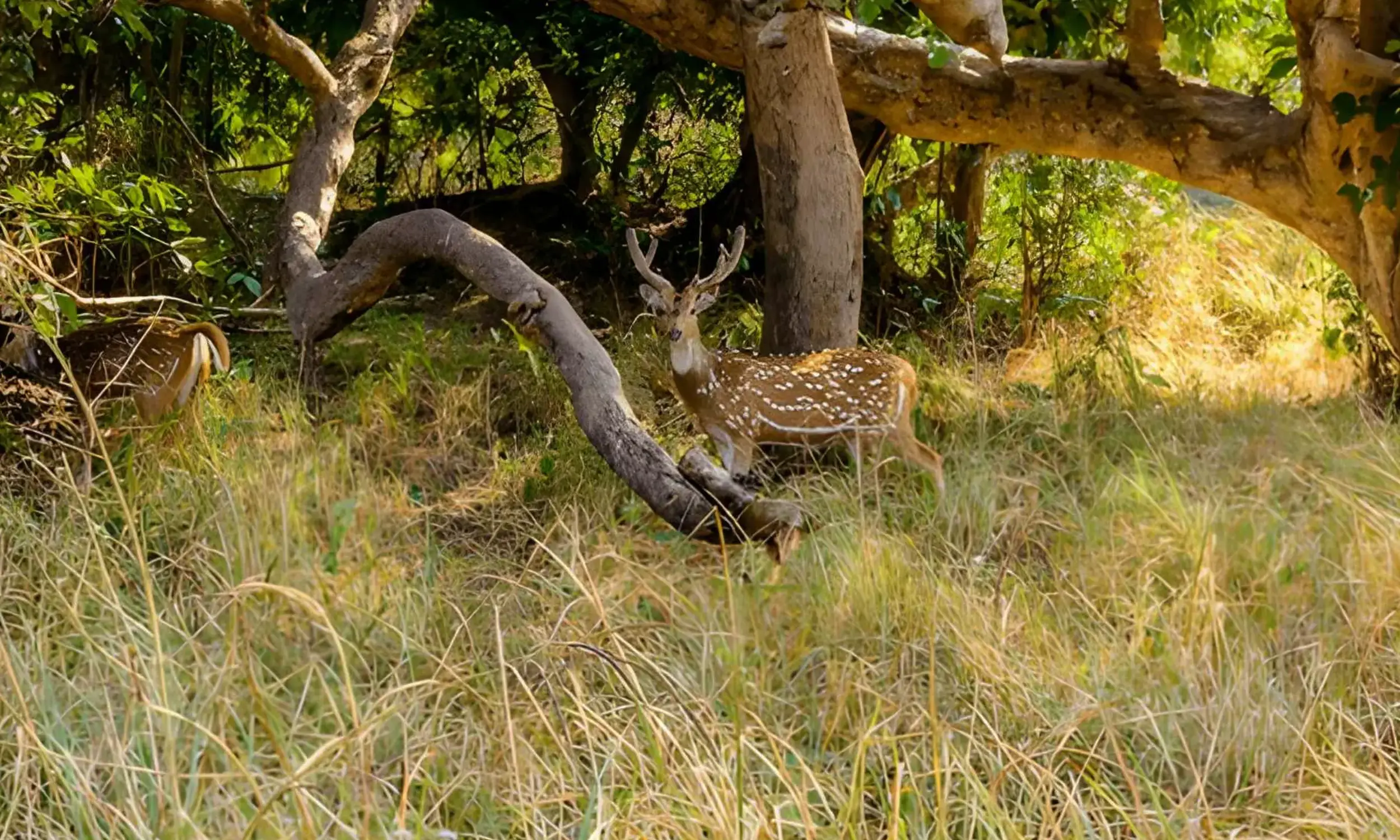
Rajaji National Park, located just a few kilometers from the city center, offers an unexpected dimension to visiting this spiritual destination. Spread across 820 square kilometers, this protected area harbors diverse Himalayan and sub-Himalayan fauna, including elephants, tigers, leopards, and over 315 bird species. The park represents the transition zone between Shivalik foothills and the Indo-Gangetic plains, creating unique ecosystems.
Wildlife enthusiasts can arrange jeep safaris through sal and mixed deciduous forests where elephant herds frequently appear. The park is particularly known for its elephant population, and spotting these gentle giants in their natural habitat provides a thrilling contrast to temple visits. Bird watchers find paradise here, especially during winter when migratory species arrive from Central Asia.
This legendary ghat represents the heart of Haridwar, literally meaning "Footsteps of God." According to tradition, this spot bears the divine footprint of Lord Vishnu. Built by King Vikramaditya in memory of his brother, the ghat features a distinctive stone wall where a large footprint is preserved. The sacred bathing area becomes a theater of devotion throughout the day as pilgrims immerse themselves in the purifying waters.
The stone steps lead down to the fast-flowing Ganges, where priests in traditional attire perform various ceremonies. Families gather for ancestral rites, newlyweds seek blessings, and spiritual seekers meditate along the banks. The architecture combines functionality with religious symbolism, featuring numerous smaller shrines and platforms for different rituals.
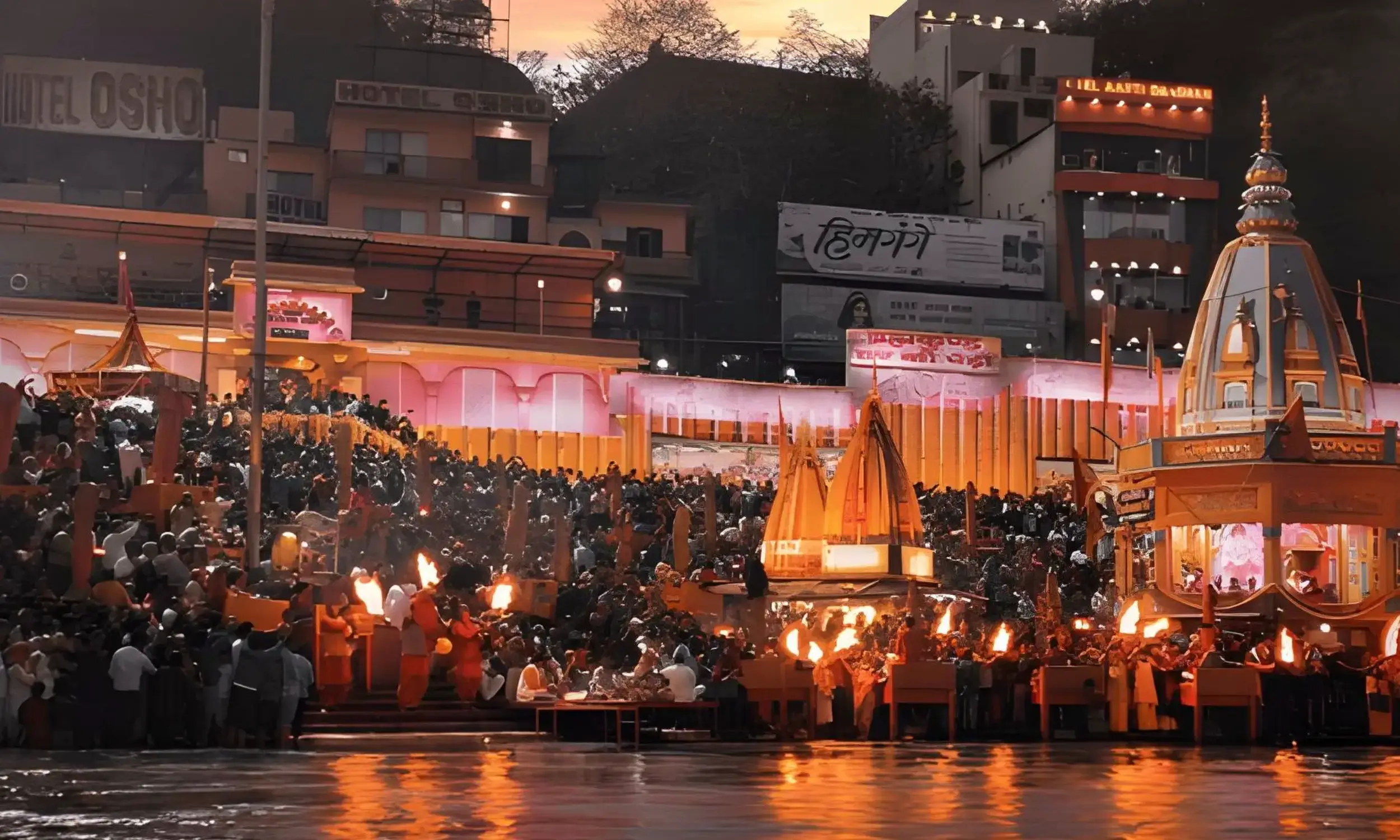
Every evening as dusk settles, Har Ki Pauri transforms into a spectacular arena for one of Hinduism's most beautiful ceremonies. Priests dressed in saffron robes arrange themselves along the ghat, each holding massive fire lamps (diyas) mounted on stands. As conch shells sound and bells ring, they begin synchronized movements, waving the flames in elaborate patterns while chanting ancient Vedic hymns.
The ceremony honors the Ganges as a goddess and divine mother, with offerings of fire, flowers, and incense. Hundreds of smaller oil lamps are simultaneously floated on the river, creating a mesmerizing path of light that drifts downstream. The entire riverfront glows with an ethereal radiance while devotional songs amplify through loudspeakers, creating a multisensory experience.
Perched atop Bilwa Parvat, this temple dedicated to Goddess Mansa Devi offers both spiritual significance and panoramic city views. According to belief, the goddess fulfills devotees' wishes (mansa means "wish"), making it one of the region's most visited shrines. The temple's origins trace back to the 19th century, though the site held religious importance much earlier.
Visitors can reach the summit via a steep three-kilometer trek or take the aerial ropeway that provides stunning views during the ascent. The cable car journey itself becomes an attraction, offering bird's-eye perspectives of the Ganges and surrounding landscape. At the top, two main deities are worshipped: one with three mouths and five arms, and another with eight arms.
The temple complex includes smaller shrines and a large courtyard where priests perform pujas (worship ceremonies). Devotees tie sacred threads on temple trees, believing this helps their wishes materialize. The hilltop location provides a peaceful contrast to the bustling city below, making it ideal for contemplation. The best places to visit in Haridwar often include this temple for its combination of spirituality and scenic beauty.
Situated atop Neel Parvat on the opposite bank from Mansa Devi Temple, this 8th-century shrine honors Goddess Chandi, a fierce form of Shakti. Legend states that Adi Shankaracharya established the temple after the goddess defeated demon kings Shumbha and Nishumbha here. The ancient idol draws devotees seeking protection and spiritual strength.
The three-kilometer uphill trek through forested paths offers a more physically engaging pilgrimage than the ropeway option. The trail provides glimpses of local flora and occasional wildlife while testing one's stamina and determination. For those preferring convenience, the cable car system operates year-round, weather permitting.
Located in Kankhal, about four kilometers south, this temple commemorates a tragic mythological event involving Lord Shiva. According to the Puranas, King Daksh Prajapati organized a grand yagna (fire sacrifice) but deliberately excluded his daughter Sati and son-in-law Shiva. When Sati learned of this insult, she attended anyway, only to be humiliated publicly. Unable to bear the dishonor, she immolated herself in the sacrificial fire.
The enraged Shiva sent his fierce manifestations, who destroyed the ceremony and beheaded Daksh. Later, moved by other gods' pleas, Shiva restored Daksh to life with a goat's head. This temple marks the site of that legendary yagna, making it significant for understanding Hindu mythology's narratives.
The temple complex features beautiful architecture with intricate carvings depicting various deities and mythological scenes. The main shrine houses a Shiva lingam alongside images of Daksh and Sati. Peaceful gardens surround the temple, providing space for quiet reflection. The site attracts fewer crowds than central locations, offering a more intimate spiritual experience. Its connection to Shiva and Shakti worship makes it particularly important for understanding tantric traditions.
This unusual eight-story temple, inaugurated by Prime Minister Indira Gandhi in 1983, represents India itself rather than a particular deity. Each floor showcases different aspects of Indian civilization, culture, and history through statues, paintings, and relief maps. The ground floor displays a marble relief map of undivided India carved to geographical specifications.
Upper floors honor freedom fighters, historical rulers, religious reformers, and cultural icons who shaped the nation. The diversity represented here, from ancient sages to modern scientists, and from warrior queens to peaceful activists, illustrates India's multifaceted identity. This concept of worshipping the motherland as divine reflects intense patriotic devotion.
The temple's modern architecture contrasts sharply with ancient shrines elsewhere in the city. Educational displays provide historical context that enhances understanding of India's complex past. The top floor offers excellent city views and a space for contemplation about national identity and cultural heritage. School groups frequently visit, making it important for heritage tourism and civic education.
Among Uttarakhand's oldest structures, this temple dedicated to Goddess Maya Devi represents one of the Shakti Peethas, sacred sites where parts of Goddess Sati's body fell during Shiva's cosmic dance of grief. According to tradition, her heart and navel fell here, sanctifying the location eternally. The temple's ancient origins predate most other local shrines.
The architecture reflects several renovation periods, with the current structure built in the 11th century. Three main deities are worshipped inside: Maya Devi flanked by goddesses Kali and Kamakhya. The sanctum's atmosphere feels particularly intense, with constant worship creating powerful spiritual vibrations. Priests perform elaborate rituals throughout the day, and the smell of incense permeates the entire complex.
Historically, the city derived one of its ancient names, Mayapuri, from this temple's presence. Despite lacking the dramatic hilltop location of other shrines, it maintains tremendous importance among devout Hindus. The surrounding market area bustles with shops selling religious items, making the visit both spiritual and culturally immersive. Many pilgrims consider their journey incomplete without visiting this ancient power seat.
Located about five kilometers from the city center, this peaceful ashram marks the spot where seven great sages (Sapt Rishis) meditated in ancient times. According to legend, the Ganges divided into seven channels here to avoid disturbing their penance. The ashram sits beside the river, offering a serene environment distinctly different from the crowded central ghats.
The complex includes temples dedicated to the seven rishis and Lord Shiva. Well-maintained gardens and meditation halls provide spaces for spiritual practice and contemplation. The flowing river creates soothing background sounds that enhance meditative experiences. Many visitors come specifically for the tranquil atmosphere, escaping the intensity of more popular locations.
This massive yoga and Ayurveda institution, founded by Baba Ramdev and Acharya Balkrishna, has become a global phenomenon since its 2006 establishment. The sprawling campus includes a research center, university, hospital, and manufacturing facilities for Ayurvedic medicines. The architectural complex combines modern design with traditional elements, creating an impressive visual statement.
Visitors can tour the herbal garden showcasing medicinal plants used in Ayurvedic treatments. The research facilities demonstrate how ancient knowledge integrates with modern scientific methods. Daily yoga sessions open to visitors provide instruction in authentic yogic practices from qualified teachers. The on-site clinic offers consultations where Ayurvedic doctors assess conditions and prescribe natural treatments.
Founded in 1971 by Pandit Shriram Sharma Acharya, this spiritual and social organization focuses on moral regeneration and cultural awakening. The headquarters sprawls across extensive grounds, functioning as an ashram, research center, and training facility. The organization promotes Gayatri mantra practice and conducts programs on value-based living, environmental conservation, and holistic health.
The campus includes the Akhand Jyoti temple, where a perpetual flame burns, symbolizing eternal wisdom. Beautifully landscaped gardens provide peaceful walking paths, while architectural structures blend traditional and contemporary styles. Visitors can participate in morning and evening prayer sessions that include Gayatri mantra chanting and Vedic hymns.
Established in 1983 by merging three sanctuaries, this protected area spans parts of the Haridwar, Dehradun, and Pauri Garhwal districts. Named after C. Rajagopalachari, independent India's first Indian Governor-General, the park preserves critical Himalayan foothills habitat. The landscape ranges from broad-leafed deciduous forests in valleys to pine-dominated forests at higher elevations.
The park's flagship species is the Asian elephant, with a population of around 500 individuals. Tiger and leopard sightings, though less common, do occur during safaris. Other mammals include sloth bears, jackals, hyenas, and several deer species. The Ganges and its tributaries flowing through the park support diverse aquatic life and attract water birds.
Take a Holy Dip in the Ganges
The quintessential Haridwar experience involves immersing yourself in the sacred river at dawn when the water reflects pink and orange sunrise hues. The ritual bath, performed with specific prayers and intentions, connects you to centuries of tradition. Major ghats like Har Ki Pauri, Subhash Ghat, and Gau Ghat each offer slightly different experiences. Priests available at ghats can guide you through proper procedures if you wish to perform traditional rituals. The cold mountain water provides a bracing, invigorating sensation that many describe as spiritually cleansing, regardless of religious belief.
Attend the Evening Ganga Aarti
Visit Har ki Pauri and position yourself along the ghat's stone steps about an hour before sunset to secure good viewing spots for this magnificent ceremony. Watch as the entire riverfront transforms into a theater of devotion with hundreds of lamps creating patterns of light on the water's surface. The synchronized movements of priests, collective chanting, and floating diyas create an unforgettable multisensory experience. Consider purchasing a small diya from nearby vendors to participate by floating your own lamp on the river, making a silent wish as tradition suggests.
Explore Ancient Temples
Beyond the major shrines, dozens of smaller temples throughout the city reward exploration. Each has unique architectural features, deity specializations, and local legends. Hire a knowledgeable guide who can explain symbolism in temple carvings, architectural elements, and ritual practices. Morning visits allow observation of daily worship routines when priests perform elaborate pujas with minimal crowds. Temple photography may be restricted in inner sanctums, so always ask permission before capturing images.
Trek to Hilltop Temples
The physical journey to Mansa Devi and Chandi Devi temples via walking trails provides spiritual benefits that cable cars cannot replicate. The uphill climbs challenge your stamina, while forest surroundings offer natural beauty and quiet contemplation. Start early to avoid midday heat and carry water bottles for hydration. The sense of accomplishment upon reaching the summit enhances the spiritual experience, as pilgrimage traditions emphasize effort and dedication as part of worship.
Practice Yoga by the River
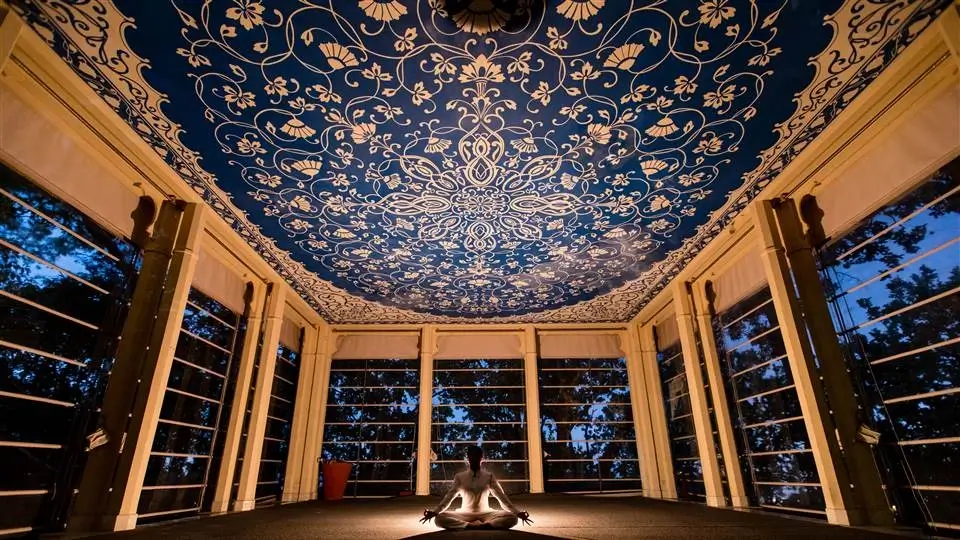
Many ghats and ashrams offer early morning yoga sessions overlooking the Ganges. The flowing water, bird songs, and mountain air create ideal conditions for practice. Sessions typically combine physical postures with breathing exercises and meditation. Some centers provide drop-in classes, while others require advance registration. Practitioners at all levels find appropriate instruction, from beginners learning basic poses to advanced students exploring subtle energy practices. The experience of Surya Namaskar (sun salutations) while the sun actually rises over the river holds particular beauty.
Shop at Local Markets
The lanes around Bara Bazaar overflow with items specific to spiritual tourism: brass deities, rudraksha beads, copper puja vessels, religious texts, incense, and traditional clothing. Bargaining is expected and part of the shopping experience. Local sweets and snacks make excellent edible souvenirs. Small shops sell genuine Ayurvedic preparations and herbal products. The markets themselves provide cultural immersion, with colorful displays, enthusiastic vendors, and the constant flow of pilgrims creating vibrant energy.
Experience Ayurvedic Treatments
Several authentic wellness centers offer consultations with qualified Ayurvedic physicians who assess your constitution through pulse diagnosis and prescribe personalized treatments. Massages using herbal oils, Panchakarma detoxification programs, and yoga therapy address various health concerns using natural methods. Treatments range from single-session massages to multi-week intensive programs. The holistic approach considers physical, mental, and spiritual dimensions of health, offering insights beyond conventional medical models.
Take a Day Trip to Rishikesh
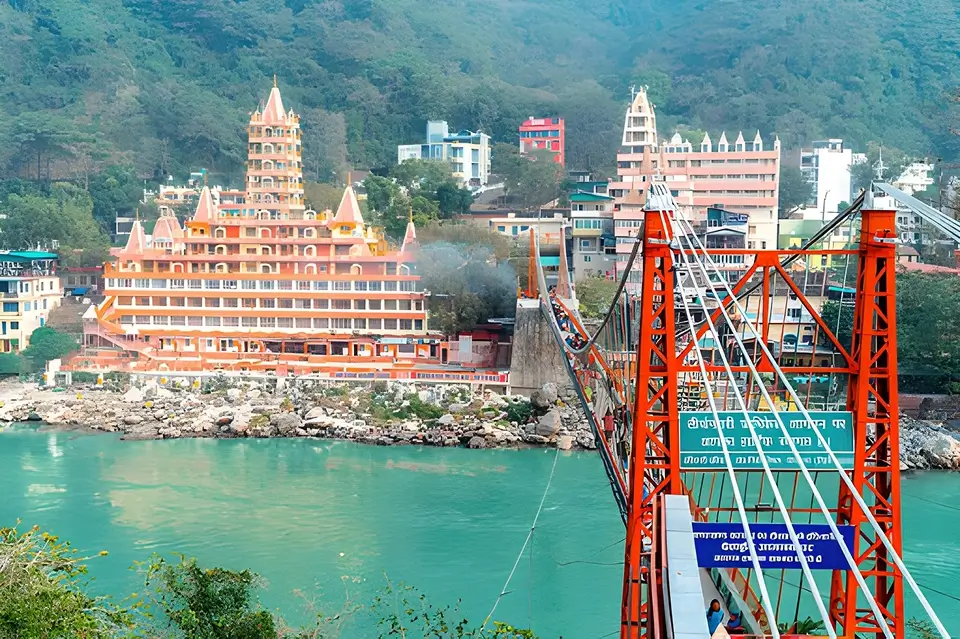
Just 25 kilometers upstream, Rishikesh offers complementary experiences, including adventure activities like river rafting, cliff jumping, and bungee jumping. The famous Laxman Jhula suspension bridge, Beatles Ashram with its vibrant graffiti, and numerous yoga schools provide different cultural flavors. Many visitors split their time between both cities to experience Haridwar's traditional religious atmosphere and Rishikesh's more international spiritual scene.
Participate in Satsang
Evening spiritual gatherings at various ashrams feature devotional singing (bhajans), religious discourses, and meditation sessions. These satsangs provide insight into Hindu philosophical concepts and devotional practices. The participatory nature encourages involvement through clapping, singing, and collective prayer. Even without understanding Hindi, the musical elements and communal energy create moving experiences. Shantikunj and other major ashrams hold regular sessions open to visitors.
Enjoy Local Cuisine
Street food stalls and small restaurants serve authentic North Indian vegetarian fare. Must-try items include chole bhature (spicy chickpeas with fried bread), aloo puri (potatoes with puffed bread), lassi (yogurt drink), and various sweets like jalebi and gulab jamun. The city's sacred status means no meat or alcohol is served, encouraging exploration of vegetarian culinary traditions. Meals at ashram dining halls (bhandara) offer simple, sattvic food prepared according to yogic principles, often served free or for minimal donations.

Accommodation options in Haridwar range from luxury hotels to budget guesthouses and ashrams. Five-star properties like Haveli Hari Ganga and The Gateway Resort offer upscale amenities, including spas, swimming pools, and river-facing rooms with modern conveniences.
Mid-range hotels in Haridwar near the railway station and bus stand provide comfortable stays. Properties offer clean rooms, in-house restaurants, and helpful staff familiar with local attractions. Many mid-range options include rooftop restaurants where you can dine with river views.
Budget travelers find numerous guesthouses and dharamshalas (pilgrimage hostels). While basic, these provide clean accommodation near major ghats. Some ashrams offer very affordable stays that include meals and participation in spiritual programs. These immersive experiences appeal to those seeking authentic cultural engagement beyond typical tourism.
Winter Season (October to March)
October through March is the optimal visiting period when pleasant weather makes sightseeing comfortable. Winter mornings can be chilly, especially near the water, so pack warm clothing. Clear skies and moderate temperatures create ideal conditions for temple visits, trekking, and attending outdoor ceremonies. The Ganga Aarti feels particularly special during winter evenings when the cool air carries the sound of bells and chants across the water. December and January bring the coldest temperatures, sometimes dipping to 5°C at night, making warm layers essential for early morning ritual baths. However, the crisp air and bright sunshine create perfect conditions for exploring hilltop temples and enjoying outdoor activities. This season sees the highest number of domestic and international visitors seeking the best time to visit Haridwar, so book accommodations well in advance.
Summer Season (April to June)
April and May bring increasing heat that can make daytime exploration challenging. However, these months see fewer crowds except during specific festivals. Early morning and evening activities remain pleasant, while midday hours are best spent indoors or in air-conditioned spaces. The fierce sun requires sunscreen, hats, and frequent hydration. June marks the transition toward monsoon, with occasional pre-monsoon showers providing temporary relief from the heat. Despite higher temperatures, summer remains a viable time for those who can handle warm weather and prefer avoiding peak season crowds. Hotel rates often drop during these months, offering budget-friendly opportunities for Haridwar tourism. Many pilgrims still visit during this period to perform religious rituals despite the challenging climate conditions.
Monsoon Season (July to September)
Monsoon season brings heavy rainfall that can disrupt travel plans and occasionally cause flooding near the river. The Ganges swells dramatically, sometimes making ghat access difficult. However, the landscape turns lush green, and reduced tourist numbers create peaceful temple experiences. Kavad/Kanwar Mela during this period attracts dedicated pilgrims despite weather challenges. The rain-washed temples and misty mountain views offer a different kind of beauty that appeals to photographers and nature lovers. Rainfall can be unpredictable, ranging from light drizzles to intense downpours. Travel insurance becomes particularly important during this season due to potential weather-related disruptions. While not traditionally considered among the best places to visit in Haridwar season-wise, monsoon offers unique spiritual experiences for adventurous travelers willing to embrace nature's raw power.
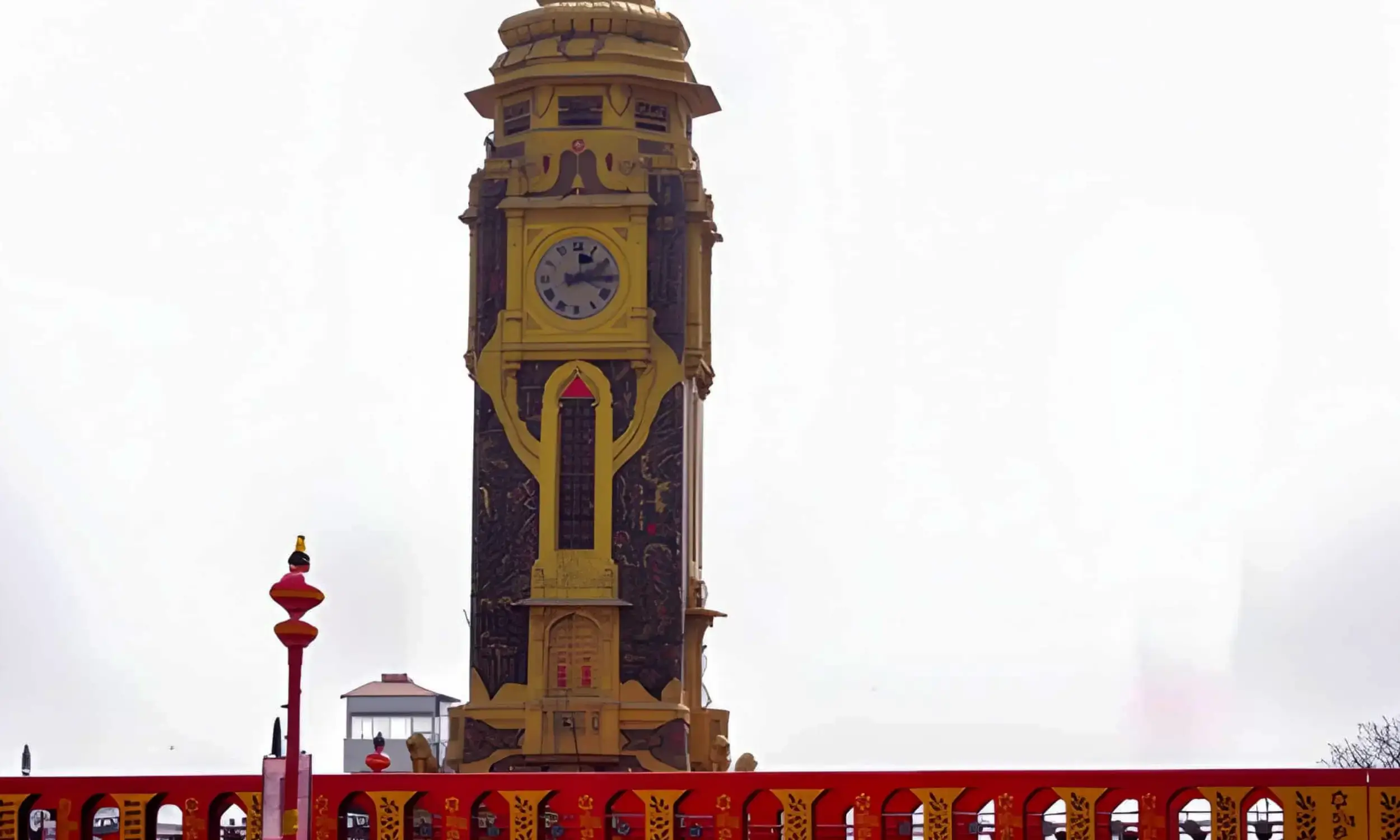
By Air
Jolly Grant Airport in Dehradun, situated 35 kilometers away, is the nearest airport with regular flights from Delhi, Mumbai, and Bangalore. Prepaid taxi services at the airport are available for the hour-long drive to Haridwar. App-based cab services like Ola and Uber also operate from the airport. Some hotels arrange airport transfers for guests if requested during booking.
By Train
Haridwar Junction railway station connects directly to major Indian cities through numerous daily trains. The Shatabdi Express from Delhi covers the distance in about four hours, offering comfortable chair car or executive class seating. Overnight trains from Mumbai, Kolkata, and other distant cities provide sleeper and air-conditioned options. Book tickets well ahead during festival seasons when trains fill quickly.
By Road
National Highway 334 connects Haridwar to Delhi (220 km) and other North Indian cities with excellent road conditions. State-run Uttarakhand Transport Corporation buses operate regular services from major cities at economical fares. Private operators like Volvo and luxury coaches provide comfortable overnight journeys. Self-driving remains popular, though mountain road conditions require experienced drivers and well-maintained vehicles. Shared taxis from Rishikesh or Dehradun offer economical transport for budget travelers.








 Trekking Tour
 Peak Climbing
 Jeep Safari
 Mountain Biking
 +91-9212553109
 Plan Your trip