
4 Nights / 5 Days
Price : On Request
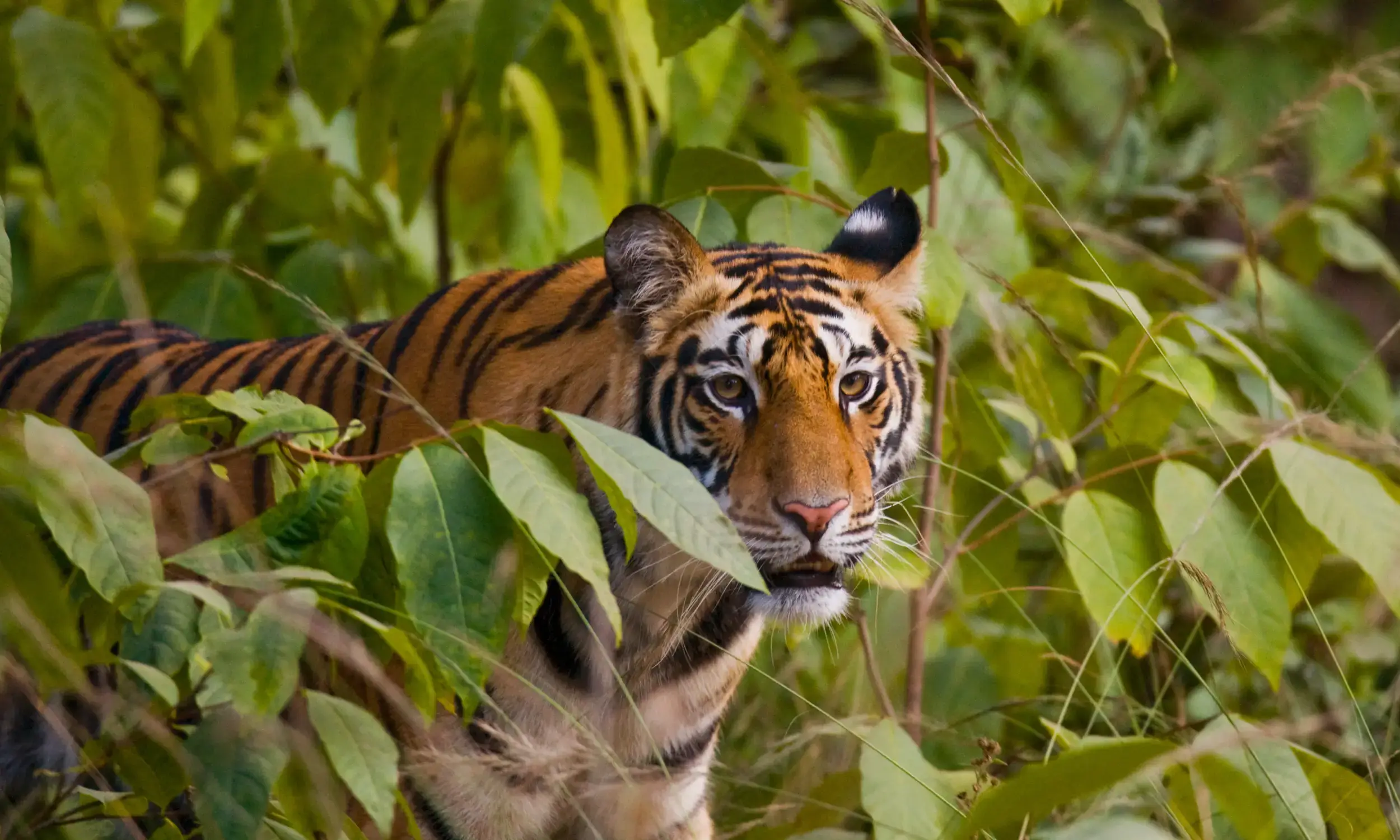
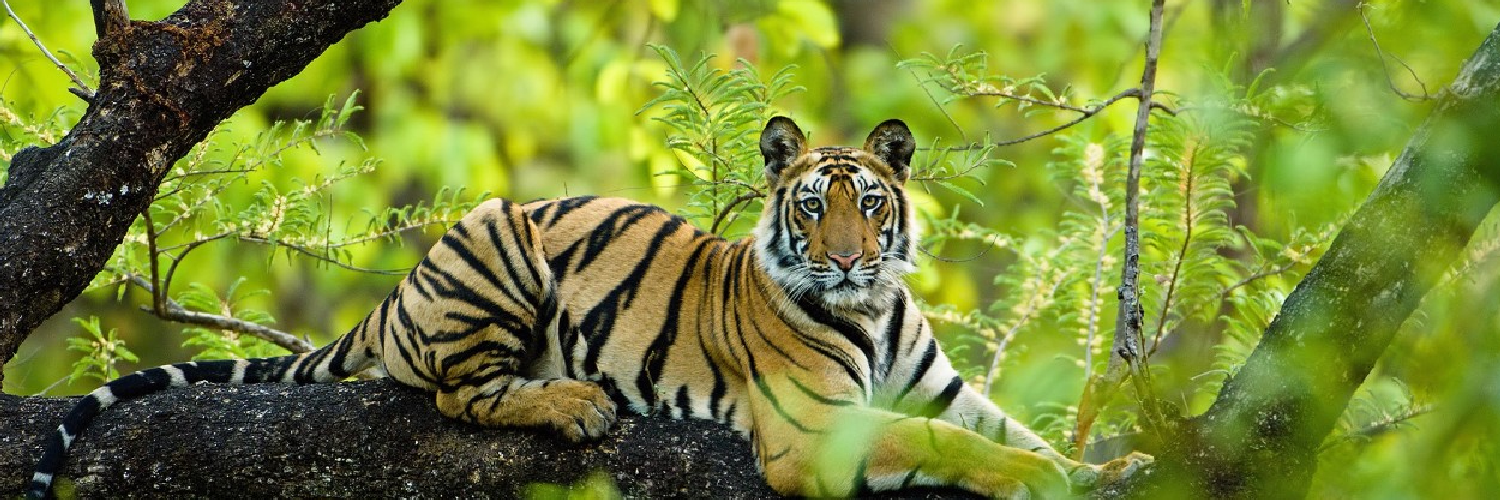
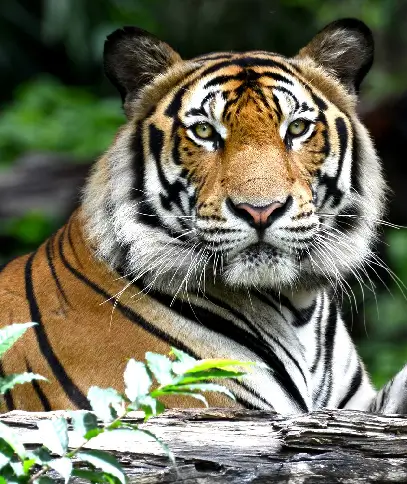
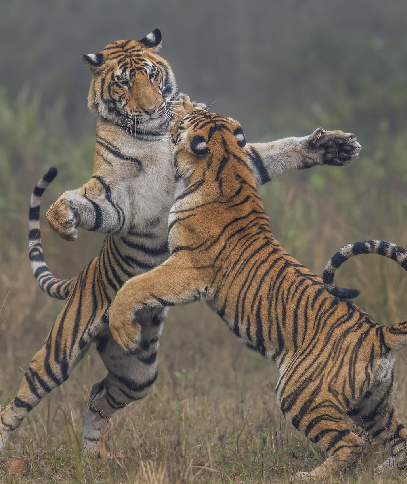
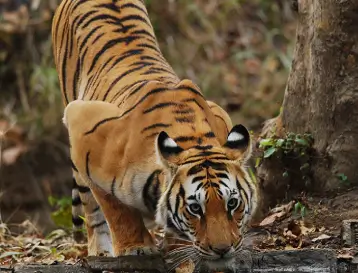
Named after the myth roused of Bandhavgarh Fort belonging to Lakshman given by Lord Ram and thus becoming Brother’s Fort, the park has many lures to keep the enthusiasts busy for their duration of wildlife adventure holidays. With its location in one of the most naturally gifted state of India which is Madhya Pradesh, travelers and explorers by nature are bound to come to this home of Royal Bengal Tigers in Umaria district.
Due to the success of Project Tiger, the population of this species has strengthened significantly, so much so that people are considered unlucky if they could not spot a tiger here. Though sighting tigers is a prominent fun activity, rest of the wildlife holds the needed attention like leopards, Caracal, variety of deer etc. The list also includes an enviable avifauna, without which no ecosystem can ever be complete.For more information about this must-see wildlife park visit website- Bandhavgarh-National-Park.com
Bandhavgarh stands as a timeless symbol of India’s rich biodiversity. Nestled in the Vindhya Hills of Madhya Pradesh, it has a core area of 453 sq km and a larger tiger reserve of over 1,100 sq km. The park is globally renowned for having one of the highest densities of Bengal tigers, making it one of the most rewarding wildlife destinations in India.
Declared a national park in 1968 and later incorporated under Project Tiger in 1993, Bandhavgarh today shelters leopards, sloth bears, gaur, deer species, and over 250 species of birds. Beyond its wildlife, Bandhavgarh holds monumental cultural importance, with the 2,000-year-old Bandhavgarh Fort rising dramatically over the forest.
With its bamboo groves, rolling grasslands, water bodies, and sacred monuments, Bandhavgarh remains a top destination for wildlife enthusiasts, photographers, and cultural travelers, a place where nature, heritage, and conservation coexist in extraordinary harmony.
Bandhavgarh is a vibrant mosaic of tropical moist deciduous vegetation, where towering sal trees, dense bamboo thickets, flowering shrubs, and over 600 plant species shape one of Central India’s richest habitats. Its diverse layers of vegetation support herbivores, stabilize the ecosystem, and create the scenic meadows and slopes.
| Category | Species / Description |
|---|---|
| Dominant Forest Type | Tropical moist deciduous forests |
| Major Trees | Sal (Shorea robusta), Saj, Dhaora, Tendu, Arjun, Mahua |
| Secondary Vegetation | Bamboo groves, especially along slopes |
| Flowering Plants | 600+ species, including aquatic plants & herbs |
| Ecosystem Role | Supports herbivores like deer & gaur, stabilizes soil, preserves water sources |
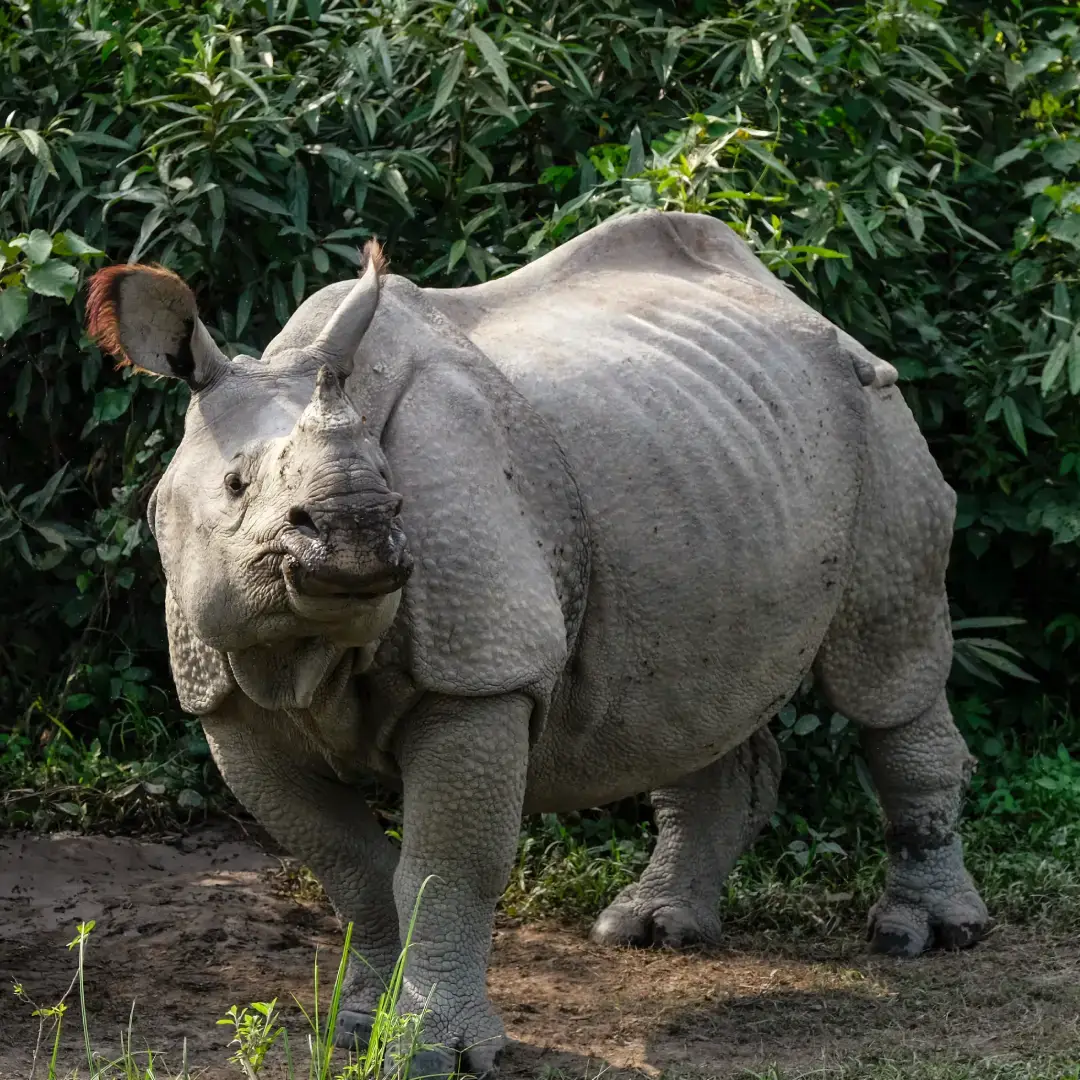
The wildlife diversity of Bandhavgarh is one of its greatest strengths, dominated by the majestic Bengal tiger but supported by an intricate web of predators, herbivores, reptiles, and over 250 bird species. From elusive leopards and sloth bears to vibrant kingfishers and soaring eagles, the park’s fauna thrives across its meadows, forests, and waterbodies.
| Category | Species Found |
|---|---|
| Flagship Species | Bengal Tiger |
| Major Carnivores | Leopard, Sloth Bear, Wild Dog (dhole), Jungle Cat |
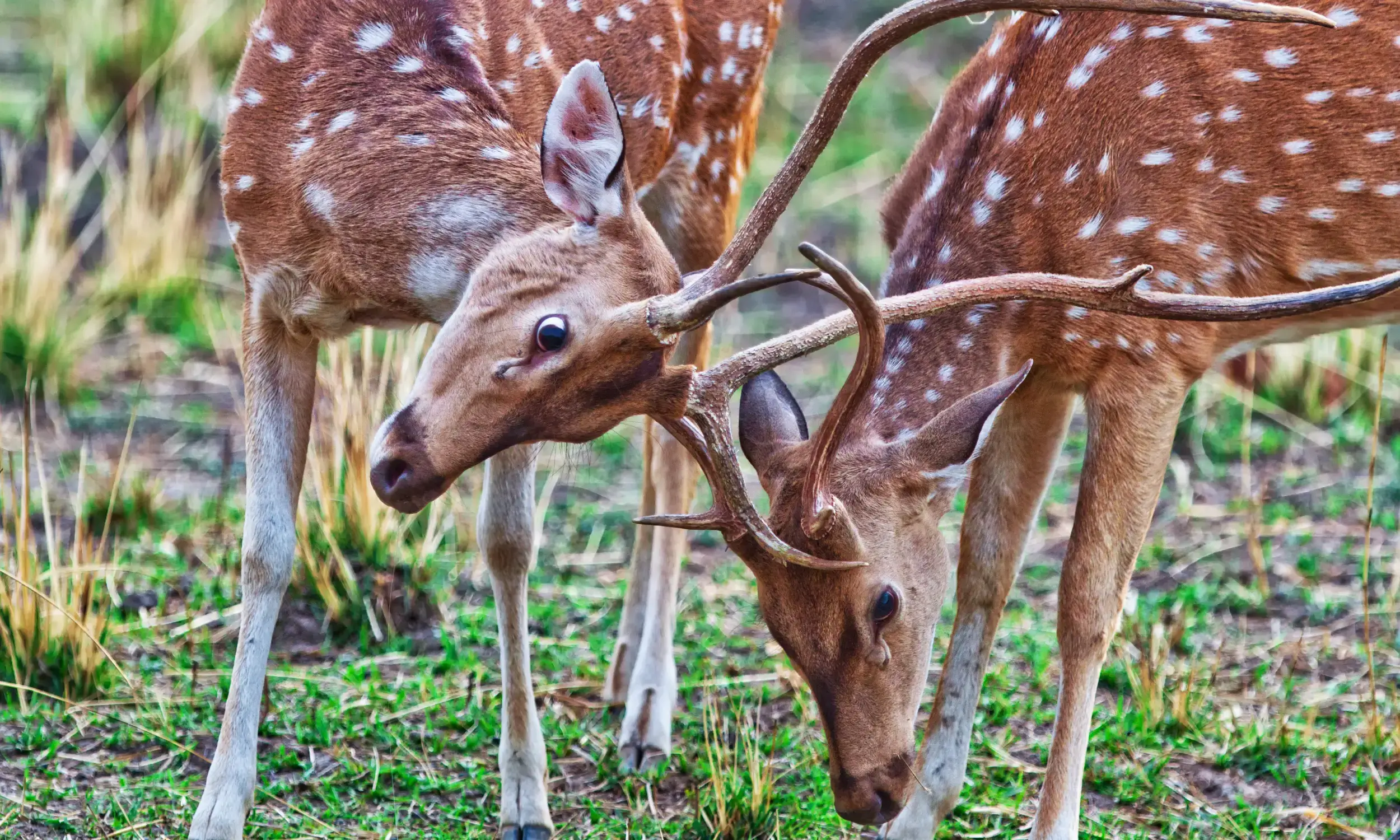
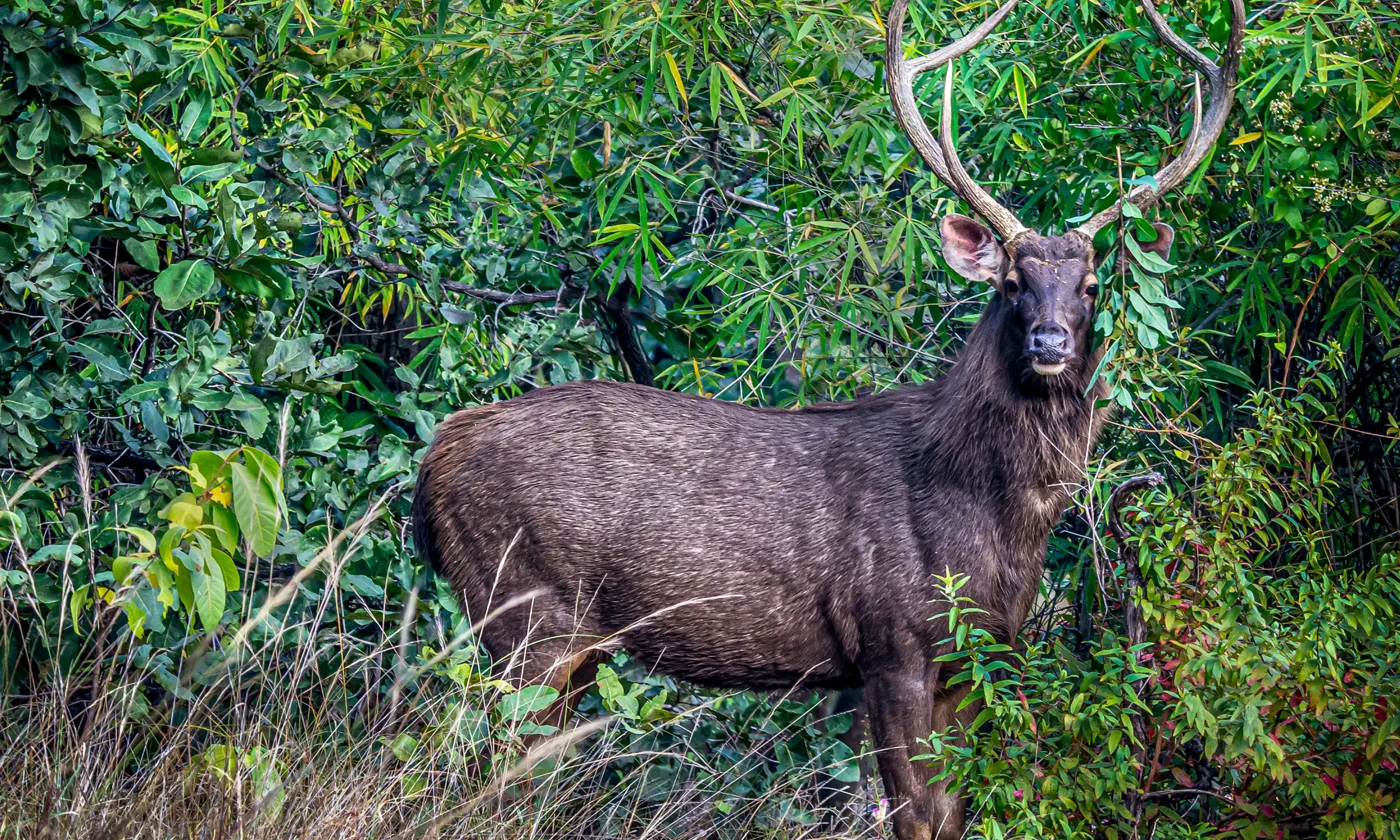
| Primary Herbivores | Sambar, Chital, Barking Deer, Nilgai, Wild Boar, Gaur |
| Rare Species | Four-horned Antelope (Chausingha) |
| Birds (250+ species) | Peafowl, Eagles, Vultures, Kingfishers, Migratory Birds |
| Reptiles | Indian Python, Cobra, Monitor Lizard |
| Habitat Variants | Meadows, bamboo forests, hills, water bodies |
Safari Zones Table — (Core & Buffer)
| Zone | Type | Highlights | What to Expect |
|---|---|---|---|
| Tala Zone | Core | Meadows, caves, fort views | Most popular; high tiger sightings |
| Magadhi Zone | Core | Dense forests, water bodies | Strong predator-prey dynamics; excellent sightings |
| Khitauli Zone | Core | Open forest, rocky terrain | Great for birds, leopards, and roaming tigers |
| Pachpedi | Buffer | Mixed forests | Good for ungulates & quieter drives |
| Dhamokhar | Buffer | Bamboo slopes | Occasional big cat movement |
| Panpatha | Buffer | Forests and villages | Photogenic; good general wildlife |
| Manpur | Buffer | Ravines & forest patches | Ideal for peaceful, low-traffic safaris |
Best Zones for Tiger Sightings: Tala, Magadhi, and Khitauli
Bandhavgarh operates two safaris daily during the tourism season:
Note : The park remains open from mid-October to June and closes during the monsoon (July to mid-October) for forest rejuvenation. Permits are available online in advance. Wednesday afternoons are typically closed for maintenance.
Bandhavgarh offers a wide range of stays suitable for every traveler. Forest department rest houses inside the park provide basic amenities for those seeking an authentic jungle experience. Luxury hotels and resorts on the park’s periphery offer premium comfort with swimming pools, spas, curated dining, and guided safaris.
Mid-range hotels and eco-lodges in Bandhavgarh provide comfortable stays with modern facilities and easy safari access, while guesthouses and budget accommodations in nearby towns offer affordable options for backpackers.
Travelers seeking immersive nature experiences can choose tented camps or eco-camps, and culturally inclined visitors can stay in homestays run by local families. Most stays in Bandhavgarh are strategically located near safari gates for convenient early-morning game drives.




 Trekking Tour
 Peak Climbing
 Jeep Safari
 Mountain Biking
 +91-9212553109
 Plan Your trip