
9 Nights / 10 Days
Price : On Request
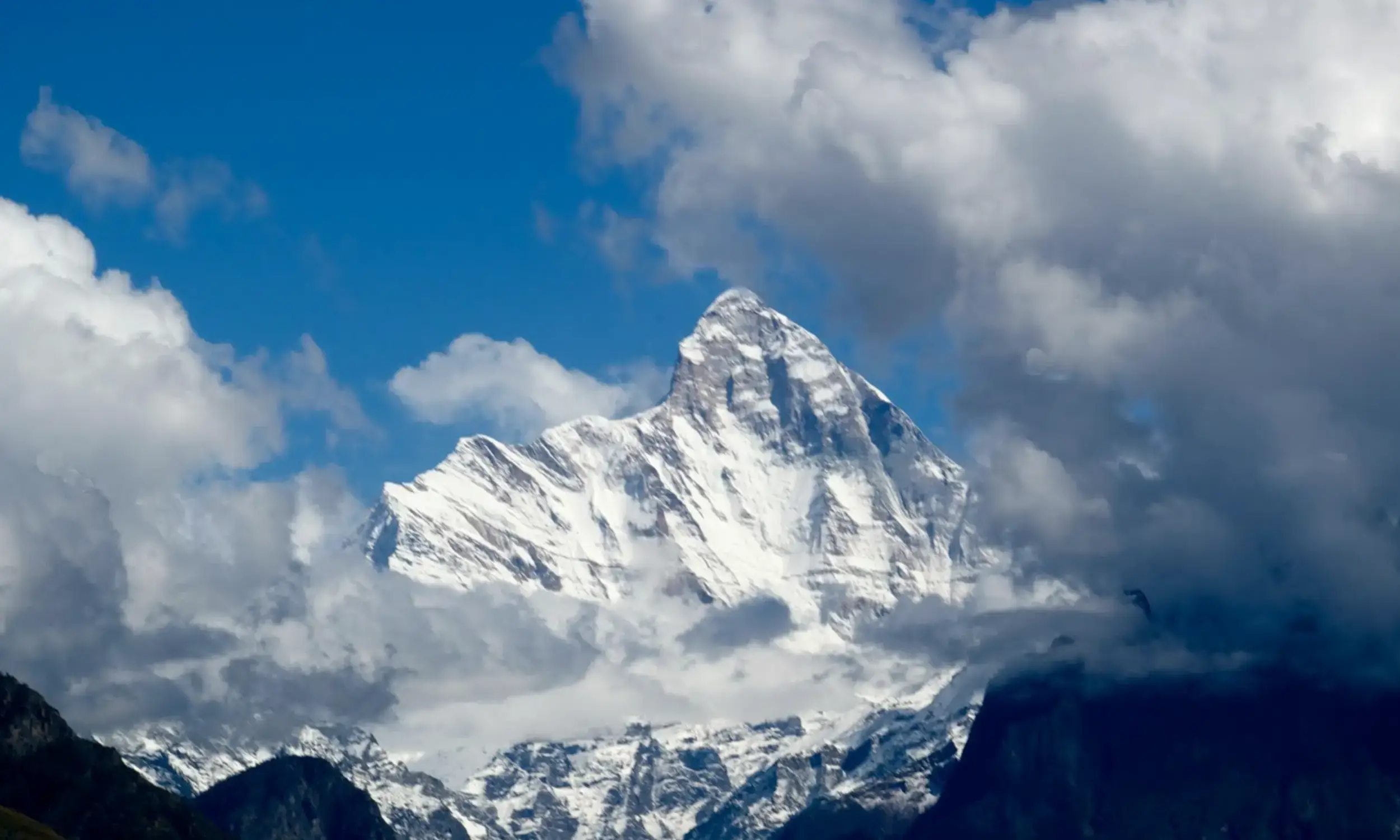
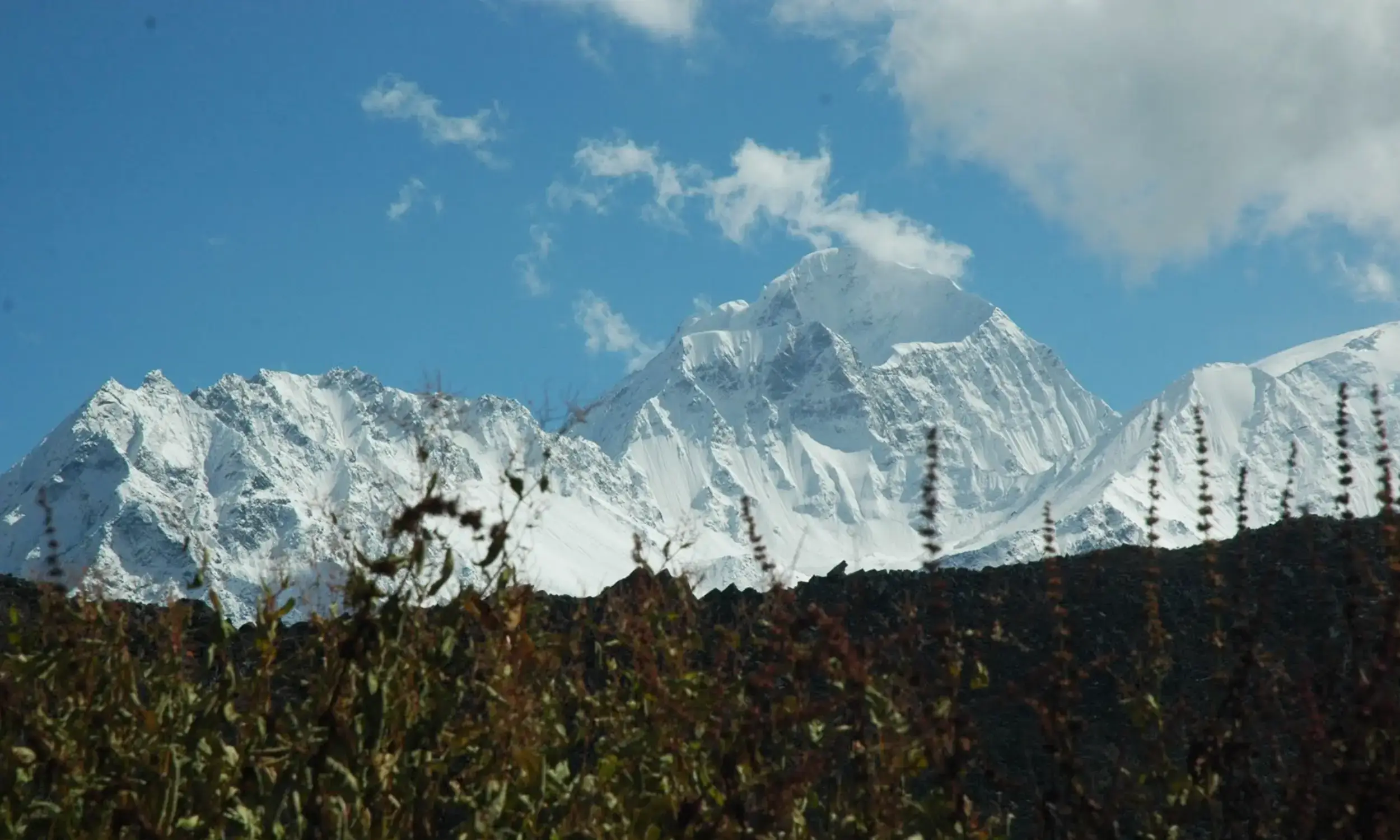
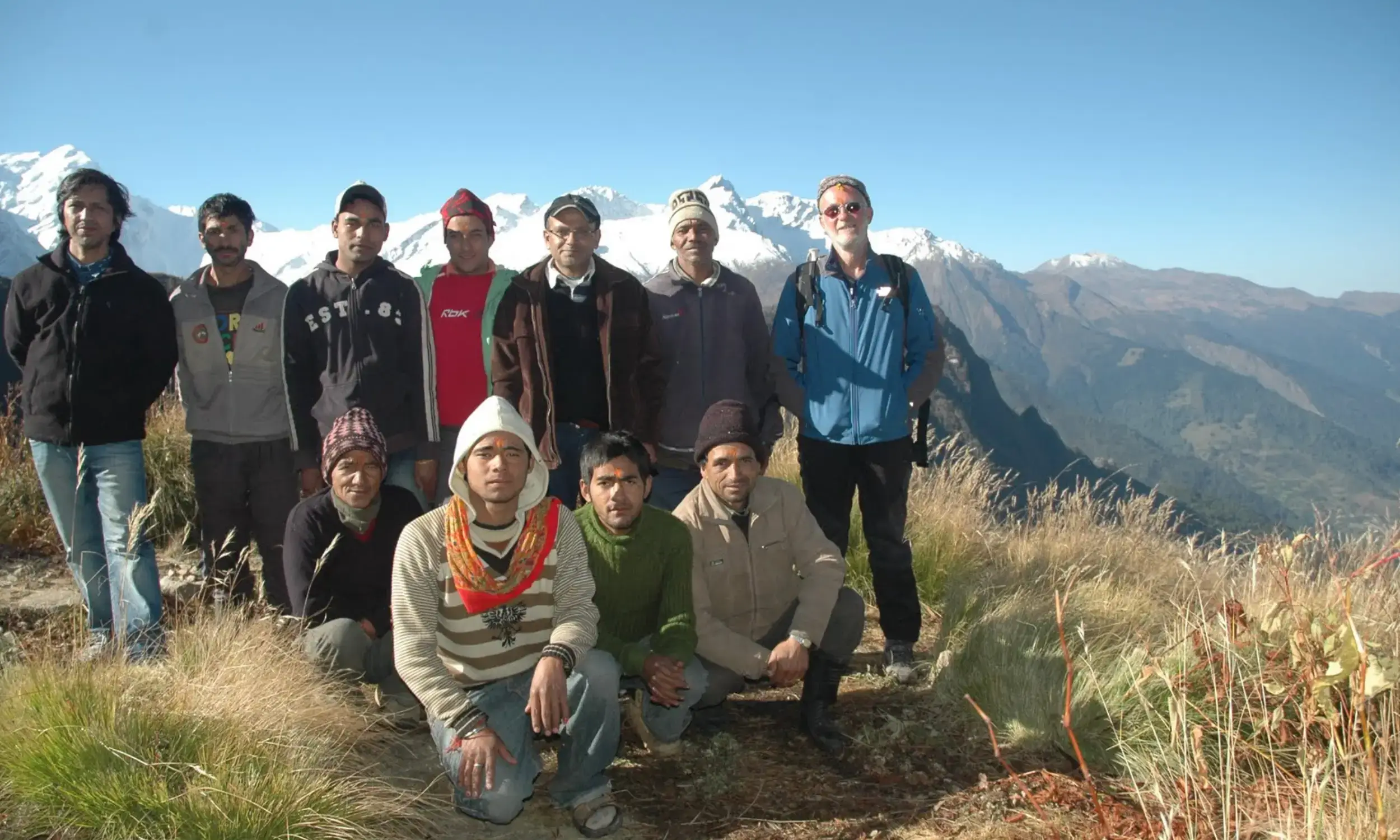
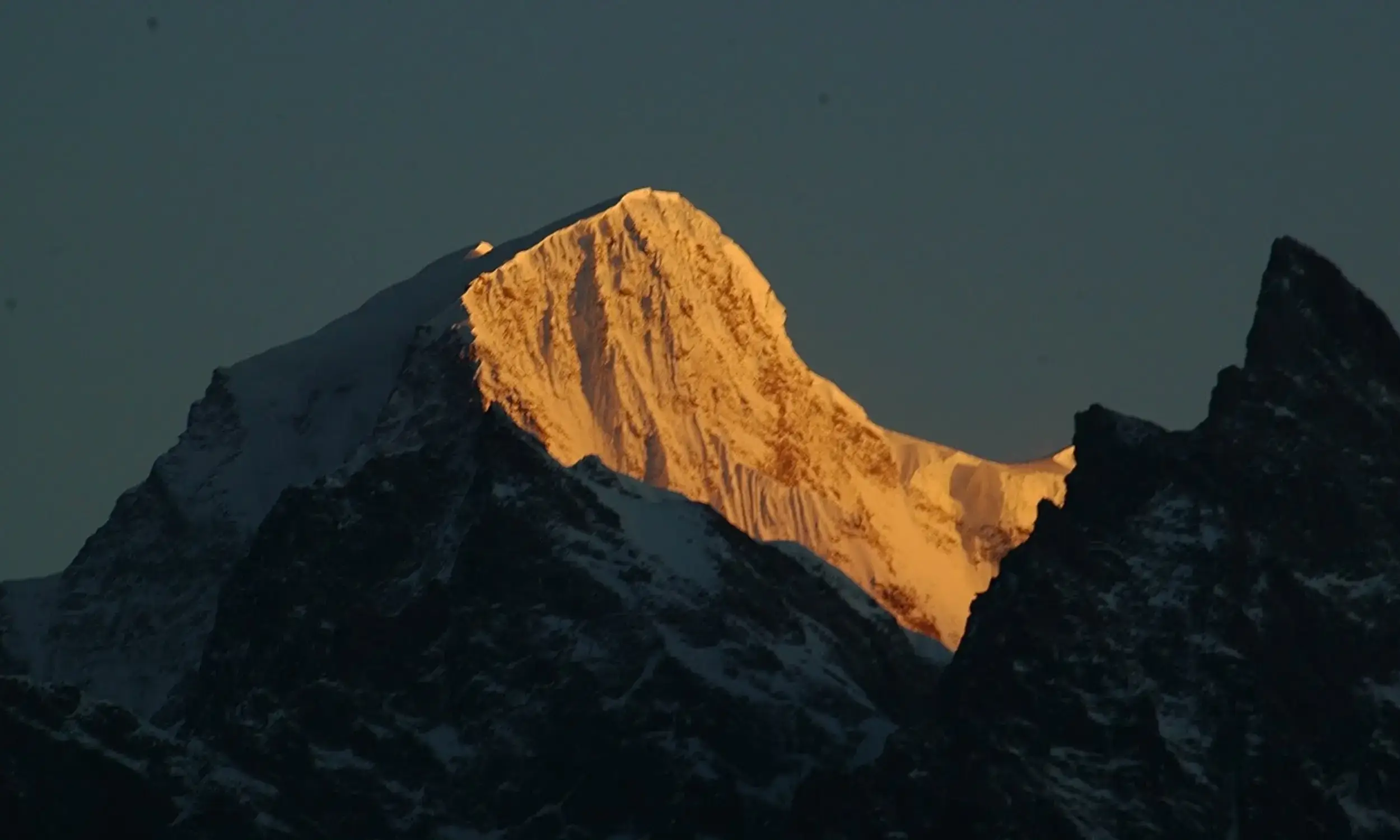
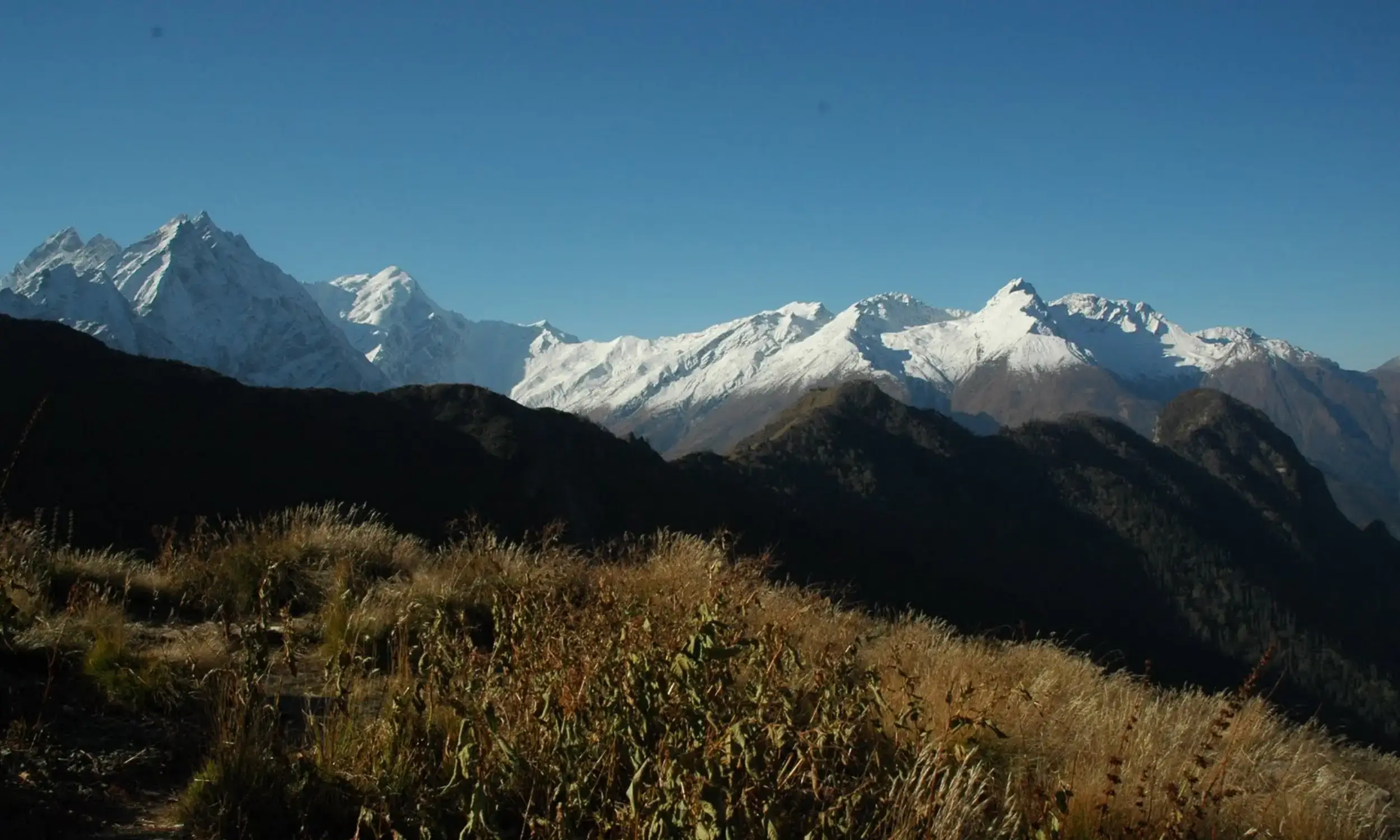
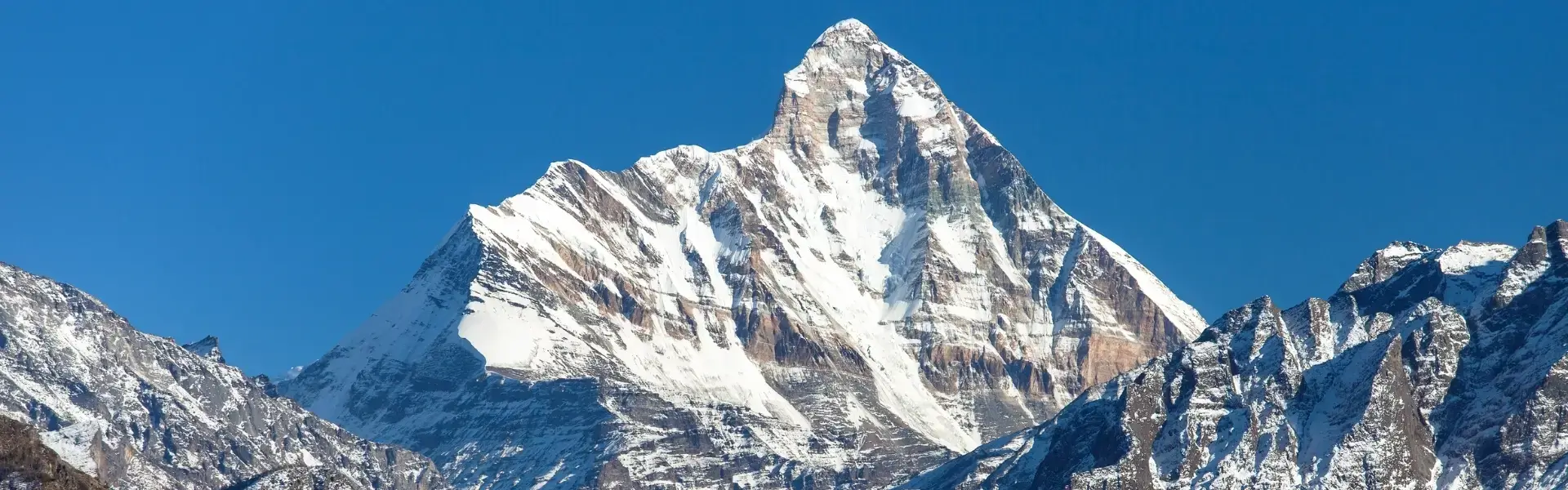
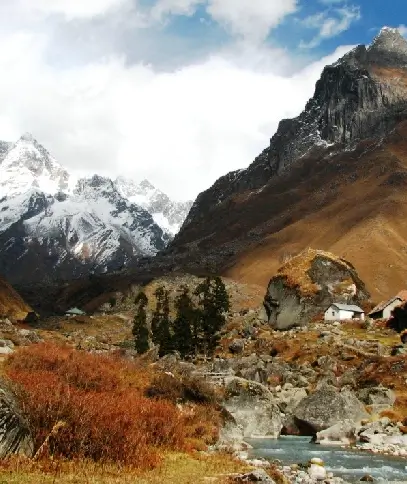
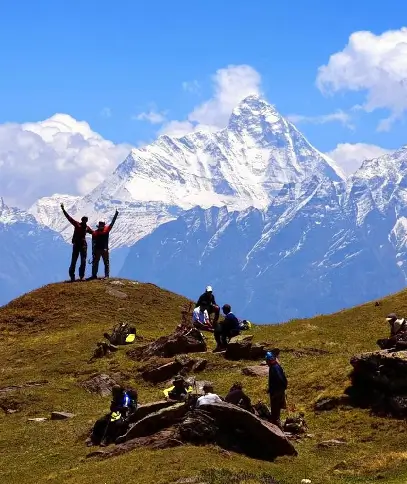
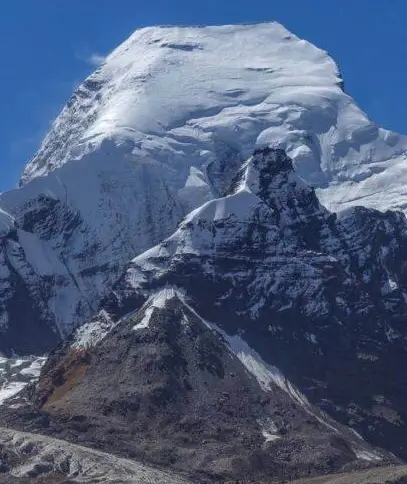
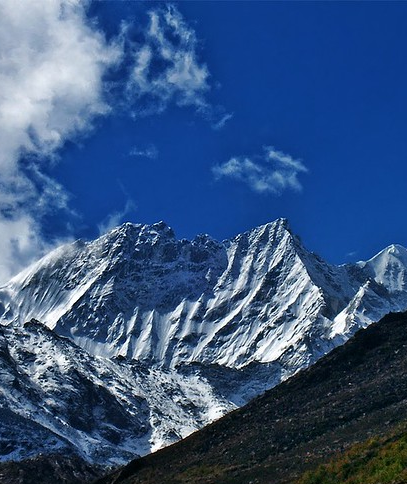
The Nanda Devi Trek takes adventurers into the heart of one of India’s most sacred and majestic mountains. Towering at 7,816 m, Nanda Devi is the second-highest peak in India and remains a symbol of mystery and grandeur. This trek leads into the Nanda Devi National Park, a UNESCO World Heritage Site known for its pristine landscapes, rich biodiversity, and restricted access. The journey offers breathtaking views of Rishi Pahar (6,992 m), Dunagiri (7,066 m), Changabang (6,864 m), and Trishul (7,120 m) while taking trekkers through remote villages, dense forests, and high-altitude meadows.
Nanda Devi Trekking Route: Delhi - Rishikesh - Joshimath - Lata Village - Lata Kharak -Dharansi Pass - Debrugheta - Dharansi - Joshimath - Rishikesh - Delhi
About Nanda Devi
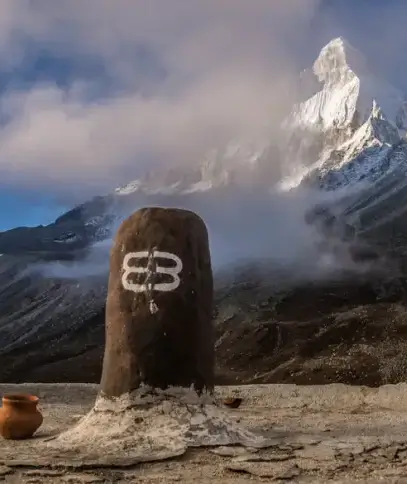
Nanda Devi is the name of a sacred goddess, meaning “Bliss-Giving Goddess.” The name is also associated with one of India’s highest mountain peaks, located near the Kanchenjunga range. This magnificent double-pyramid white peak rises from a vast ring of towering mountains, with the sacred Garhwal region in its backdrop. Its dramatic landscape and high-altitude trails make Nanda Devi a perfect destination for trekking and mountaineering enthusiasts.
About Nanda Devi Peak
Nanda Devi rises from a gigantic ring of high mountains that forms the Nanda Devi Sanctuary, a natural amphitheater about seventy miles in perimeter and rising to an altitude of nearly 6,000 meters, adjacent to the Rishiganga Valley. The majestic height of this peak inspired many climbers to attempt expeditions, though several early efforts were unsuccessful. In 1934, Bill Tilman, accompanied by Eric Shipton, reached the sanctuary. Later, in 1936, Tilman and Noel Odell successfully climbed the summit. With this achievement, Nanda Devi became the highest peak ever climbed by humans—a record that stood until the ascent of Annapurna in 1950.
Nanda Devi Trekking Route and Experience
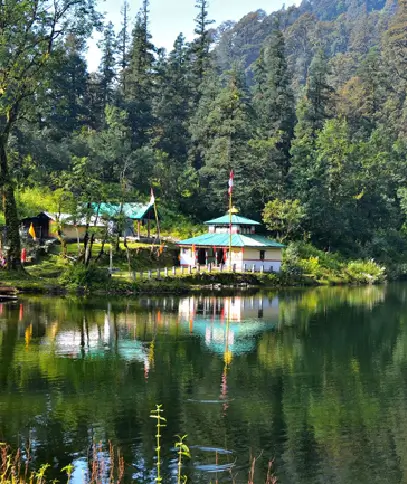
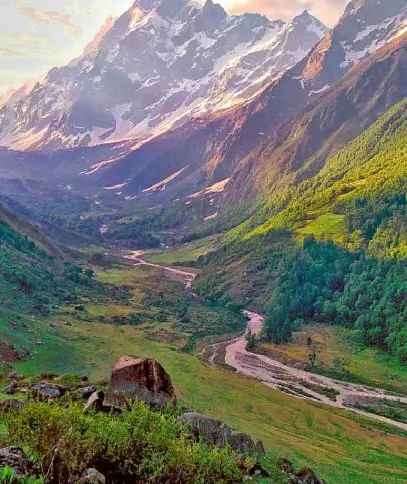
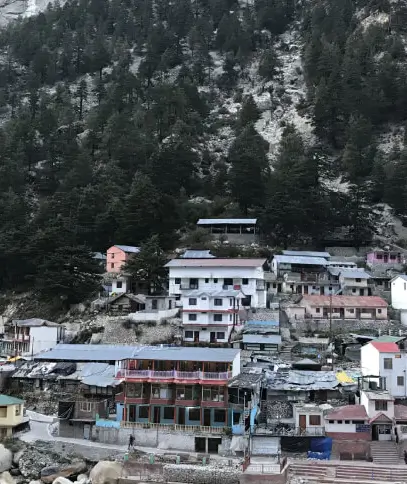
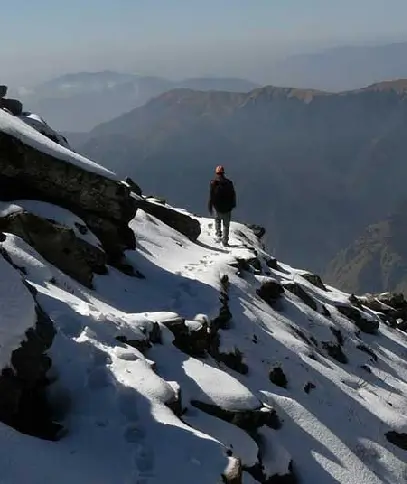
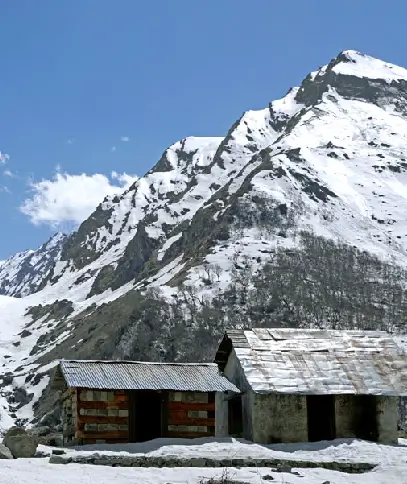
The journey starts in Delhi, followed by a scenic drive to Rishikesh and Joshimath, where trekkers acclimatize before heading toward the trailhead at Lata Village (2,310 m). This traditional Himalayan village serves as the gateway to the Nanda Devi Biosphere Reserve. The trek ascends through dense deodar and rhododendron forests, offering glimpses of rare Himalayan wildlife such as the musk deer and Himalayan black bear.
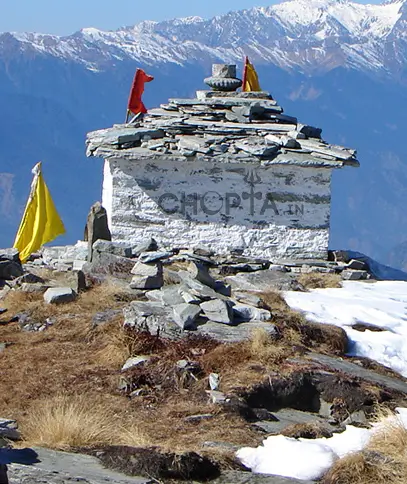
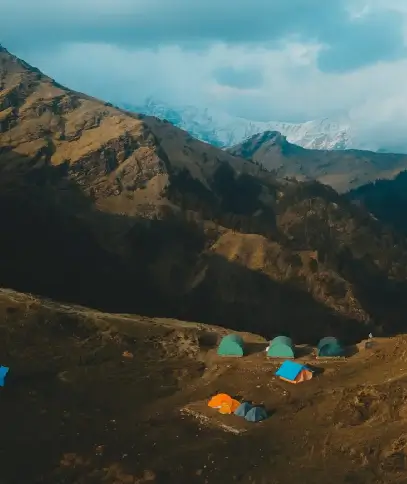
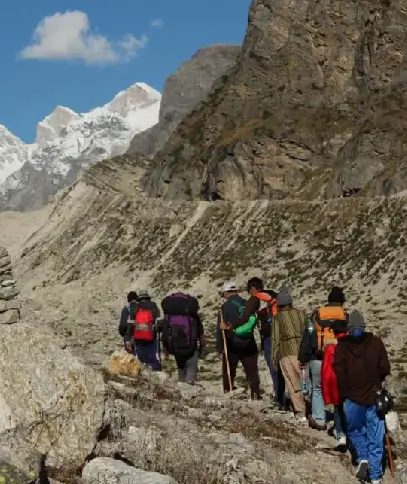
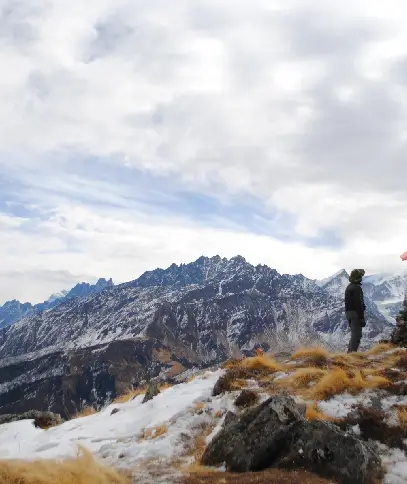
From Lata Kharak (3,682 m), the trail steepens, leading to Dharansi Pass (4,150 m). This section offers some of the most stunning panoramic views of the Nanda Devi massif. Trekkers also pass through Debrugheta, a serene meadow surrounded by towering peaks, where they can witness the untouched beauty of the region. Descending from Dharansi, the route returns to Lata Village, completing the trek before heading back to Joshimath, Rishikesh, and finally Delhi.
Best Time for Nanda Devi Trekking Expedition
The best time for the Nanda Devi Trek is May - June and September - October, offering clear skies, pleasant temperatures, and stunning vistas. Summer (May-June) transforms the landscape with lush greenery and vibrant blooms, while autumn (September-October) paints the region in golden hues with crisp mountain air.
To book the Nanda Devi trekking tour package 2026 or request customization, price quotations, or details on inclusions/exclusions, fill out the inquiry form on our website or contact us directly via call/WhatsApp at +91-9212553109.





 Trekking Tour
 Peak Climbing
 Jeep Safari
 Mountain Biking
 +91-9212553109
 Plan Your trip