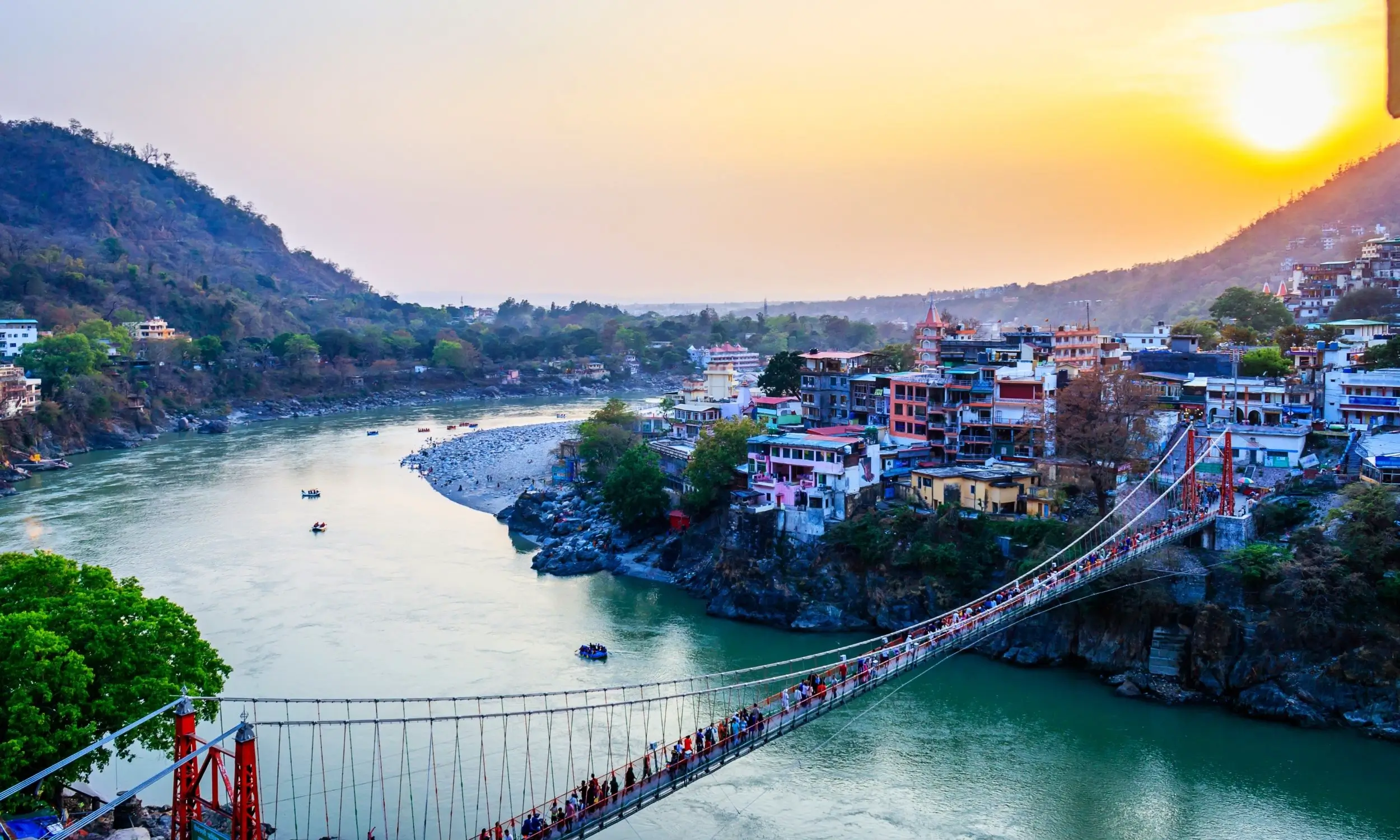
Rishikesh derives its name from an epithet of Lord Vishnu, meaning “Lord of the Senses.” Located in the Dehradun district of Uttarakhand, the town rests along the banks of the sacred Ganges and has long been one of India’s most revered pilgrimage destinations. Temples, ashrams, riverbanks, and the steady rhythm of chants together shape the spiritual heartbeat of the region.
Famously known as the Yoga Capital of the World, Rishikesh hosts the International Yoga Festival every March, drawing seekers and practitioners from across the globe. Its global recognition grew significantly in 1968 when The Beatles visited Maharishi Mahesh Yogi’s ashram to study Transcendental Meditation. Their stay resulted in the creation of nearly forty songs, later compiled into the iconic White Album, and the ashram itself became internationally known as the Beatles Ashram.
Rishikesh also serves as the traditional gateway to the Char Dham Yatra: Badrinath, Kedarnath, Gangotri, and Yamunotri, as well as to several Himalayan destinations such as Harsil, Chopta, Auli, Dodital, Dayara Bugyal, Kedarkantha, and Har Ki Dun. For many travelers, the journey into the Himalayas begins here. Key attractions in Rishikesh include Triveni Ghat, Parmarth Niketan, the Beatles Ashram, Lakshman Jhula, Ram Jhula, and countless ashrams offering meditation, yoga, and spiritual study.
Millions visit Rishikesh each year in search of peace, reflection, nature, and inner clarity. As a strictly vegetarian and alcohol-free town, it appeals to those seeking a mindful pause from everyday life. While deeply rooted in ancient traditions, Rishikesh continues to offer new experiences, ones that quietly draw visitors back, time and again.
Explore: Popular Uttarakhand Tourism Packages
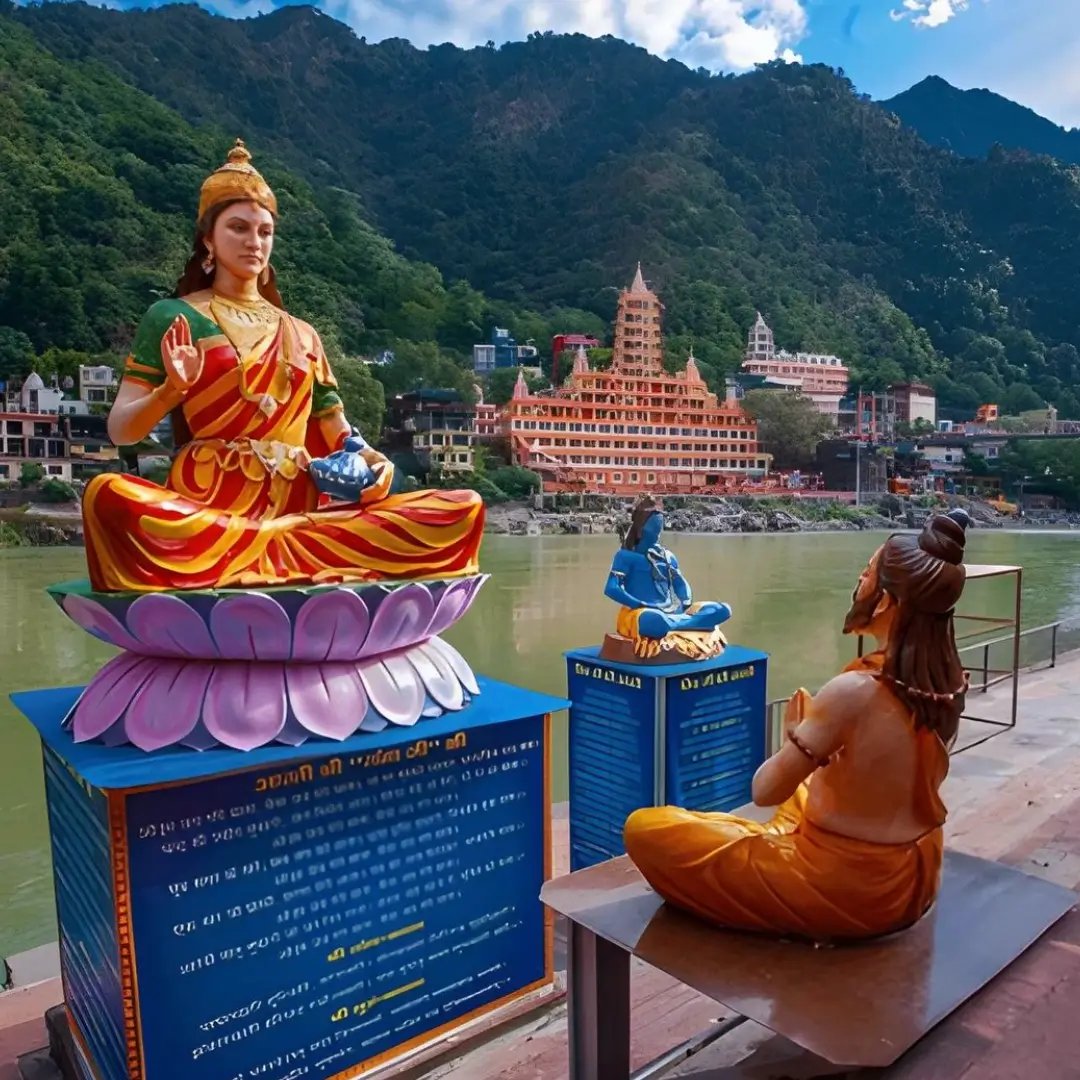
Rishikesh carries a history that stretches across legends, scriptures, regional kingdoms, and modern transformation. Ancient texts describe it as part of Kedarkhand in the Skanda Purana, a sacred land associated with gods, sages, and ritual practices. One widely known legend states that Lord Rama came here to perform penance after defeating Ravana and that Lakshmana crossed the Ganges using a simple rope bridge at the spot where Lakshman Jhula stands today.
The Skanda Purana also refers to this region as Indrakund, a sacred site where Lord Indra is believed to have taken a holy dip to rid himself of a curse. This association adds another layer of mythological significance to Rishikesh’s riverfront and bridge crossings, which continue to see thousands of pilgrims each day.
The name Hrishikesh is traced to a legend in which Lord Vishnu appeared before Sage Raibhya Rishi. Over time, the area was known by names such as Kubark and Kubjamraka, where Vishnu is believed to have manifested beneath a mango tree. It later came to be known as Agnitirtha, as legend holds that the fire god Agni performed penance here to cleanse himself of sins. Ancient temples such as Bharat Mandir, Lakshman Mandir, and Shatrughna Mandir continue to reflect these early narratives along the Ganges.
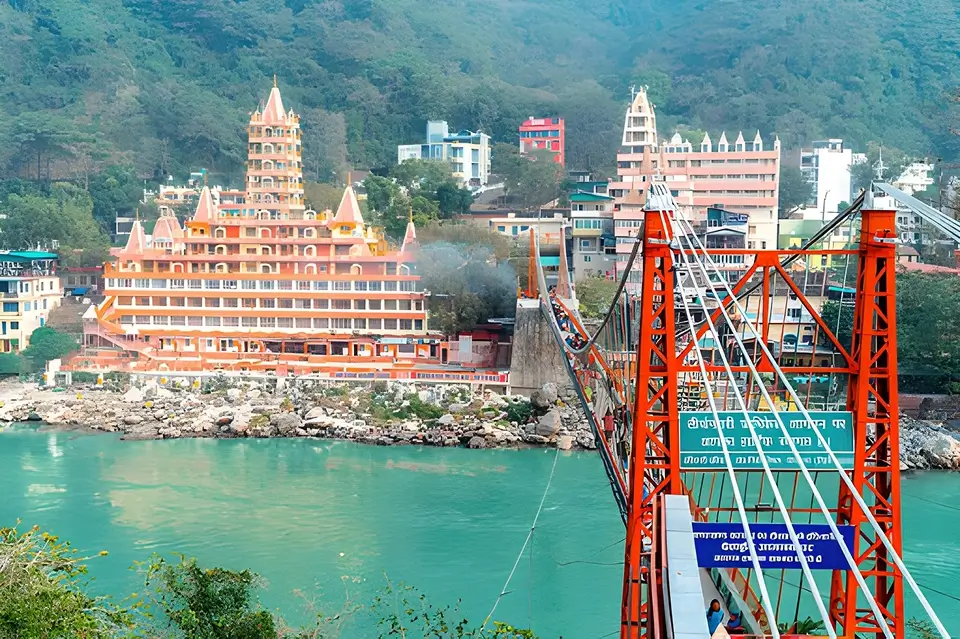
Lakshman Jhula itself carries a long and significant part of Rishikesh’s history. The earliest iron suspension bridge, built in 1889, was washed away during a major flood in 1924 and reconstructed in 1927. Due to structural safety concerns, the bridge was closed in 2020, and a new, modern glass bridge, among the strongest of its kind in India, is currently under construction. For decades, Lakshman Jhula connected Tapovan in Tehri Garhwal with the Jonk area of Pauri Garhwal, becoming one of Rishikesh’s most recognizable landmarks.
Another major bridge, Ram Jhula, was constructed in 1986 at Sivananda Nagar. It soon gained equal importance, linking key temples, ashrams, and markets across the river and becoming an integral part of daily pilgrimage routes.
During the medieval period, Rishikesh evolved under regional rulers, including Vatsraj and Ajaypal, before coming under Gorkha control in the early 19th century. The British assumed control in 1815, and following independence, the region became part of Uttar Pradesh and later the newly formed state of Uttarakhand.
In recent decades, Rishikesh has transformed into a global center for yoga, meditation, and adventure tourism. Ashrams, rafting routes, wellness centers, and cafés have grown steadily, yet the city’s spiritual core, its temples, ghats, riverbanks, and daily rituals, continues to preserve its ancient character.
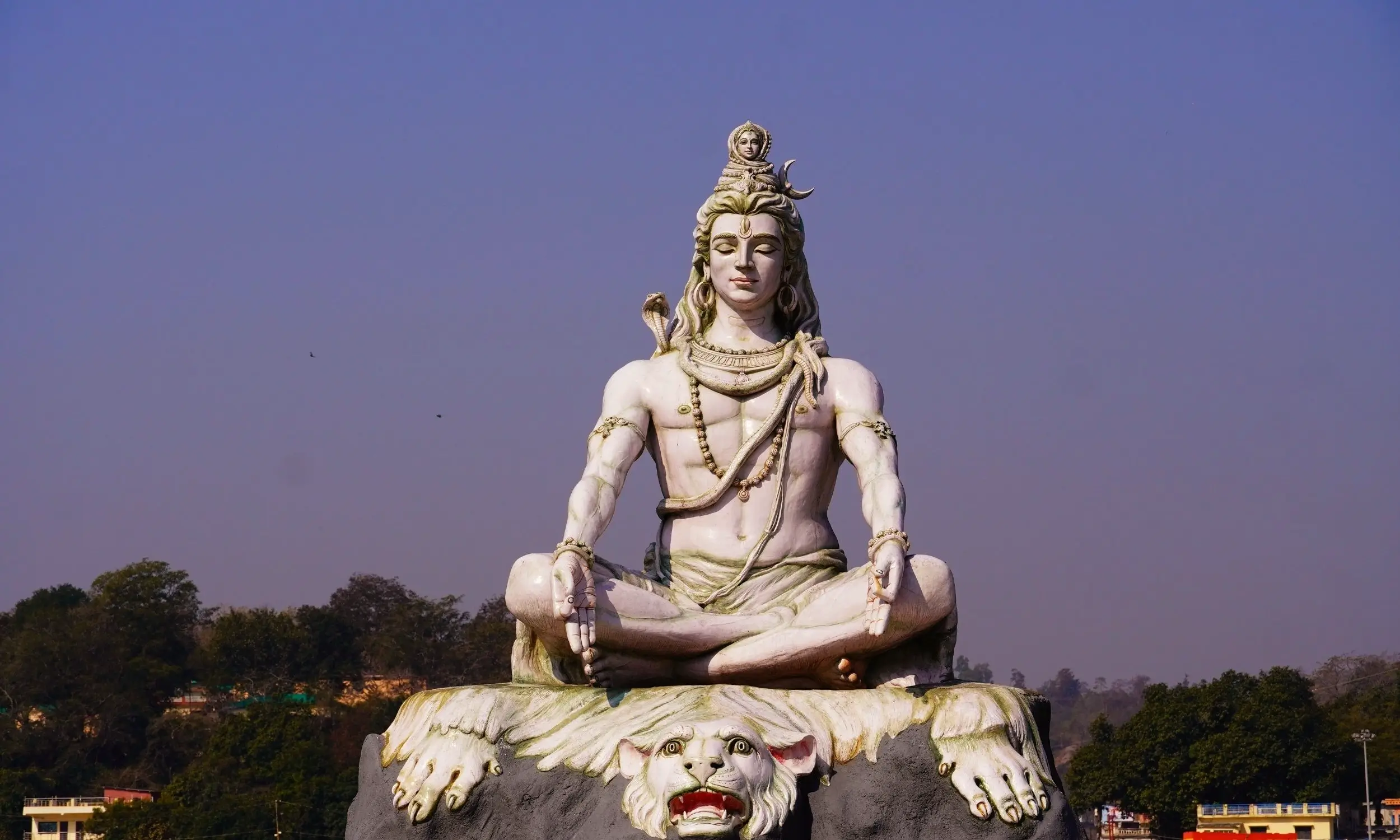
Rishikesh occupies a distinctive place in India’s pilgrimage landscape, shaped not by a single shrine or event, but by the continuous presence of the Ganga, ashram life, and daily spiritual practice. Pilgrimage here is not limited to specific dates or festivals; it unfolds steadily through ritual bathing, prayer, meditation, and learning, making the town a year-round center of devotion.
The Ghats of Rishikesh
The banks of the Ganga form the spiritual spine of Rishikesh. From early morning until late evening, pilgrims engage in sacred dips, offerings, and prayers, believing the river’s waters to be purifying and transformative. Unlike cities where pilgrimage activity peaks only during major events, Rishikesh maintains a constant devotional rhythm, visible in its ghats, temples, and ashrams that remain active throughout the day.
The Ashrams of Rishikesh
Ashram culture plays a defining role in pilgrimage tourism here. Many devotees arrive not just to visit shrines but to stay for days or weeks, participating in structured routines of yoga, meditation, scripture study, and service. This blend of worship and disciplined living gives pilgrimage in Rishikesh a contemplative character, distinct from destination-driven religious travel.
Base for Higher Spiritual Places in Garhwal
The town also functions as a traditional threshold to the higher Himalayas. Pilgrims embarking on the Char Dham Yatra or other Himalayan routes often begin their journey here, seeking blessings and spiritual preparation before moving deeper into the mountains. This role as a spiritual gateway reinforces Rishikesh’s importance within the wider religious geography of North India.
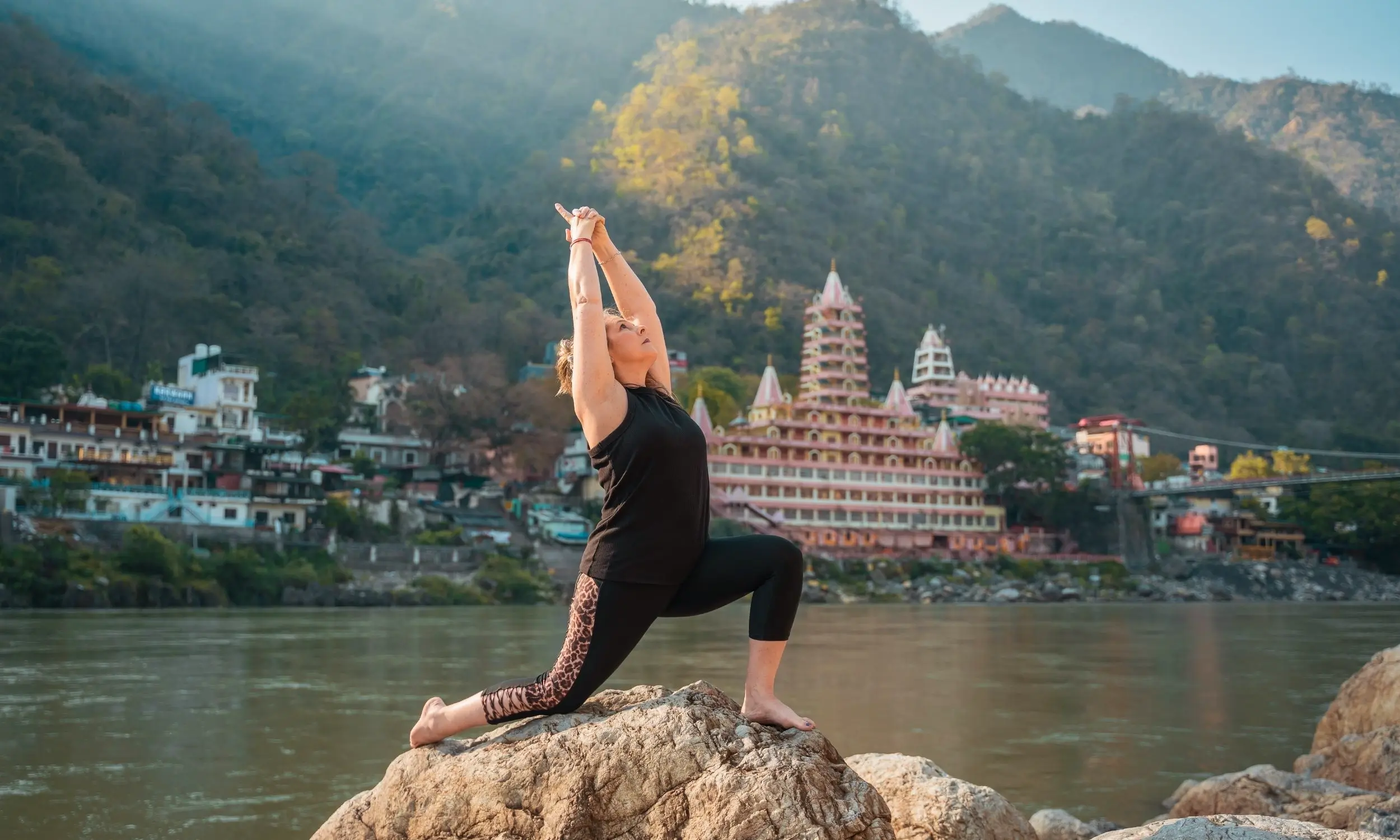
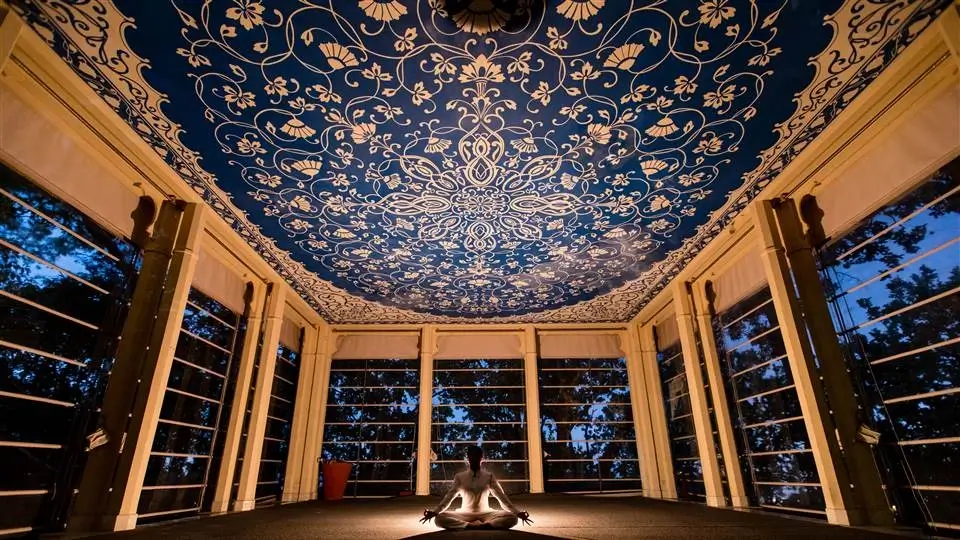
Rishikesh is globally recognized as the Yoga Capital of the World, drawing seekers from across continents for wellness, spiritual growth, and traditional learning. Yoga here is not treated as a fitness trend but as a disciplined, philosophical practice rooted in ancient Indian knowledge systems. The presence of the Ganga, Himalayan foothills, and long-established ashrams creates an environment that naturally supports introspection and sustained practice.
The town offers year-round yoga programs, retreats, and teacher-training courses suited to both beginners and advanced practitioners. International Yoga Day, celebrated annually on 21 June, sees large-scale yoga sessions along the riverbanks and ghats, reinforcing Rishikesh’s role as a global center for yogic learning. These sessions often include asanas, pranayama, meditation, and mindfulness practices, many of which are open to visitors at no cost.
Several long-established ashrams and yoga institutions form the backbone of yoga tourism in Rishikesh. Centers such as Parmarth Niketan Ashram, Sivananda Ashram (Divine Life Society), Swarg Ashram, and Himalayan Yog Ashram offer structured daily routines that combine yoga practice, meditation, spiritual discourse, and ethical living. Teaching here follows traditional lineages, ensuring that physical practice is supported by philosophical understanding.
Ayurveda forms a natural extension of the wellness experience in Rishikesh. The town hosts numerous centers offering authentic Ayurvedic consultations, detoxification programs, therapeutic massages, Panchakarma treatments, and herbal remedies. These therapies are often combined with yoga and meditation, creating holistic wellness programs that address physical health, mental balance, and emotional well-being together.
Institutions such as Yoga Niketan Ashram, Anand Prakash Yoga Ashram, and Dayananda Ashram focus on holistic education, integrating Hatha Yoga, meditation, Vedantic philosophy, and traditional teaching methods. Visitors can engage in short-term retreats or longer residential programs, depending on their level of commitment and interest.
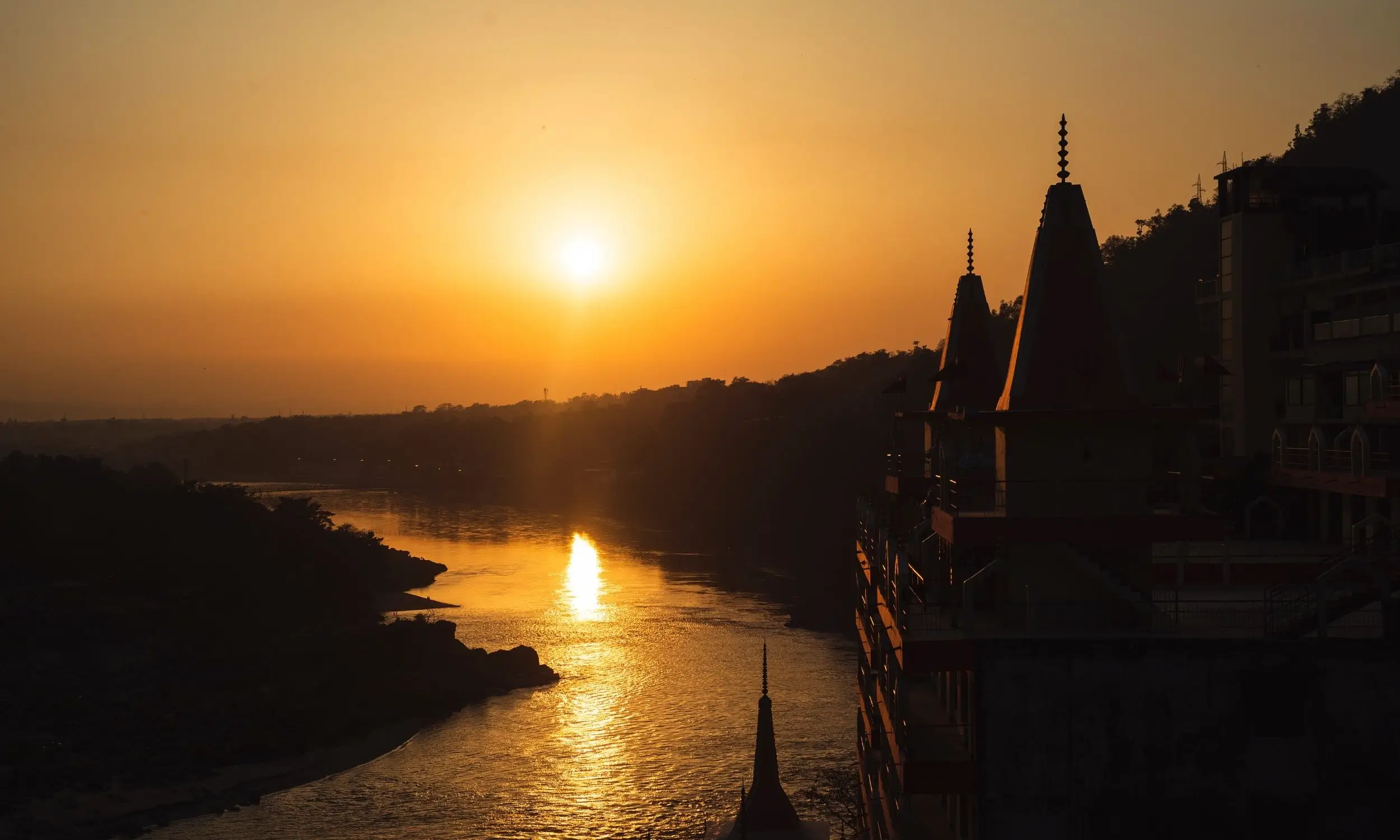
Rishikesh’s cultural life is shaped less by spectacle and more by continuity. Spiritual rituals, yoga traditions, river-based practices, and ashram routines define the town’s everyday rhythm, while festivals add seasonal intensity rather than replacing daily devotion. Culture here is lived quietly, through discipline, learning, and community participation, rather than staged performance.
Daily Rituals
At the heart of this cultural landscape lies the Ganga. Daily rituals such as morning prayers and the evening Ganga Aarti form the backbone of Rishikesh’s spiritual life, drawing pilgrims, residents, and travellers together at the riverbanks. Alongside this, ashram culture plays a central role; structured days built around yoga, meditation, scripture study, and seva (service) create a rhythm that shapes both local life and visitor experiences.
International Yoga Festival
Among the town’s major annual events, the International Yoga Festival stands out as Rishikesh’s most globally recognized cultural gathering. Held every March at Parmarth Niketan, it brings together yoga practitioners, teachers, and spiritual thinkers from around the world, reinforcing the town’s identity as the Yoga Capital of the World. The festival reflects Rishikesh’s ability to bridge ancient traditions with a contemporary, international audience.
Religious Festivals
Traditional religious festivals continue to anchor the town in Hindu devotional practice. Ganga Dussehra, celebrating the descent of the river to earth, sees large-scale participation through ritual bathing, prayers, and evening Aartis across major ghats. Maha Shivratri, dedicated to Lord Shiva, is observed with night-long worship, temple rituals, and heightened spiritual activity, particularly in and around Shiva temples and forest shrines.
Other seasonal celebrations, including Holi and Basant Panchami, are observed in a restrained manner consistent with Rishikesh’s spiritual character. These occasions feature devotional music, community gatherings, and traditional food, often organized within ashrams rather than as public street festivities.
Cultural and Global Festivals
Rishikesh’s modern cultural layer reflects its evolving global presence. Events such as the Beatles Festival, held near the former Beatles Ashram, acknowledge the town’s unique place in modern spiritual and cultural history, while smaller adventure- and river-focused gatherings highlight its connection to nature and youth travel culture.
Art, Music and Food
Local art, music, and food traditions remain closely tied to spiritual life. Classical music, kirtans, and devotional chanting are common in ashrams, while markets near ghats sell rudraksha beads, copper ritual items, incense, and handmade goods. The town’s strictly vegetarian, sattvic food culture, seen in simple meals, ashram dining halls, and local eateries, reinforces values of simplicity and mindful living.
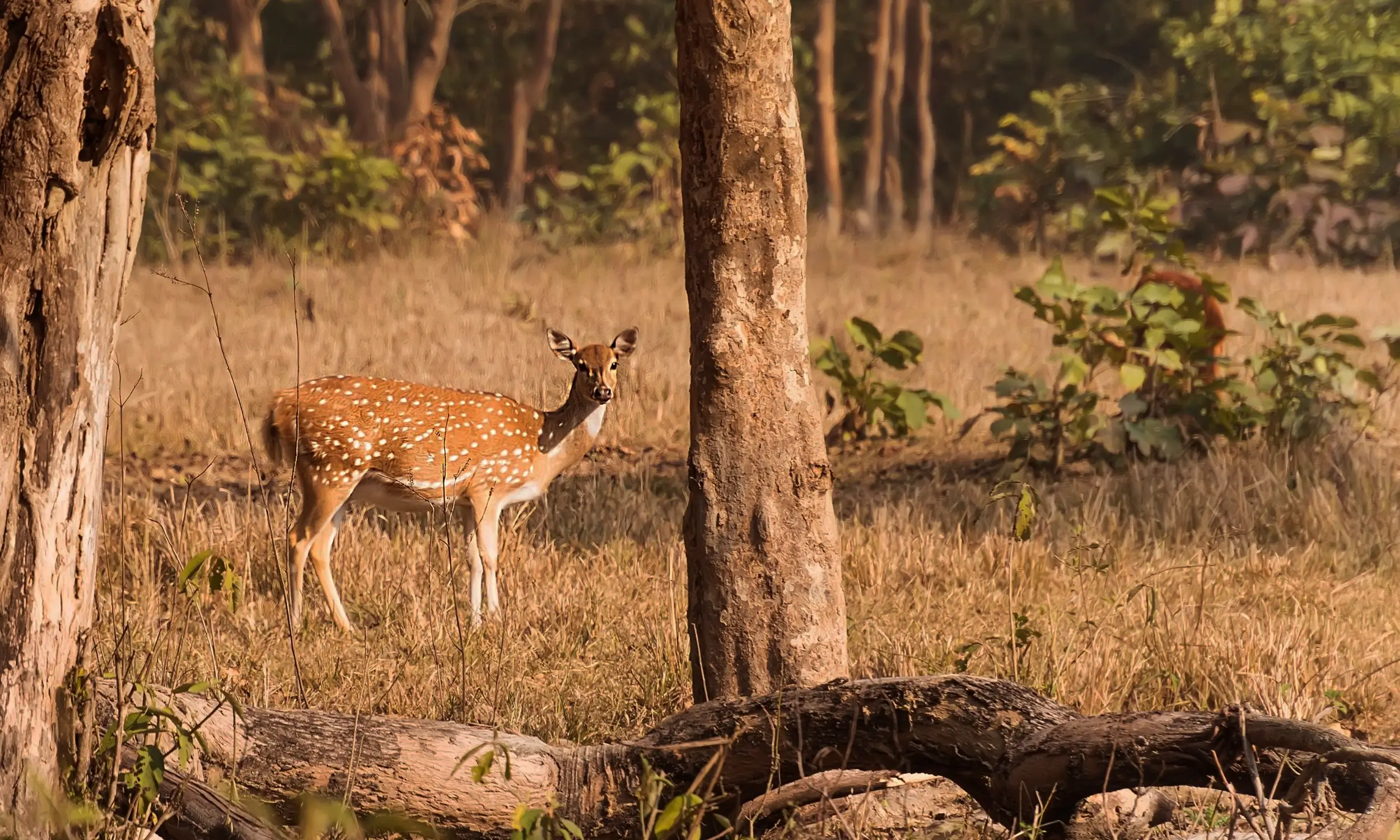
While widely known for spirituality and adventure, Rishikesh also serves as an important gateway to wildlife tourism in Uttarakhand. Located along the edge of the Shivalik ranges, the town lies close to forest corridors, riverine ecosystems, and protected reserves that support a rich diversity of flora and fauna. This proximity allows travelers to combine spiritual or wellness stays with nature-based exploration.
The center of wildlife activity near Rishikesh is Rajaji National Park and Tiger Reserve, spread across the districts of Haridwar, Dehradun, and Pauri Garhwal. Declared a national park in 1983 and later a tiger reserve in 2015, Rajaji protects a vast landscape of sal forests, grasslands, riverbeds, and foothill terrain. It is particularly significant as an elephant corridor, supporting one of the largest populations of Asian elephants in North India.
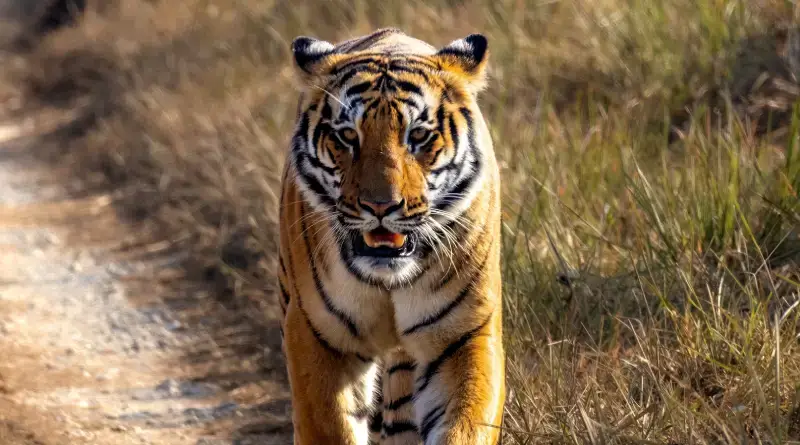
Wildlife safaris from the Rishikesh side primarily access zones such as Chilla, Motichur, Ranipur, and Gohri, each offering slightly different forest characteristics. Elephant herds are the most frequently sighted species, while leopards, deer, wild boar, and sloth bears are also present. Tiger sightings are rare but possible, especially during drier months when animals gather near water sources.
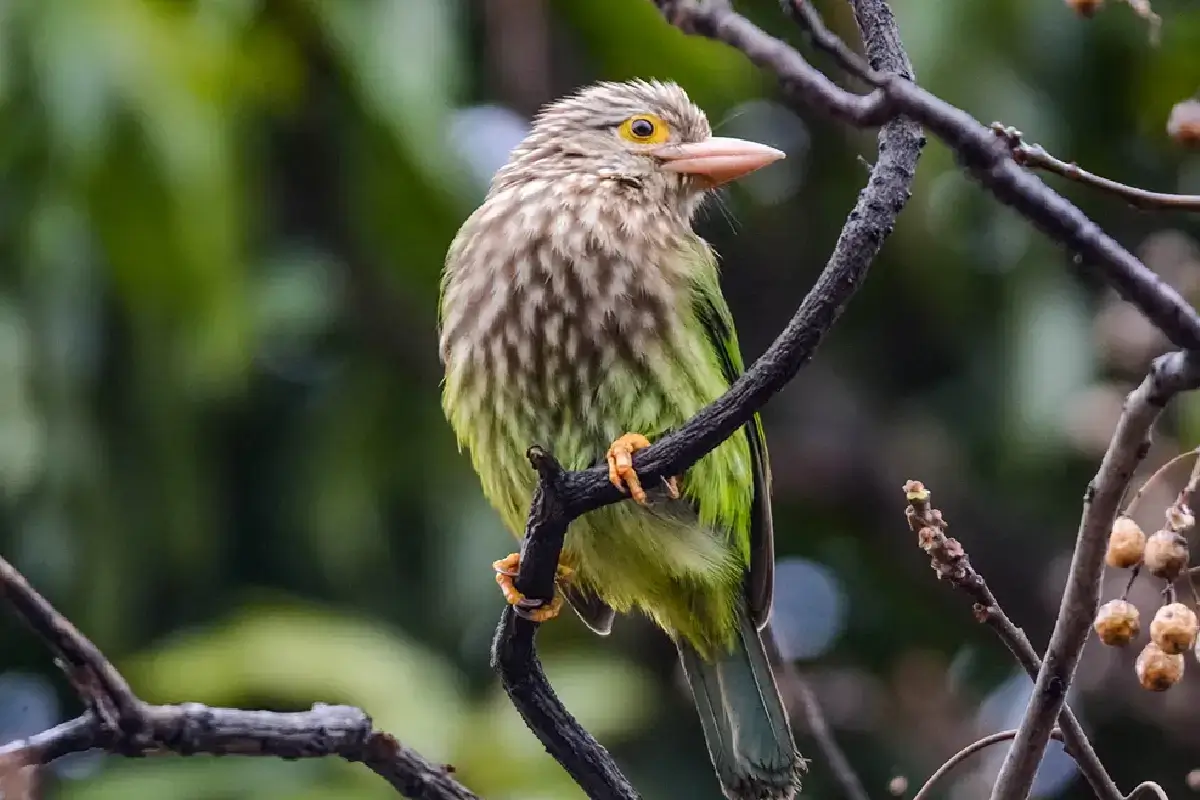
Beyond mammals, the region is notable for its birdlife. Forest edges, riverbanks, and wetlands around the Ganga attract a wide range of resident and migratory birds, making the area appealing to birdwatchers and nature photographers. Seasonal changes significantly influence visibility, with winter months offering the best conditions for both safaris and birding.
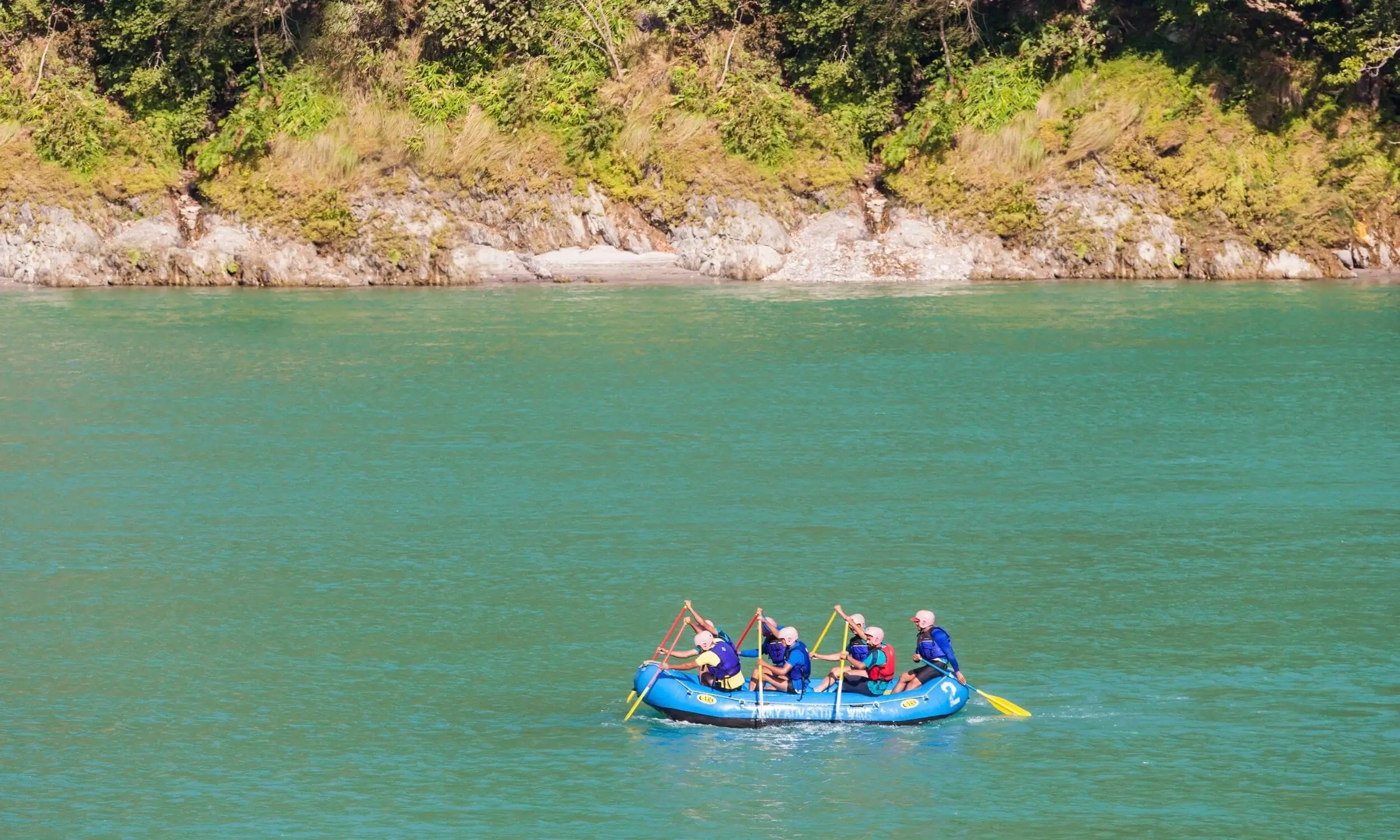
Rishikesh is widely regarded as the Adventure Capital of India. Set along the Ganga and framed by the forested Shivalik foothills, the town provides easy access to rivers, cliffs, valleys, and mountain trails that support a wide range of adventure and nature-based experiences. What distinguishes adventure tourism here is its proximity to spiritual spaces; activities often unfold just minutes away from ashrams, temples, and quiet riverbanks.
River-based Activities in Rishikesh
River-based activities form the foundation of Rishikesh’s adventure identity. White-water rafting on the Ganga is the most popular experience, with stretches around Shivpuri, Marine Drive, and Kaudiyala offering rapids suitable for beginners as well as seasoned rafters. Kayaking, cliff jumping, and river swimming are often combined with rafting routes, allowing visitors to experience the river in multiple ways while remaining under regulated safety frameworks.
Other Adventure Activities in Rishikesh
Beyond the river, Rishikesh offers several high-adrenaline activities that take advantage of its rugged terrain. Bungee jumping, giant swings, flying fox rides, and ziplining operate from designated adventure zones, particularly around Mohan Chatti and Shivpuri. These activities attract younger travelers and thrill-seekers while remaining well separated from the town’s spiritual centers, ensuring minimal disruption to its contemplative character.
Trekking, Hiking and Camping
For travelers drawn more to nature than adrenaline, the region offers a slower pace of exploration. Forest walks, riverside trails, and short treks lead to waterfalls, hilltop viewpoints, and quiet stretches of the Ganga. Routes to places such as Neer Garh Waterfall and Kunjapuri Devi combine natural scenery with moderate physical effort, making them accessible to families and first-time trekkers. Camping is another integral part of Rishikesh’s outdoor appeal. Riverside camps and forest-edge retreats provide simple accommodations focused on immersion in nature, often paired with bonfires, guided walks, and outdoor meals. These stays emphasize disconnection from urban routines rather than luxury, aligning with the town’s broader philosophy of mindful living.
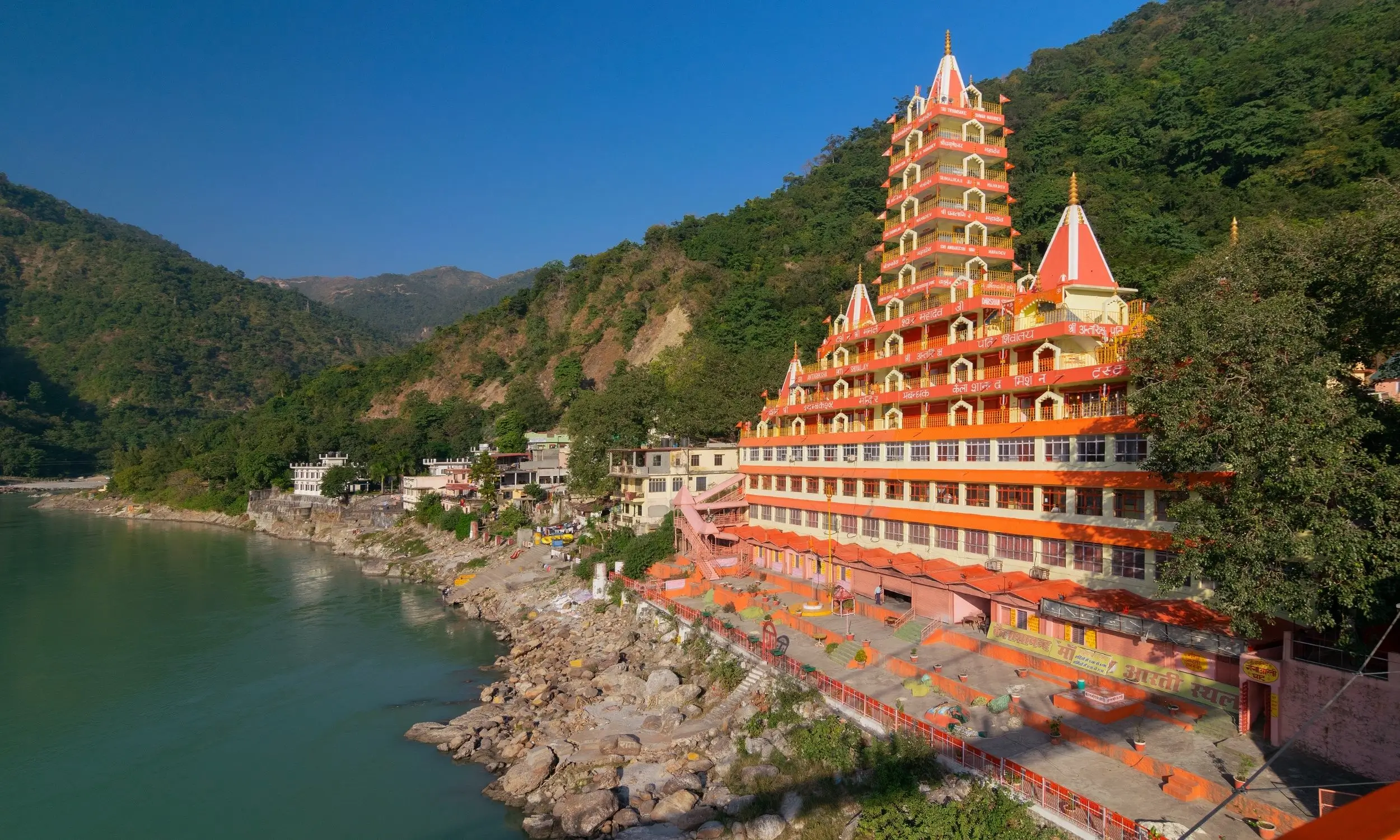
Rishikesh’s major attractions reflect the town’s layered identity: spiritual centers along the Ganga, historic bridges that shape movement across the river, quiet natural retreats, and sites tied to modern cultural history. Rather than functioning as isolated sightseeing points, most attractions are experienced as part of a slow, walkable rhythm along riverbanks, forest paths, and ashram zones.
For clarity and ease of exploration, Rishikesh’s attractions are best understood across four broad categories: sacred riverfront spaces, iconic bridges, spiritual retreats, and nature-linked landmarks.
Triveni Ghat
Triveni Ghat is the largest and most significant ghat in Rishikesh, serving as the town’s primary spiritual gathering space. Considered highly sacred, it is believed that ritual bathing here cleanses sins and purifies the soul. The ghat remains active throughout the day with prayers, offerings, and devotional practices.
The evening Ganga Aarti at Triveni Ghat is one of Rishikesh’s most widely attended rituals. As lamps are lit and chants echo along the riverbank, the ceremony draws pilgrims, residents, and visitors into a shared spiritual experience. Several temples, including the Gita Temple and Triveni Mata Temple, line the ghat, reinforcing its importance within the town’s religious landscape.
Parmarth Niketan Ashram
Located along the banks of the Ganga, Parmarth Niketan is the largest ashram in Rishikesh and one of its most recognizable spiritual institutions. Founded in 1942, it functions as both a center for daily yoga and meditation practice and a venue for large-scale spiritual gatherings.
The ashram is particularly known for its structured routine, inclusive philosophy, and evening Ganga Aarti, which attracts international visitors alongside Indian pilgrims. Its riverside setting, expansive campus, and ongoing programs make it a central point of spiritual life in Rishikesh.
Lakshman Jhula (Closed; replacement under construction)
Lakshman Jhula remains one of Rishikesh’s most iconic landmarks, even though the bridge itself has been closed since 2020 due to structural concerns. Traditionally believed to mark the spot where Lakshmana crossed the Ganga using rope bridges, the site holds deep mythological significance.
Historically, the iron suspension bridge connected Tapovan with the Jonk area and served as a major pedestrian crossing for pilgrims and visitors. While access to the bridge is restricted, the surrounding area, including temples, cafés, and viewpoints, continues to attract visitors.
Ram Jhula
Located downstream from Lakshman Jhula, Ram Jhula is an iron suspension bridge built in 1986, connecting Sivananda Nagar with Muni Ki Reti. Unlike Lakshman Jhula, it remains operational and plays a vital role in daily movement across the river.
The bridge offers panoramic views of the Ganga and surrounding hills and provides access to several ashrams, temples, and riverfront pathways. Walking across Ram Jhula is often included as part of a broader exploration of Rishikesh’s spiritual zones.
Beatles Ashram (Chaurasi Kutia)
Situated within a forested area on the eastern bank of the Ganga, the Beatles Ashram holds a unique place in Rishikesh’s modern cultural history. Originally established as the International Academy of Meditation by Maharishi Mahesh Yogi, the site gained global attention after The Beatles stayed here in 1968.
Today, the ashram is preserved as a cultural and artistic space, featuring meditation huts, murals, and forest trails. Visitors come to explore its quiet atmosphere, reflect on its East–West cultural significance, and experience a different, contemplative side of Rishikesh away from the busy riverfront.
Tera Manzil (Trayambakeshwar) Temple
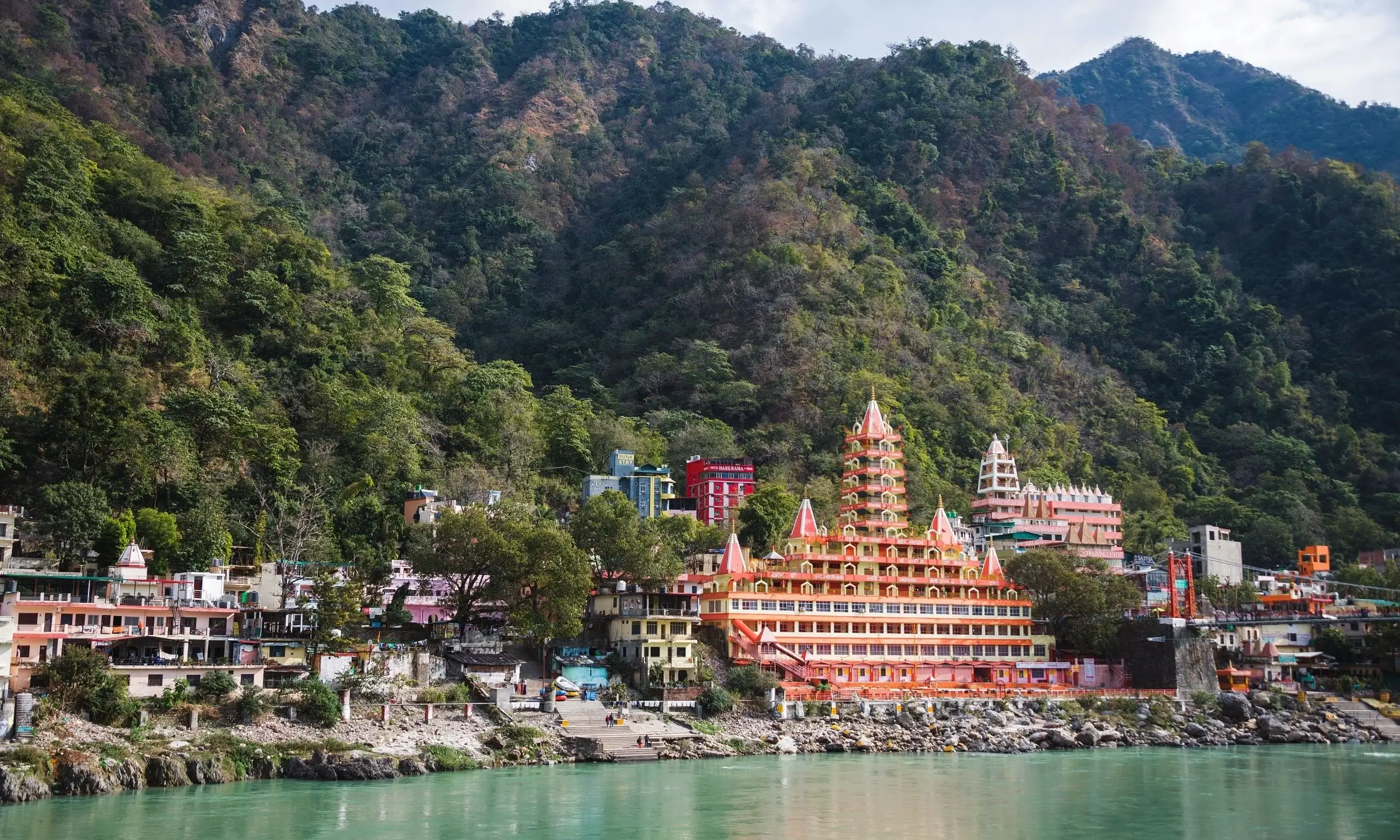
Located near Lakshman Jhula, Tera Manzil Temple is a striking 13-storey structure built along the Ganga’s edge. Unlike traditional single-deity temples, each floor houses different Hindu deities, allowing devotees to engage in layered worship within a single complex.
The temple’s upper levels offer expansive views of the river, surrounding hills, and nearby bridges, making it both a spiritual and visual landmark. Its distinctive architecture makes it one of the most recognizable structures in Rishikesh.
Neer Garh Waterfall
Located a short distance from Lakshman Jhula, Neer Garh Waterfall offers a refreshing natural escape from the town’s busier areas. Reached via a forest trail, the waterfall consists of multiple cascades flowing into natural pools.
The area is popular for short treks, nature walks, and quiet relaxation, particularly during the post-monsoon months when water flow is at its strongest. Its accessibility makes it suitable for families and casual hikers.
Vashishta Cave
Situated along the Badrinath highway, approximately 25 km from Rishikesh, Vashishta Cave is traditionally believed to be the meditation site of Sage Vashishta. The cave’s dim interior, minimal lighting, and enforced silence create an atmosphere conducive to deep meditation. Surrounded by forest and overlooking the Ganga, the site appeals to visitors seeking solitude and spiritual reflection rather than sightseeing.
Kunjapuri Devi Temple
Perched atop a hill in the Tehri Garhwal region, Kunjapuri Devi Temple is both a significant Shakti Peetha and a renowned viewpoint. The temple is especially famous for its sunrise views over the Himalayan ranges, including peaks such as Chaukhamba and Bandarpunch. Visitors often combine a visit here with a short trek or early-morning drive, making it a popular choice for those interested in both spirituality and landscape photography.
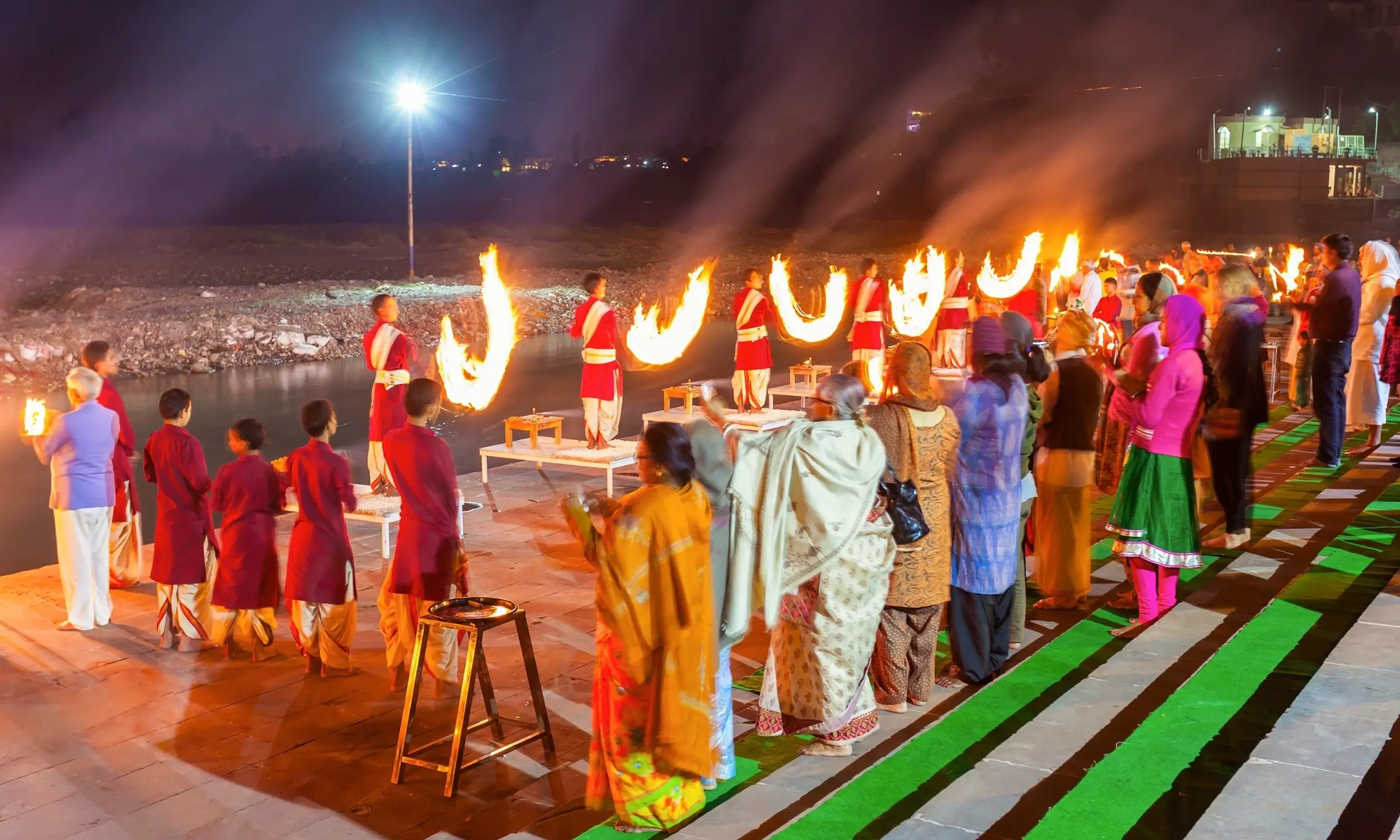
Experiences in Rishikesh are shaped by rhythm rather than rush. Most visitors naturally move between moments of physical activity, spiritual practice, and quiet observation, often within the same day. The town rewards travelers who allow time for repetition, returning to the river, revisiting a ghat, or settling into a daily routine, rather than trying to cover everything at once.
Attend the Evening Ganga Aarti
One of the most immersive experiences in Rishikesh is attending the evening Ganga Aarti, particularly at Triveni Ghat or along the riverfront near major ashrams. As lamps are lit and chants fill the air, the ceremony brings together pilgrims, residents, and visitors in a shared act of devotion. Arriving early allows time to observe preparations and find a comfortable viewing spot along the steps.
Practice Yoga or Meditation by the River
Rishikesh offers numerous opportunities to participate in yoga and meditation sessions, many of which take place in open spaces overlooking the Ganga. Early mornings are especially conducive to practice, with cooler air, reduced crowds, and a quieter riverfront. Visitors can join drop-in sessions or simply observe and meditate independently along the ghats.
Experience White-Water Rafting on the Ganga
For those seeking physical engagement, rafting on the Ganga remains one of Rishikesh’s most popular activities. Guided rafting trips operate on designated stretches of the river, offering a mix of moderate rapids and calm passages. The experience combines adrenaline with close interaction with the surrounding landscape and is typically followed by riverside breaks or short walks.
Take Short Nature Walks and Waterfall Treks
Several short walks and treks around Rishikesh lead through forested paths, riverbanks, and hillside trails. Routes to nearby waterfalls or viewpoints provide opportunities for light physical activity without requiring extensive trekking experience. These walks are best undertaken in the morning or late afternoon, particularly during warmer months.
Spend Time in Ashram Spaces
Even without enrolling in formal programs, visitors can spend time within ashram campuses, observing daily routines, attending prayer sessions, or simply sitting quietly by the river. Many ashrams allow visitors to participate respectfully in morning prayers, evening chants, or meditation periods, offering insight into the town’s spiritual life.
Explore Local Markets and Riverside Cafés
Walking through local markets near the ghats and bridges provides a glimpse into daily life in Rishikesh. Shops selling prayer items, rudraksha beads, books, and handmade goods line narrow lanes, while riverside cafés offer simple meals and quiet views of the Ganga. These unhurried walks often become some of the most memorable moments of a visit.
Visit the Beatles Ashram for Quiet Exploration
Beyond its historical association, the Beatles Ashram functions today as a calm space for walking, reflection, and photography. Visitors often spend time exploring the forested grounds, meditation huts, and murals at a relaxed pace, making it a contemplative alternative to busier attractions.
Take a Short Excursion Beyond the Town
Rishikesh also serves as a base for short excursions into surrounding areas. Visits to nearby hill temples, forest trails, or quiet stretches of the river allow travelers to experience the region beyond the town center without committing to long journeys.
Accommodation in Rishikesh reflects the town’s layered travel styles, ranging from quiet riverside resorts to disciplined ashram stays and budget-friendly hostels. Where you choose to stay often shapes your experience in Rishikesh.
Luxury & Riverside Resorts
Luxury resorts in and around Rishikesh are typically located slightly away from the busiest pilgrimage zones, offering privacy, scenic river views, and curated wellness experiences. These properties suit travelers seeking comfort, spa therapies, guided yoga sessions, and uninterrupted time in natural surroundings. Riverside locations are especially popular for their quiet mornings and sunset views.
Mid-Range Hotels
Mid-range hotels are spread across central Rishikesh, Tapovan, and Muni Ki Reti, providing easy access to ghats, bridges, markets, and yoga centers. These stays are practical for families, short-stay travelers, and those combining sightseeing with yoga or adventure activities. Rooms are generally comfortable, and many properties offer river-facing options or rooftop dining areas.
Budget Stays & Hostels
Budget hotels, guesthouses, and hostels cater largely to backpackers, students, and long-stay travelers. Hostels in areas such as Tapovan are popular for their social atmosphere, shared spaces, and proximity to cafés and yoga schools. Budget guesthouses near ghats and temples offer basic but clean accommodation suited to pilgrims and solo travelers.
Ashram Accommodation
Ashrams provide some of the most distinctive stay options in Rishikesh. These are ideal for travelers seeking structured routines, silence, and spiritual discipline. Accommodation is usually simple and may include fixed meal timings, early mornings, and participation in daily prayers or yoga sessions. Many ashrams require advance booking and adherence to specific codes of conduct.
Riverside Camps & Nature Stays
Riverside camps and forest-edge stays are popular among adventure travelers and nature enthusiasts. These accommodations focus on outdoor living, offering tents or cottages, bonfire evenings, and guided activities such as rafting or nature walks. Facilities are basic but immersive, and most operate seasonally, depending on weather conditions.
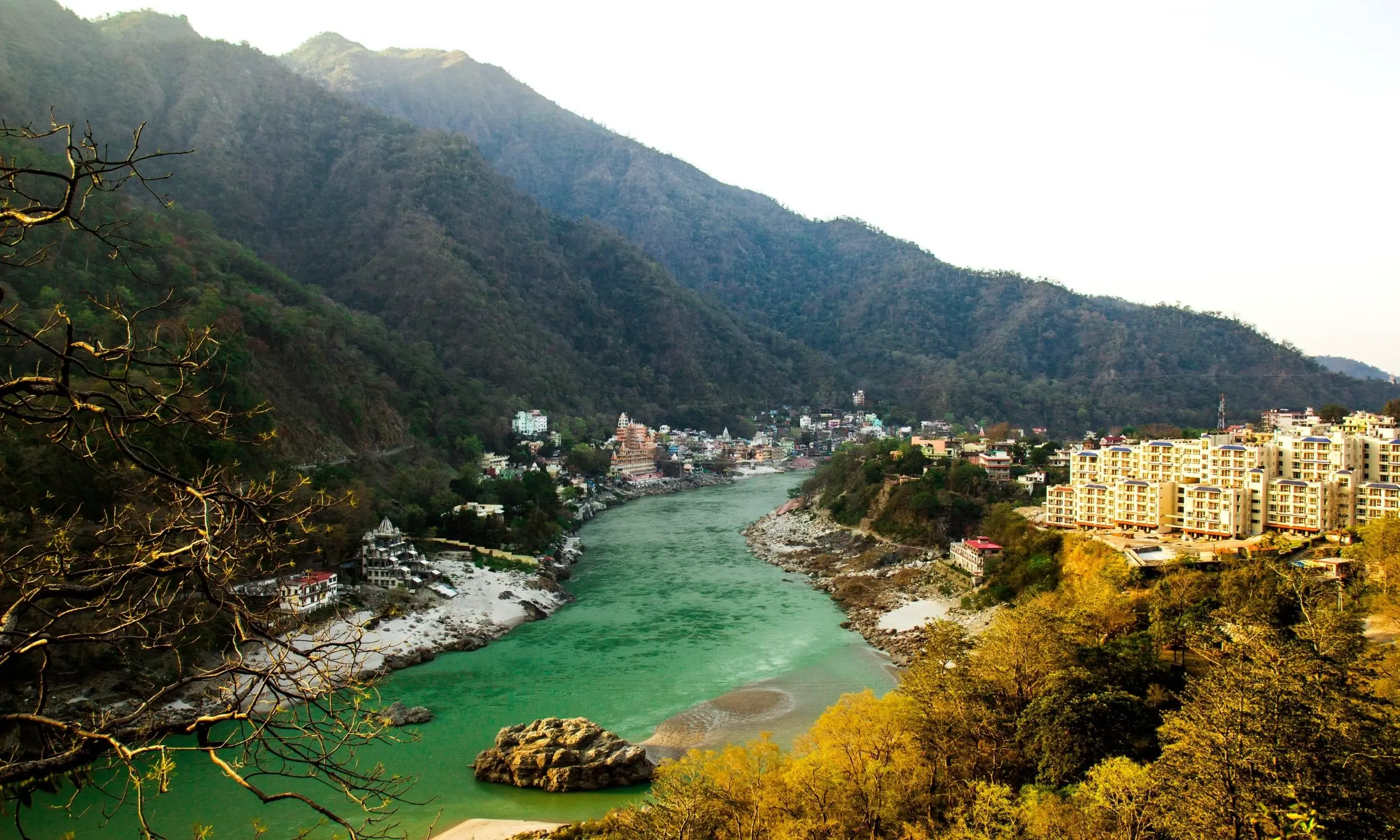
Rishikesh can be visited throughout the year, but the quality of the experience varies significantly by season. Weather conditions directly influence outdoor activities, river access, and the overall pace of travel. Choosing the right time depends largely on whether your focus is spirituality, yoga, nature, or adventure.
October to March: Best Overall Season
October through March is considered the most favorable period to visit Rishikesh. The weather remains pleasant, with cool mornings and comfortable daytime temperatures, making it ideal for sightseeing, yoga retreats, and attending evening Ganga Aartis. Clear skies during these months also improve visibility for hilltop viewpoints and nature walks.
Winter months, particularly December and January, can be cold during early mornings and nights, especially near the river. However, this season offers a quieter, more reflective atmosphere that appeals to spiritual seekers and long-stay visitors. Advance bookings are recommended, as this is also the peak tourist period.
April to June: Good for Adventure & Outdoor Activities
Summer months bring warmer temperatures, but they are well-suited for adventure tourism. River rafting, camping, and outdoor activities operate at full capacity during this period, attracting younger travelers and adventure enthusiasts.
While daytime heat can be intense, mornings and evenings remain manageable. Visitors during this season should plan outdoor activities early in the day and allow time for rest during peak afternoon hours. Accommodation availability is generally better than in winter, though popular rafting zones can still be busy.
July to September: Monsoon Season (Limited Travel)
Monsoon brings heavy rainfall to the region, increasing river levels and reducing accessibility to outdoor activities. River rafting is suspended during this period for safety reasons, and forest trails or hill roads may be affected by landslides.
That said, the landscape turns lush and vibrant, and the town sees significantly fewer tourists. This season may appeal to travelers seeking solitude, spiritual retreats, or monsoon scenery, provided they are prepared for weather-related disruptions and limited mobility.
Seasonal Travel Tip
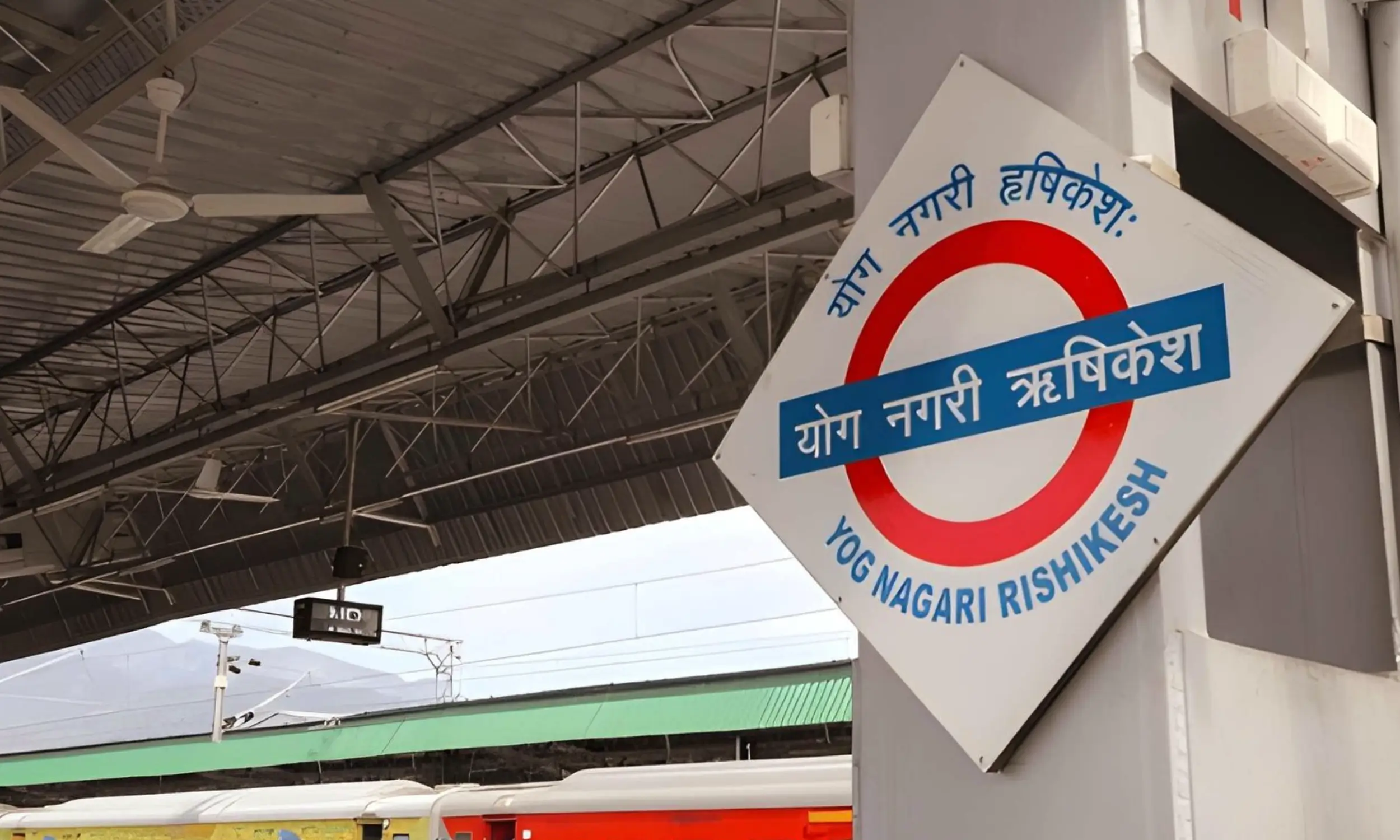
Rishikesh is well connected by air, rail, and road, making it easily accessible from major cities in North India. Most travelers reach Rishikesh via Haridwar or Dehradun, depending on their mode of transport and point of origin.
By Air
Jolly Grant Airport, Dehradun, located approximately 20–25 km from Rishikesh, is the nearest airport. It is connected by regular flights from Delhi and limited connections from other major Indian cities. From the airport, prepaid taxis and app-based cabs are readily available, and the drive to Rishikesh usually takes about an hour, depending on traffic.
By Train
Rishikesh Railway Station offers limited rail connectivity and is suitable mainly for short-distance or regional travel. For better train options, Haridwar Junction, about 25 km away, is the preferred railhead. Haridwar is well connected to major cities such as Delhi, Mumbai, Kolkata, and Ahmedabad through frequent express and overnight trains. From Haridwar, travelers can reach Rishikesh by taxi, shared cab, or state-run buses in about 45–60 minutes.
By Road
Rishikesh is well connected by road via national and state highways. Regular bus services operate from Delhi (ISBT Kashmere Gate), Haridwar, and Dehradun, including state transport buses, Volvo coaches, and private operators.
Driving to Rishikesh is a popular option, particularly from Delhi and nearby cities. The route offers scenic stretches along the Ganga during the final leg of the journey. Road travel times vary depending on traffic and season, with weekends and holidays often experiencing delays.
By Taxi or Private Vehicle
Private taxis are widely available from Delhi, Haridwar, and Dehradun. The approximate travel time is
Note: Self-driving travelers should be comfortable with hilly terrain near the destination and allow buffer time during monsoon months or peak travel seasons.






 Trekking Tour
 Peak Climbing
 Jeep Safari
 Mountain Biking
 +91-9212553109
 Plan Your trip