
4 Nights / 5 Days
Price : On Request
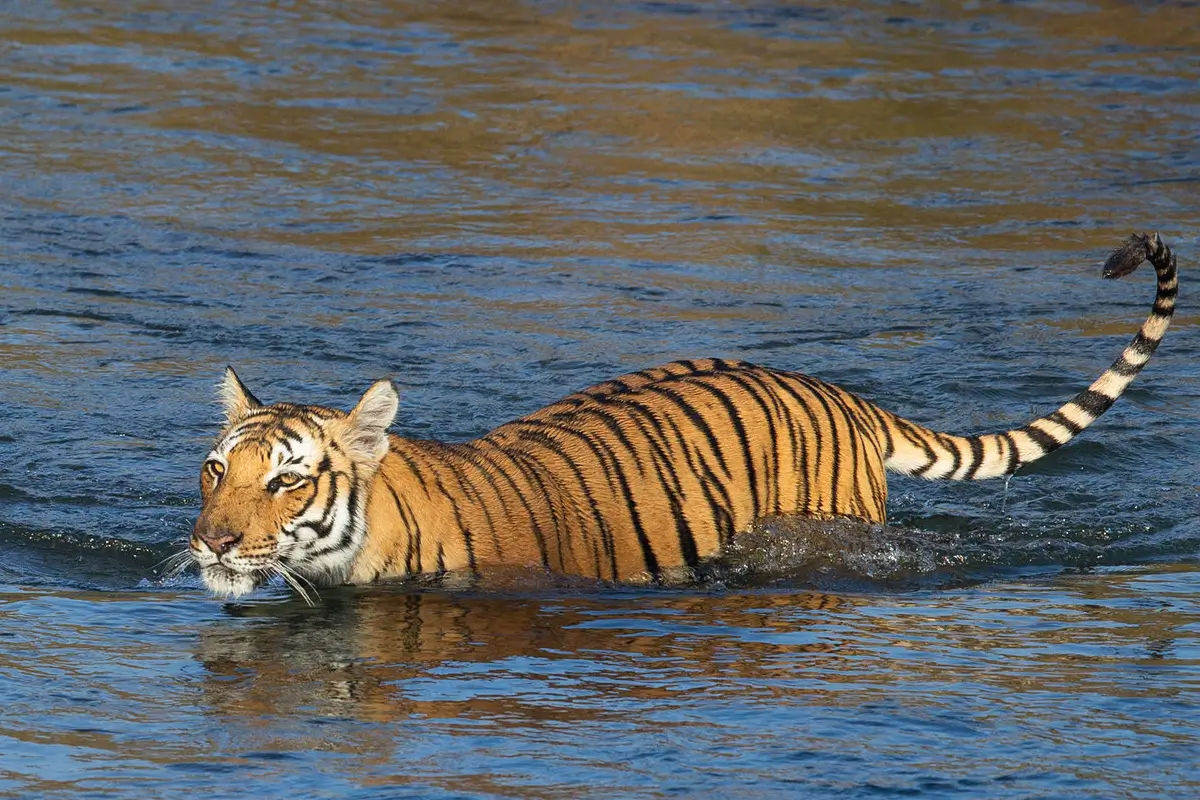
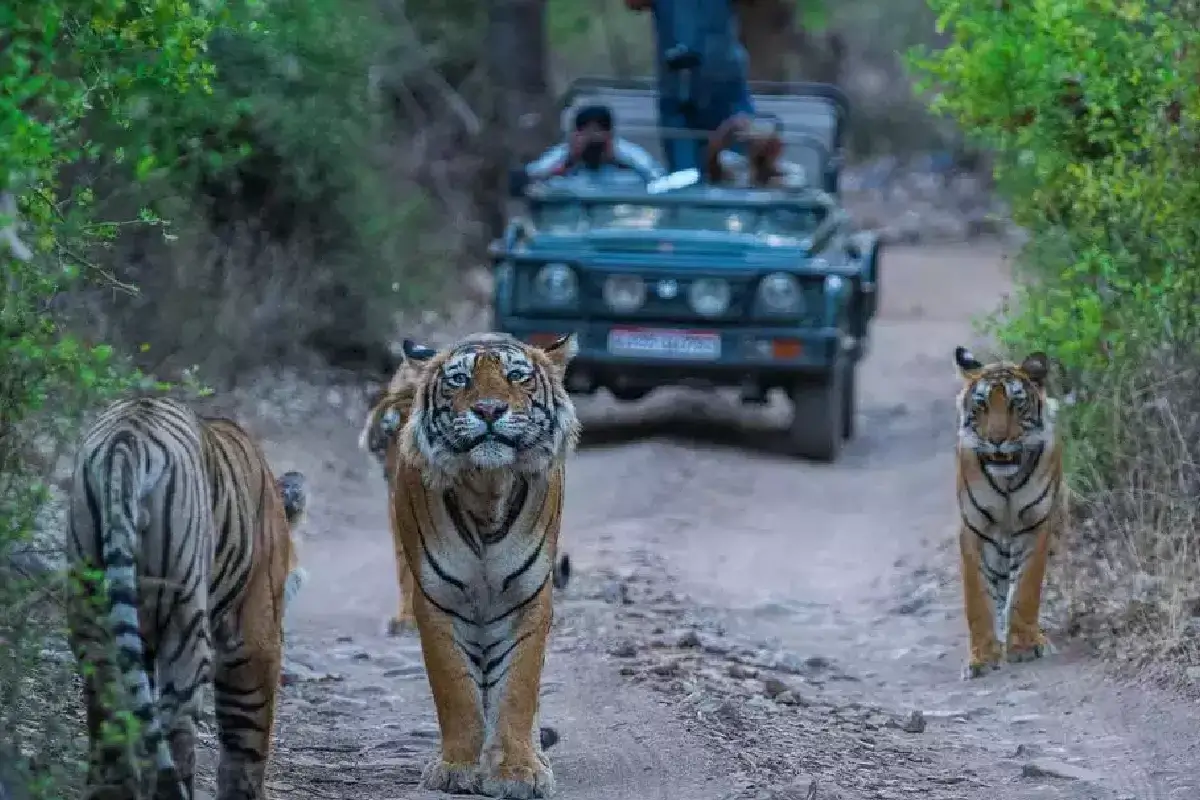
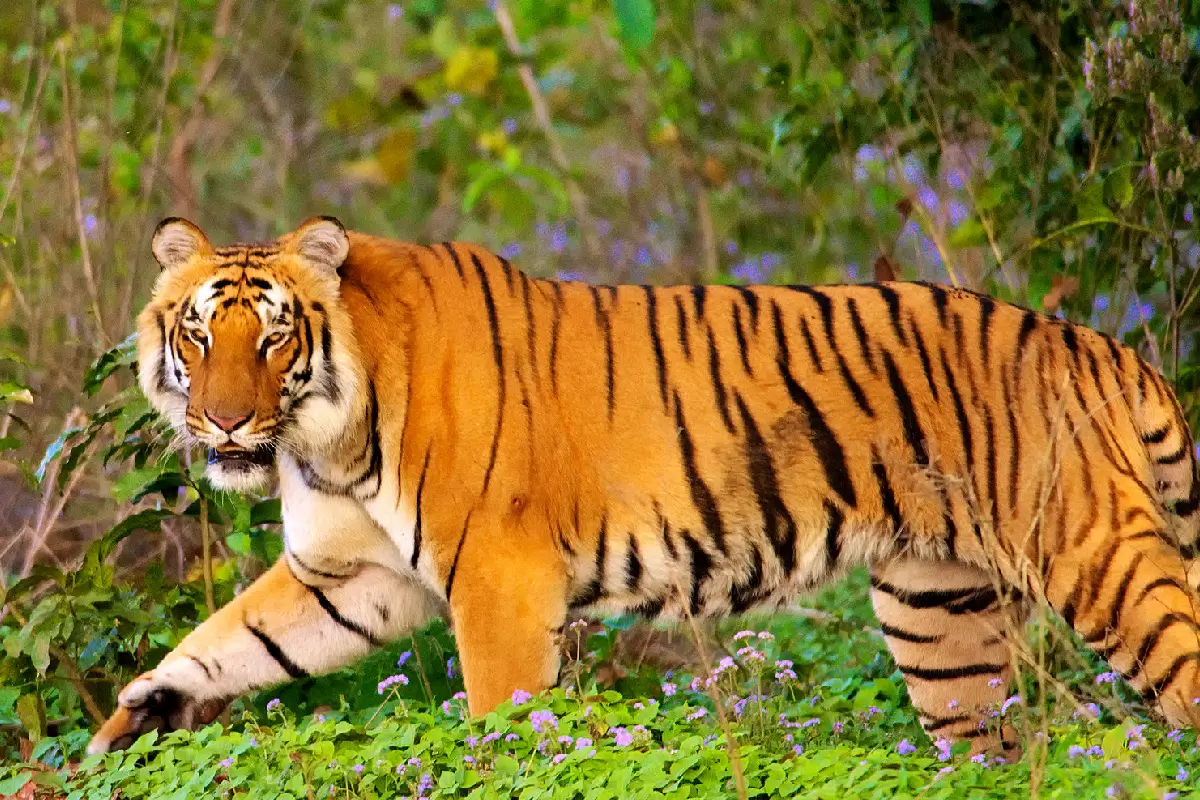
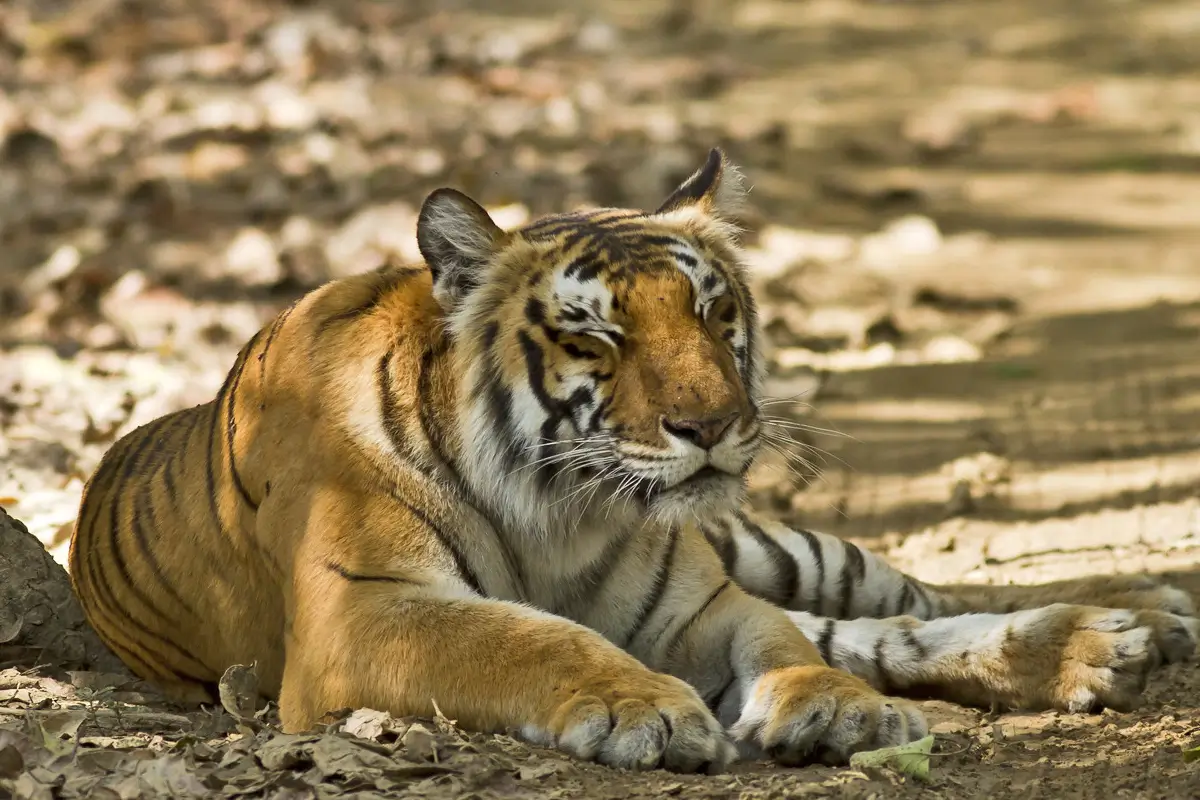
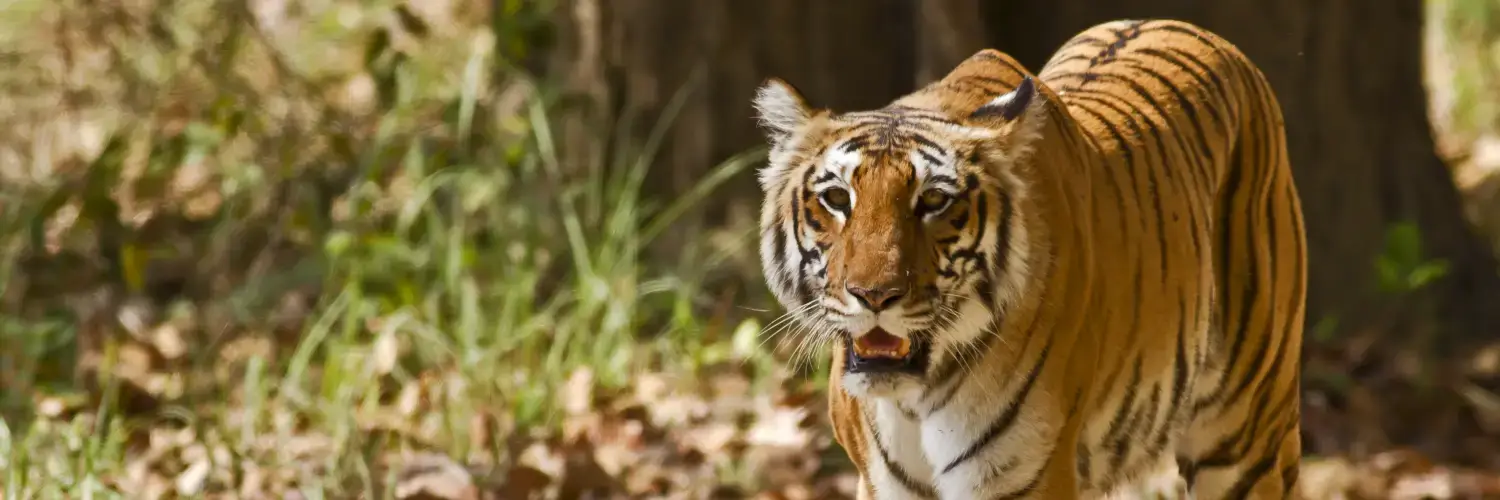
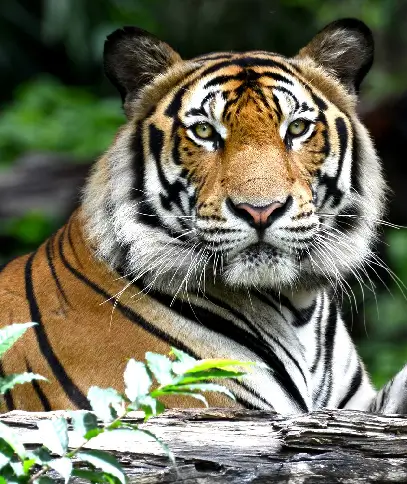
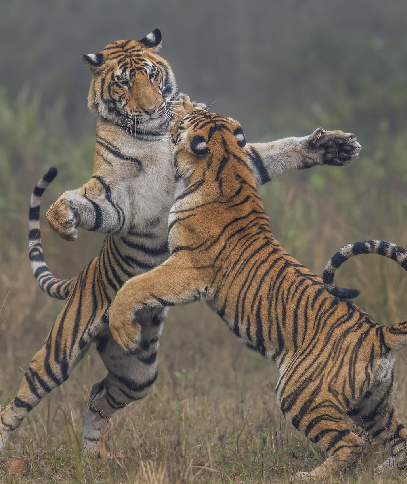
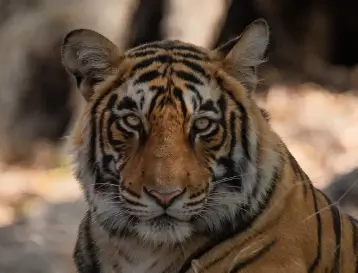
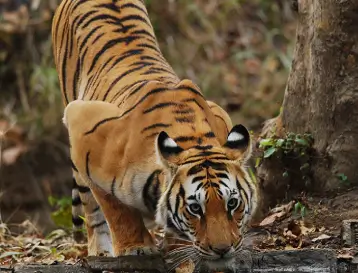
If any national park in India is as much popular as Taj Mahal in Agra, it is one and only Jim Corbett National Park. A brainchild of British Conservationist by the same name, the park became a reality in 1936. Today hundreds of wildlife species have made it their home and feel secure in the arms of nature, especially the ruthless predators- Royal Bengal Tigers. These exotic species are being conserved with the aid of Project Tiger.
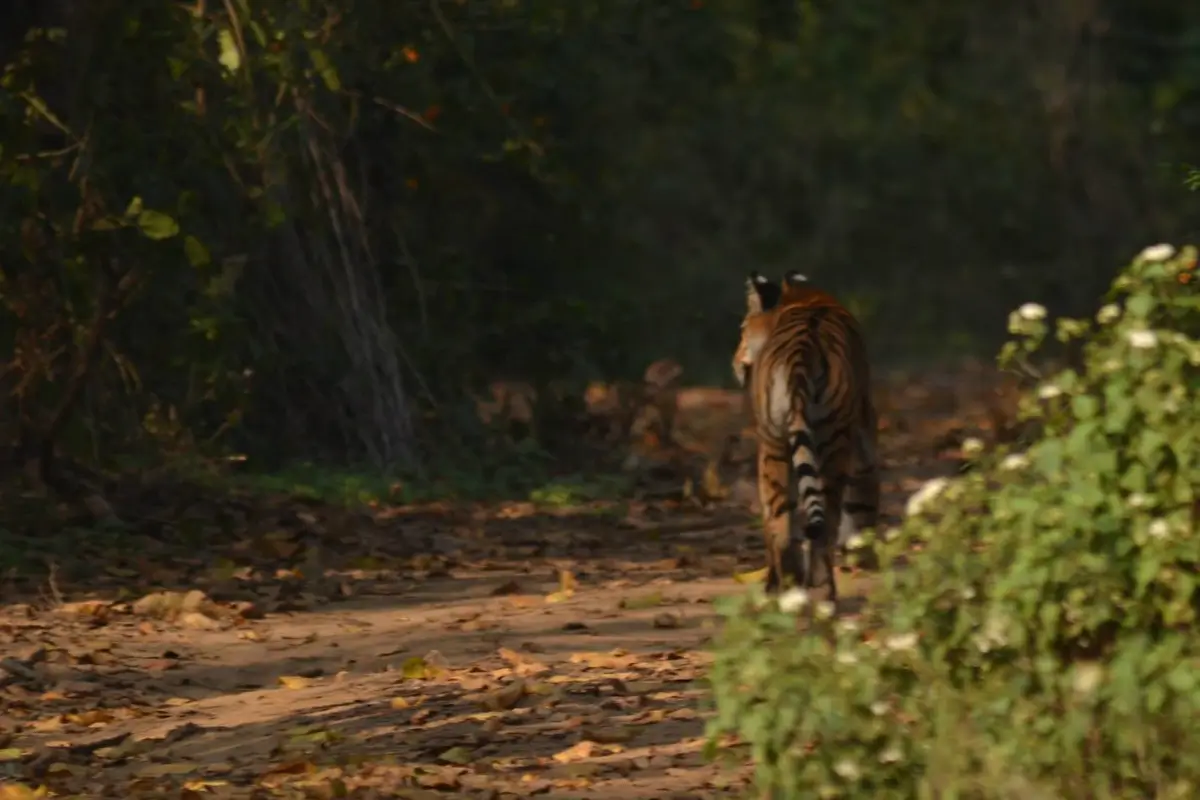
Located in Nainital district of Uttarakhand on the banks of River Ramganga, the Park is an amusement for those who love to see Nature-as-it-is; this is something which keeps getting rarer in city life. Running Cheetals, Sambhars, hunting leopards, roaring tigers, singing birds, and other such sights are glimpses of divine scenery painted with the medium of powerful colors of creation.
The park also comes with the opportunity of visiting nearby places like Dhikuli, Kalagarh Dam, Corbett Falls, etc are some of attractions that keep tourist on lookout for add-ons to their wildlife trip to the park.There are various safaris that could be enjoyed in the park include Jeep as well as Elephant Safari, and this comes in addition to the accommodations inside the park for a real jungle feeling surrounded by the thrilling sounds that may be scary to others.
For any further information about this national park browse- Corbett-National-Park.com
Get ready to enter the wild heart of India, where the forest echoes with tiger calls and the river valleys shimmer under the Himalayan foothills. Established in 1936, Corbett National Park is India’s oldest national park and the birthplace of Project Tiger, a legacy woven deep into India’s conservation history. Spanning more than 520 sq km of core forest and forming part of a vast tiger reserve of over 1,280 sq km, Corbett is a breathtaking blend of sal forests, riverbeds, grasslands, hills, and sparkling streams.
With more than 650 species of birds and animals, Corbett remains one of India’s most biodiverse wildlife destinations. It offers unmatched chances to experience tigers, elephants, leopards, crocodiles, birdlife, and pristine Himalayan landscapes. If you crave adrenaline-packed safaris and serene nature moments, Corbett delivers an unforgettable wildlife safari experience.
Corbett’s rich vegetation is shaped by its Himalayan foothill terrain, supporting more than 600 species of trees, shrubs, grasses, climbers, and herbs. Towering sal trees dominate the landscape, while riverine belts, grasslands, and mixed forest patches create diverse habitats essential for herbivores, carnivores, and a thriving bird population. Seasonal blooms add year-round color to this vibrant ecosystem.
| Category | Species / Details |
|---|---|
| Dominant Trees | Sal, Khair, Sissoo |
| High-Elevation Species | Chir Pine, Banj Oak |
| Flowering Trees | Kachnaar, Flame-of-the-Forest, Semal, Amaltas |
| Fruit-Bearing Trees | Jamun, Amla, Bel |
| Grass & Shrub Species | 70+ grass species, bamboo patches |
Corbett is home to one of India’s most diverse faunal communities, led by its famed Bengal tigers. The park’s varied habitats support elephants, leopards, bears, deer species, primates, crocodiles, and an exceptional range of birds. Rivers, grasslands, and forested slopes create dynamic ecosystems where predators and prey thrive in a beautifully balanced wild environment.
| Category | Species Found |
|---|---|
| Flagship Species | Royal Bengal Tiger |
| Major Mammals | Asiatic Elephants, Leopards, Sloth Bears, Himalayan Black Bears |
| Deer & Herbivores | Sambar, Chital, Hog Deer, Barking Deer, Wild Boar |
| Primates | Langurs, Rhesus Macaques |
| Birds (600+ species) | Great Hornbill, Serpent Eagle, Pallas’s Fish Eagle, Owls, Waterfowl |
| Reptiles | Gharial, Mugger Crocodile, King Cobra, Pythons, Monitor Lizards |
| Aquatic Life | Mahseer fish & river species |
Corbett offers two primary wildlife safari experiences for visitors exploring its diverse habitats:
Note : Jeep safaris inside Dhikala are restricted to guests staying at the Dhikala Forest Rest House.
Corbett is divided into several tourism zones, each known for unique landscapes and wildlife patterns.
Best Zones for Tiger Sightings: Dhikala, Bijrani, and Jhirna
| Zone | Landscape | Highlights |
|---|---|---|
| Dhikala | Grasslands & river views | Best for tigers, elephants, birds; core area |
| Bijrani | Sal forests | Great sightings & popular routes |
| Jhirna | Mixed forest | Open all year; sloth bears |
| Dhela | Dense vegetation | Good birdlife & serene drives |
| Durga Devi | Riverine forest & hills | Great for birds, elephants |
| Sitabani | Buffer forest | Nature walks, elephant sightings |
| Sonanadi (Added Area) | Mixed forests | Quiet escapes, diverse wildlife |
General safari timings in Corbett follow sunrise and sunset cycles:
| Safari Type | Morning | Afternoon |
|---|---|---|
| Jeep Safari | 6:00–6:30 AM to 9:30 AM | 3:00 PM to 6:00 PM |
| Dhikala Canter Safari | 6:00 AM – 11:30 AM | 12:00 PM – 5:30 PM |
Note : Exact safari timings in Corbett vary slightly by season and forest department schedules.




 Trekking Tour
 Peak Climbing
 Jeep Safari
 Mountain Biking
 +91-9212553109
 Plan Your trip