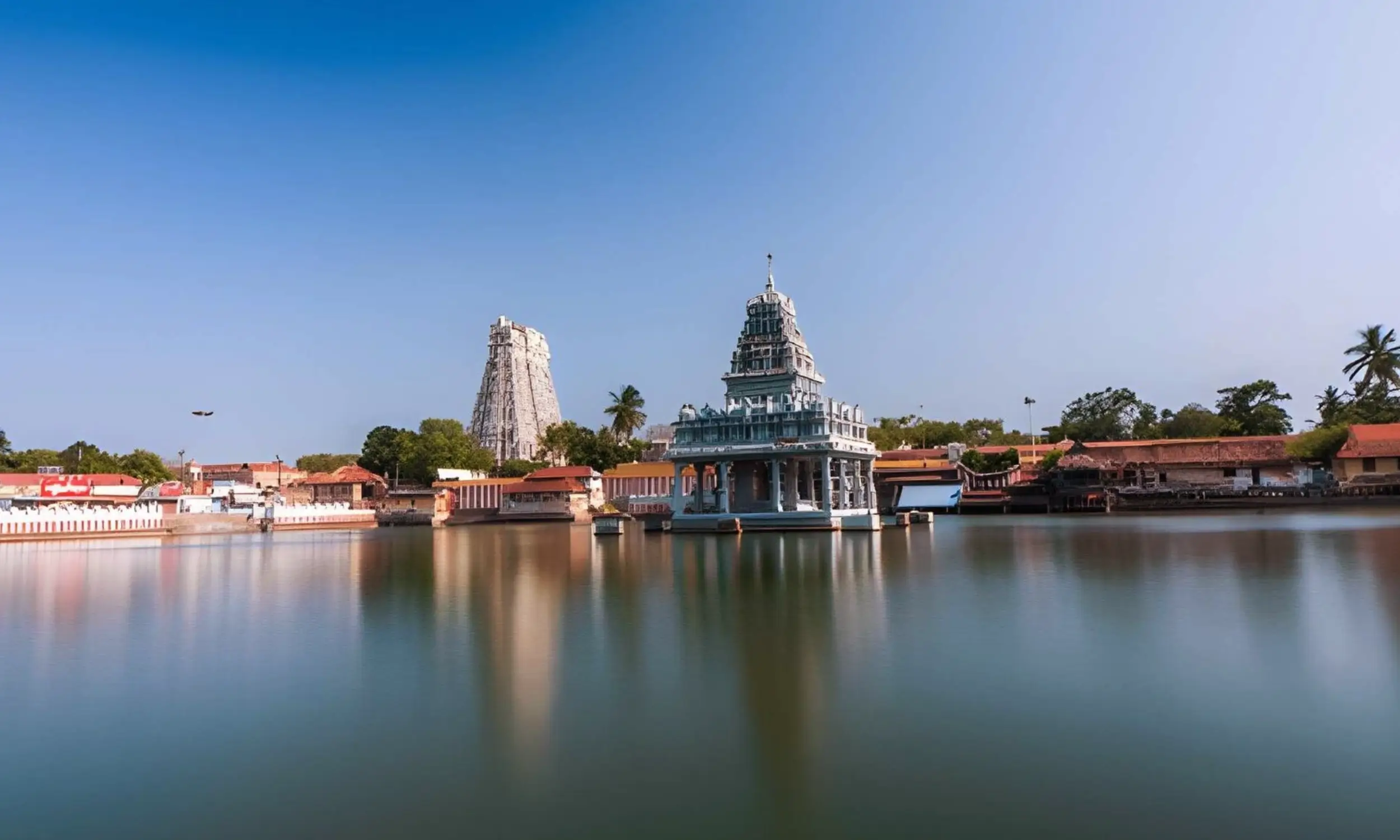
Tamil Nadu, located along the southeastern coast, is one of the most culturally rich and diverse travel destinations in India. Known for its ancient temple architecture, long coastline, classical arts, hill stations, and spiritual traditions, the state offers a wide range of experiences that appeal to pilgrims, heritage travellers, nature lovers, and families alike.
From the metropolitan energy of Chennai to the sacred temple towns of Madurai and Rameswaram, and from the misty Nilgiri hills to quiet coastal stretches, tourism in Tamil Nadu reflects centuries of history shaped by powerful dynasties such as the Cholas, Pallavas, and Pandyas.
This depth of heritage, combined with varied landscapes and strong infrastructure, makes Tamil Nadu a well-rounded destination for travel across seasons.
Explore: Popular South India Tour Packages
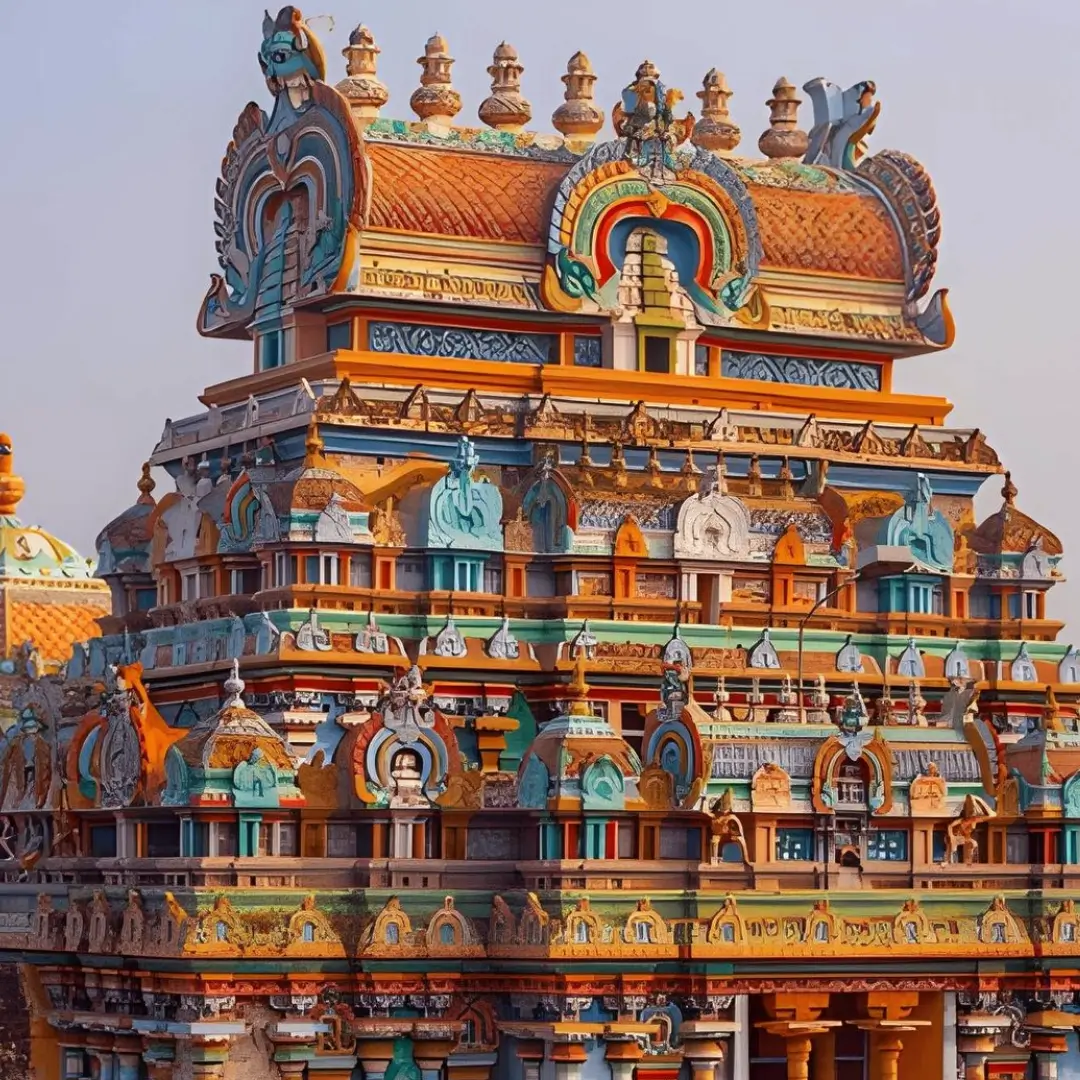

Tamil Nadu is home to one of the world’s oldest living cultures, with a recorded history spanning over two millennia. The Sangam period (300 BCE–300 CE) laid the foundations of Tamil literature, language, and cultural identity.
Successive dynasties, including the Pallavas, Cholas, and Pandyas, shaped the region through monumental temple construction, sculpture, and maritime trade. The Pallavas pioneered rock-cut architecture at Mahabalipuram, while the Cholas built structural masterpieces such as the Brihadeeswara Temple in Thanjavur. Later rulers, including the Vijayanagara Empire and Nayaks, expanded temple complexes with towering gopurams.
European colonial powers later influenced coastal cities, adding another historical layer that remains visible in architecture and urban planning.
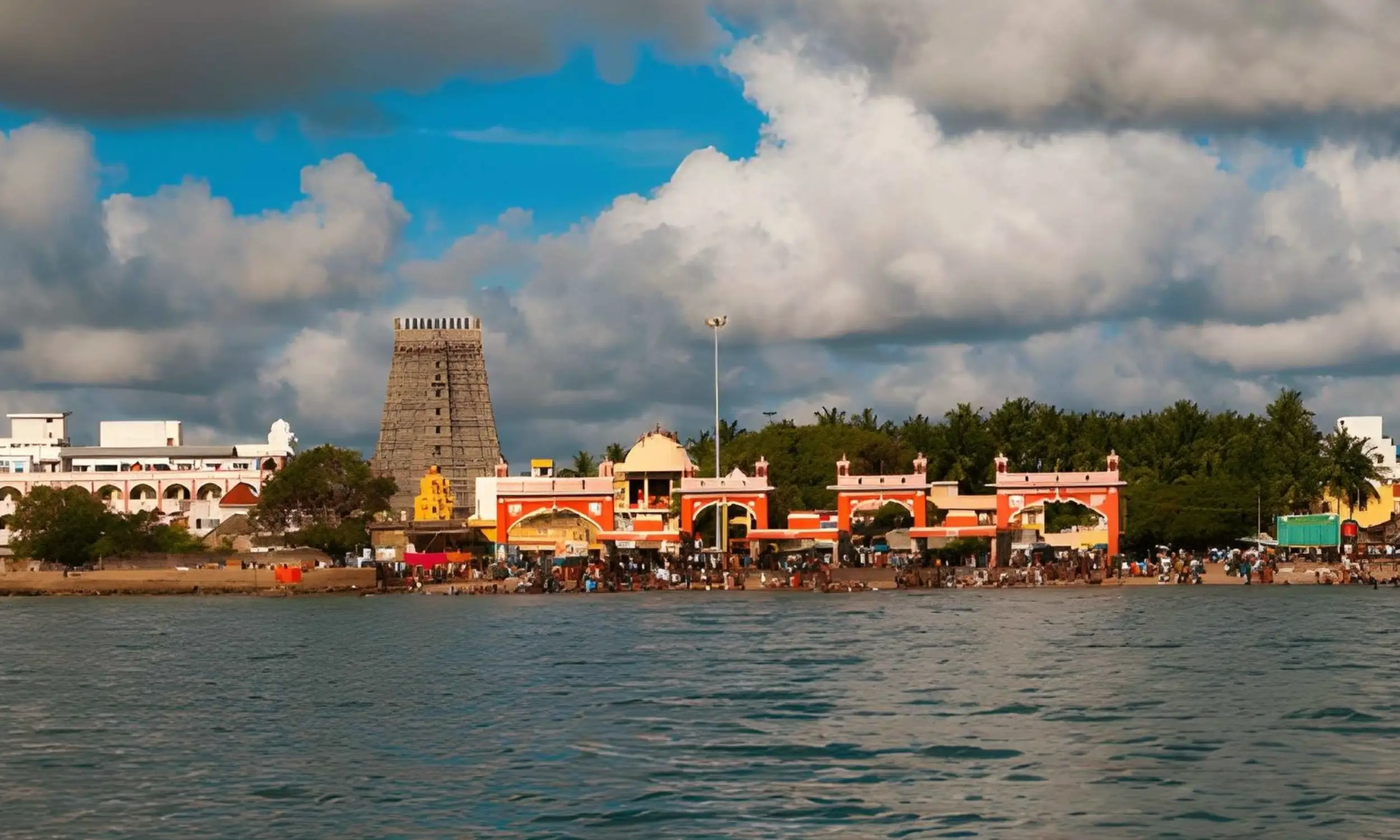
Pilgrimage tourism forms the spiritual backbone of Tamil Nadu, which is often referred to as the “Land of Temples.” The state is home to thousands of Dravidian-style temples that continue to function as active centres of worship, art, and ritual.
Key pilgrimage sites include the Meenakshi Amman Temple in Madurai, the Brihadeeswara Temple in Thanjavur (a UNESCO World Heritage Site), the Ramanathaswamy Temple in Rameswaram, the Arunachaleswarar Temple in Tiruvannamalai, the Nataraja Temple in Chidambaram, and the Sri Ranganathaswamy Temple in Srirangam, the world’s largest functioning Hindu temple complex.
These temples attract devotees throughout the year and are closely linked to major festivals, classical music, and traditional dance forms.

Tamil Nadu has developed a strong reputation for wellness tourism, combining traditional Ayurveda with yoga practices in calm natural settings. Wellness retreats are commonly found in the Nilgiri hills, the Coimbatore region, and select coastal areas, where climate and landscape support long-term therapeutic programs.
Visitors can access treatments such as Panchakarma, yoga therapy, stress management, and lifestyle correction programs under trained practitioners. The focus remains on traditional methods rather than mass-market wellness tourism, making Tamil Nadu suitable for travellers seeking authentic healing experiences.
Tamil culture is best experienced through its festivals, which blend devotion, music, dance, and community participation. Pongal, celebrated in January, marks the harvest season and is the state’s most important festival. The Margazhi Music Season in Chennai (December–January) attracts global audiences for Carnatic music and Bharatanatyam performances.
Other major events include the Chithirai Festival in Madurai, Natyanjali Dance Festival in Chidambaram, and Thaipusam celebrations at major Murugan temples.These festivals in Tamil Nadu provide travellers with immersive insights into the state’s living cultural traditions.
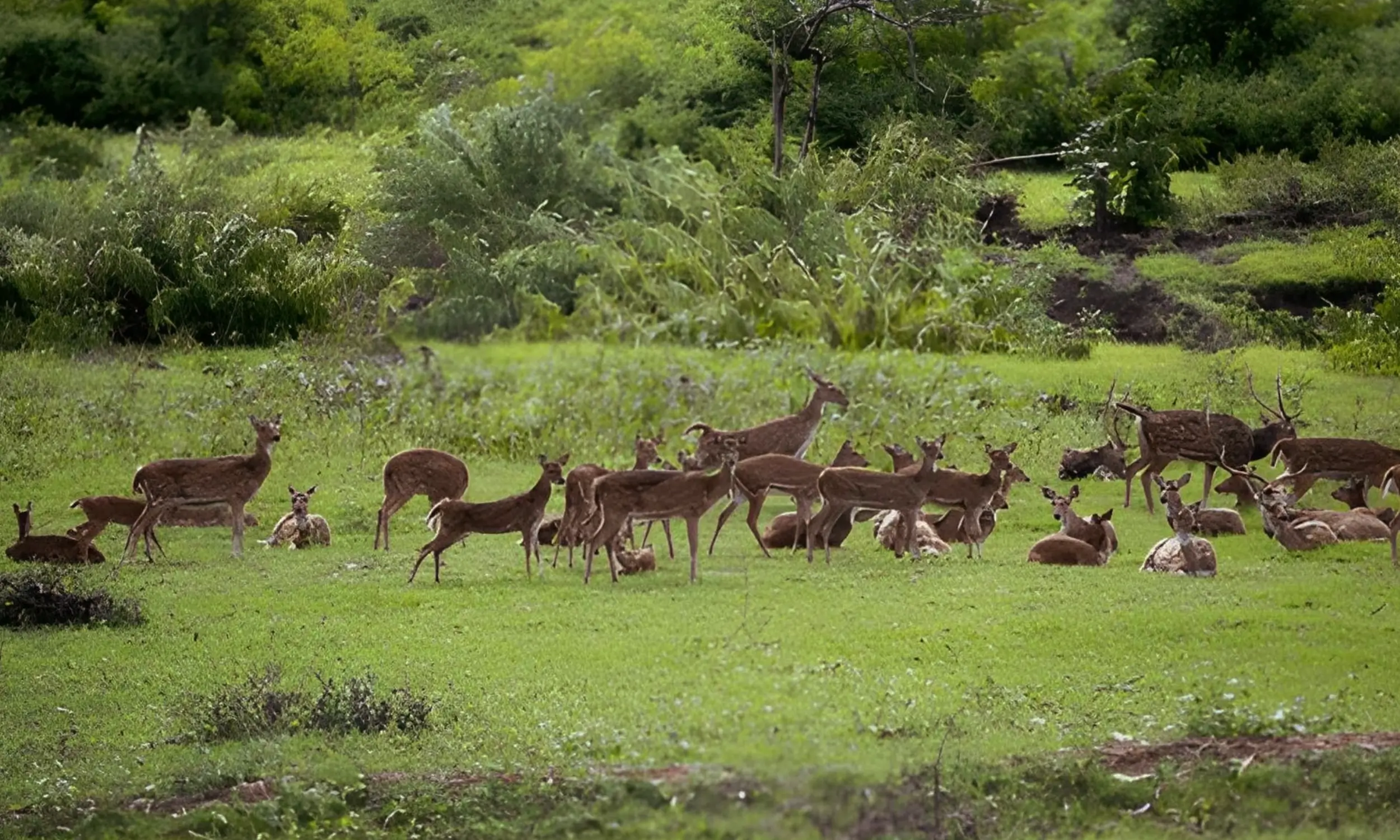
Tamil Nadu supports rich wildlife diversity across national parks, tiger reserves, and bird sanctuaries spread between the Western Ghats and eastern plains.
Key wildlife destinations in Tamil Nadu include Mudumalai National Park, Anamalai Tiger Reserve, Sathyamangalam Wildlife Sanctuary, Kalakkad Mundanthurai Tiger Reserve, and Vedanthangal Bird Sanctuary. These areas protect elephants, tigers, leopards, deer species, and migratory birds, offering safari and birdwatching opportunities in regulated environments.
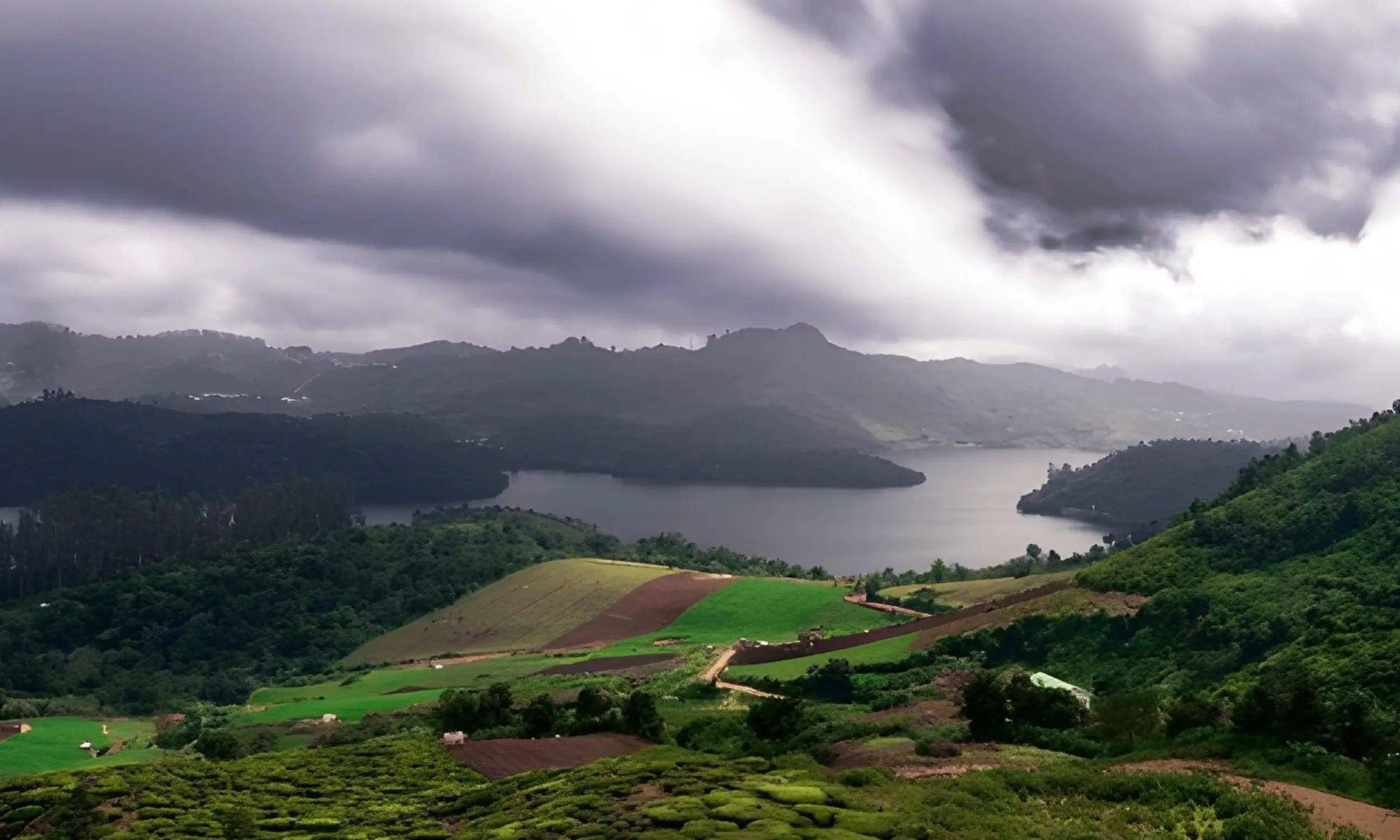
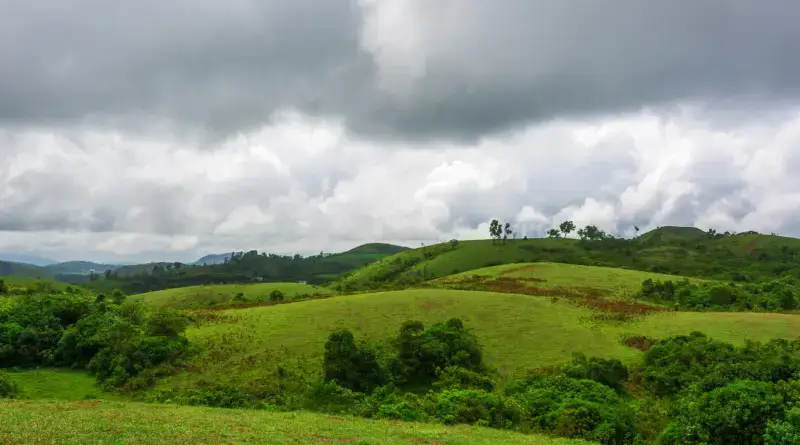
Nature and adventure tourism in Tamil Nadu centres around its hill stations and forested regions. Popular activities include trekking in Ooty, Kodaikanal, Yercaud, and Kolli Hills, paragliding in select hill regions; mountain biking through plantation roads, and boating on lakes such as Ooty Lake and Kodaikanal Lake. Waterfalls, forest trails, and panoramic viewpoints provide outdoor experiences suited to both adventure seekers and casual nature travellers.
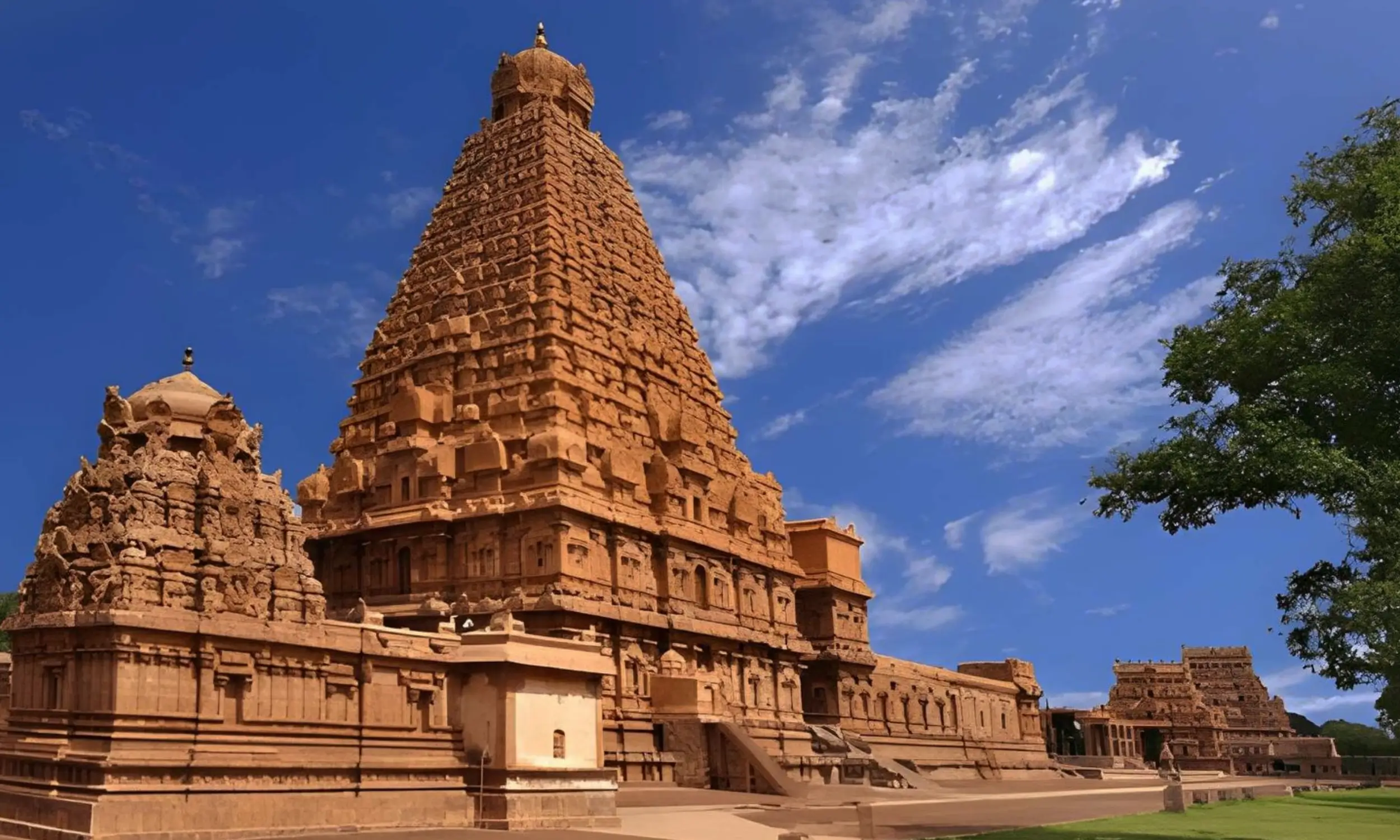
Tamil Nadu’s heritage tourism highlights the evolution of Dravidian architecture and ancient urban planning.
UNESCO-listed sites such as Mahabalipuram and the Brihadeeswara Temple in Thanjavur showcase Pallava and Chola craftsmanship. Kanchipuram, Thanjavur, and Madurai remain key heritage cities, while forts, palaces, and colonial structures add architectural variety across the state.
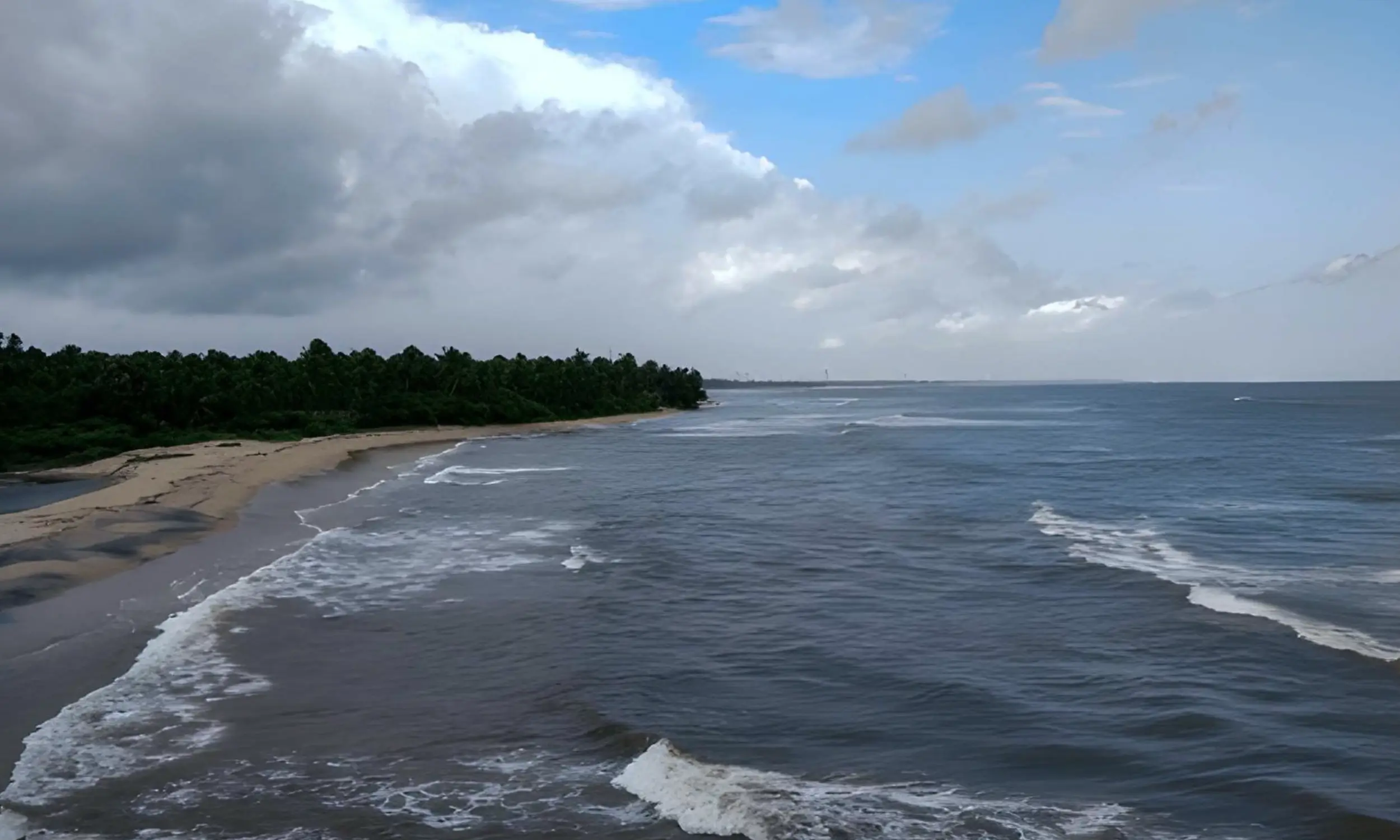
Tamil Nadu’s 1,000+ km coastline includes both urban and secluded beaches. Marina Beach in Chennai is among the world’s longest urban beaches, while Mahabalipuram and Rameswaram combine coastal scenery with heritage and spiritual significance.
Kanyakumari offers the rare spectacle of sunrise and sunset over the sea, while Covelong has emerged as a surfing hub. Quieter beaches along the southern coast provide peaceful alternatives away from crowds.
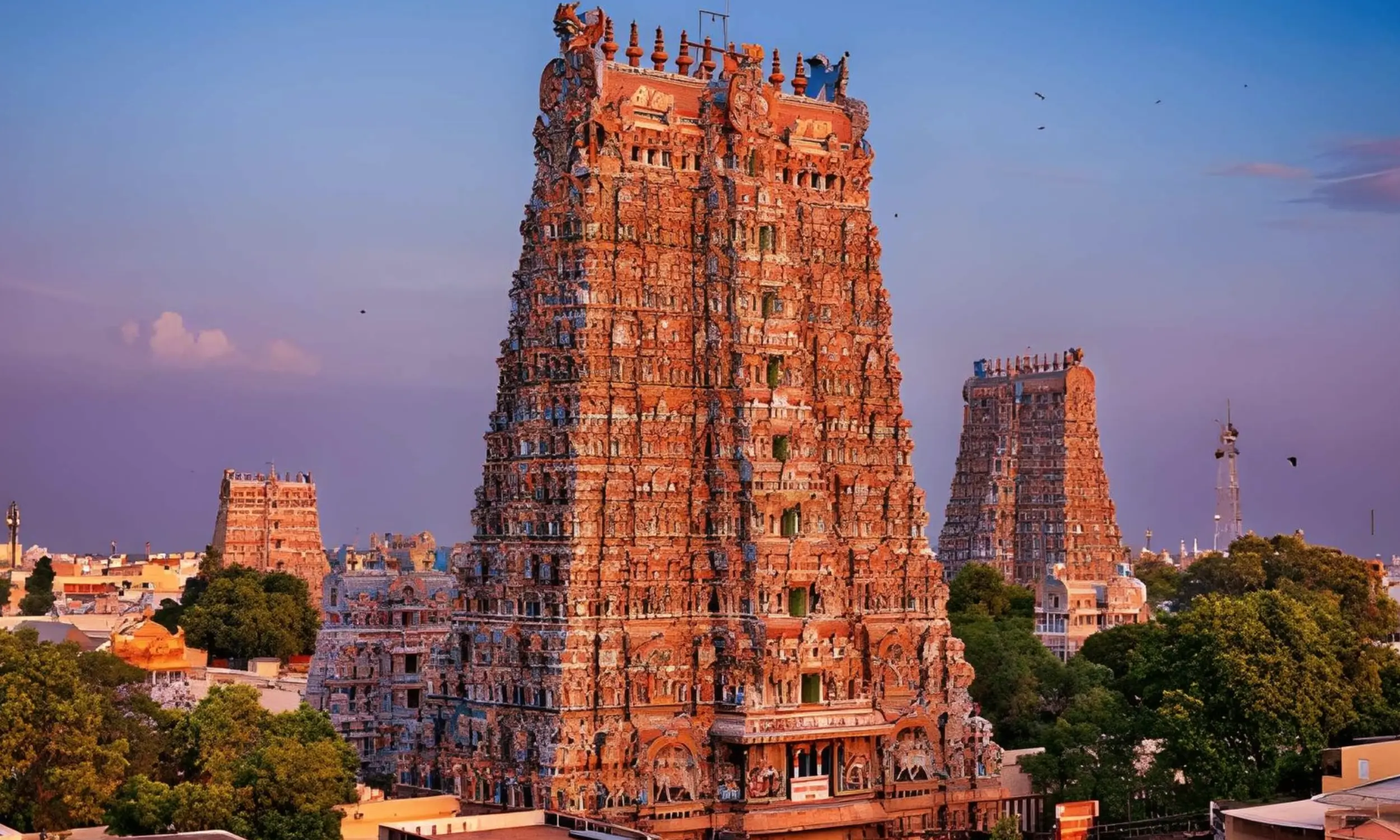
Top tourist destinations in Tamil Nadu showcase the state's incredible diversity, from ancient temple cities to colonial-era hill stations and vibrant metropolitan centers.
The capital city and gateway to Tamil Nadu blends modernity with tradition. Fort St. George, established in 1644, stands as India's first English fortress. The Government Museum houses an impressive collection of archaeological artifacts and bronze sculptures. San Thome Cathedral, built over the tomb of St. Thomas, represents colonial-era architecture. The Kapaleeshwarar Temple in Mylapore exemplifies Dravidian temple architecture with its towering gopuram. Shopping enthusiasts flock to T. Nagar's Ranganathan Street and Pondy Bazaar for silk sarees, jewelry, and traditional crafts.
The cultural capital, often called the "Athens of the East," centers around the magnificent Meenakshi Amman Temple. The temple complex covers 45 acres with 12 towering gopurams, attracting thousands of devotees daily. The nightly ceremony of putting Lord Sundareshwarar to sleep draws large crowds. Thirumalai Nayakkar Mahal showcases Indo-Saracenic architecture with its massive pillars and courtyard. Gandhi Memorial Museum provides insights into India's independence struggle.
Udhagamandalam, the "Queen of Hill Stations," sits at 2,240 meters in the Nilgiri hills. The Nilgiri Mountain Railway, a UNESCO World Heritage Site, offers scenic journeys from Mettupalayam through 16 tunnels and 250 bridges. The Government Botanical Garden, spread across 55 acres, displays 650+ plant species. Ooty Lake provides boating opportunities surrounded by eucalyptus groves. Doddabetta Peak, the highest point in Tamil Nadu at 2,637 meters, offers panoramic views of the surrounding landscape.
The "Princess of Hill Stations" nestles in the Palani Hills at 2,133 meters. The star-shaped Kodaikanal Lake serves as the town's centerpiece for boating and cycling. Coaker's Walk, a cliff-edge pedestrian path, provides stunning valley views, especially during misty mornings. Bryant Park showcases exotic flower varieties and hosts an annual flower show. Pillar Rocks, three massive granite boulders standing vertically, reach heights of 122 meters. The Kurinji Andavar Temple celebrates the unique Kurinji flowers that bloom once every 12 years, carpeting the hills in blue.
Located on Pamban Island, it holds immense spiritual significance as one of India's holiest pilgrimage sites. The Ramanathaswamy Temple features the world's longest temple corridor with ornate pillars. The Pamban Bridge, connecting the island to mainland India, offers spectacular views of surrounding waters. Dhanushkodi, the ghost town at the southeastern tip, provides hauntingly beautiful seascapes where the Bay of Bengal meets the Indian Ocean.
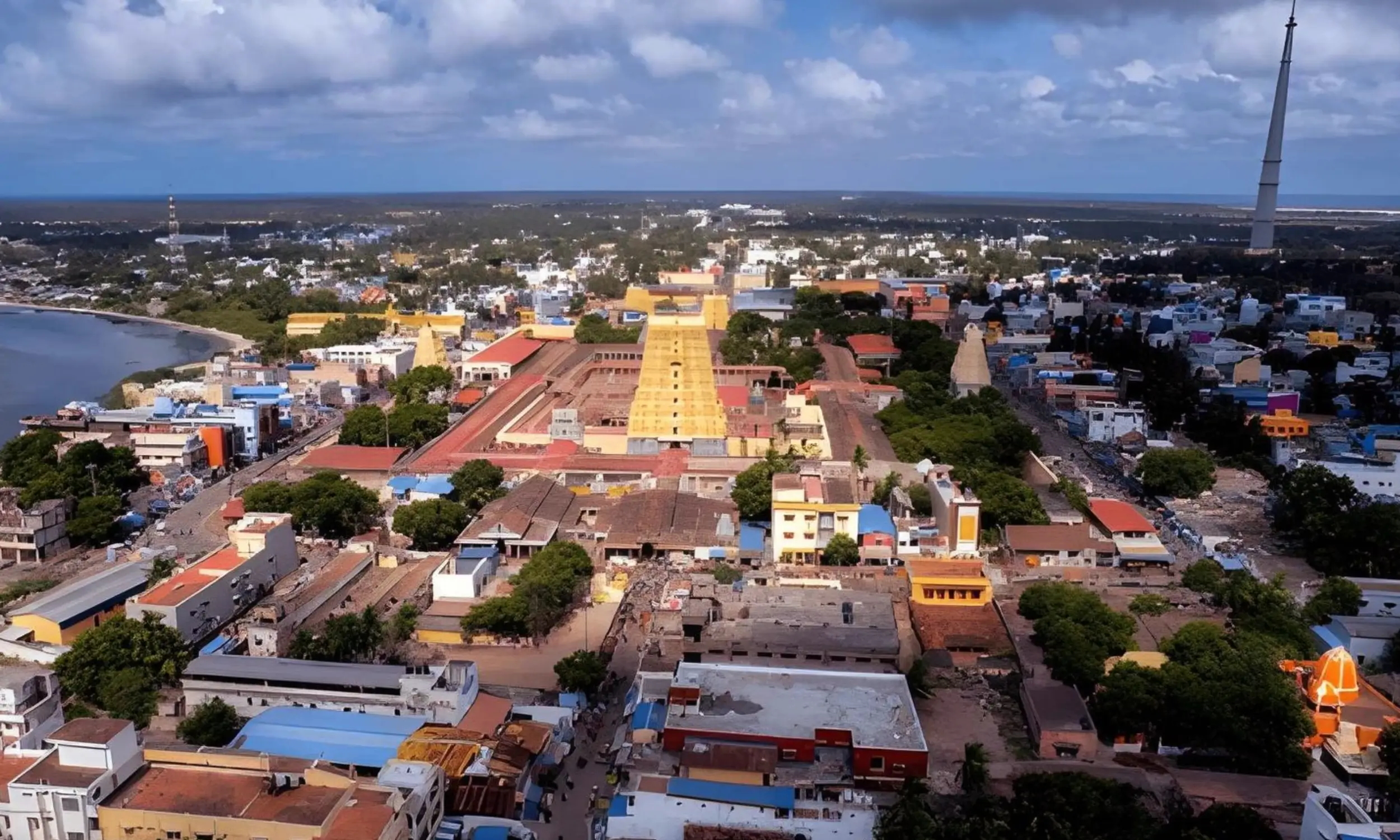
Top things to do in Tamil Nadu encompass a wide range of experiences catering to diverse interests and preferences.
Visiting ancient temples forms an essential Tamil Nadu experience. Participate in traditional pujas at the Meenakshi Temple, witness the Nataraja dance pose sculpture at Chidambaram, and explore the architectural marvel of Thanjavur's Brihadeeswara Temple. Each temple offers unique insights into Dravidian architecture, Hindu mythology, and centuries-old religious practices.
Embark on safari adventures through Tamil Nadu's national parks and sanctuaries. Early morning jungle safaris in Mudumalai offer opportunities to spot elephants, gaurs, and occasionally tigers in their natural habitat. Boat rides through Pichavaram mangrove forests reveal unique ecosystems teeming with aquatic birds and marine life.
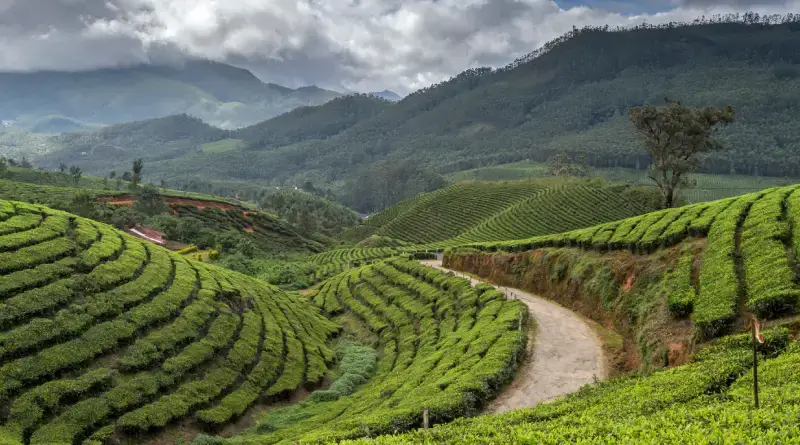
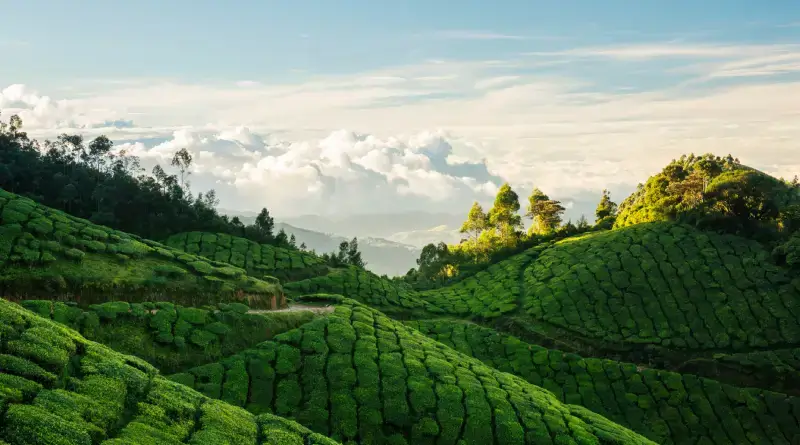
Explore the lush tea estates of Ooty, Coonoor, and Valparai. Guided plantation tours explain tea cultivation, harvesting, and processing methods. Visitors can participate in tea tasting sessions, learning to distinguish between different varieties while enjoying fresh mountain air and scenic views of manicured tea gardens stretching across hillsides.
Tamil Nadu's extensive coastline provides numerous water sport opportunities. Learn surfing at Covelong Beach, try parasailing at Rameshwaram, or simply enjoy peaceful beach walks along less-crowded shores. Beach volleyball, sand sculpting, and beachside yoga sessions offer additional coastal entertainment options.
Experience authentic Tamil culture through classical music and dance performances. Attend Bharatanatyam recitals, Carnatic music concerts during the Margazhi season, or traditional folk performances that showcase the state's rich artistic heritage.
Challenge yourself with treks through Western Ghats trails, reaching viewpoints like Dolphin's Nose in Kodaikanal or Lamb's Rock in Coonoor. Try paragliding over verdant valleys, rock climbing on challenging rock faces, or mountain biking through winding hill station roads.
Savor authentic Tamil cuisine through food walks in Madurai, cooking classes in Chettinad, or simple meals at traditional South Indian restaurants. Such as idli, dosa, sambhar, and filter coffee while exploring regional specialties like Chettinad chicken, Madurai jigarthanda, and Ooty chocolates.

Understanding Tamil Nadu's climate helps travelers plan optimal visits to different regions. The best time to visit Tamil Nadu varies depending on the destinations and activities planned.
Winter Season (November to February)
This represents the ideal period for most visitors, with temperatures ranging from 20°C to 30°C across plains and coastal areas. The pleasant weather makes this perfect for Tamil Nadu sightseeing tour including temple visits, beach holidays, and heritage exploration. Chennai experiences cool sea breezes, while hill stations like Ooty and Kodaikanal turn quite cold, requiring warm clothing. Wildlife enthusiasts find this season best for safaris as animals frequent water holes more regularly.
Summer Season (March to June)
Coastal areas experience hot, humid weather with temperatures reaching 40°C, making beach activities less comfortable. However, this period offers excellent opportunities for best visiting places in Tamil Nadu located in hill stations. Ooty, Kodaikanal, Coonoor, and other hill stations provide cool respite with temperatures between 15°C and 25°C. Summer proves ideal for tea plantation visits, nature walks, and trekking activities in the hills.
Monsoon Season (July to October)
The southwest monsoon brings heavy rainfall to coastal and interior regions from July to September, while the northeast monsoon affects the state from October to December. Though travel can be challenging due to rains, monsoon seasons transform landscapes into lush green paradises. Waterfalls reach their magnificent best, and hill stations wear ethereal misty cloaks. Travelers seeking solitude and dramatic landscapes find monsoons rewarding despite occasional travel disruptions.
Festival Seasons
Plan visits to Tamil Nadu around major festivals for enhanced cultural experiences. January offers Pongal celebrations and the Margazhi Music Season. April features the spectacular Chithirai Festival in Madurai. The Natyanjali Dance Festival at Chidambaram occurs in February-March, while the Mahamaham Festival in Kumbakonam happens once every 12 years.

Tamil Nadu's excellent connectivity makes it easily accessible through various transportation modes from across India and international destinations.
By Air
Chennai International Airport serves as the primary gateway, handling both domestic and international flights from major global cities. The airport, located 21 kilometers from the city center, offers excellent connectivity through taxis, buses, and metro rail. Coimbatore International Airport serves western Tamil Nadu with flights to major Indian cities and some international destinations. Madurai Airport and Tiruchirappalli International Airport provide additional connectivity options for travelers heading to southern and central Tamil Nadu, respectively. Domestic flights connect Chennai to Tuticorin and Puducherry, facilitating easier access to these regions.
By Train
Tamil Nadu's extensive railway network connects all major cities and towns. Chennai Central and Chennai Egmore serve as major railway junctions with trains arriving from Delhi, Mumbai, Kolkata, Bangalore, and other metropolitan cities. Madurai Junction connects southern Tamil Nadu, while Coimbatore Junction serves as the gateway to hill stations. The iconic Nilgiri Mountain Railway, a UNESCO World Heritage Site, operates between Mettupalayam and Ooty, offering scenic journeys through tea estates and forests. Express and superfast trains provide comfortable overnight journeys from major cities, while local trains connect smaller towns efficiently.
By Road
An excellent network of national and state highways connects Tamil Nadu to neighboring states. Regular bus services operate from Bangalore, Hyderabad, Kochi, and other cities. The state-run Tamil Nadu State Transport Corporation (TNSTC) operates comfortable buses, including air-conditioned Volvo services, between major cities. Private operators provide additional options with varying comfort levels. Self-drive options allow flexibility, with well-maintained highways making road trips enjoyable. The East Coast Road (ECR) from Chennai to Pondicherry offers particularly scenic coastal drives.
Tamil Nadu offers a rare combination of heritage, spirituality, nature, and cultural depth within a single destination. Temple towns, hill stations, wildlife reserves, and coastal landscapes together reflect experiences shaped by history and living traditions. Supported by strong connectivity and year-round attractions, Tamil Nadu stands among India’s most complete and rewarding travel destinations.






 Trekking Tour
 Peak Climbing
 Jeep Safari
 Mountain Biking
 +91-9212553109
 Plan Your trip