
09 Nights / 10 Days
Price : On Request
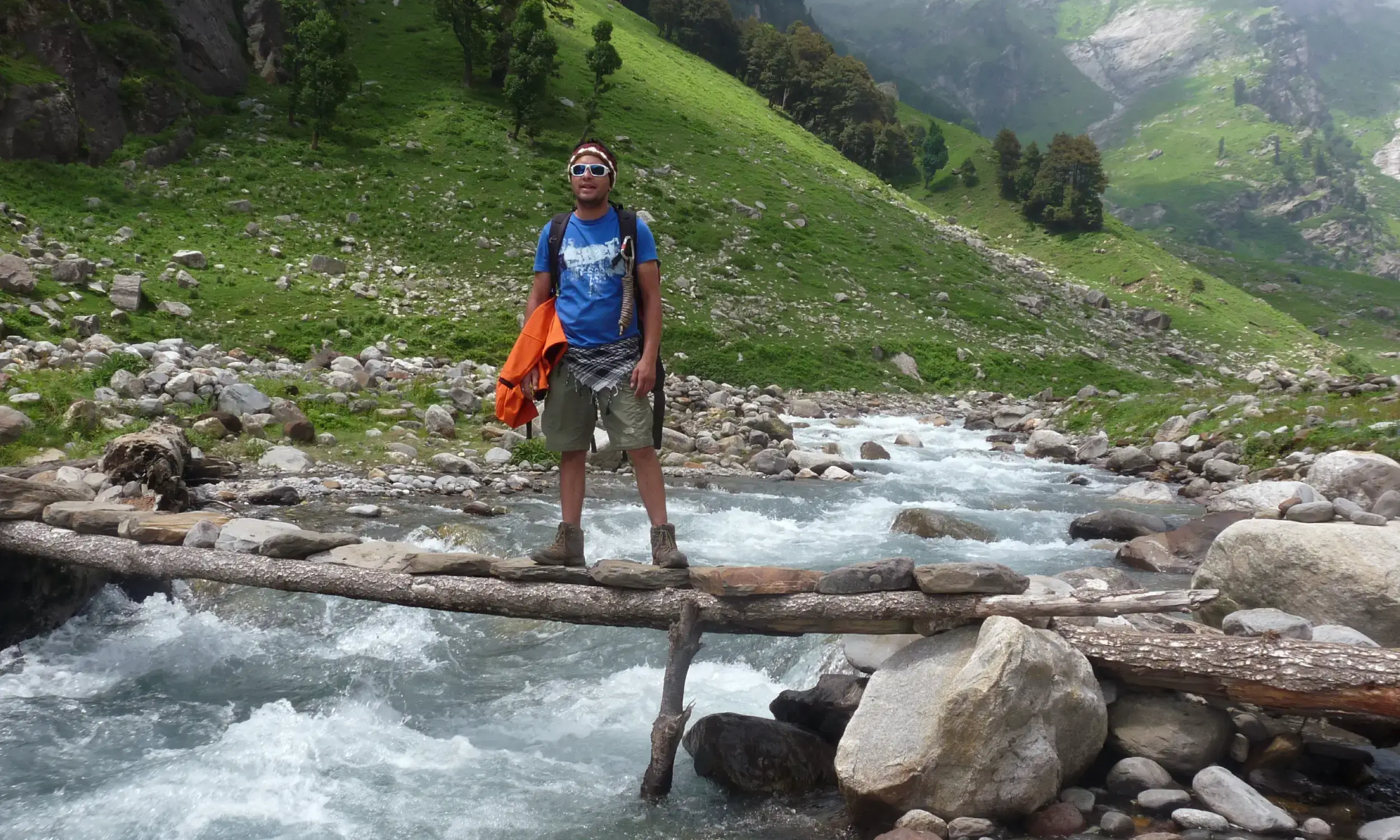
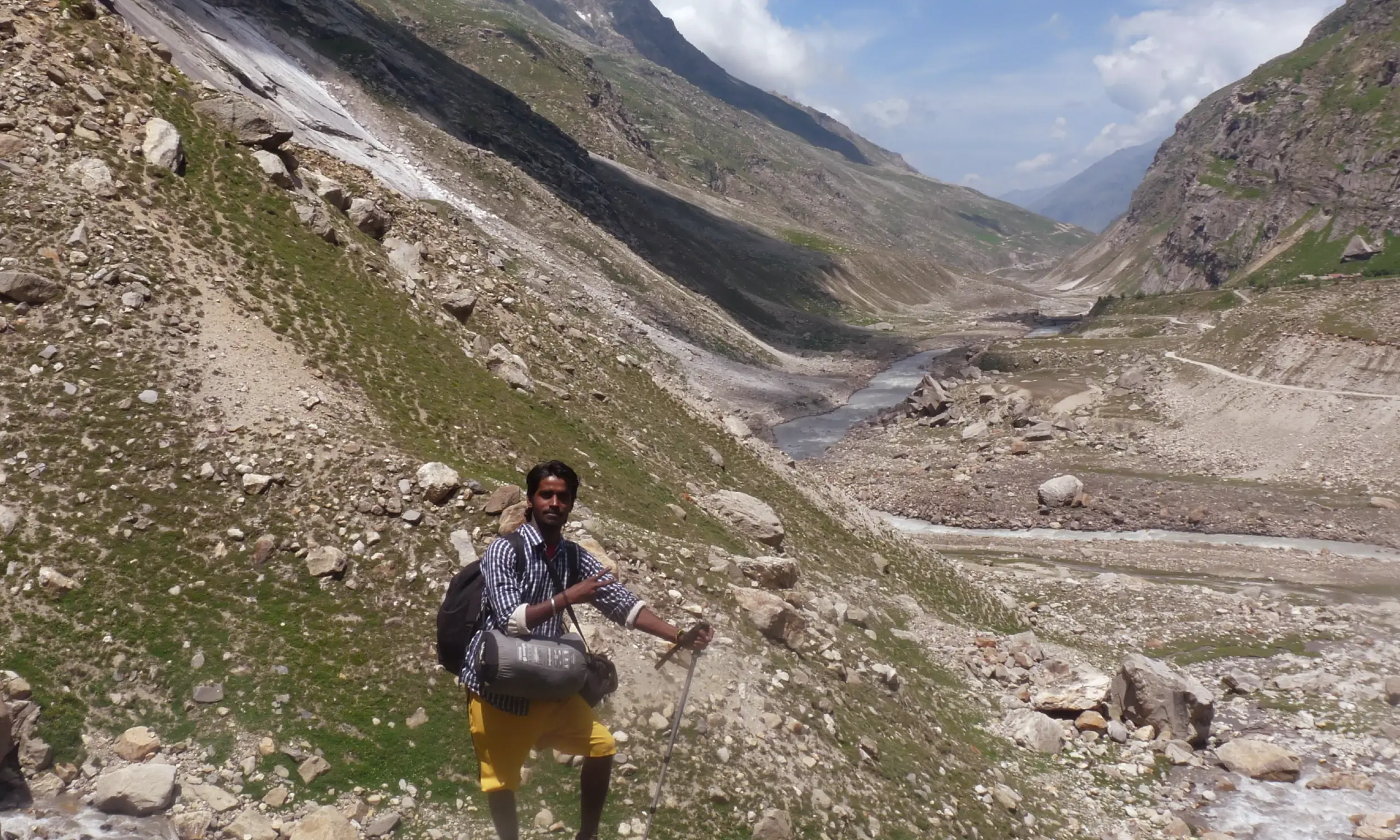
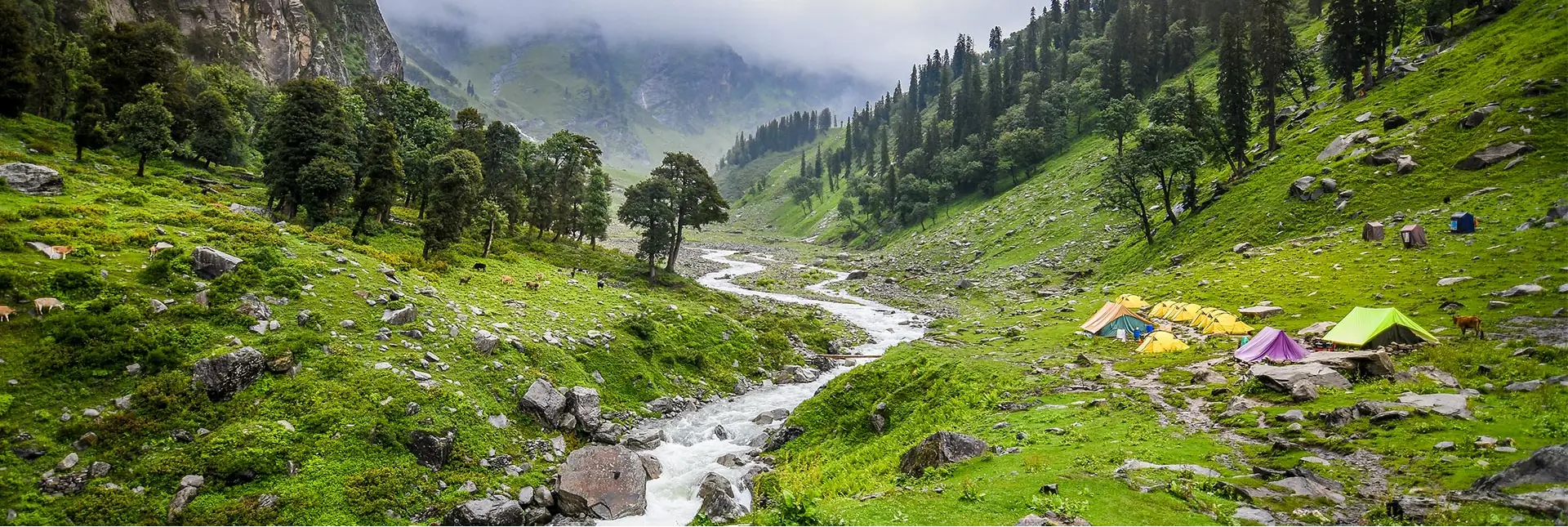
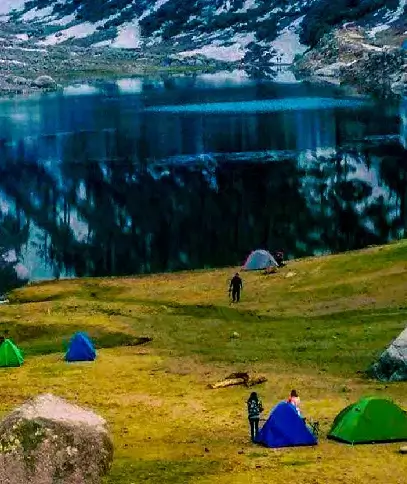
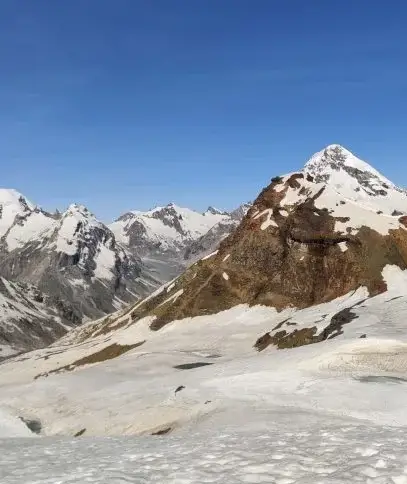
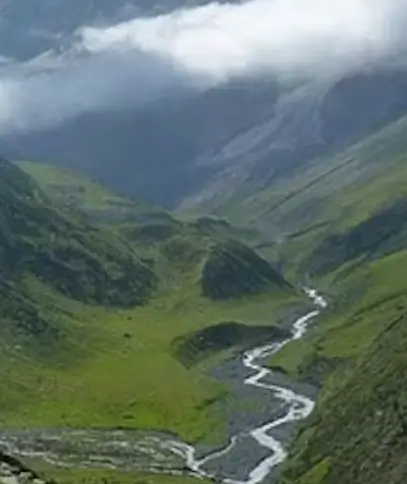
The Hampta Pass Trek is among the most breathtaking and thrilling treks in the Himalayas. This trek in Himachal Pradesh presents a remarkable expedition and takes 5 to 6 days to complete. It has landscapes ranging from the vibrant green valleys of Kullu to the arid, high-altitude deserts of Lahaul. Beginning at Jobra, close to Manali, the route goes through lovely campsites such as Chika, Balu Ka Ghera, and Shea Goru, ultimately crossing the exciting Hampta Pass at a height of approximately 4,270 meters.
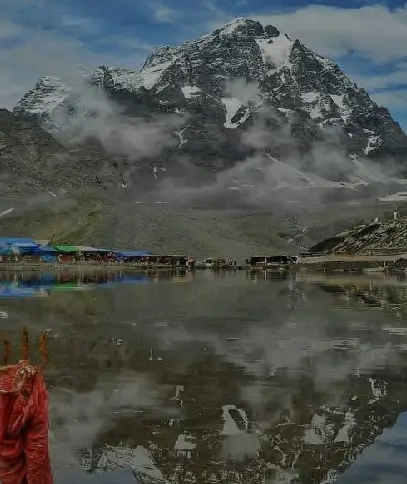
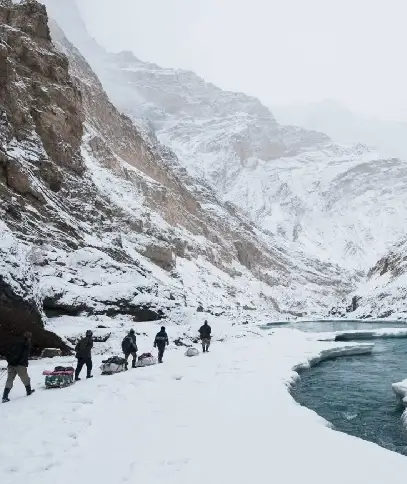
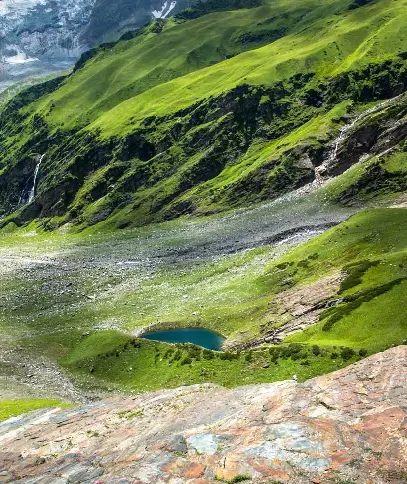
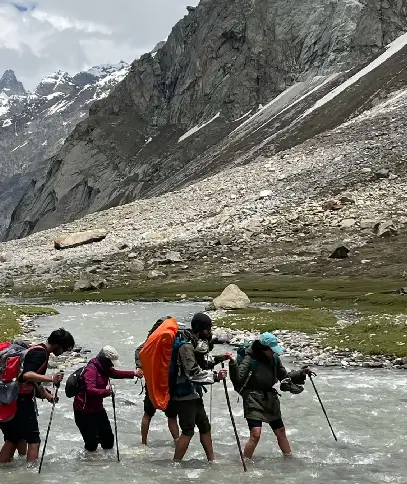
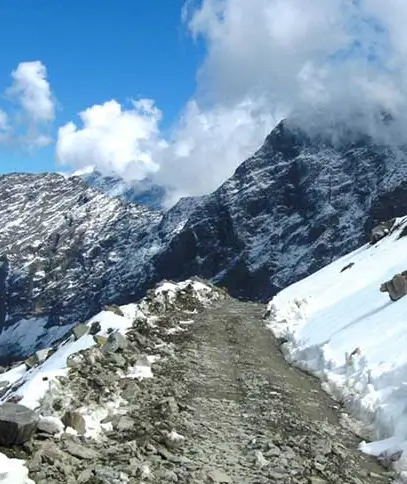
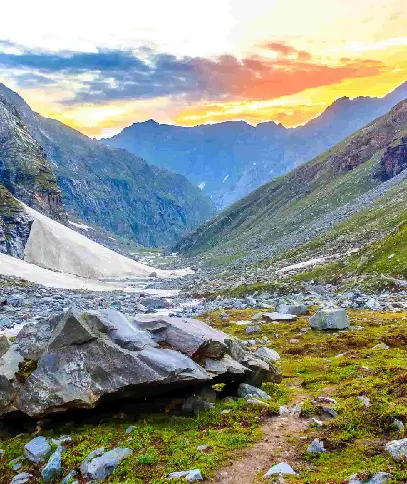
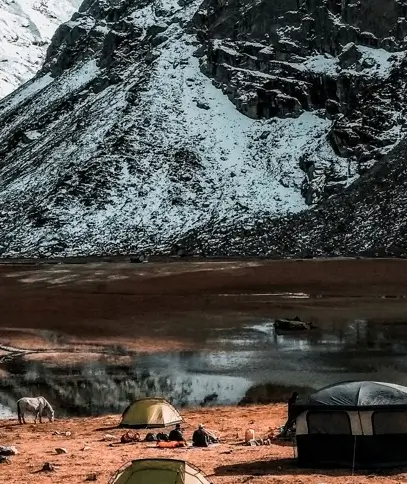
This moderate to difficult trek in Himachal Pradesh is good for people who have done some trekking before or are physically fit. It is about 25–30 km long and has river crossings, snowy areas, and some steep climbs. The best part is how the views keep changing as you walk through pine forests, see waterfalls, colorful meadows, and rocky paths. If the weather is good, you can also visit the stunning Chandratal Lake, a high mountain lake in Spiti, which makes the trek even more special.
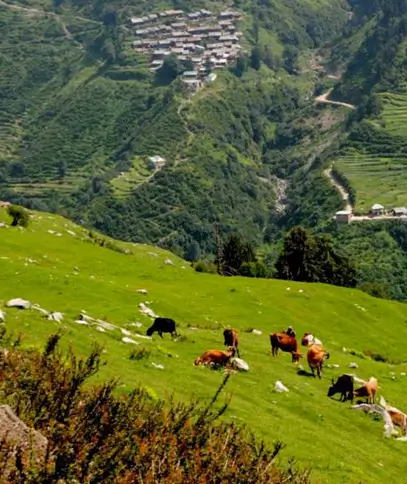
Traditionally, Hampta Pass has been a key route for shepherds (locally known as “Gaddis”) who transported their livestock between the grassy fields of Kullu Valley and the dry areas of Lahaul and Spiti. This annual movement assisted them in locating improved pastures for their animals. Thus, as you hike here, you are actually traversing ancient routes utilized for both survival and commerce.
The Hampta Pass trek in Himachal is a great choice for people who want a short but exciting adventure in the mountains. It’s among the popular Himachal Pradesh trekking tours and is perfect for anyone who wants to see both green valleys and dry, rocky deserts in one trek.
Choosing the right time for the Hampta Pass Trek is important for experiencing its beautiful scenery safely and comfortably. Every season presents a unique experience—ranging from snowy paths to flourishing fields and pristine blue skies. Here’s an easy summary of the best time to go, taking into account weather and trail conditions.
Summer (Mid-June to July)
This is the beginning of the trekking season. The snow begins to melt, creating fresh and beautiful trails. At higher elevations, you'll still encounter some snow, adding to the thrill of the trek. The climate is chilly and the skies are typically bright—ideal for hiking.
Monsoon (Late July to August)
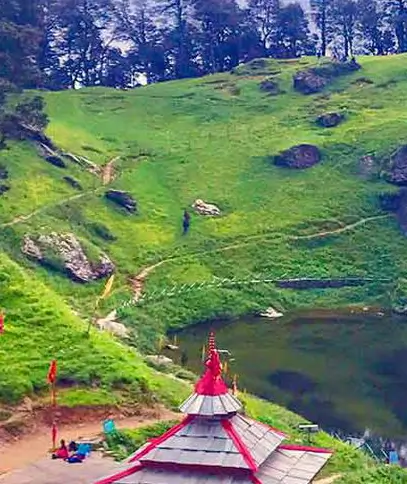
This is the time when the valley turns lush green. Flowers bloom all around, especially in Jwara and Chika meadows. The valley comes alive with a colorful burst of wildflowers like Blue Poppies, Brahma Kamal, Himalayan Balsam and Buttercup. However, there can be rain in the lower Kullu Valley, so quality gears are important. The Spiti side remains mostly dry, offering a stunning contrast.
Post-Monsoon (September to early October)
This is one of the best times to do the trek. The skies are crystal clear, the air is fresh, and the views are amazing. You will get a golden-brown landscape and sharp views of the mountains. Fewer people trek during this time, so it’s peaceful too.
The Hampta Pass Trek starts from Jobra, passing through Chika, Balu Ka Ghera, and Hampta Pass, before ending at Chatru. Many trekkers also include a visit to the stunning Chandratal Lake, depending on road access and weather conditions.
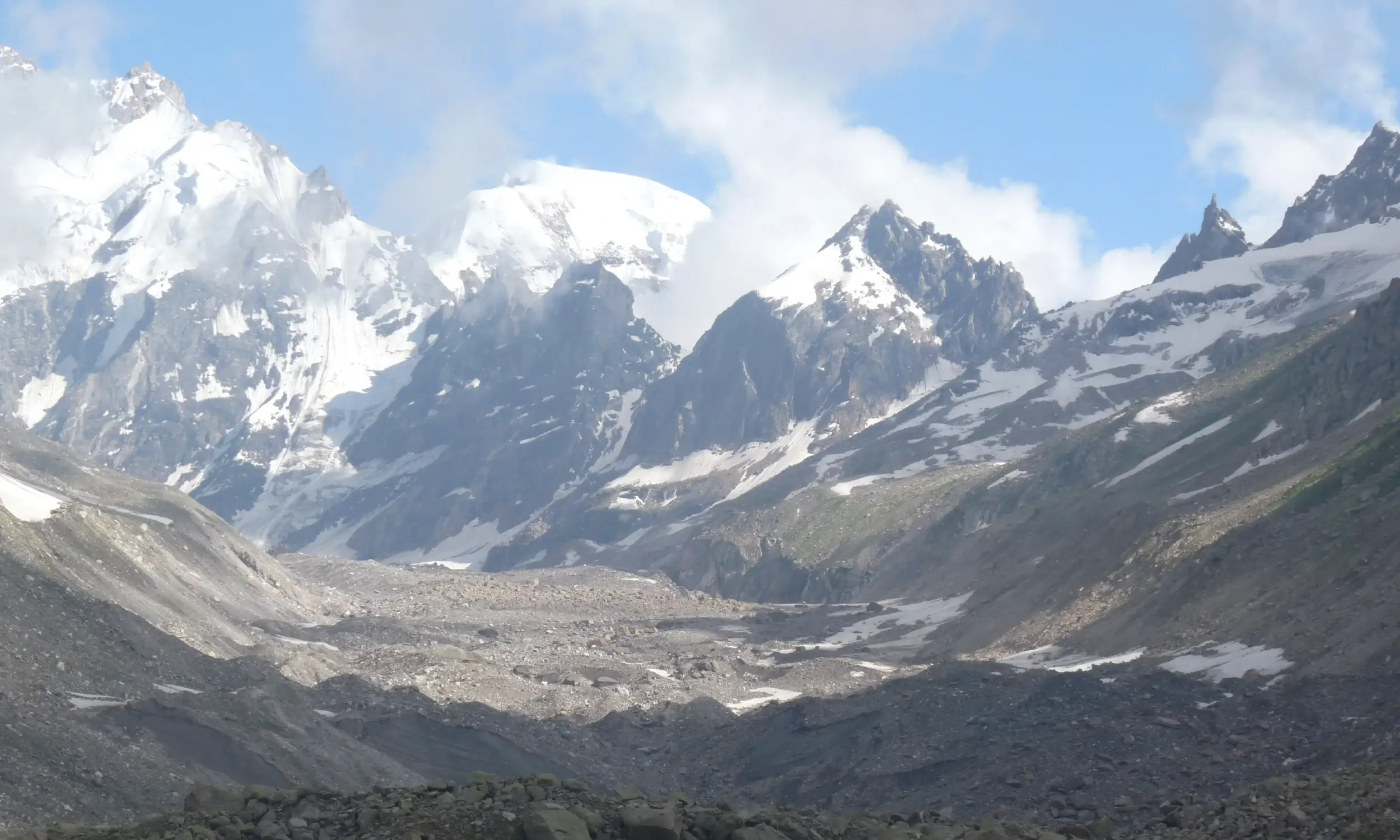
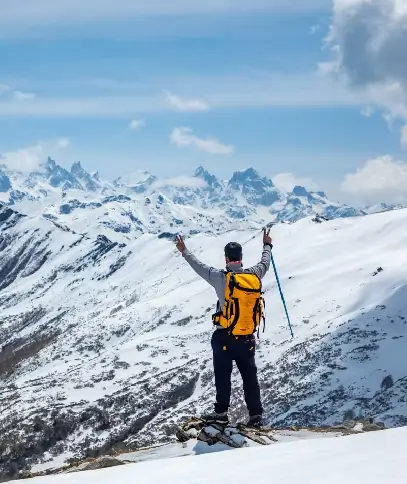
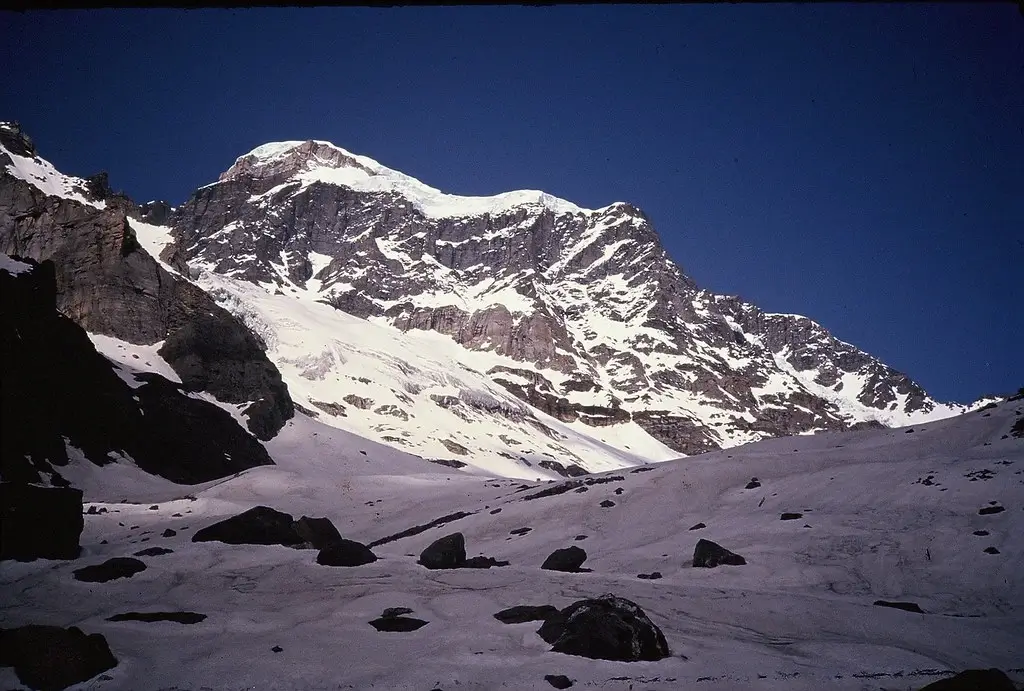
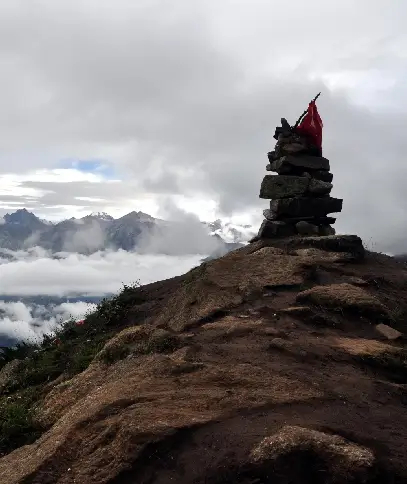
Hampta Pass sits at a height of around 4,270 meters (14,009 feet) above sea level. It’s the highest point of the trek and offers stunning panoramic views of the Himalayan ranges and the barren, cold desert of Lahaul Valley on the other side.
This is a moderate-difficult level trek. While it’s easier than many high-altitude treks in the Himalayas, it still includes steep climbs, rocky trails, and river crossings. With some physical fitness and basic preparation, it’s doable even for beginners.





 Trekking Tour
 Peak Climbing
 Jeep Safari
 Mountain Biking
 +91-9212553109
 Plan Your trip