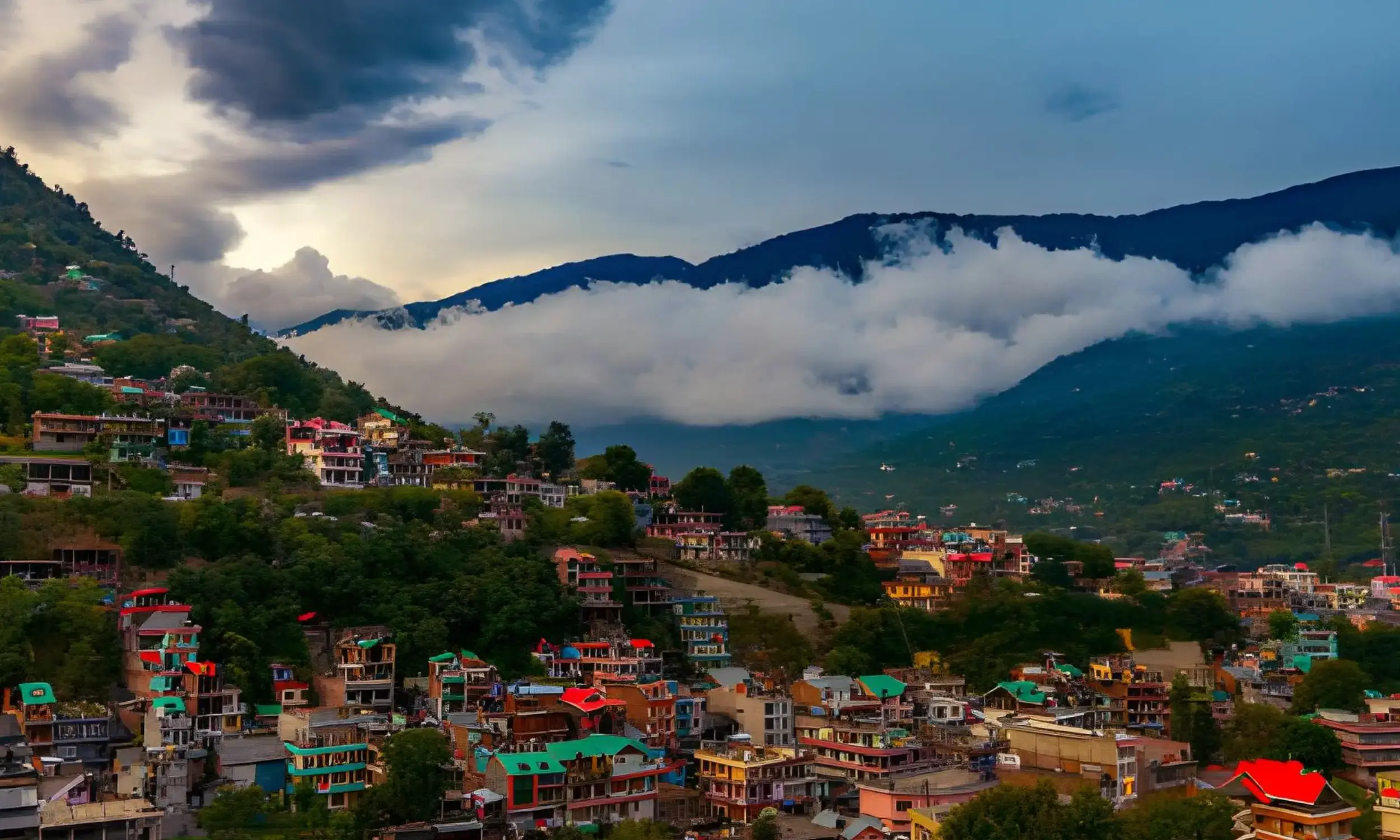
Winter travel to the Indian Himalayas often comes with one clear expectation: snow. Snow-covered slopes, white forests, frozen lakes, and that unmistakable feeling of being in the mountains at their most dramatic.
This year, however, many popular destinations across Himachal Pradesh and Uttarakhand have seen delayed, patchy, or minimal snowfall, leaving travellers confused, disappointed, or unsure whether to go ahead with their plans at all.
Before cancelling trips or reshuffling holidays in panic, it’s worth understanding what a low-snowfall winter actually means for travel, what changes on the ground, and, just as importantly, what doesn’t.
This guide looks at the situation from a traveller’s planning perspective, not as a climate debate or social media headline.
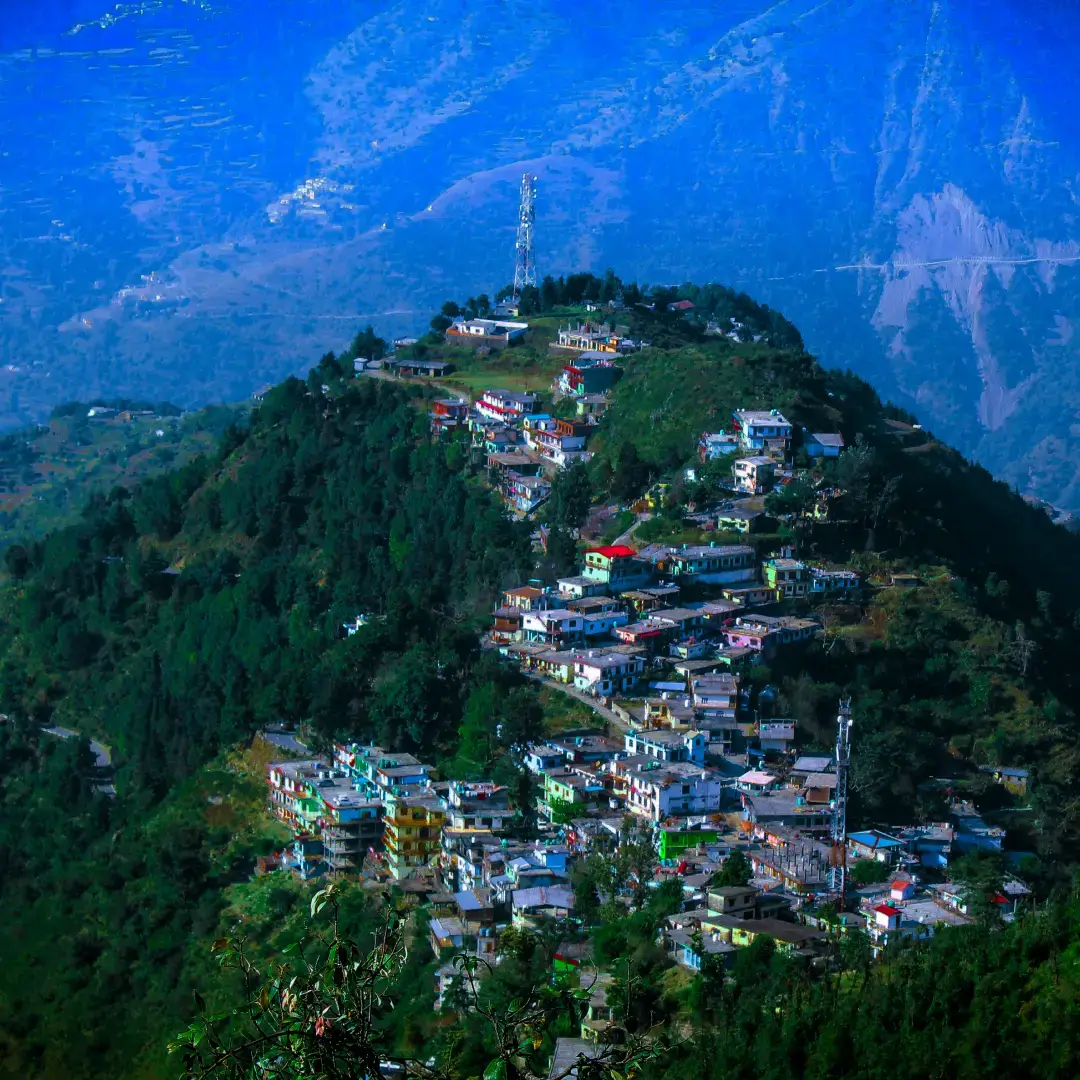
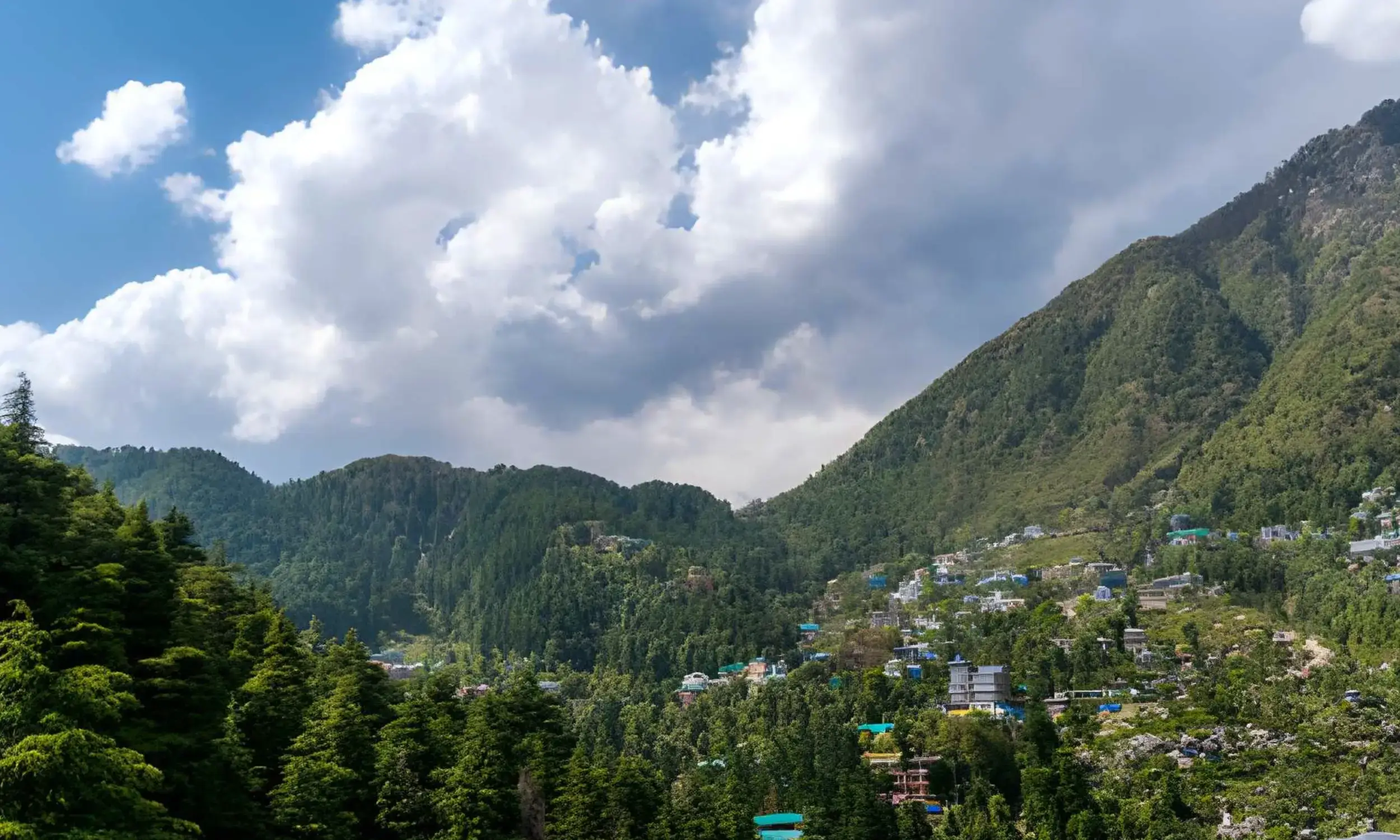
Snowfall in the Himalayas has never been uniform, predictable, or evenly distributed. It varies sharply by altitude, slope direction, forest cover, and microclimate, often changing dramatically within a few kilometres.
This winter, several regions experienced:
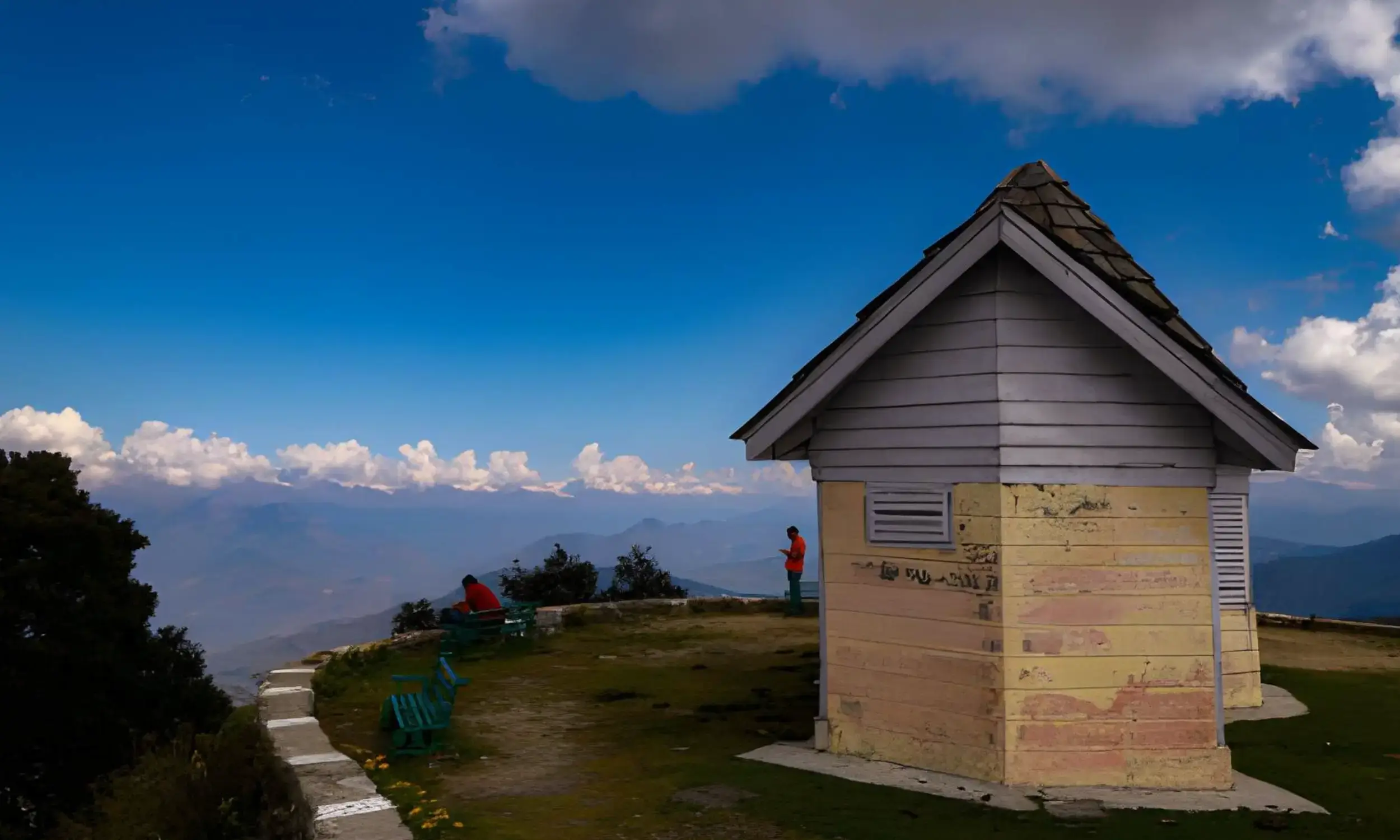
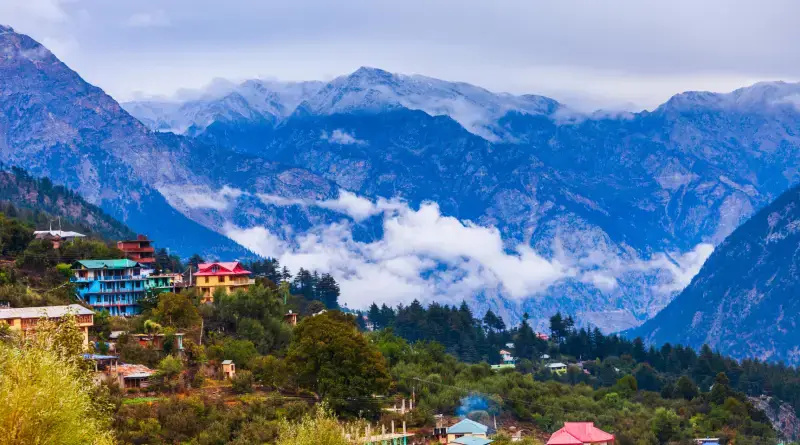
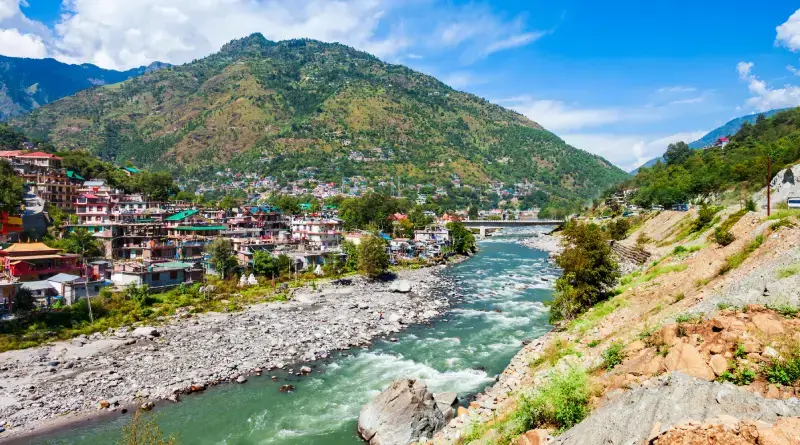
As a result, many travellers arrived expecting postcard-perfect snow scenes and instead found clear roads, dry landscapes, and visible mountain ridges.
This doesn’t mean the Himalayas are “snowless”; it means snowfall has been more localised and less visually dominant in tourist towns.
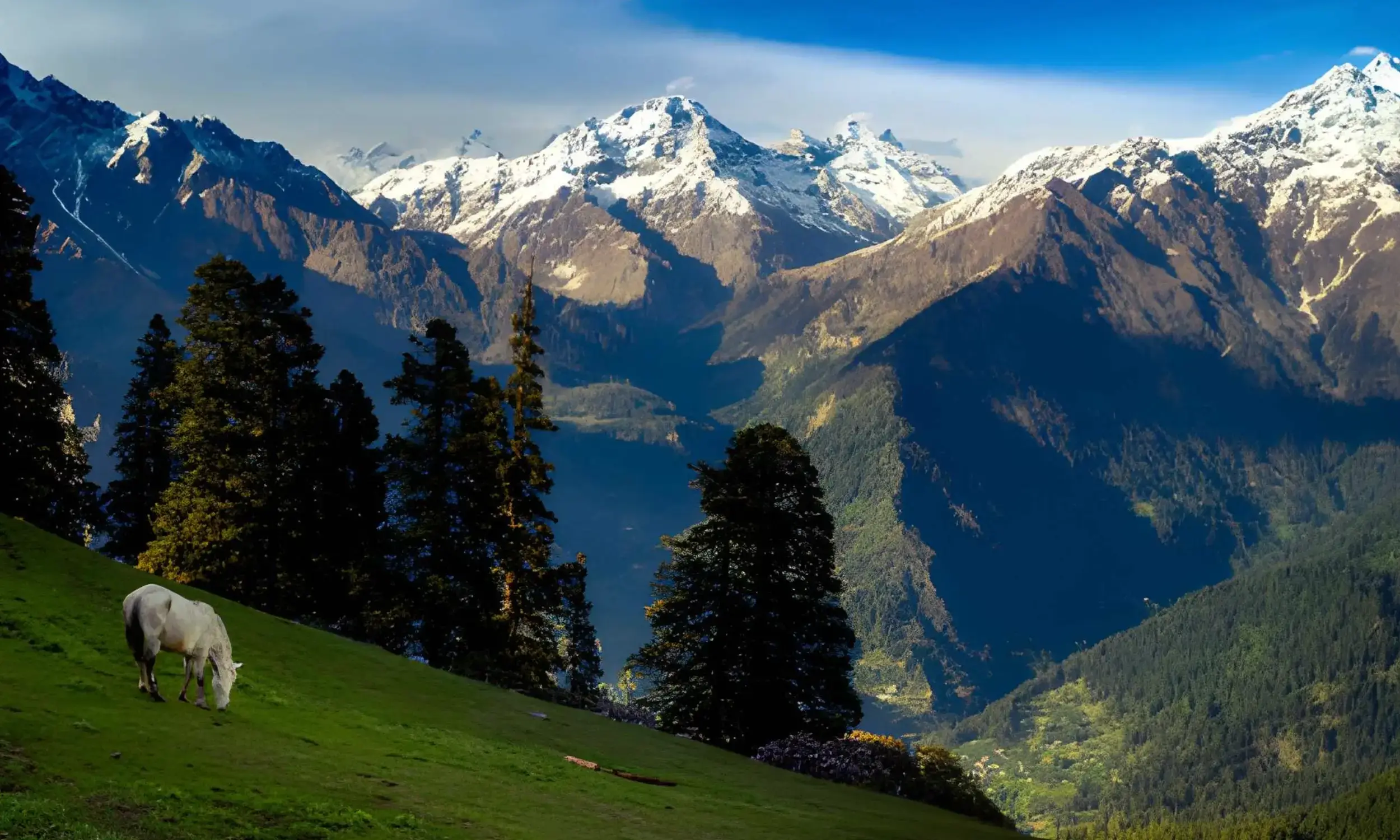
This is where most confusion arises. Let’s separate expectation from reality.
What Changes in a Low-Snowfall Winter?
If snow experiences are the only motivation for your trip, this matter.
What Does NOT Change
This is often overlooked.
In many cases, travellers end up exploring more, not less.
The answer depends on how and why you travel.
Couples & Slow Travellers
Often find snowless winters more enjoyable. Clear skies, safer walks, quieter viewpoints, and uninterrupted road journeys create a relaxed mountain experience.
Families with Children
If kids are expecting snow play, expectations need to be managed. However, forests, cable cars, riverside walks, and wildlife experiences remain rewarding.
Senior Travellers
Often benefit from improved road conditions and reduced cold-related health concerns.
Photographers & Nature Lovers
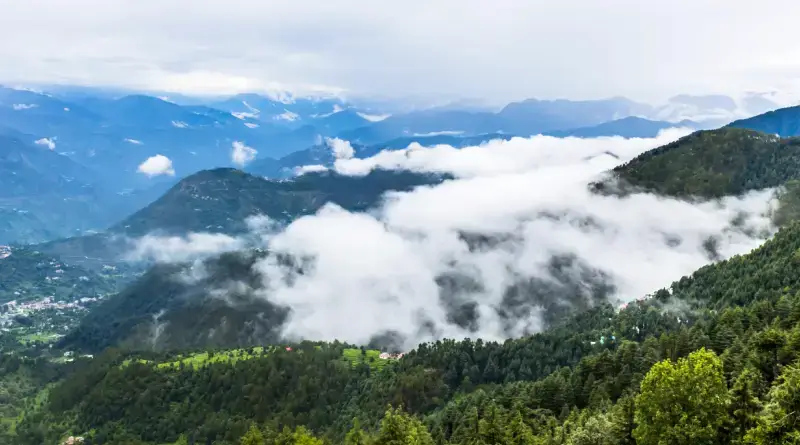
Low snowfall shifts the focus to textures, pine forests, layered ridges, early sunsets, golden light, and mist-filled valleys.
Snow enhances drama, but it is not the only form of beauty the Himalayas offer.
Not all Himalayan experiences depend on snowfall. Some regions remain excellent winter choices even without it.
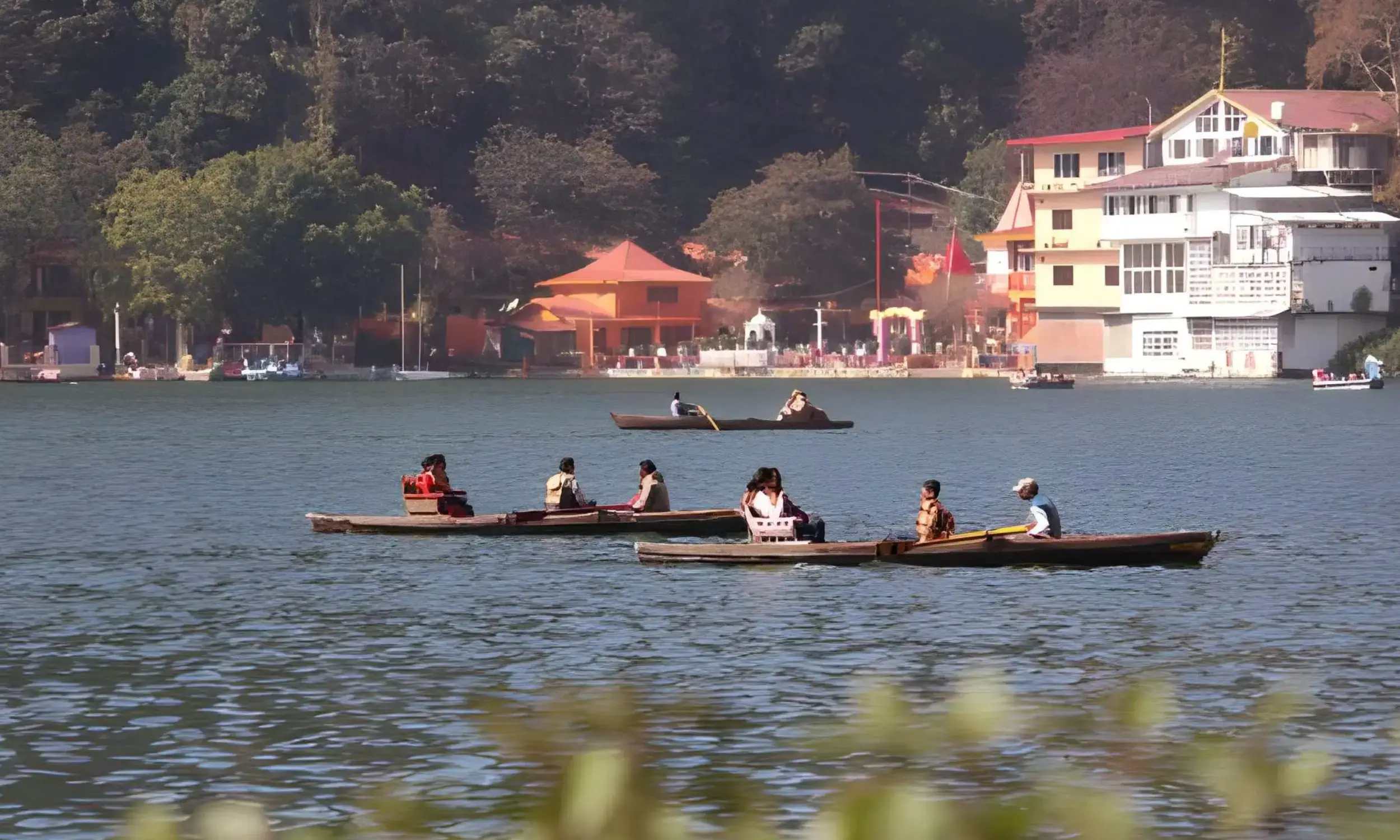
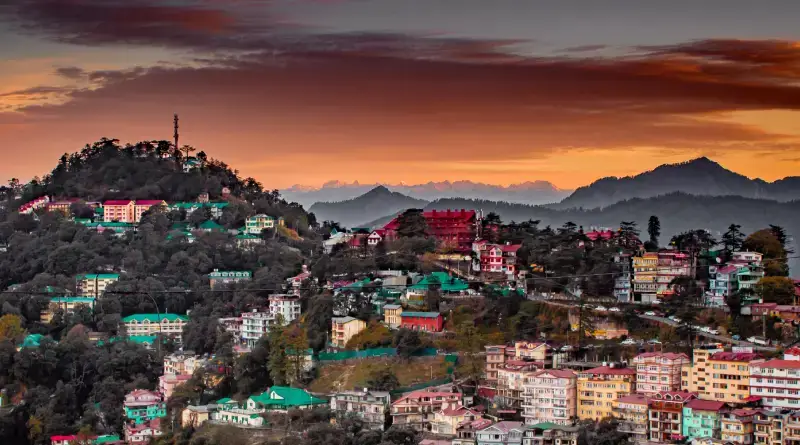
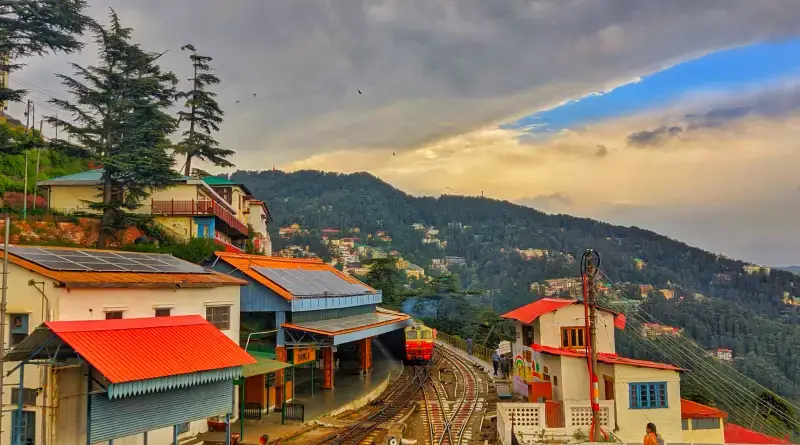
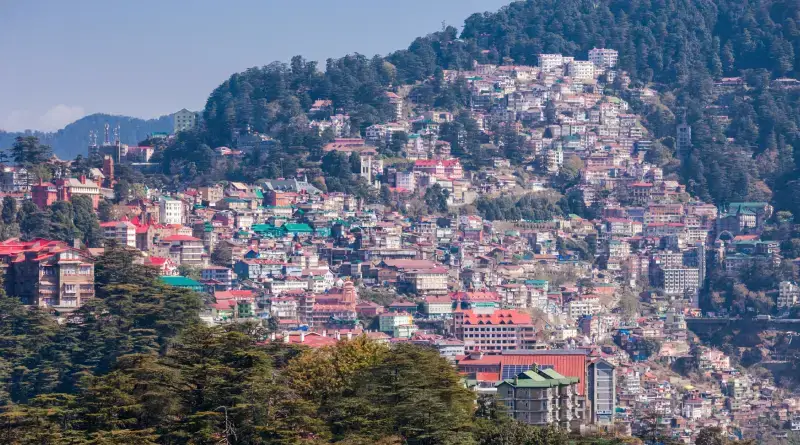
Lower & Mid-Altitude Hill Towns
These offers:
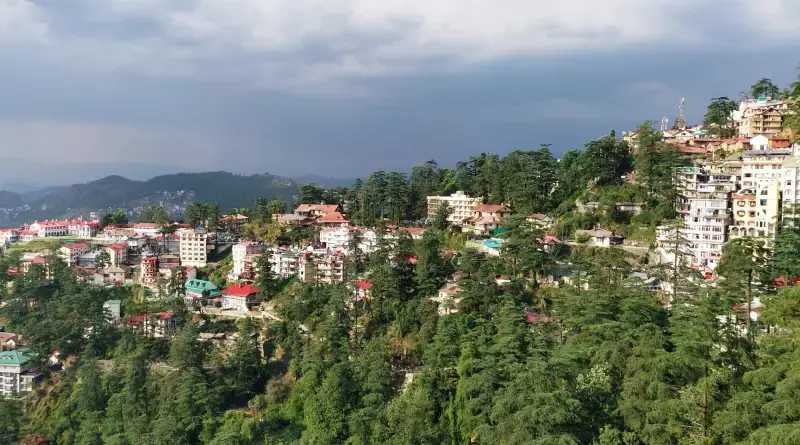
Forested & Valley Regions
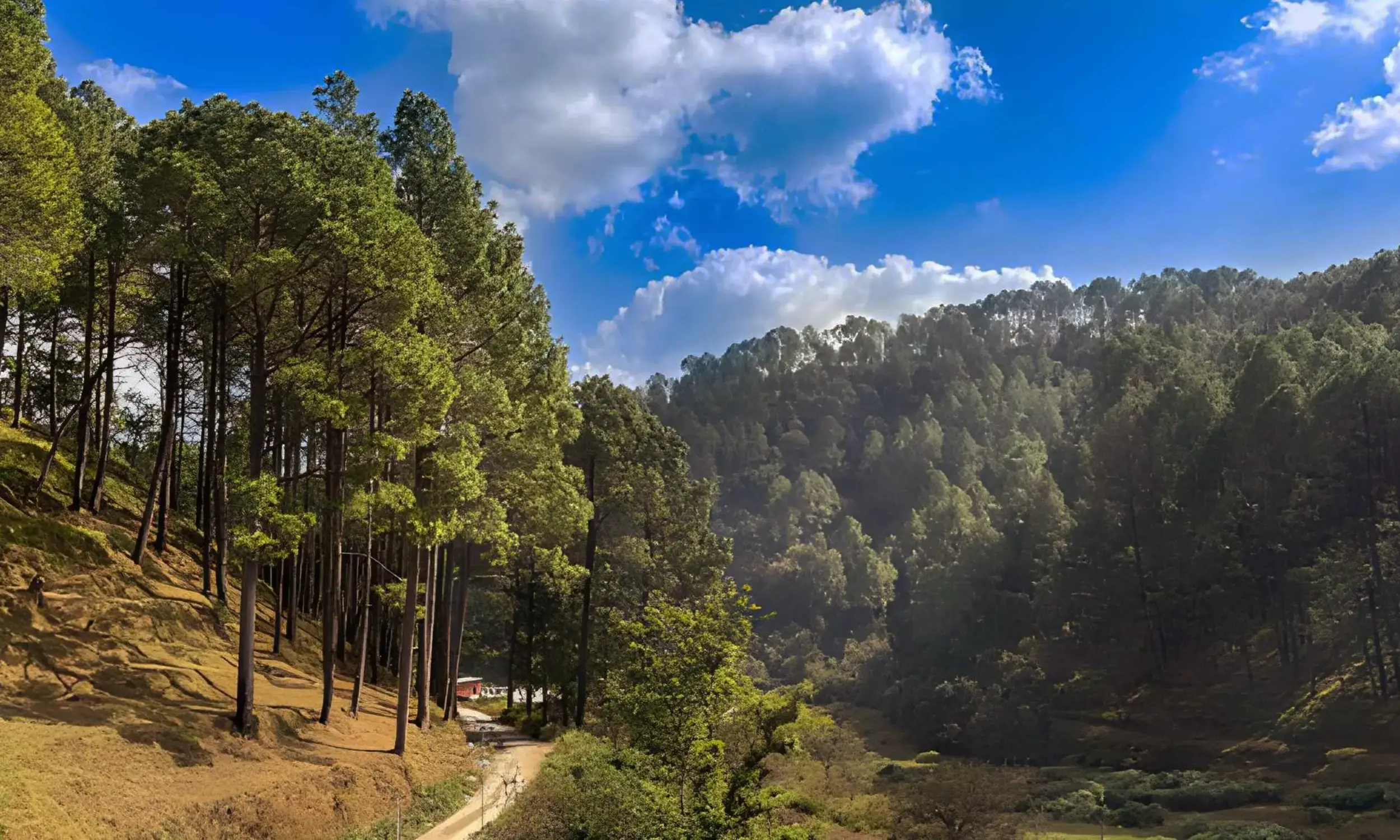
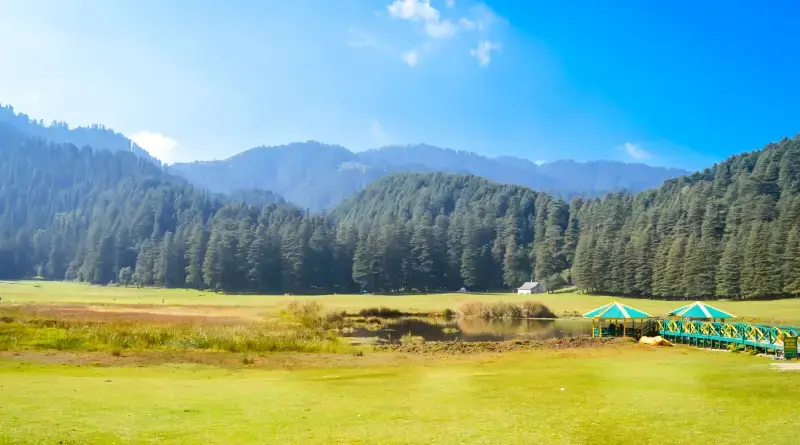
Pine, cedar, and deodar forests retain their charm regardless of snow cover and often feel more alive without extreme cold.
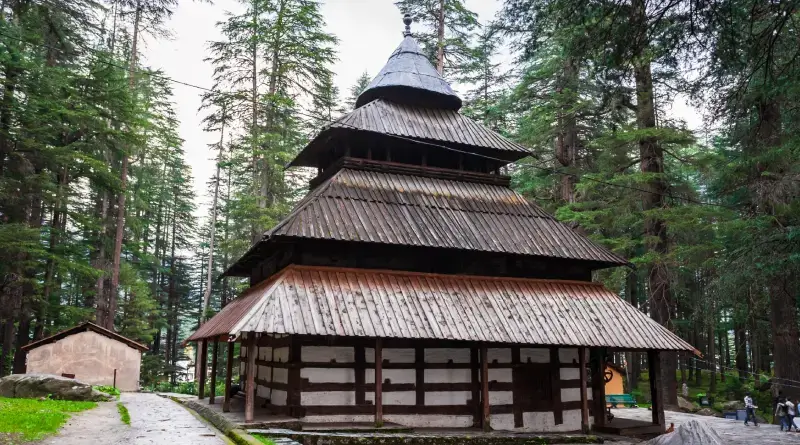
Cultural & Temple Circuits
Spiritual towns, monasteries, and heritage villages are unaffected by snowfall patterns and often see fewer crowds in winter.
Scenic Drives & Viewpoints
Snow-free roads allow for longer drives, sunrise viewpoints, and flexible day plans, something heavy snowfall often restricts.
This is where many trips succeed or fail.
Plan for Experience, Not Promises
Avoid itineraries marketed solely around “guaranteed snow”. Snowfall cannot be scheduled, and disappointment usually follows rigid expectations.
Choose Flexible Itineraries
Allow buffer days and avoid packing too many long drives into a single day.
Focus on What the Season Offers
Winter still brings crisp air, golden light, quiet towns, and slower rhythms — qualities many travellers value more than snow itself.
Avoid Last-Minute Panic Decisions
Cancelling a trip because one Instagram reel didn’t match reality often leads to regret later.
This is the hardest question and the most honest one.
Consider Rescheduling If:
Continue Your Trip If:
Adjust Plans If:
In many cases, adjustment works better than cancellation.
Snow is one season’s gift, not the Himalayas’ entire identity.
The mountains reveal different personalities throughout the year:
Travellers who understand this often walk away with richer, more memorable journeys.
Low snowfall doesn’t mean the Himalayas have lost their magic. It simply means they are showing a different side, one that rewards travellers who arrive informed rather than influenced.
Understanding ground reality, planning thoughtfully, and choosing experiences over expectations often makes the difference between disappointment and discovery.
For travellers unsure how to adapt their plans, a well-structured itinerary can matter far more than waiting for snow.






 Trekking Tour
 Peak Climbing
 Jeep Safari
 Mountain Biking
 +91-9212553109
 Plan Your trip