

4 Nights / 5 Days
Price : On Request
When it is multi-tourism opportunities one is looking forward to, Rajasthan has no second to it. It has backdrop of brave history, foreground of exhilarating culture, roofs of extreme sports and floors of vivid wildlife. This is where Ranthambhore National Park in Sawai Madhopur district marks its presence in the state as well as in the mind of the tourists and visitors to this land.
Coming alive on the map of Nature and wildlife in the year 1980 as a National Park, it has always been touted for its rare glimpses since 1955 when it was a game sanctuary. It later became a haunt for tiger enthusiasts for the reasons of Project Tiger, which has been a great help in reinstating the population of these exotic felines.
For more information about this must-see wildlife park visit website- RanthamboreNationalPark.com
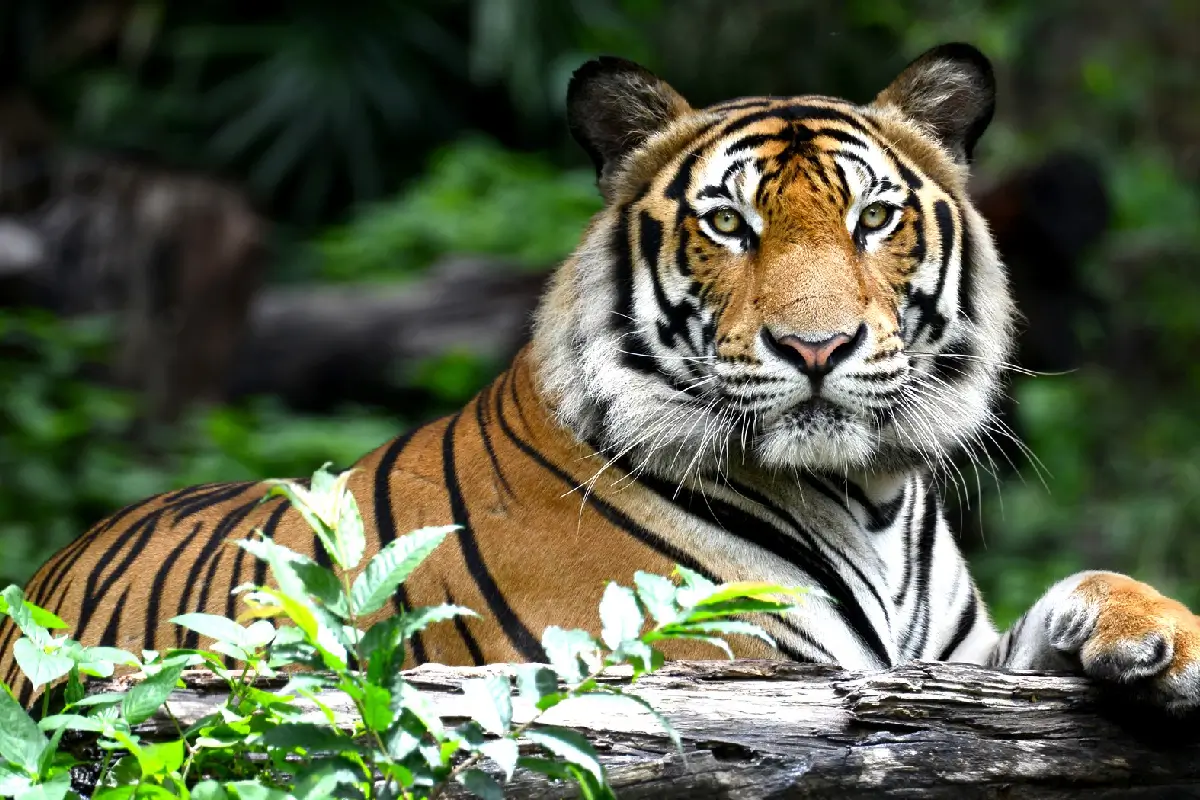
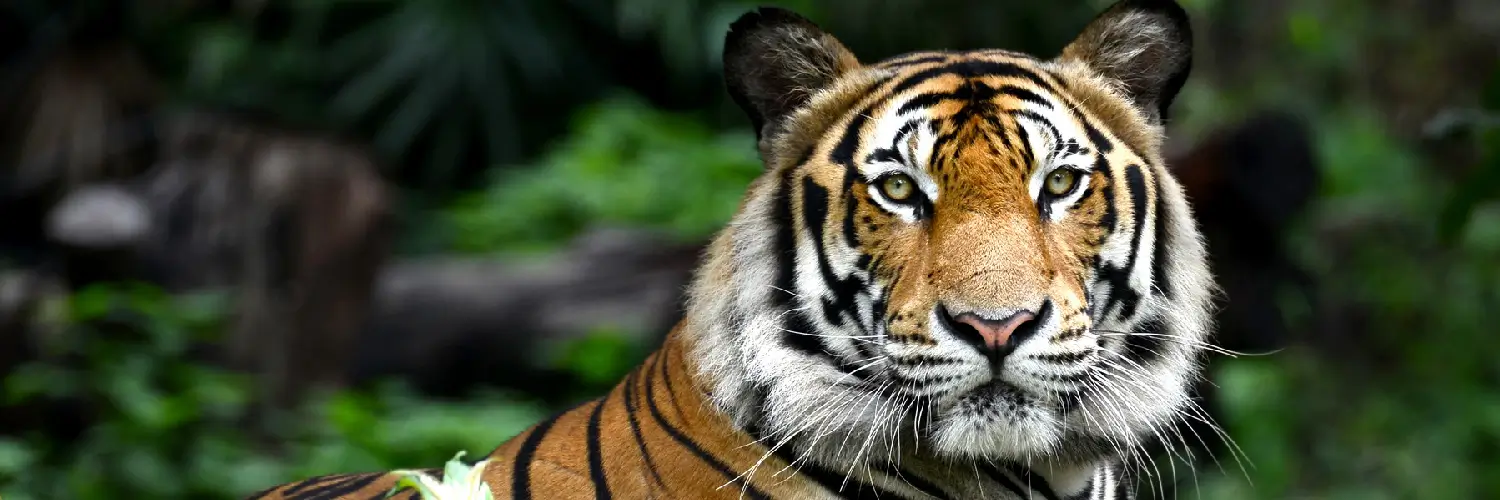
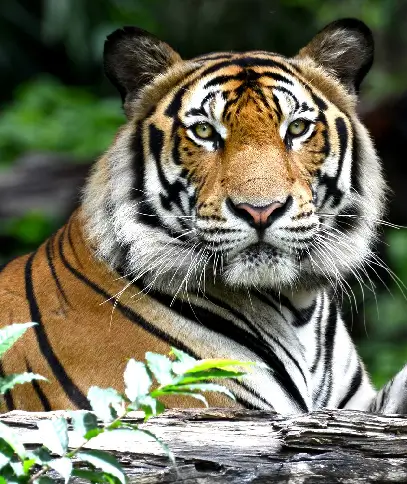
Where echoes of ancient royal hunts meet the roars of Bengal tigers, Ranthambore National Park stands as one of India’s most iconic wildlife destinations. Located in the Sawai Madhopur district of Rajasthan, this legendary forest is known worldwide for its thriving tiger population and dramatic landscapes.
Originally established as the Sawai Madhopur Game Sanctuary in 1955, it became part of Project Tiger in 1973 and achieved national park status in 1980. Spread across 392 sq km of core forest (and over 1,300 sq km including the entire tiger reserve), Ranthambore lies between the Aravalli and Vindhya mountain ranges, creating a rugged terrain of cliffs, valleys, lakes, and semi-arid forests.
Amid the forest is the magnificent Ranthambore Fort, a UNESCO World Heritage Site and a 5th-century monument that frames the wilderness with a regal backdrop. A wildlife safari in Ranthambore offers exceptional chances of spotting big cats in daylight, creating a rare blend of history and adventure.
Ranthambore National Park hosts around 300 species of plants, dominated by dry deciduous forest due to its proximity to the Thar Desert. The Dhok tree (Anogeissus pendula) covers nearly 80% of the vegetation and forms the primary food source for deer and antelope.
| Category | Species/Details |
|---|---|
| Dominant Tree Species | Dhok / Dhonk (Anogeissus pendula) – covers ~80% of vegetation |
| Prominent Trees | Banyan, Pipal, Neem, Mango, Jamun, Ber, Tamarind |
| Forest Type | Dry deciduous forest (influenced by low rainfall & proximity to Thar Desert) |
| Flowering Species | Flame of the Forest (Butea monosperma) |
| Supporting Vegetation | Shrubs, grasses, climbers, bamboos, medicinal plants |
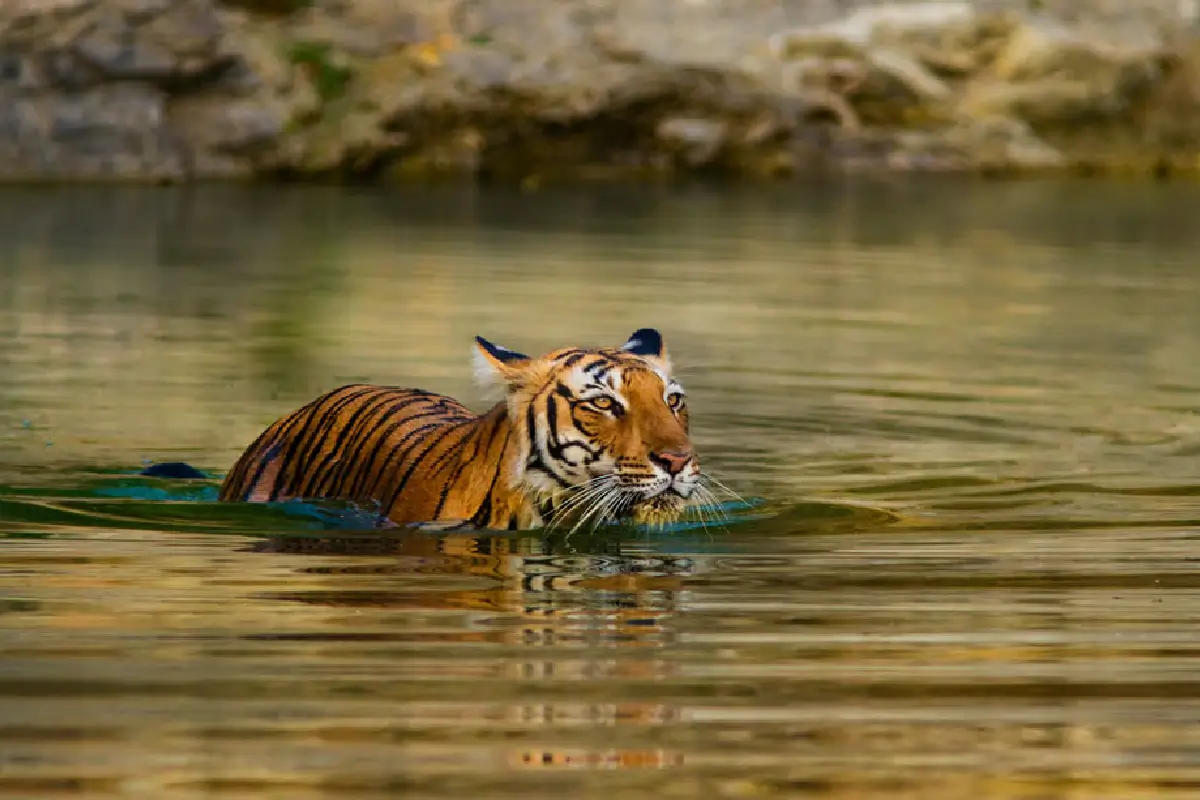
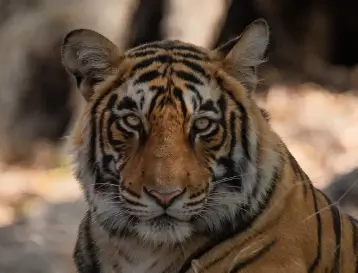
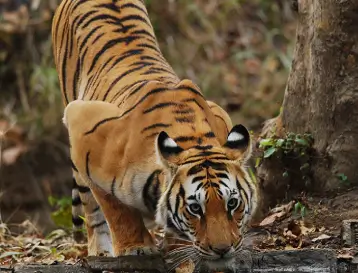
Ranthambore’s wildlife is as dramatic as its landscape. The Bengal tiger is its most iconic resident, but the park supports a thriving community of mammals, reptiles, and birds.
| Category | Species Found |
|---|---|
| Flagship Species | Bengal Tiger |
| Major Carnivores | Leopard, Sloth Bear, Striped Hyena, Jackal, Jungle Cat |
| Key Herbivores | Chital (Spotted Deer), Sambar Deer, Nilgai, Wild Boar, Blackbuck (nearby regions) |
| Reptiles | Marsh Crocodile, Monitor Lizard, Indian Cobra, Indian Python |
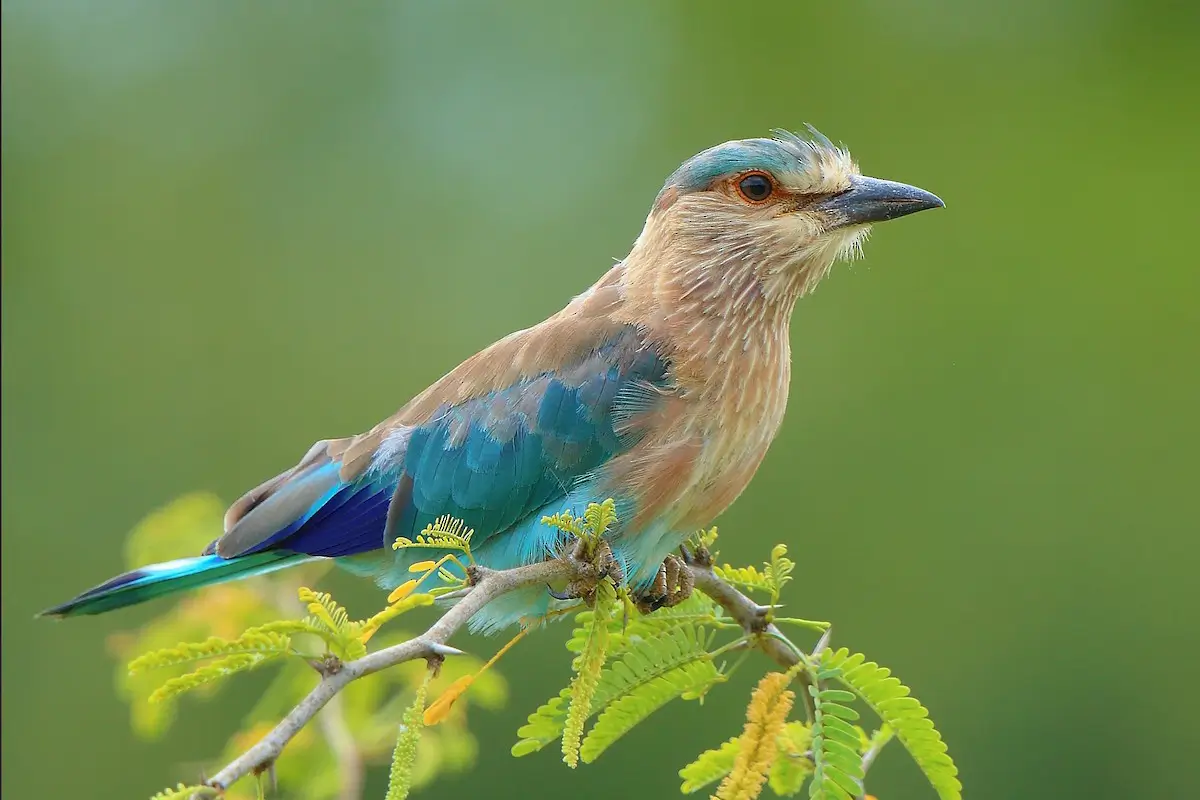
| Birds (300+ species) | Owls, Eagles, Kingfishers, Cormorants, Storks, Vultures, Waterbirds |
| Aquatic Wildlife | Marsh Crocodiles, turtles, and Fish species around the lakes |
Note : Online booking is available up to 90 days in advance, and demand is especially high for Zones 1–5.
Ranthambore is divided into 10 safari zones, each offering a different wildlife experience depending on the terrain, water sources, and tiger territories. While tiger sightings are possible in all zones, some areas are historically more active due to movement corridors and open visibility.
| Zone | Highlights | What to Expect |
|---|---|---|
| Zone 1 | Tuti Ka Nalla, steep cliffs | Good for leopards; occasional tigers |
| Zone 2 | Water bodies, forested paths | One of the best zones for tiger sightings |
| Zone 3 | Padam Talao, Raj Bagh Ruins | Top photography zone with frequent tiger activity |
| Zone 4 | Lakarda area, dense forest | Strong tiger territory, also known for sloth bears |
| Zone 5 | Mixed forest, water points | Consistent sightings; movement corridor with Zones 4 & 6 |
| Zone 6 (Kundal) | Open landscapes, plateaus | Increasing tiger presence; fewer vehicles |
| Zone 7 (Chidikho) | Rocky hills, ravines | Quiet zone; good leopard movement |
| Zone 8 (Balas) | Narrow valleys | Less crowded; decent predator activity |
| Zone 9 (Kuwalji) | Remote, near Chauth Mata | Raw jungle feel; hyena + tiger movement |
| Zone 10 (Aantri) | Meadows, water bodies | Strong recent tiger sightings; popular with photographers |
Ranthambore is best visited between October and June, when animal activity and visibility are at their peak.
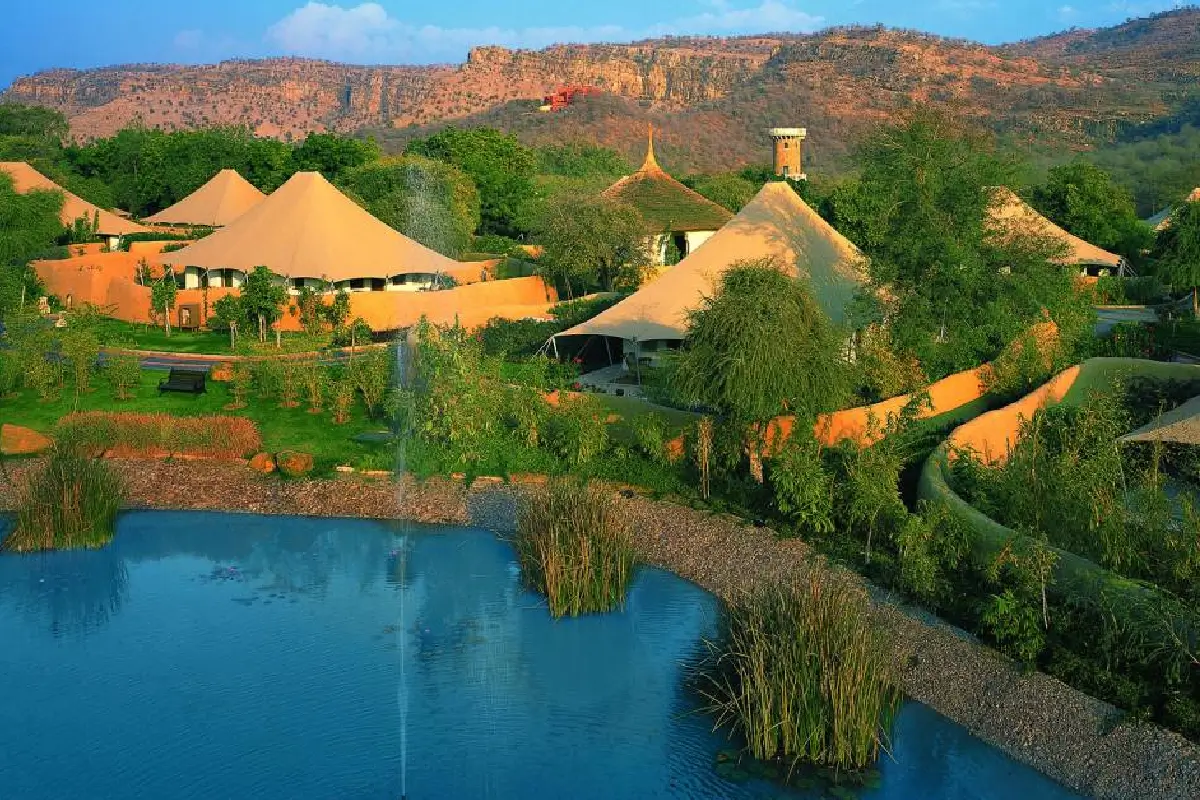
Ranthambore offers a wide variety of accommodation options to suit every type of traveler, ranging from luxurious wildlife resorts to simple, budget-friendly stays. Visitors looking for premium comfort can choose from upscale jungle resorts featuring private villas, spa facilities, curated dining experiences, and personalized safari packages.
Mid-range hotels provide a balanced combination of comfort and convenience, often assisting guests with safari bookings and local excursions. For those traveling on a budget, numerous guesthouses, lodges, and affordable hotels in Sawai Madhopur offer clean, comfortable rooms with easy access to the park gates.
Adventure seekers can opt for eco-friendly tented camps and wilderness retreats that provide an immersive stay close to nature. Most accommodations are located near the main entry points of the national park, ensuring quick access to safari zones and making early-morning game drives more convenient and enjoyable.





 Trekking Tour
 Peak Climbing
 Jeep Safari
 Mountain Biking
 +91-9212553109
 Plan Your trip