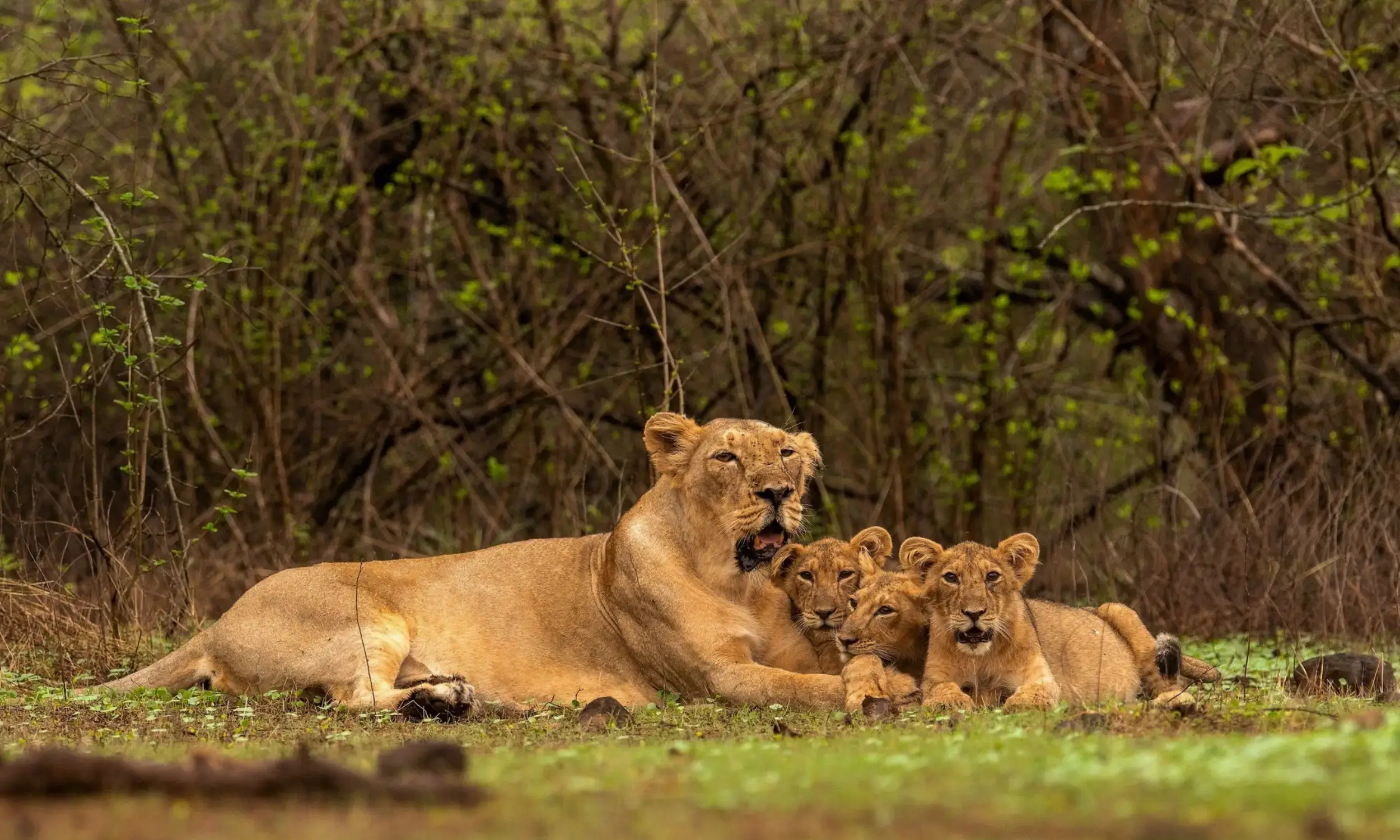
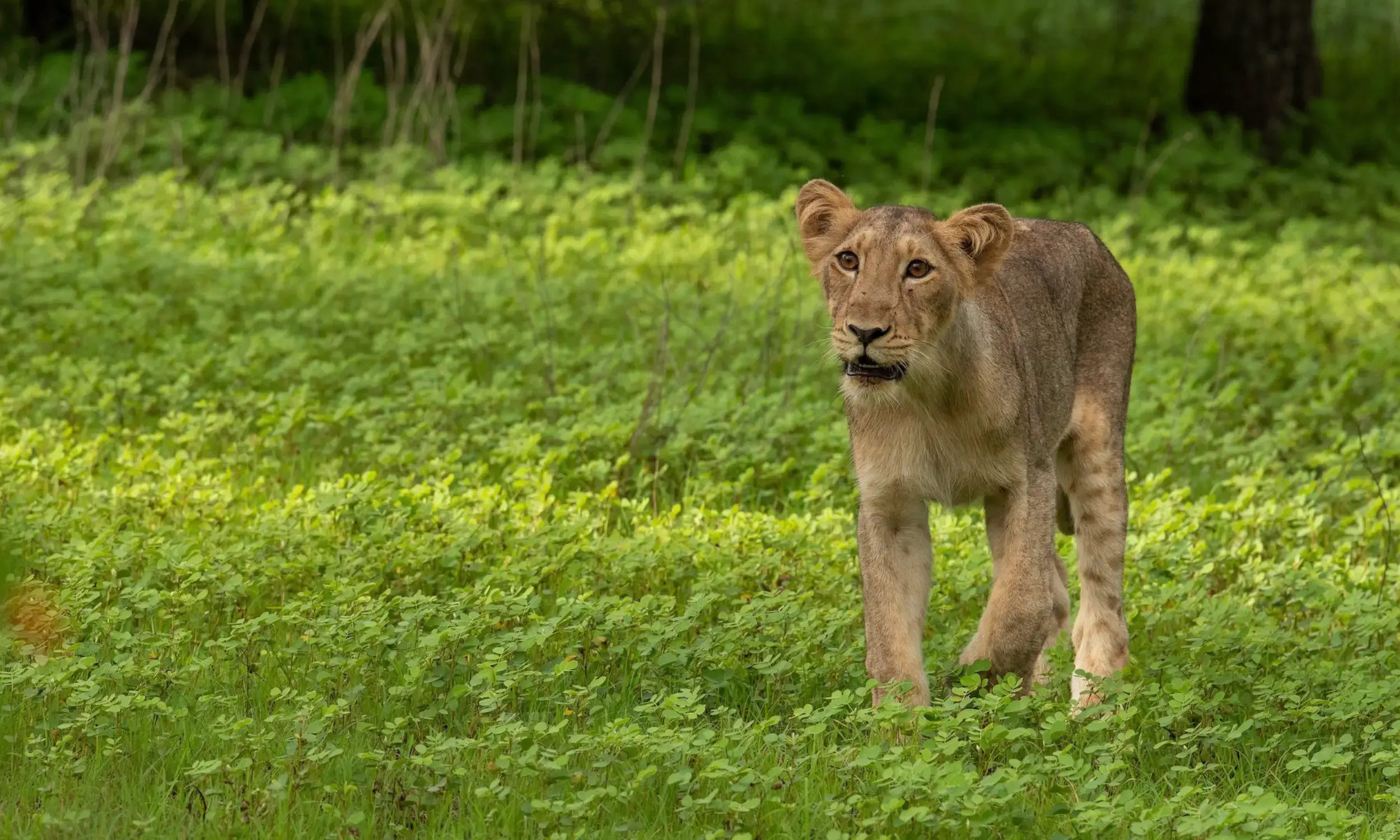
Gir National Park, popularly known as Sasan Gir, is one of India’s most popular wildlife reserves, located across the Junagadh and Amreli districts of Gujarat. Established in 1965 with the sole purpose of protecting the last remaining Asiatic lions, Gir stands today as a global conservation success story.
From the brink of extinction, the lion population has rebounded remarkably, and Gir remains the only place in the world where the Asiatic lion roams freely in the wild.
Covering 1,412 sq. km, including a 258 sq. km national park and a 1,153 sq. km sanctuary, Gir supports an extraordinary range of wildlife, from lions and leopards to crocodiles and over 300 species of birds.
A lion safari in Gir offers travelers a rare, breathtaking chance to witness one of the world’s most iconic big cat species in its natural habitat. For wildlife lovers, photographers, and adventure seekers, Gir National Park remains an unforgettable celebration of India’s biodiversity and conservation legacy.
Check out: Popular Wildlife Tour Packages
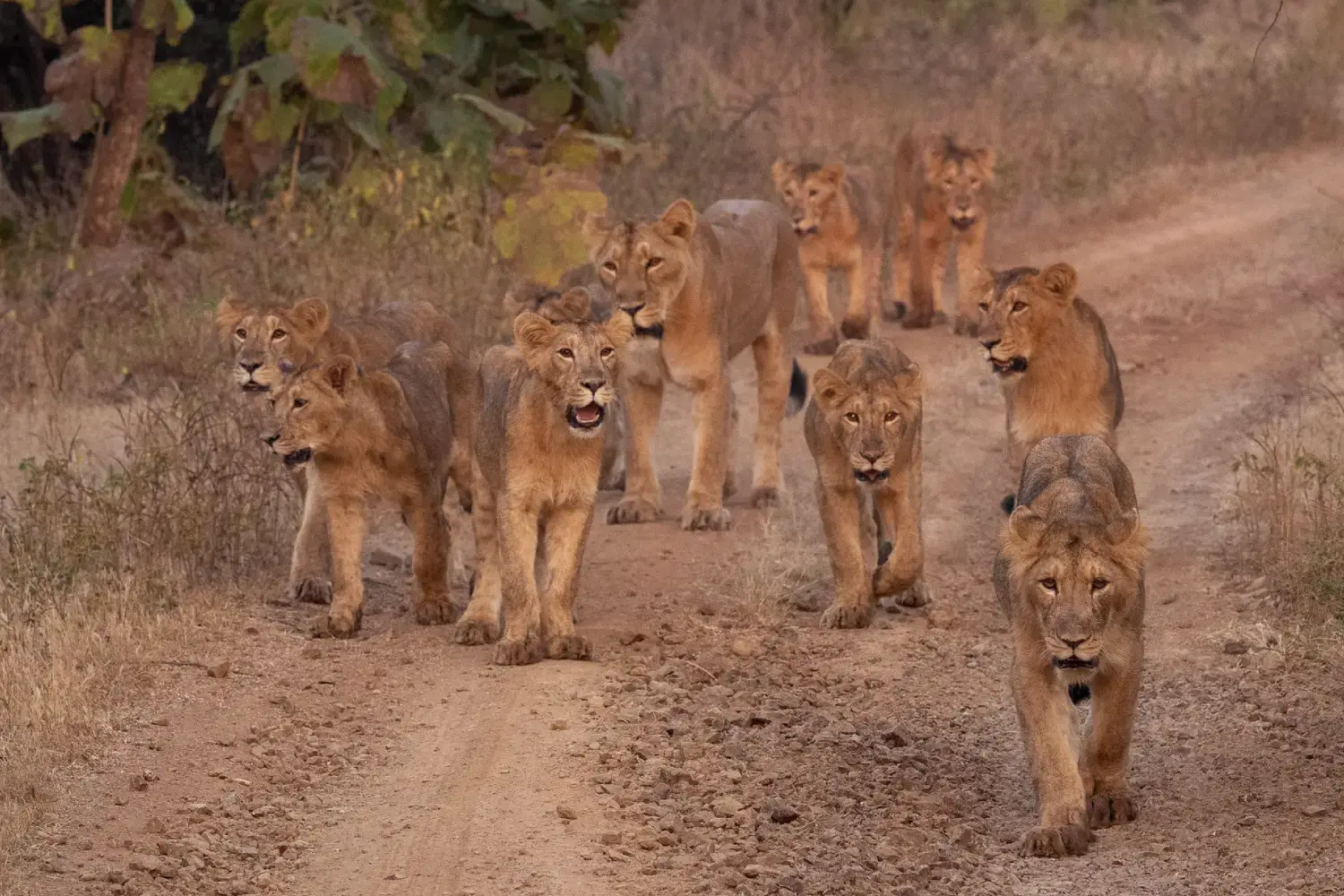
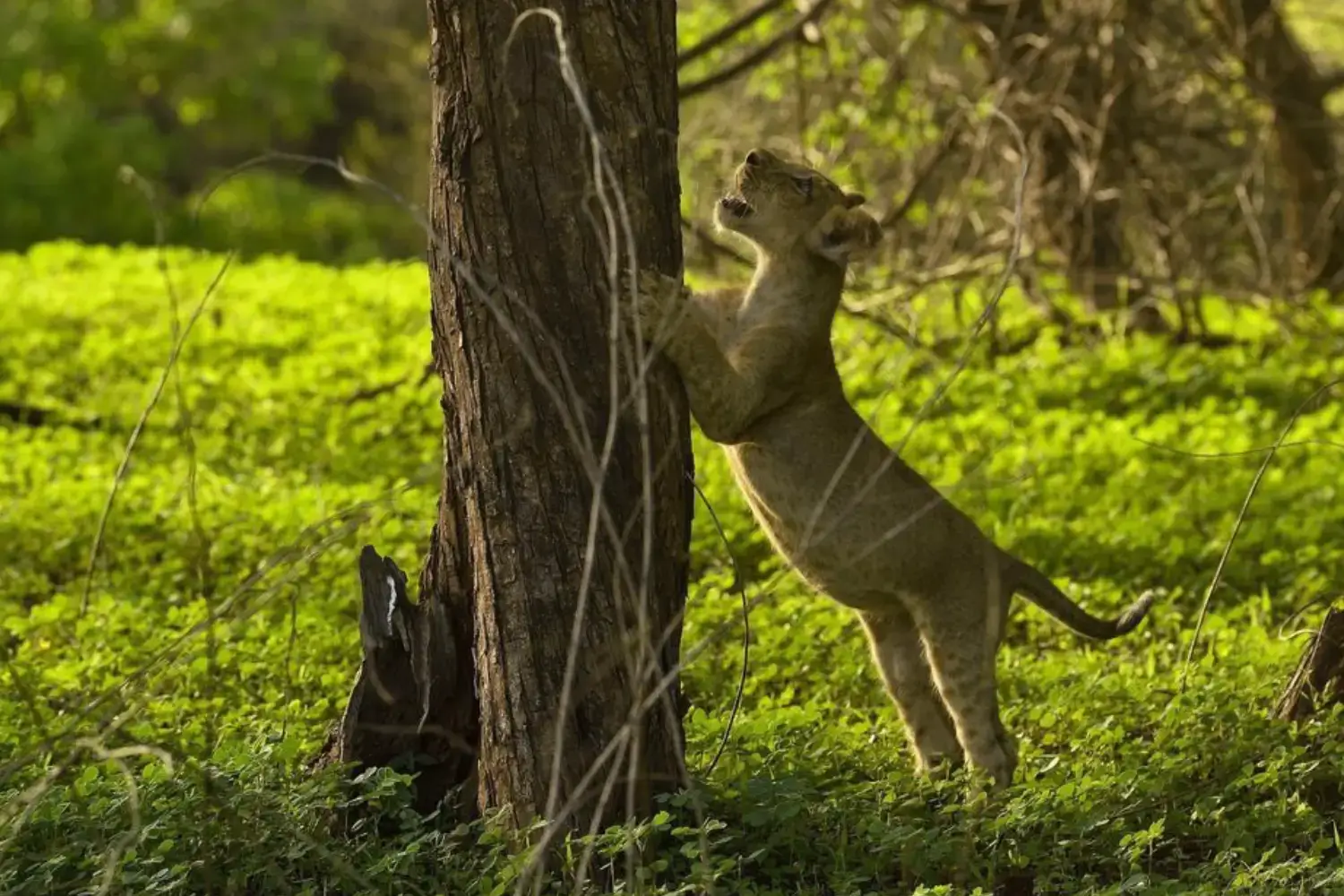
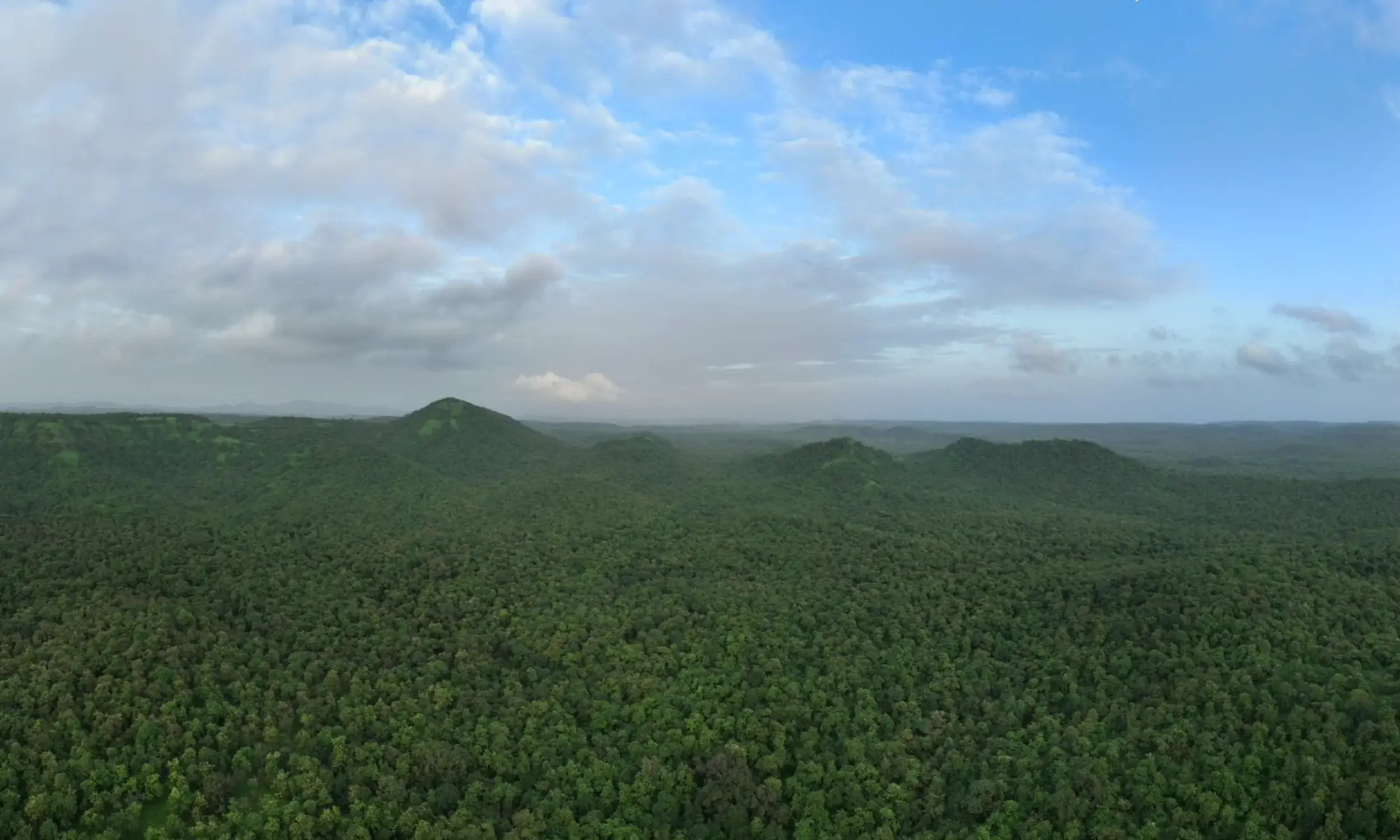
Gir’s ecological richness stems from its mix of dry deciduous forests, savannah-style grasslands, riverine belts, and thorn scrub vegetation, creating an ideal habitat for both predators and herbivores.
Flora of Gir National Park
The park hosts over 400 species of plants, dominated by teak, which covers nearly half the area. Other common trees include Khair, Dhak (Flame of the Forest), Amla, Babul, and Tendu. Riverbanks of the Hiran, Shetrunji, and Machhundri support semi-evergreen patches with Jamun, Simal, and Umro trees. This floral diversity creates microhabitats that sustain everything from lions and deer to rare birds and reptiles.
Fauna of Gir National Park
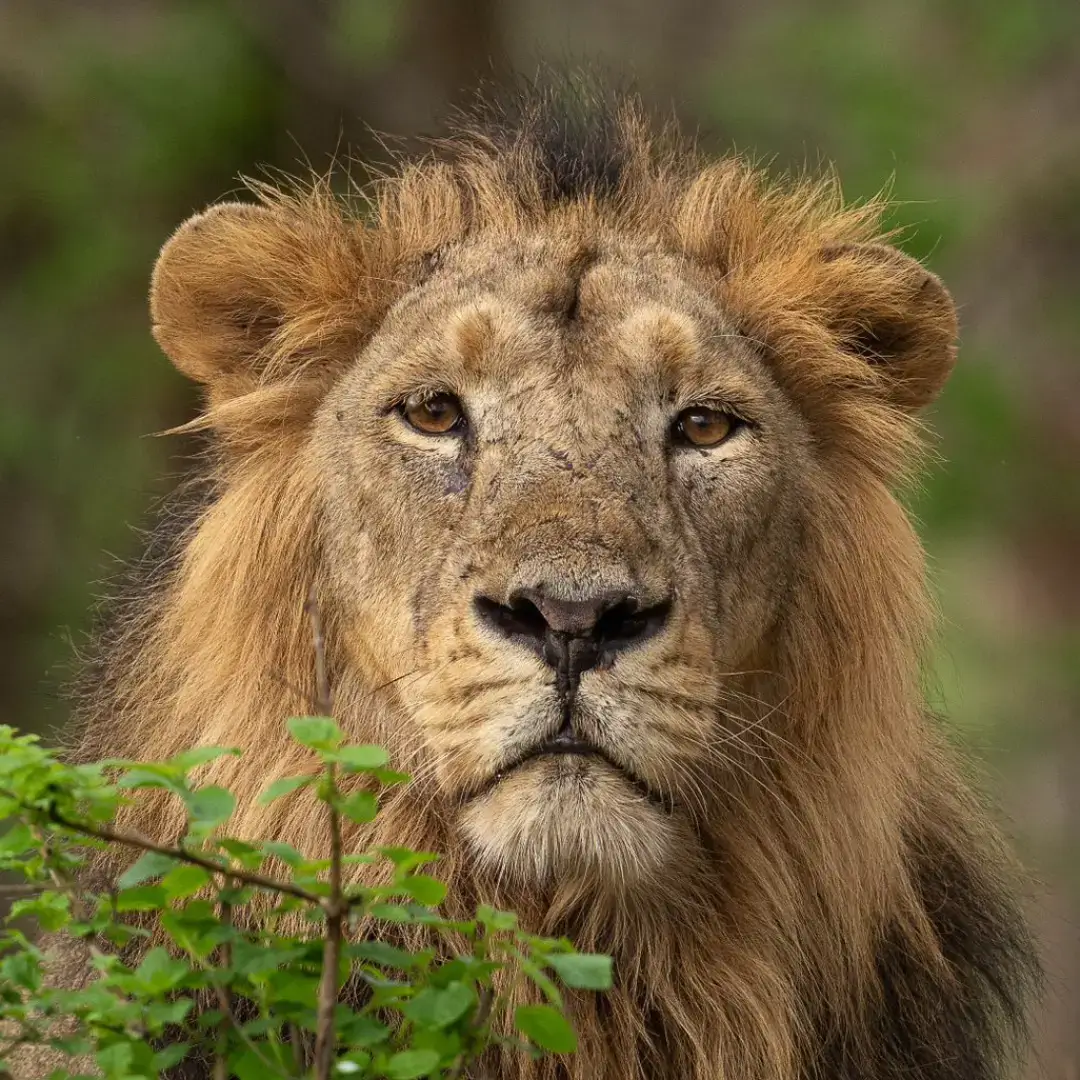
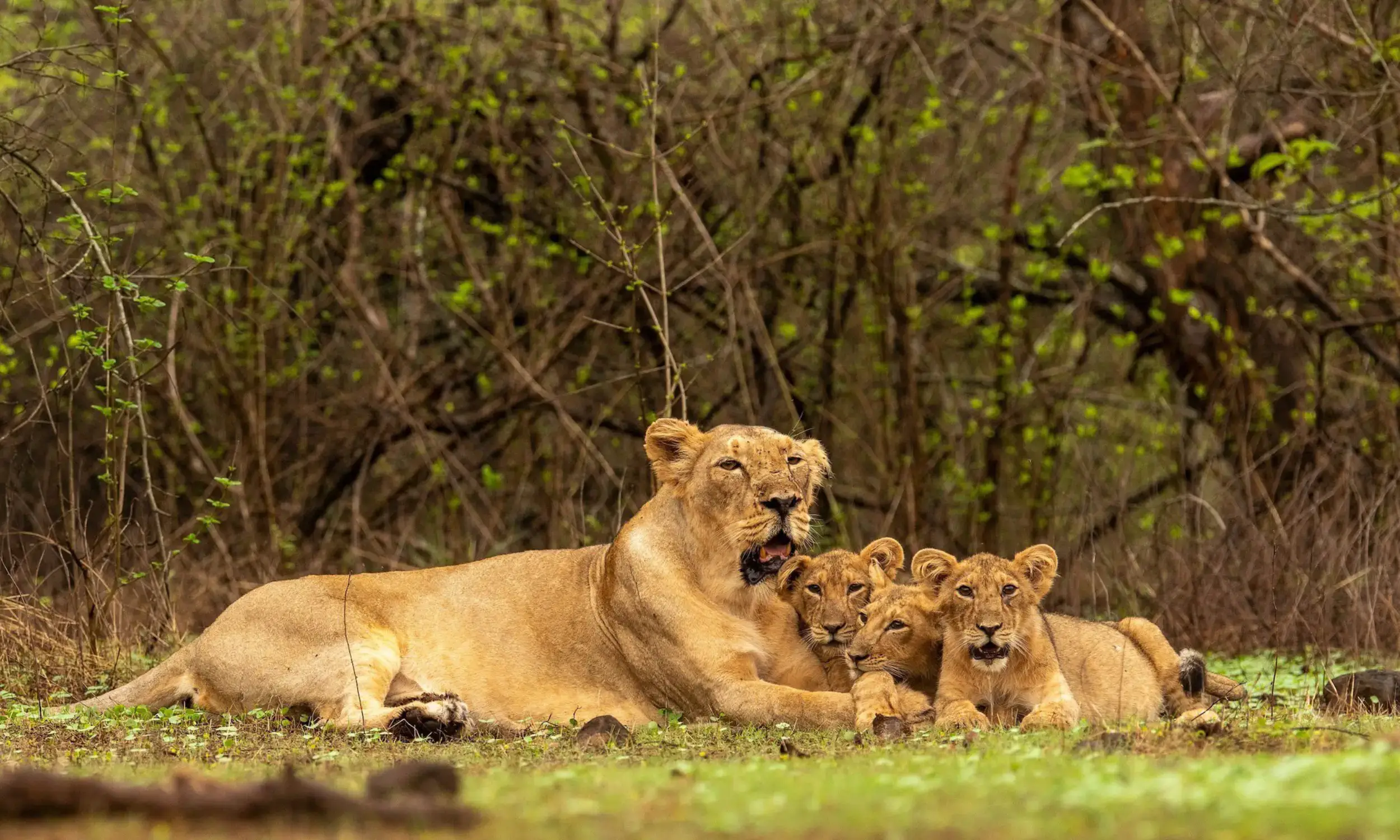
Gir is globally renowned as the last natural habitat of the Asiatic lion (Panthera leo persica). The latest official population count (2020) records 674 lions in the park. Beyond lions, Gir shelters an impressive range of wildlife, which includes:
| Category | Species Found in Gir National Park |
| Flagship Species | Asiatic Lion (Panthera leo persica) |
| Major Carnivores | Indian Leopard, Striped Hyena, Golden Jackal, Sloth Bear, Jungle Cat, Rusty-Spotted Cat |
| Other Carnivores | Indian Fox, Desert Cat (occasionally in peripheral areas) |
| Major Herbivores | Chital (Spotted Deer), Sambar, Nilgai (Blue Bull), Chousingha (Four-Horned Antelope), Chinkara (Indian Gazelle), Wild Boar |
| Occasional Herbivores | Blackbuck (from nearby grasslands), Indian Hare |
| Reptiles | Mugger (Marsh Crocodile), Indian Python, Indian Cobra, Russell’s Viper, Monitor Lizard, Softshell Turtles, various snake species |
| Birds (Avifauna) | Crested Serpent Eagle, Bonelli’s Eagle, Brown Fish Owl, Indian Pitta, Rock Bush Quail, Paradise Flycatcher, Vultures (including Long-Billed & White-Backed), Woodpeckers, Peafowl, Storks |
| Insects & Others | Dragonflies, Butterflies, beetles, and various invertebrates |
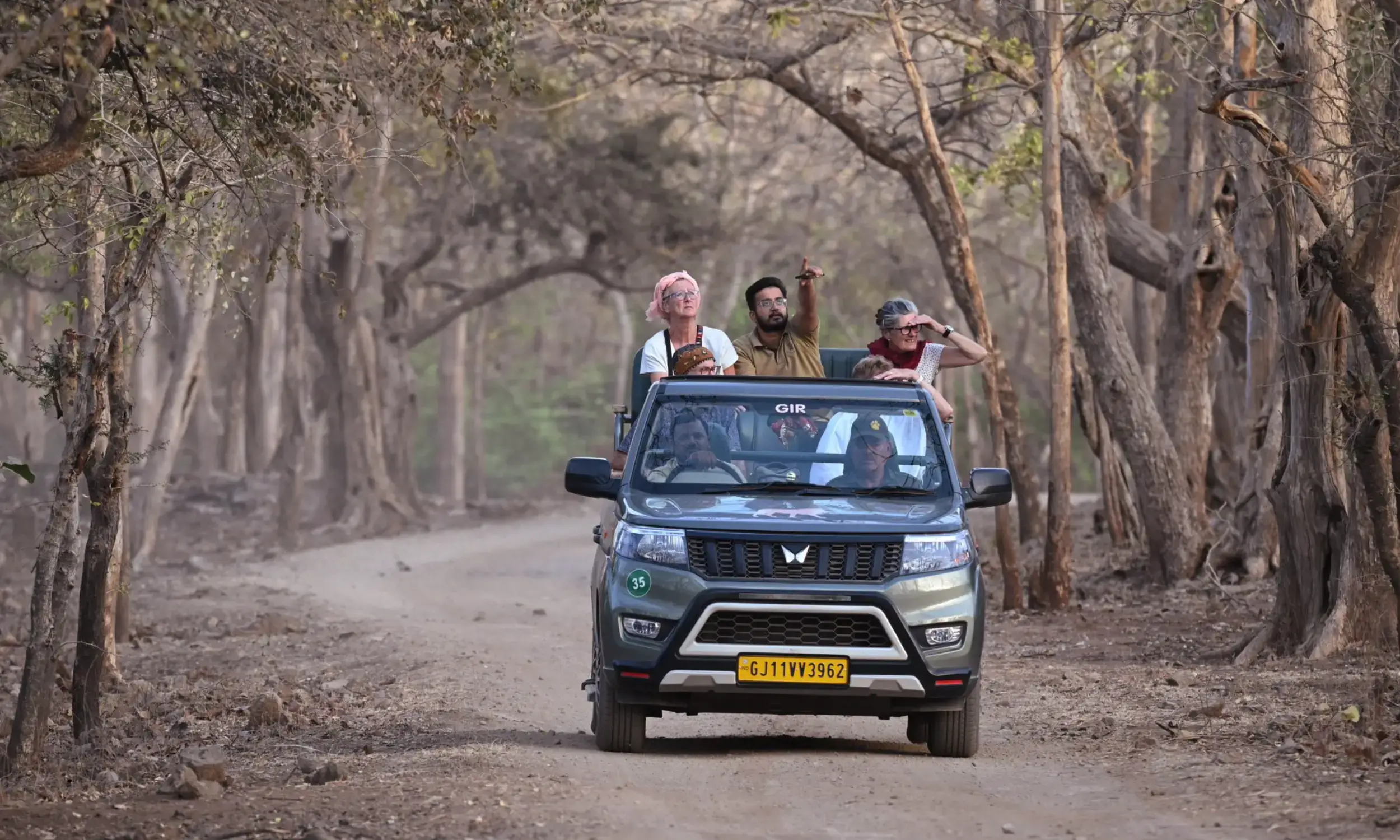
Exploring Gir National Park on a safari is the best way to see its incredible wildlife, especially the Asiatic lions in their natural habitat. Visitors can choose between two main safari experiences in Gir: the Gir Jungle Trail (Jeep Safari) inside the main forest and the Devaliya Interpretation Zone Safari (also called Devaliya Safari Park), which offers higher chances of sightings in a shorter time.
Gir Jungle Trail (Jeep Safari)
The Gir Jungle Trail is the core-zone safari inside the Gir Lion Sanctuary and the most popular way to experience the real forest. This lion safari in Gir National Park takes you deep into the jungle across 13 designated routes, offering opportunities to spot lions, leopards, deer, and other wildlife in their natural surroundings.
Gir Jungle Safari Timings
| Season | Days | Morning Timings | Mid-Morning Timings | Evening Timings |
| Winter (16 October – 28/29 February) | Monday to Sunday | 6:45 AM – 9:45 AM | 9:00 AM – 12:00 PM | 3:00 PM – 6:00 PM |
| Summer (1 March – 15 June) | Monday to Sunday | 6:00 AM – 9:00 AM | 9:00 AM – 12:00 PM | 4:00 PM – 7:00 PM |
Note: Gir Jungle Safari (core forest) remains closed from 16 June to 15 October every year for the monsoon and forest conservation period.
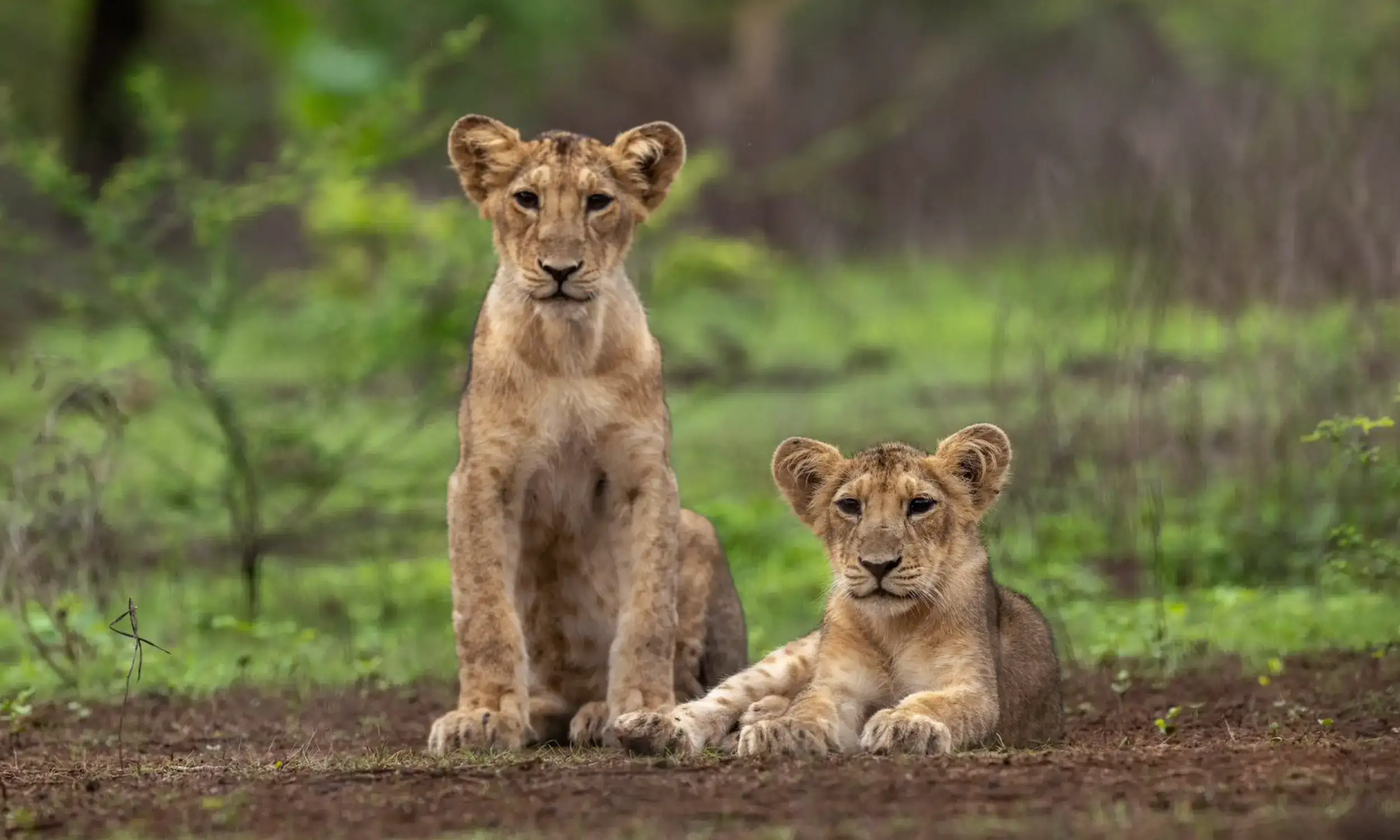
For visitors with limited time, families, or those who want a higher probability of wildlife sightings, the Devaliya Safari Park (Gir Interpretation Zone) is an excellent alternative. Located near Sasan Gir, this 4.12 sq. km fenced area has been designed as a “mini Gir,” showcasing lions, leopards, ungulates, and other wildlife in an ecosystem that closely resembles the main forest.
Devaliya Bus Safari – Timings (Official)
| Season | Days | Morning Slots | Evening Slots |
| Winter (16 June – 28/29 February) | Monday to Sunday | 7:30 AM – 11:00 AM (multiple half-hour slots) | 3:00 PM – 5:00 PM (multiple half-hour slots) |
| Summer (1 March – 15 June) | Monday to Sunday | 7:00 AM – 10:30 AM (multiple half-hour slots) | 4:30 PM – 6:30 PM (multiple half-hour slots) |
Devaliya Gypsy Safari – Timings
| Season | Days | Morning Slots | Evening Slots |
| Winter (16 June – 28/29 February) | Monday to Sunday | 7:00 AM – 10:55 AM (hourly slots) | 3:00 PM – 5:55 PM (hourly slots) |
| Summer (1 March – 15 June) | Monday to Sunday | 6:30 AM – 10:25 AM (hourly slots) | 3:45 PM – 6:40 PM (hourly slots) |
Note: Unlike the core jungle safari, Devaliya Safari Park operates during the monsoon as well, except on Wednesdays, providing visitors with wildlife viewing options even when the main forest is closed.
Travelers can choose from luxury jungle resorts, mid-range lodges, boutique cottages, and budget guesthouses near Sasan Gir. Many stays in Gir offer guided nature walks, in-house naturalists, and cultural experiences.
Staying near the park gates, especially close to Sasan Gir, ensures easy, early access to safari points and increases overall chances of good sightings.





 Trekking Tour
 Peak Climbing
 Jeep Safari
 Mountain Biking
 +91-9212553109
 Plan Your trip