Uttarakhand is home to some of the most popular hill stations in North India, each offering a different experience depending on altitude, accessibility, and travel style. A summer escape from the plains, a quick weekend trip from Delhi, or a quieter mountain retreat all require different destination choices, and getting this right can significantly improve your trip.
This guide breaks down the top hill stations in Uttarakhand and helps you understand which one suits your travel plans best.
Best Hill Stations in Uttarakhand by Travel Type
How to Choose the Right Hill Station in Uttarakhand?
Not all hill stations in Uttarakhand offer the same experience. Popular destinations like Mussoorie and Nainital are easier to reach and offer more activities, while places like Chopta or Pithoragarh are better suited for travellers looking for quieter, more immersive mountain landscapes.
Travel time, season, and crowd levels should be considered before choosing your destination, especially during peak summer and winter months.
Check out: Popular Uttarakhand Tour Packages
Altitude: 2,005 metres above sea level
Best Time to Visit: March to June, September to November
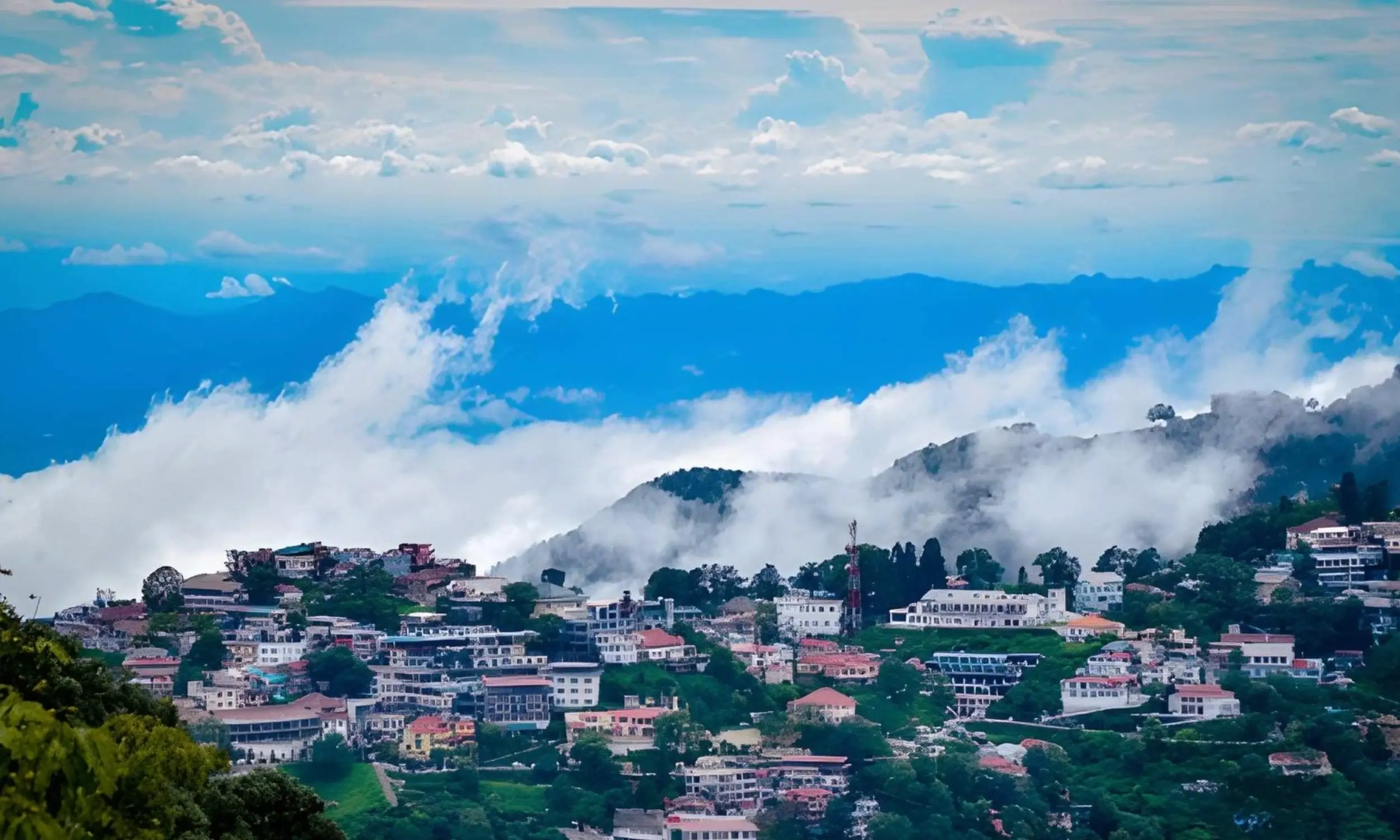
No list of the best hill stations in Uttarakhand is complete without Mussoorie. Located in the Dehradun district and perched at the foothills of the Garhwal Himalayas, Mussoorie has been drawing visitors since the British colonial era and has never stopped. The Mall Road, Gun Hill, Kempty Falls, and the Camel's Back Road are the classic draws. The views of the Shivalik ranges and the Doon Valley from Gun Hill, the highest point in town, are among the most photographed in Uttarakhand.
What many visitors do not know: Mussoorie was home to Sir George Everest, the Surveyor General of India who helped the British measure the height of Mount Everest. His house, known as the Park Estate, still stands on a hill outside town and is open to tourists. From here, Everest used the property as an observatory to view mountains that demarcated the boundaries of British India. The peak that was earlier called Peak XV was subsequently named after him. If you visit Mussoorie and skip this site, you have missed one of the most historically significant buildings in all of the Himalayas.
Why visit Mussoorie: Colonial architecture, panoramic Himalayan views, Mall Road shopping, Kempty Falls, and the George Everest House.
Who it’s best for: First-time visitors, families, and short trips from Delhi
Avoid if: You prefer quiet or less crowded hill stations during peak season
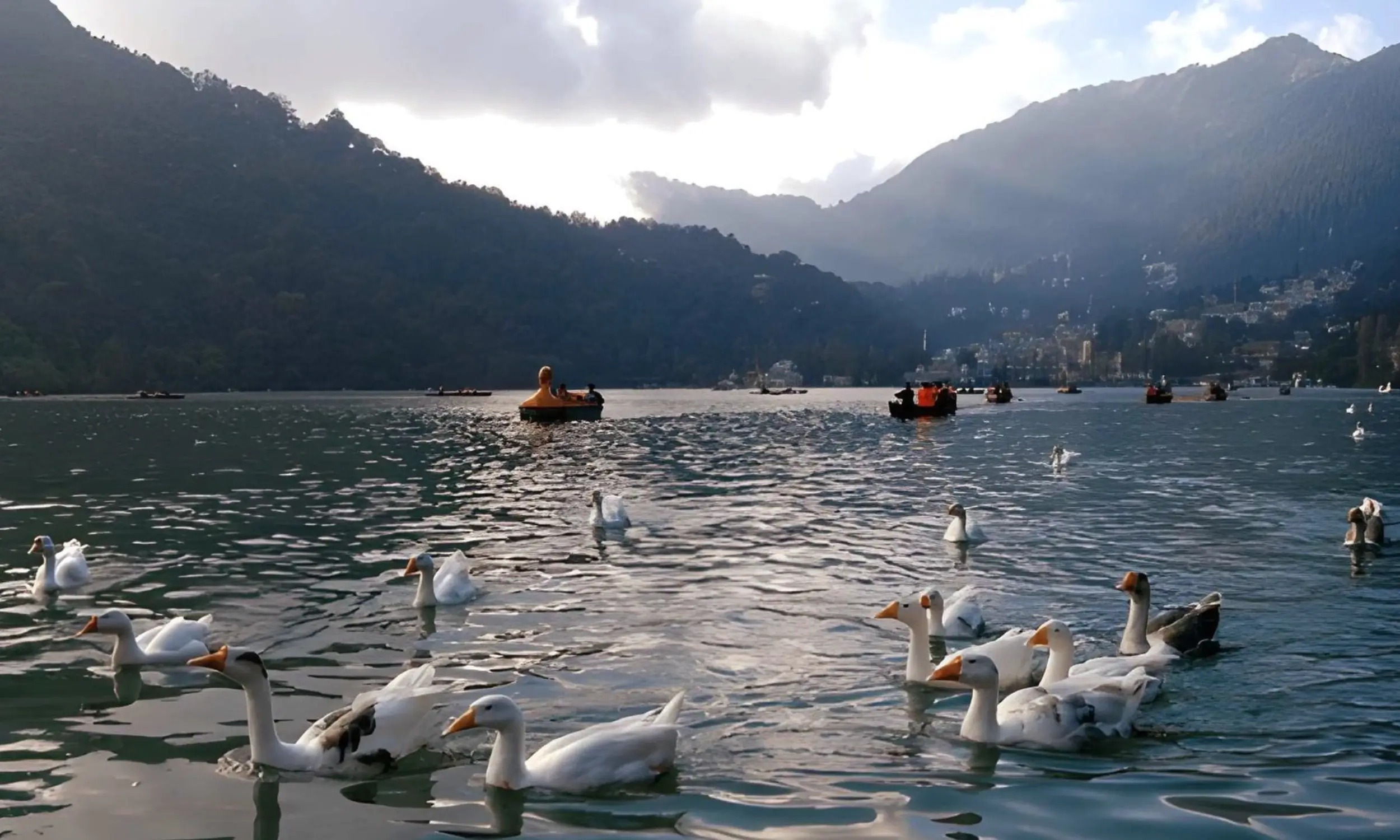
Altitude: 2,084 metres above sea level
Best Time to Visit: March to June, December to February
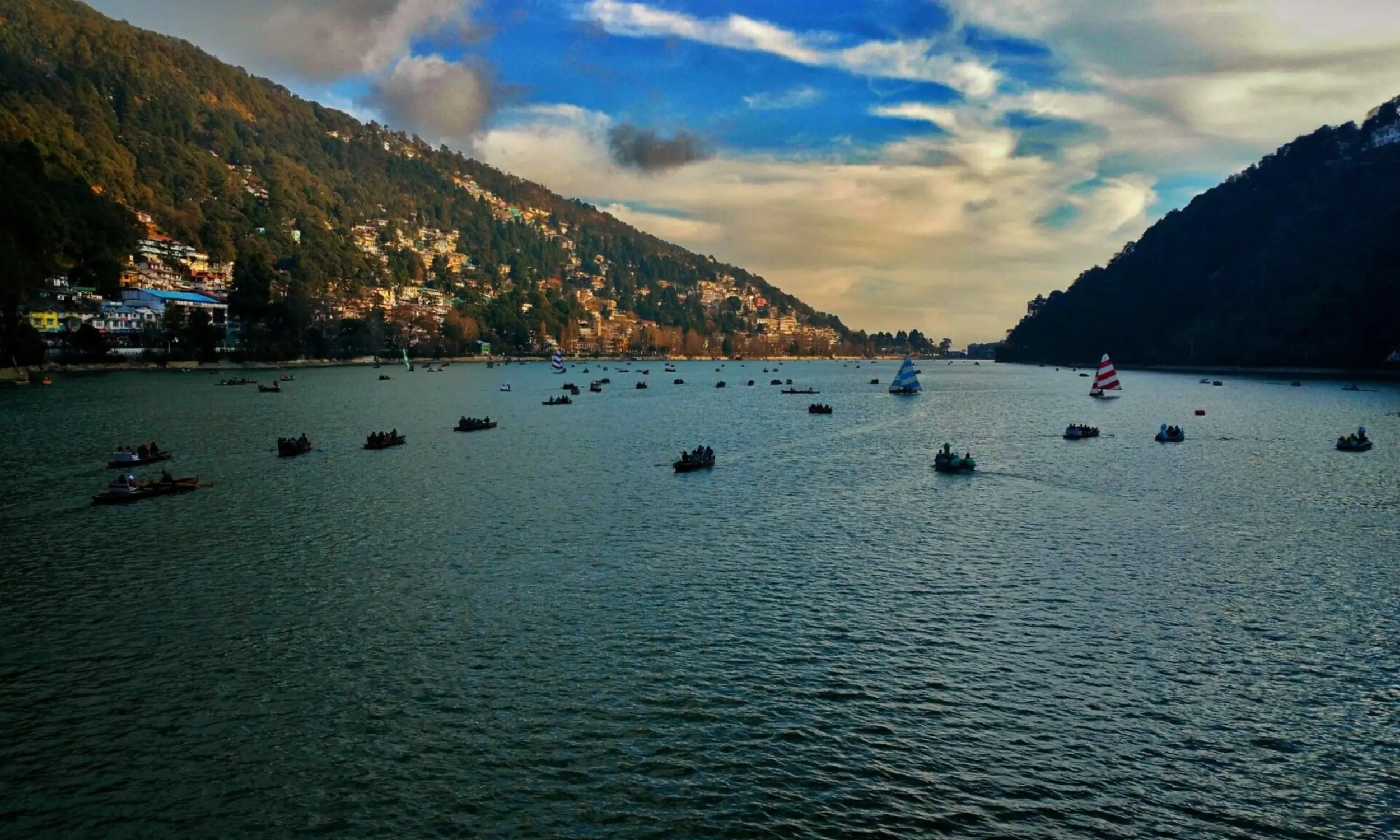
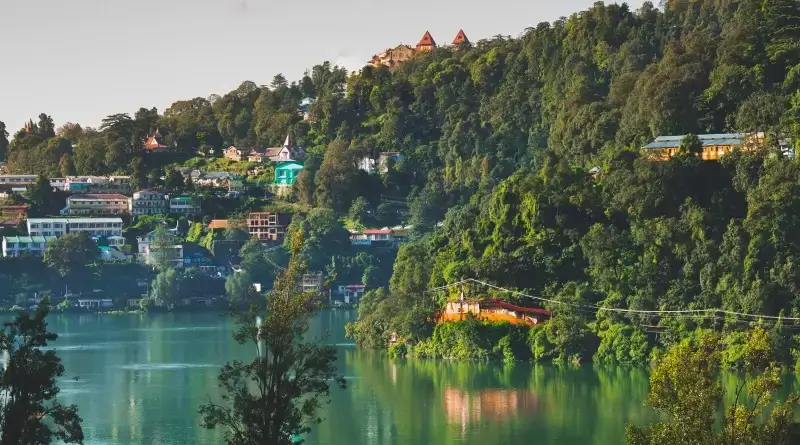
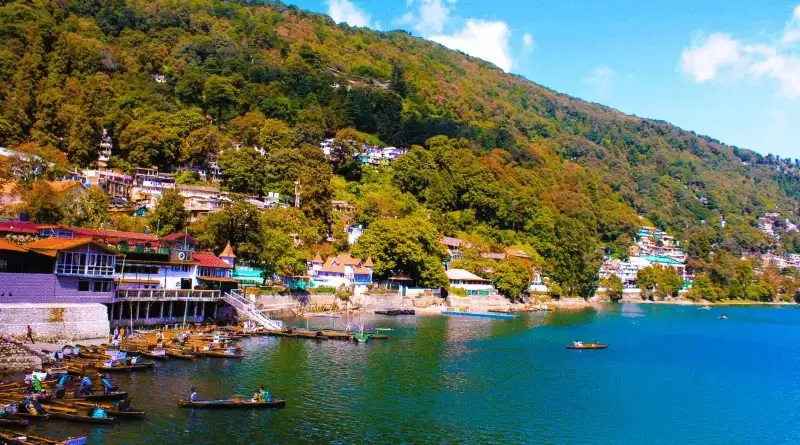
Nainital is possibly the most beloved of all the top hill stations in Uttarakhand and the most visited for good reason. The town sits around the emerald Naini Lake, a blue-green eye-shaped body of water surrounded by mountains on three sides, filled with sailboats and paddleboats and the reflection of the hills that frame it. Boat rides on the lake, visits to the Naina Devi Temple on its northern shore, the Snow View Point, the Eco Cave Garden, and the colonial-era Governor's House are the core experiences.
The legend of Naini Lake: According to Hindu tradition, Nainital is one of the 64 Shakti Peethas, the sacred sites where parts of Goddess Sati's body are said to have fallen after Lord Shiva carried her across the cosmos in grief. It is believed that her eyes, or nainas, fell here, giving the lake and the town their name. The Naina Devi Temple on the northern bank of the lake marks this sacred spot and draws pilgrims year-round alongside tourists. This legend gives Nainital a spiritual weight that is rarely discussed in travel itineraries but is deeply felt by those who know it.
Why visit: One of the best places to visit with family for first-time travellers to the region.
Who it’s best for: Families, couples, and travellers looking for a mix of sightseeing and leisure
Avoid if: You are looking for offbeat or less commercial destinations
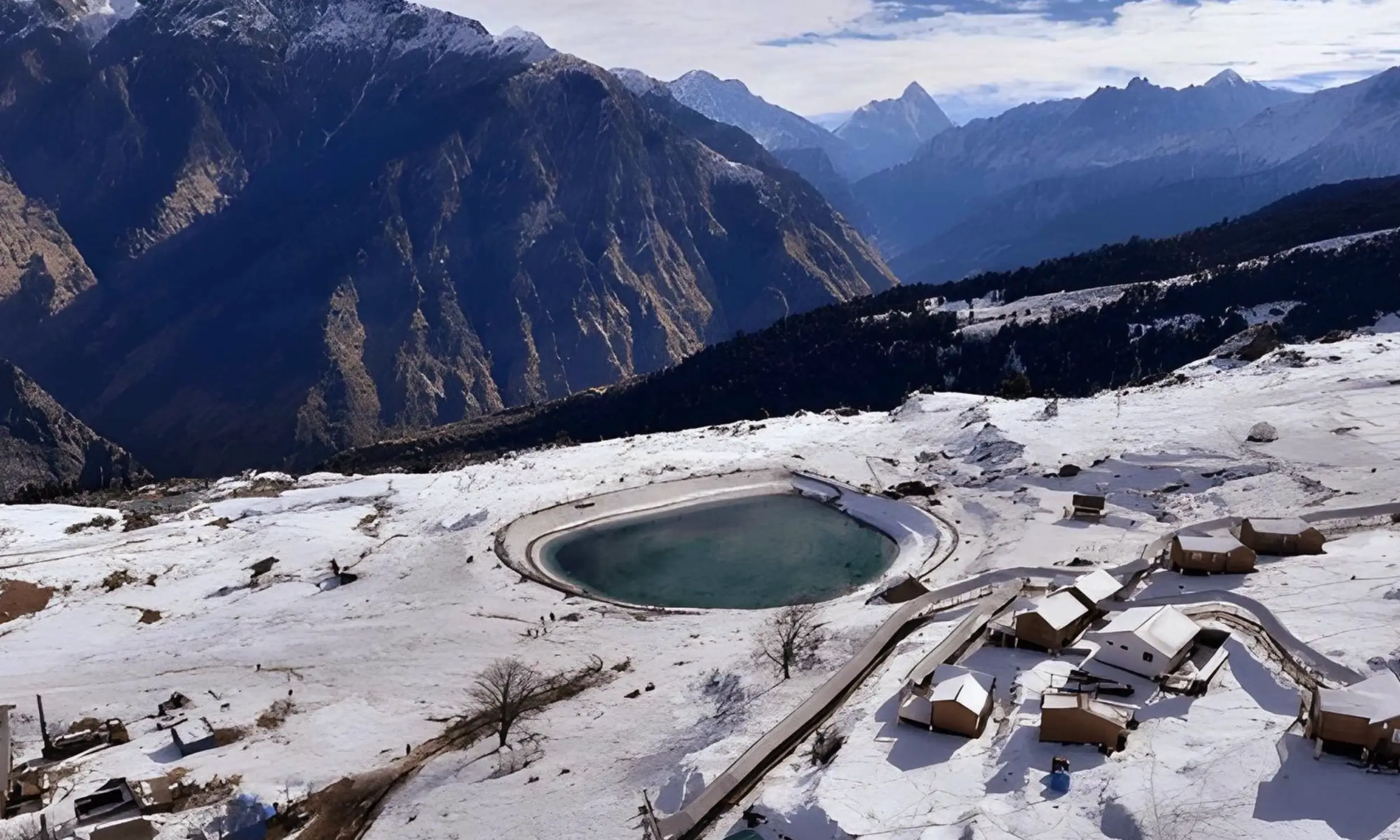
Altitude: 2,500 to 3,000 metres above sea level
Best Time to Visit: November to March for skiing, April to June for trekking
Auli, located in the Chamoli district of the Garhwal Himalayas, is one of the finest top hill destinations in Uttarakhand for adventure travellers. Known as Auli Bugyal, meaning meadow in Garhwali, it sits at an average altitude of 2,800 metres and offers what many consider the best ski slopes in India, with a 900-metre drop confirmed by sources covering Uttarakhand's Garhwal region. The views from Auli encompass Nanda Devi, the second-highest peak in India, alongside peaks including Mana, Kamet, Dunagiri, and Trishul.
The legend of Auli: According to tradition, the revered Guru Adi Shankaracharya visited Auli during the 8th century AD during his journey through the Himalayas and built a math at nearby Joshimath that still stands today and is known as Shankaracharya Tapasthali. Before it became a skiing destination, Auli's trails were frequently traversed by the semi-nomadic Bhotiya tribes who maintained barter trading with Tibet for centuries, making it one of the oldest high-altitude trade corridors in northern India.
Why visit: Best skiing destination in India, panoramic Himalayan views, Joshimath gateway, and one of the finest summer getaway options for trekkers in spring and early summer.
Who it’s best for: Adventure travellers, skiers, and mountain view seekers
Avoid if: You prefer easy access and minimal travel time (reaching Auli requires planning)
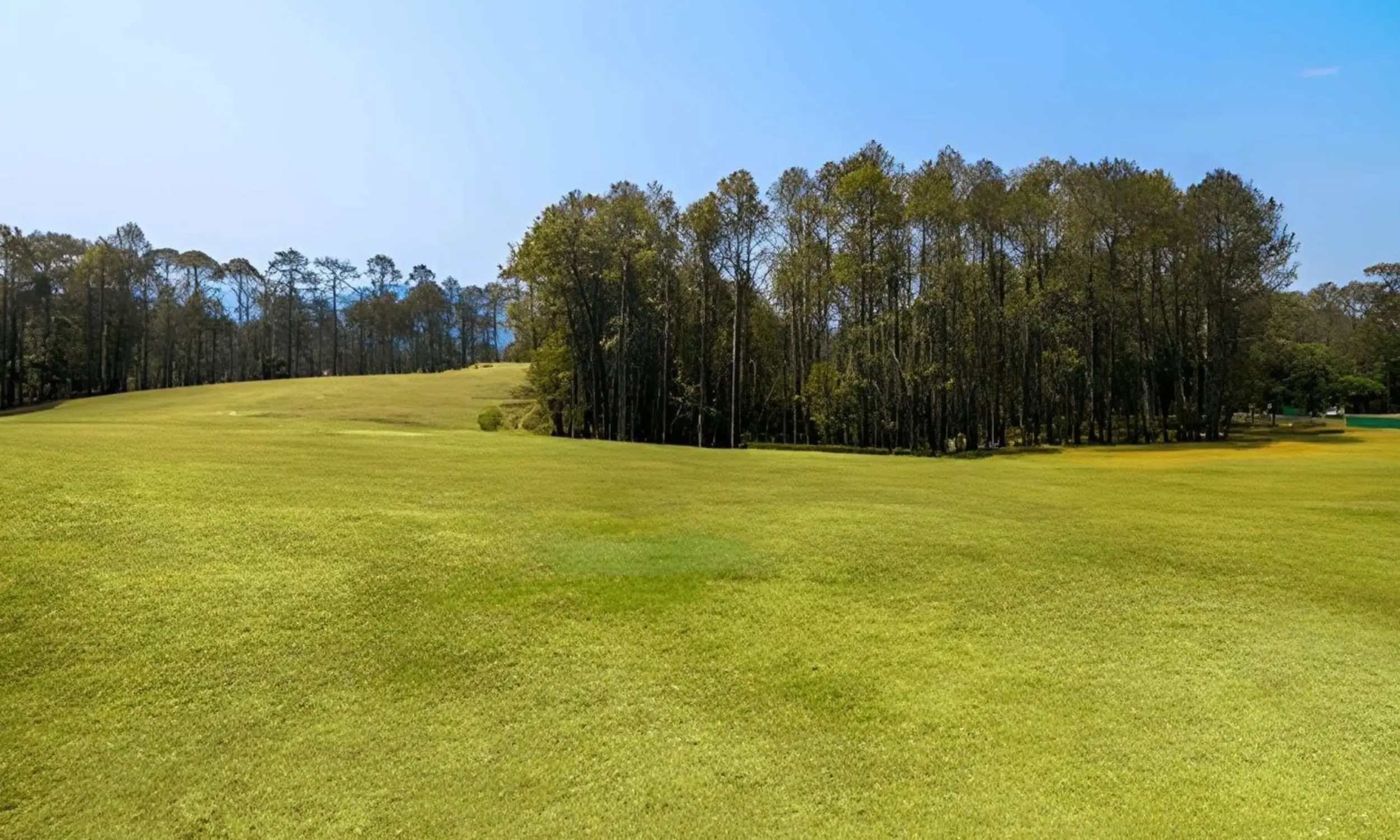
Altitude: 1,829 metres above sea level
Best Time to Visit: April to June, September to November
The name Ranikhet translates directly to Queen's Land, and the hill station lives up to it without effort. Set in the Almora district of Uttarakhand, Ranikhet is one of the most tranquil of all the best hill stations in Uttarakhand, surrounded by dense oak and pine forests, with sweeping views of the Himalayan range that stretch across the horizon. The Bhalu Dam, Chaubatia Orchards, Jhula Devi Temple, and the Upat Golf Course, one of the highest golf courses in Asia, are among the must-visit attractions.
The legend of Ranikhet: Local tradition holds that the Kumaoni queen Padmini was so enchanted by the natural beauty of this highland meadow that she asked the king to build a palace here, giving the land its name. While no palace remains, the legend has stuck for centuries and remains part of the town's identity. The Jhula Devi Temple, dedicated to Goddess Durga, is believed by locals to grant wishes, and hundreds of bells hang from its structure, placed by devotees whose prayers were answered, a sight that is as unusual as it is deeply moving.
Why visit: Peaceful atmosphere, orchard walks, Asia's highest golf courses, and one of the best mountain getaways in Uttarakhand for those seeking quiet over crowds.
Who it’s best for: Slow travellers and those seeking quiet, scenic stays
Avoid if: You want a wide range of tourist activities
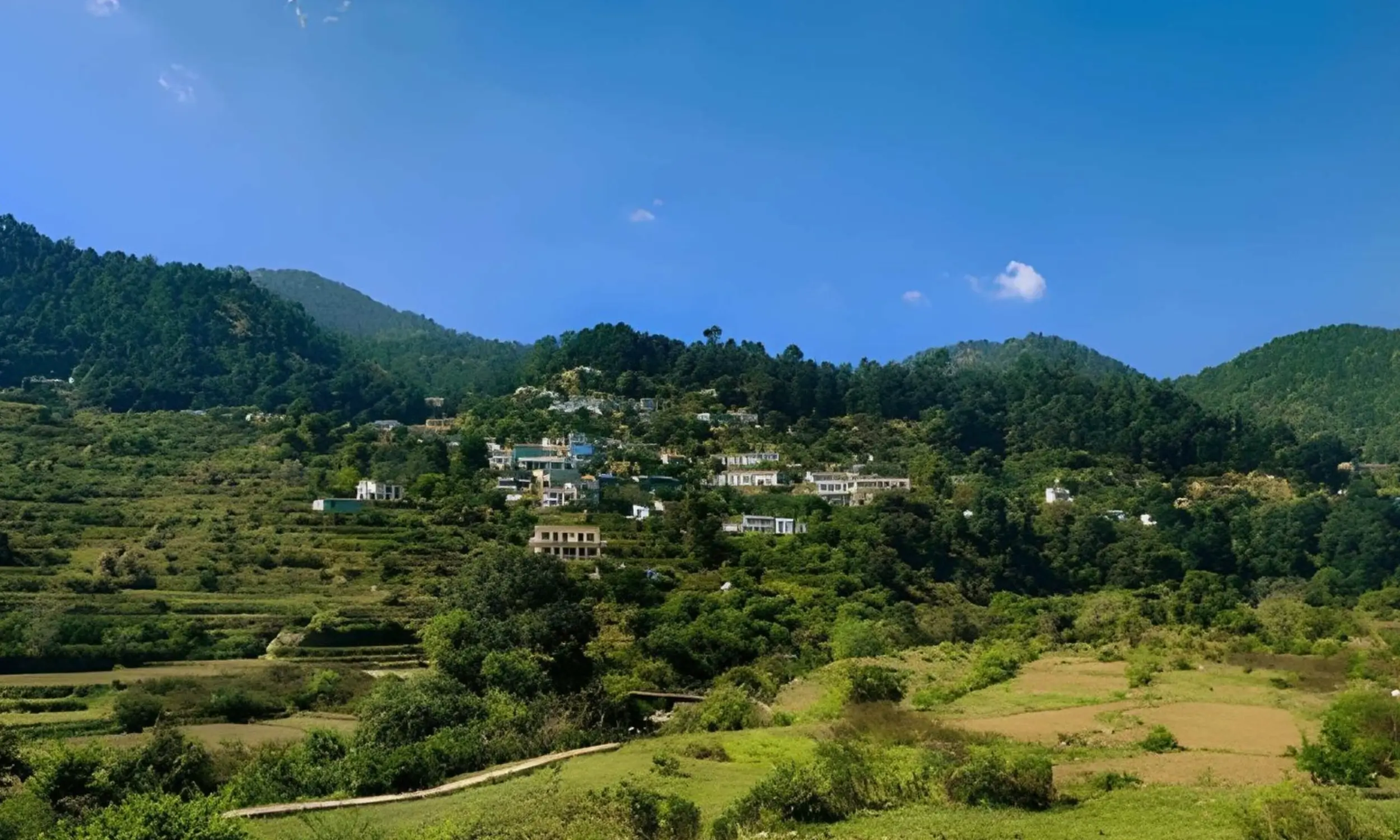
Altitude: 1,890 metres above sea level
Best Time to Visit: April to June, September to December
Kausani is one of those hill stations that earns its nicknames. Located in the Bageshwar district of Uttarakhand, it was Mahatma Gandhi who called it the Switzerland of India after spending time here in 1929 at what is now the Anashakti Ashram. The panoramic view from Kausani stretches across 300 kilometres of the Himalayan range, encompassing Trishul, Nanda Devi, and Panchachuli peaks in a single uninterrupted sweep that is difficult to describe and almost impossible to photograph adequately.
The poet's connection: Kausani is the birthplace of Sumitranandan Pant, one of the greatest Hindi language poets of the 20th century, who is said to have drawn lifelong inspiration from the landscape around him. A museum dedicated to his life and work, the Sumitranandan Pant Gallery, stands in the town and is visited by literary travellers from across India. The combination of Gandhi's ashram and Pant's legacy gives Kausani a cultural depth that most hill stations in Uttarakhand simply do not possess.
Why visit: Spectacular Himalayan panoramas, Gandhi's ashram, tea estate tours, and one of the most rewarding and best places to visit in summer for nature lovers seeking both beauty and quiet.
Who it’s best for: Nature lovers, couples, and travellers seeking panoramic Himalayan views
Avoid if: You are looking for nightlife or busy markets
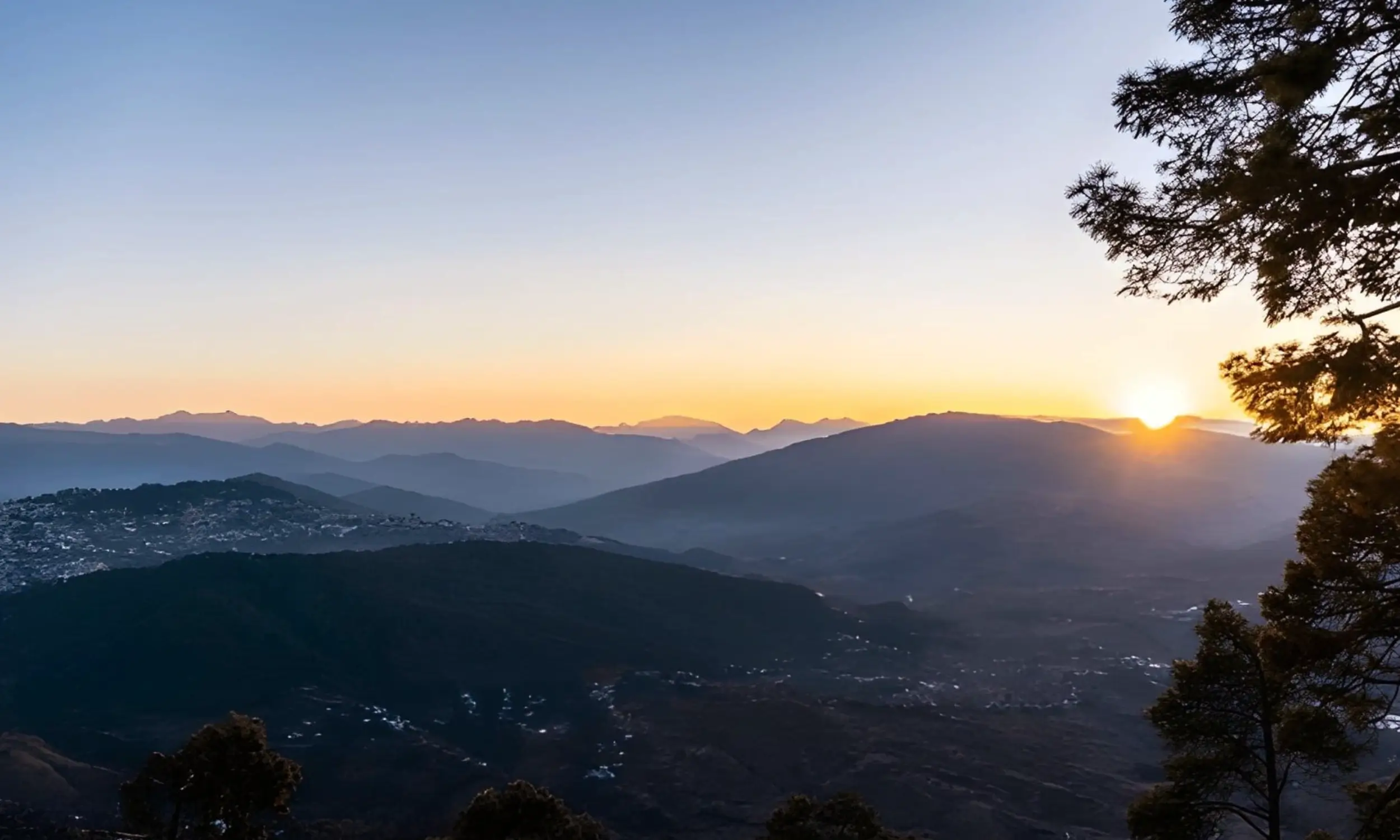
Altitude: 1,638 metres above sea level
Best Time to Visit: March to June, September to November
Almora sits in the Kumaon region of Uttarakhand, shaped like a horseshoe across a ridge, and it has been a centre of culture, art, and learning in the hills for centuries. It was the capital of the Chand dynasty, which ruled the Kumaon region from the 7th to the 18th centuries, and the temples, bazaars, and stone-paved streets of the old town still carry that history visibly. The Nanda Devi Temple, the Chitai Golu Devta Temple, the Bright End Corner viewpoint, and the Kasar Devi Temple are the principal attractions.
The Kasar Devi mystique: The Kasar Devi Temple, dedicated to the goddess Kasar Devi, sits on a ridge above Almora and has drawn a remarkable range of visitors across history, including Swami Vivekananda, who meditated here in the late 19th century; and later, in the 1960s and '70s, writers and thinkers including Allen Ginsberg, Bob Dylan, Cat Stevens, and Timothy Leary were drawn by the temple's reputation for spiritual energy. NASA has reportedly studied the area for its unusual electromagnetic field, though this claim circulates more as local legend than confirmed science. Regardless, the hilltop atmosphere is genuinely unusual and worth the climb.
Why visit: Rich history, the Chand dynasty heritage, Kasar Devi Temple, and a genuinely immersive top tourist place experience in the cultural heart of Kumaon.
Who it’s best for: Cultural travellers and those interested in local heritage
Avoid if: You prefer resort-style or activity-driven destinations
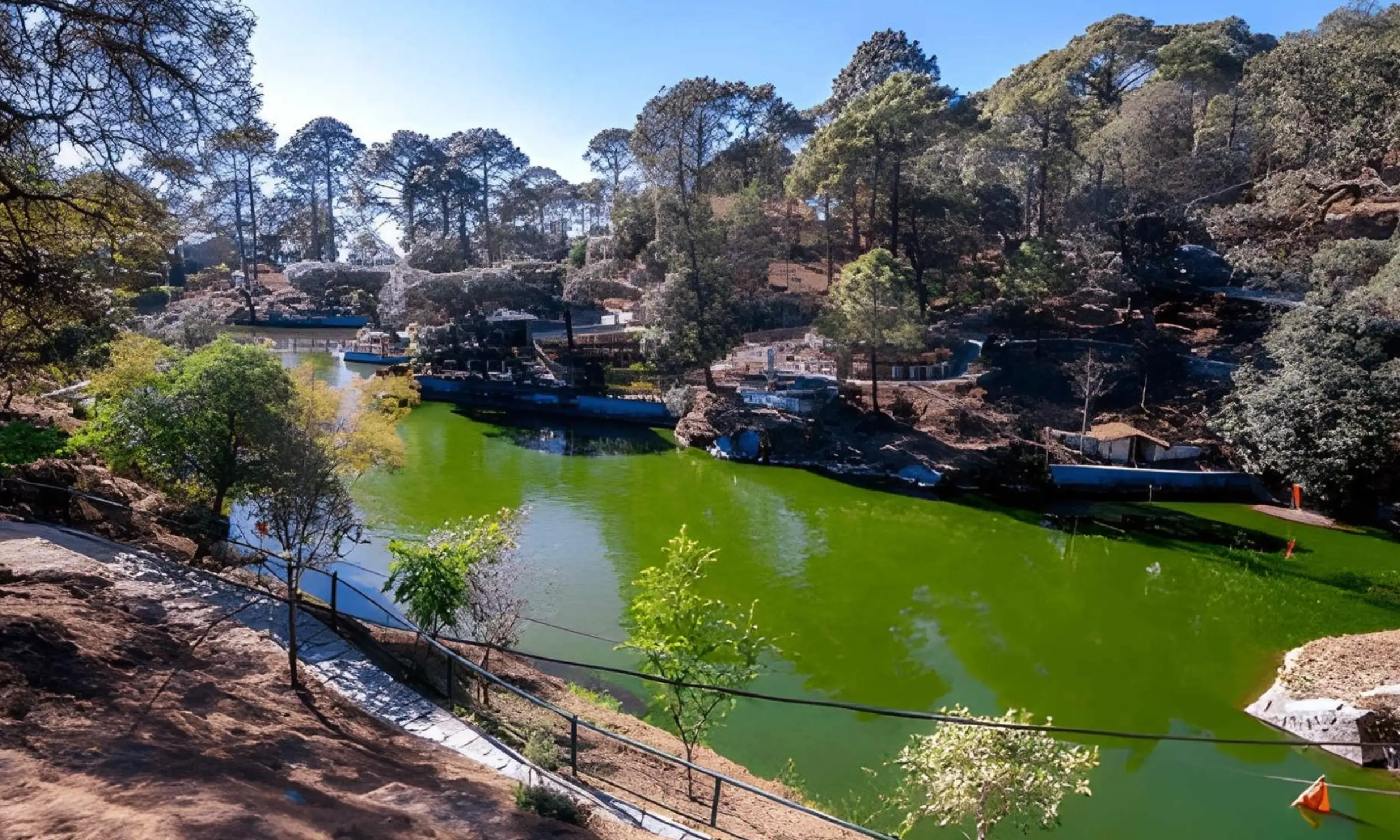
Altitude: 1,706 metres above sea level
Best Time to Visit: March to June, October to December
Lansdowne is one of the most underrated of the top hill destinations in Uttarakhand, and for guests who find the more popular hill stations too busy, it is the most rewarding discovery in the state. Set in the Pauri Garhwal district, surrounded by thick oak and pine forests, this small cantonment town was founded by and named after Viceroy Lord Lansdowne between 1888 and 1894. Today, the command office of the legendary Garhwal Rifles of the Indian Army is situated here, giving the town a distinctive military character alongside its natural beauty.
Heritage and history: The Garhwal Rifles Regimental War Memorial and the Regimental Museum within the cantonment provide one of the most thoughtful and moving military heritage experiences in the Indian hills. The town's British-era bungalows, St Mary's Church, and St John's Church are well-preserved examples of colonial hill architecture. Lansdowne also holds some of the finest sunrise and sunset points in Uttarakhand, and the surrounding forest walks are peaceful, uncrowded, and genuinely beautiful.
Why visit: Off-the-beaten-path character, military heritage, colonial architecture, and a perfectly quiet summer getaway for families and solo travellers who prefer stillness over activity.
Who it’s best for: Weekend travellers and those looking for quiet forest stays
Avoid if: You expect typical hill station crowds or attractions
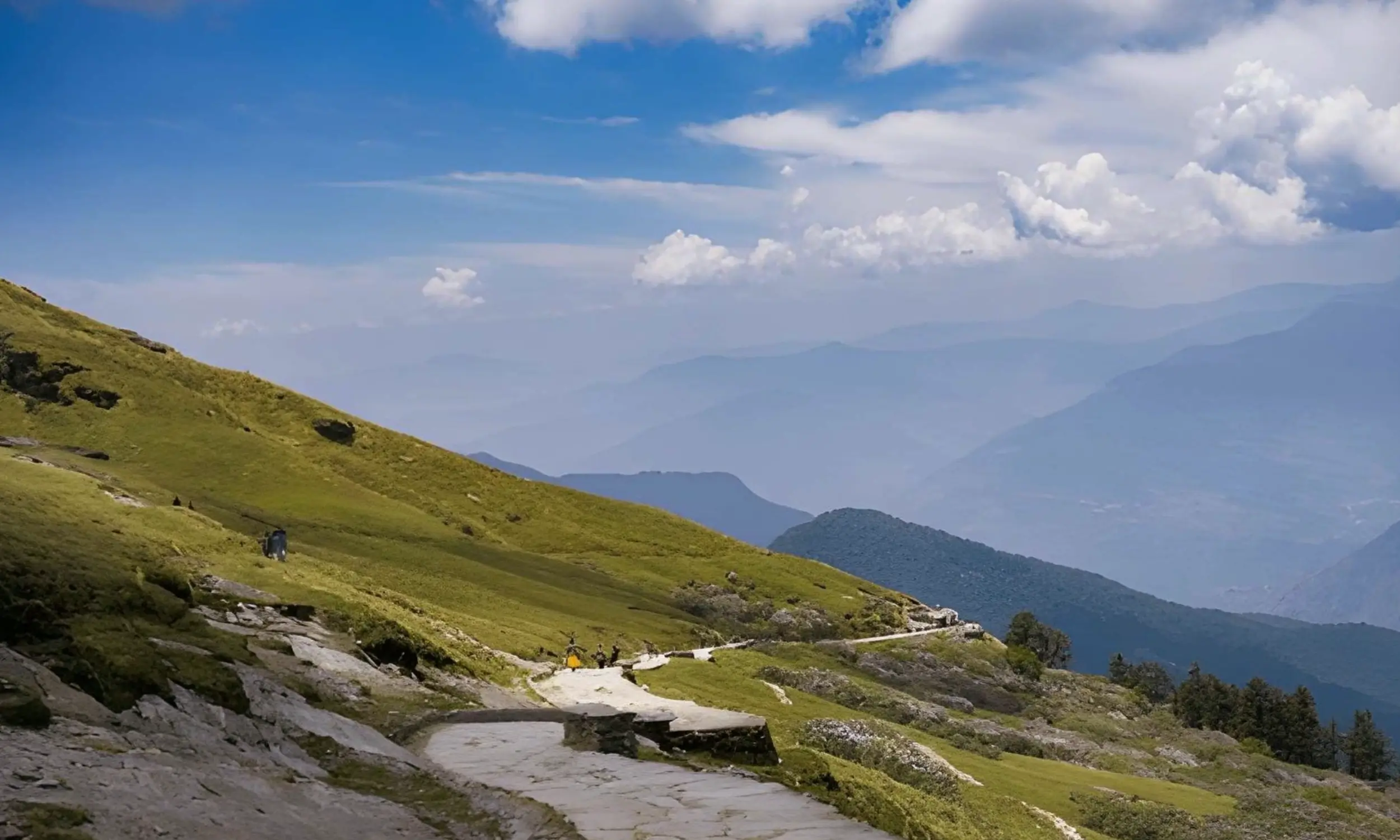
Altitude: 2,680 metres above sea level
Best Time to Visit: April to June, November to February
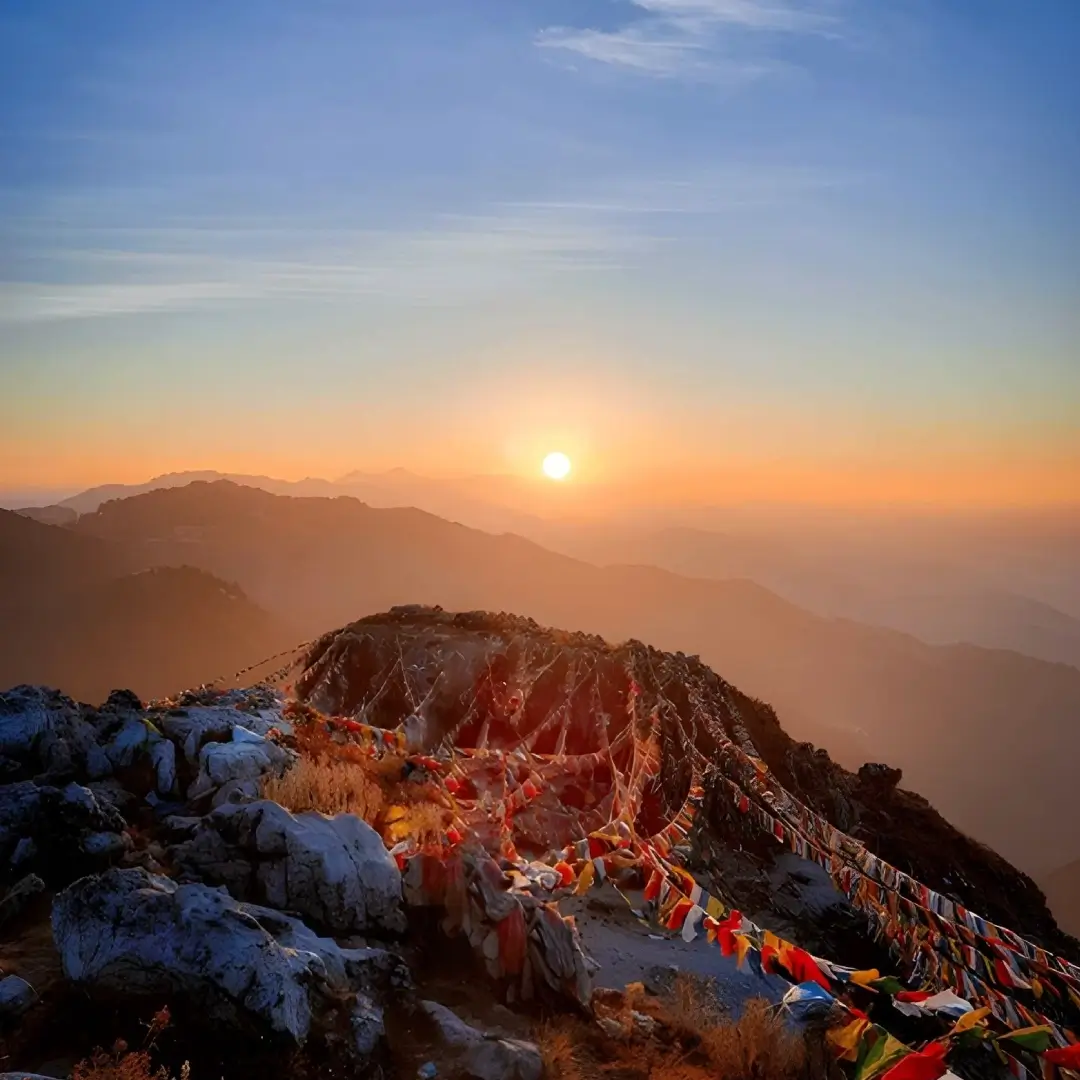
Chopta is one of the most dramatically situated of all the must-visit hill stations in Uttarakhand and one of the least known outside the trekking community. Located in the Rudraprayag district, it sits at 2,680 metres and serves as the base camp for the Tungnath and Chandrashila trek, the Tungnath temple being the highest Shiva temple in the world at 3,680 metres above sea level. The meadows, or bugyals, around Chopta are carpeted with rhododendron bloom in spring, and the forest shelters rare Himalayan birds including the koklass pheasant and Himalayan monal, the state bird of Uttarakhand.
Sacred legend: The Tungnath temple at the top of the trek route is one of the Panch Kedar, the five sacred Shiva temples of the Garhwal Himalayas, each of which, according to Hindu tradition, was built at a site where a different part of the bull form of Lord Shiva was found by the Pandavas after the Kurukshetra war. The bull's arms are said to have appeared at Tungnath, making it one of the most spiritually significant peaks in all of the Garhwal.
Why visit: Highest Shiva temple in the world, has rhododendron forests, is one of the best places to visit in summer for trekkers, and is a genuinely off-beat top hill destination in Uttarakhand for those who want to get the real Himalayas feel.
Who it’s best for: Trekkers, spiritual travellers, and offbeat explorers
Avoid if: You are not comfortable with basic infrastructure or trekking
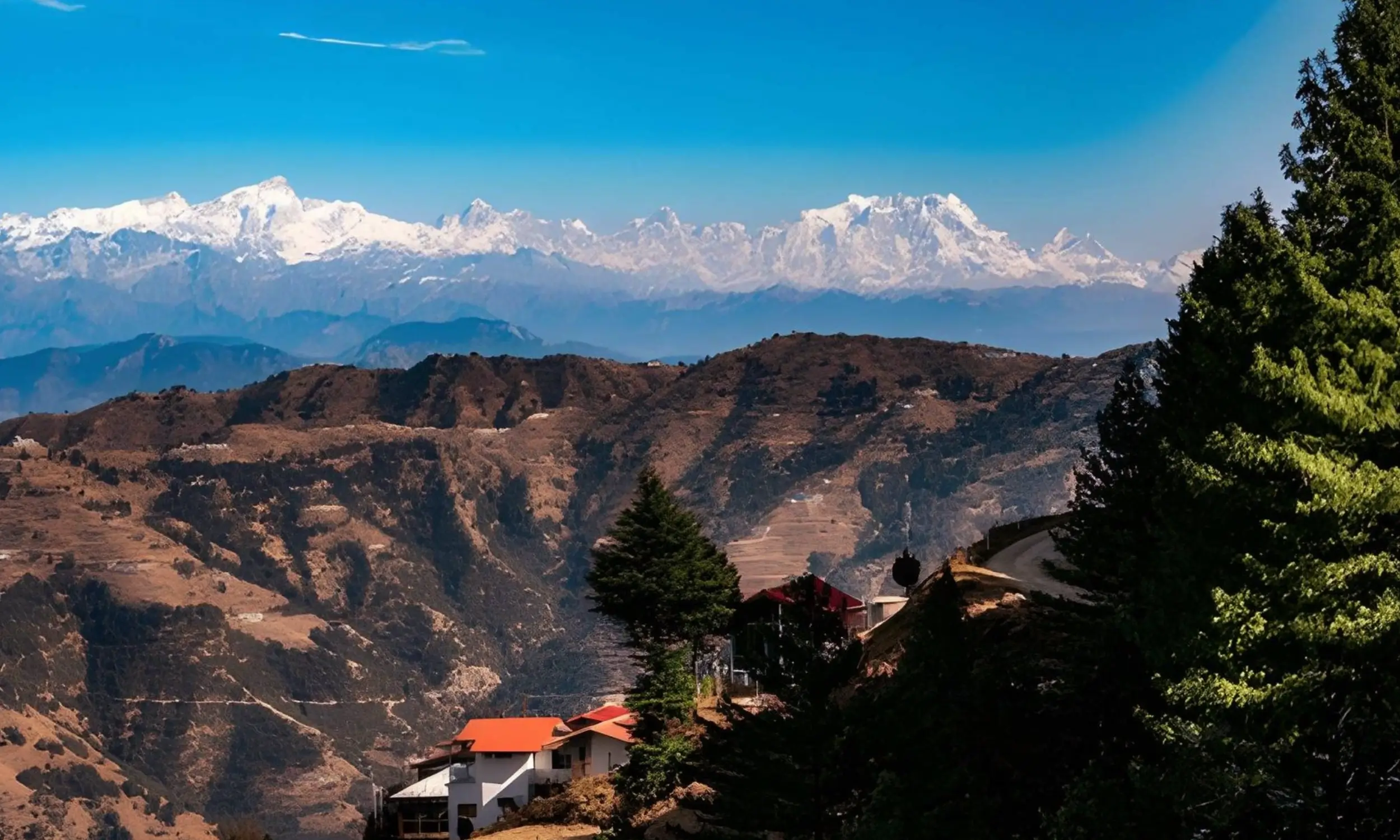
Altitude: 2,286 metres above sea level
Best Time to Visit: March to June, October to December
Dhanaulti sits approximately 24 kilometres from Mussoorie in the Tehri district of Uttarakhand and offers everything that Mussoorie does in terms of natural beauty, without the crowds. The town is surrounded by dense forests of deodar, oak, and rhododendron, with snow-covered Himalayan peaks visible on clear days and eco parks offering zip-lining, trekking, and camping within the forest itself. The Surkanda Devi Temple, the Deogarh Fort, and the Eco Park and Amber Park are the primary attractions.
A lesser-known fact: Dhanaulti was a relatively obscure destination until the Uttarakhand government developed its eco-parks in the early 2000s, transforming it into one of the most family-friendly places to visit in the state. The town receives snowfall between December and February, making it one of the few easily accessible snow destinations near Delhi for families who cannot travel further into the hills. At around 270 kilometres from Delhi, it is one of the more practical best mountain getaways in Uttarakhand for a weekend trip.
Why visit: Snow in winter, eco-parks, proximity to Mussoorie, and one of the most peaceful top hill stations in Uttarakhand for families and couples.
Who it’s best for: Families and travellers looking for a quieter alternative to Mussoorie
Avoid if: You want extensive sightseeing options
Altitude: 1,814 metres above sea level
Best Time to Visit: April to June, September to November
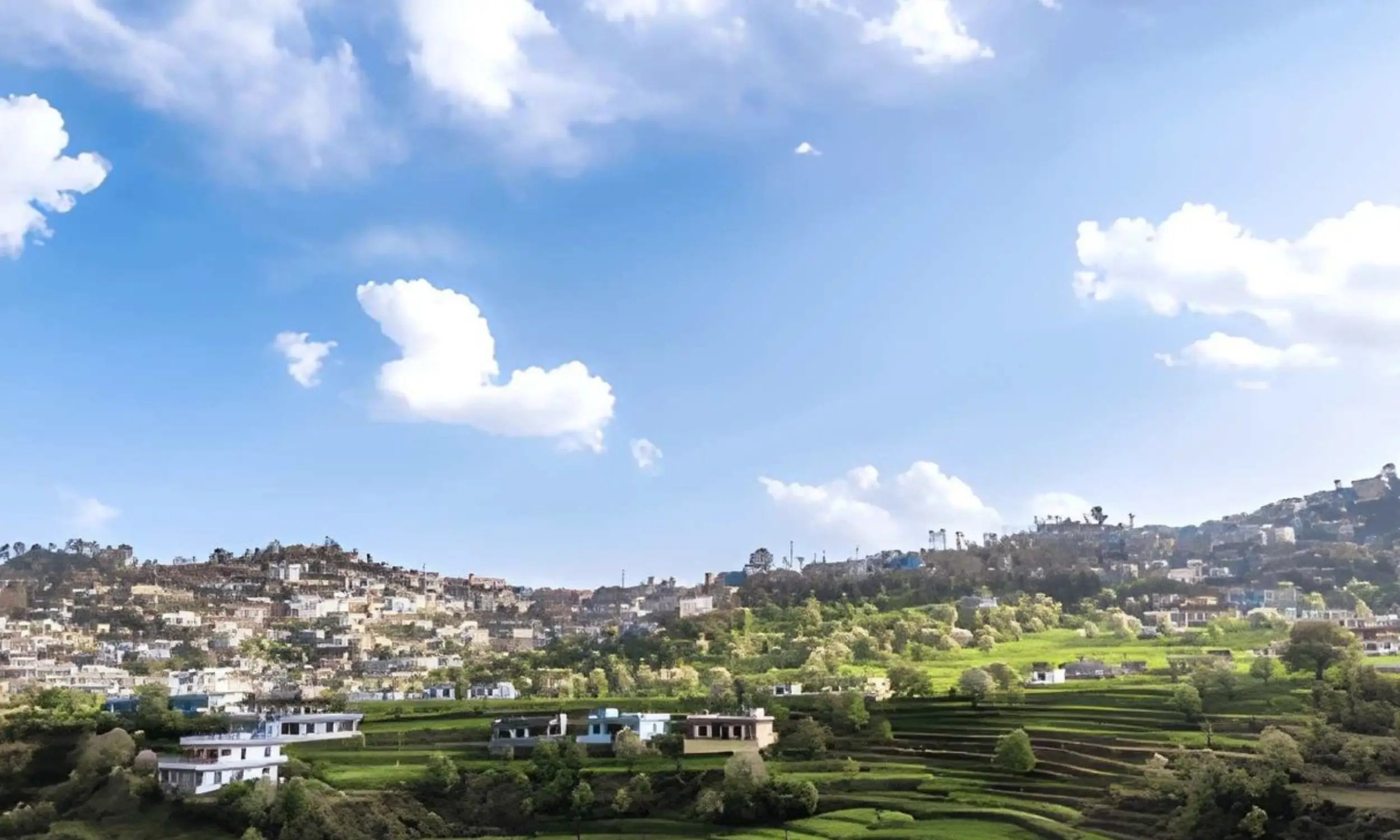
Pithoragarh sits in the easternmost corner of Uttarakhand, embraced by snow-capped Himalayan peaks and sharing borders with Nepal and Tibet. It is one of the most visually dramatic of all the top hill stations in Uttarakhand, with the Pithoragarh valley often described as a miniature Kashmir for its natural beauty. The Pithoragarh Fort, the Kapileshwar Mahadev Temple, the Chandak Hill viewpoint, and the Patal Bhuvaneshwar cave temple are among the most significant attractions, with the Pindari Glacier Trek and the Kafni Glacier Trek drawing serious trekkers from across the country.
The local legend: Patal Bhuvaneshwar, a cave temple approximately 90 kilometres from Pithoragarh, is one of the most extraordinary sacred sites in the Indian Himalayas. The cave extends deep into the earth and contains natural rock formations that local tradition identifies as the heads of the 33 crore gods of the Hindu pantheon, the sheshnag serpent, and the Amarnath Shivalinga, among others. The Skanda Purana mentions Patal Bhuvaneshwar as the place where Lord Shiva narrates the four yugas to other gods. Visiting this cave temple is an experience that combines geology, mythology, and atmosphere in a way that is found nowhere else in the hills.
Why visit: Dramatic Himalayan scenery, glacier treks, Patal Bhuvaneshwar cave temple, and one of the most genuinely immersive best places to visit with family and serious travellers in the entire state.
Who it’s best for: Experienced travellers and those interested in remote Himalayan regions
Avoid if: You are short on time or prefer easy access destinations
Uttarakhand’s hill stations offer a wide range of experiences, from popular destinations like Mussoorie and Nainital to quieter retreats like Chopta and Pithoragarh. Choosing the right one depends on your travel time, season, and the kind of experience you are looking for.
A well-planned itinerary can help you combine the right destinations without unnecessary travel or missed experiences, making your trip smoother and more enjoyable.






 Trekking Tour
 Peak Climbing
 Jeep Safari
 Mountain Biking
 +91-9212553109
 Plan Your trip