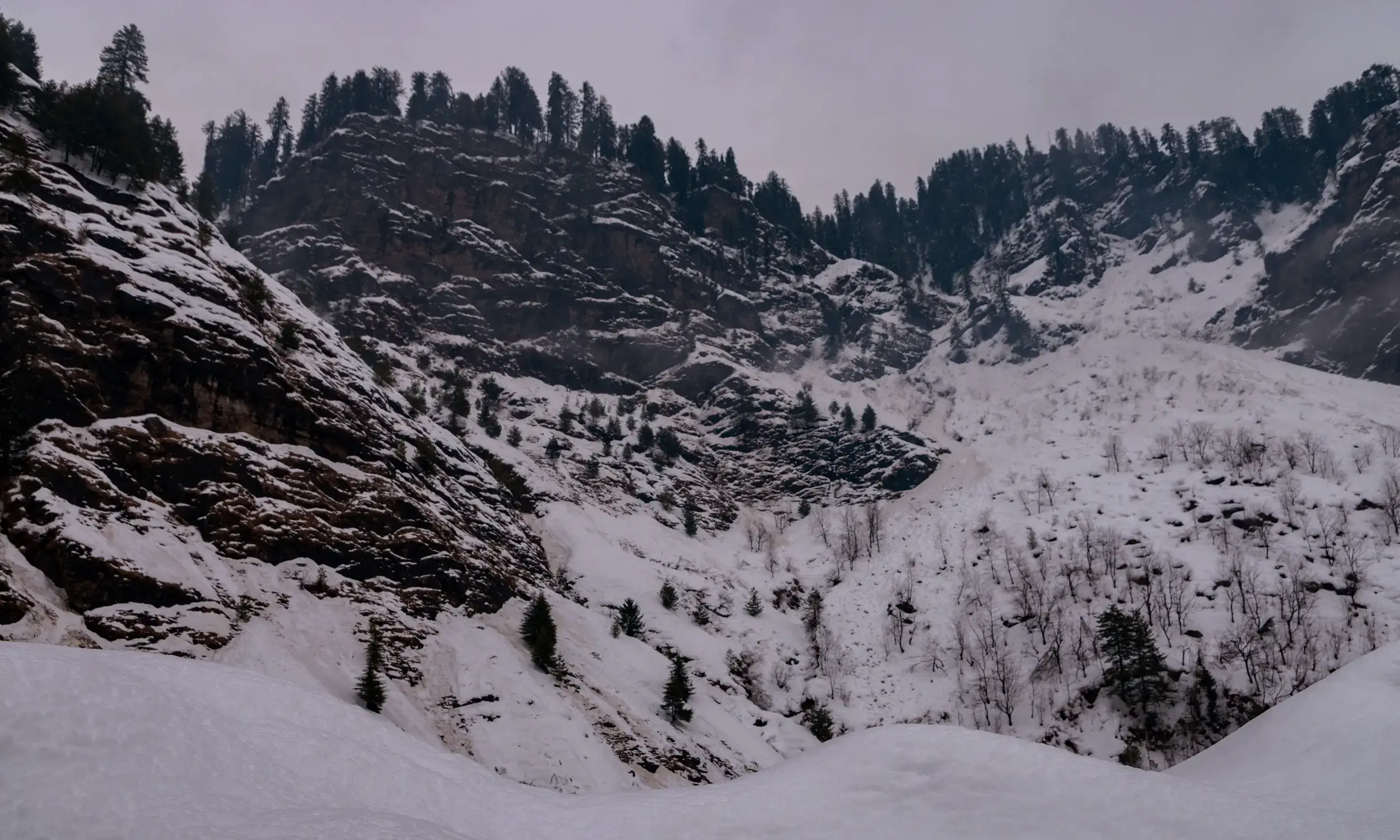
Winter changes how India is experienced. Mountain towns slow down, skies turn clearer, crowds thin out, and travel becomes more deliberate. From snow-covered Himalayan valleys to sunlit deserts and calm coastlines, winter reveals versions of these places that are rarely seen during the rest of the year.
This guide focuses on destinations where winter improves the experience, not places that merely tolerate cold.
Why Winter is the Perfect Time to Travel in India?
For anyone planning places to visit in India in winter, this season offers comfort, access, and variety without extreme weather drama.
Check out: Popular India Tour Packages
Why Visit in Winter
During winter, snow-covered roads, colder mornings, and shorter daylight hours directly influence how travellers move around Manali and nearby areas. Temperatures remain low throughout the day. In Manali, road clearance and daylight dictate the itinerary. Fixed sightseeing schedules are secondary to weather-dependent access. For travelers seeking snowfall with reliable accommodation options, medical access, and regular road maintenance, Manali remains one of the most manageable winter destinations in the Indian Himalayas.
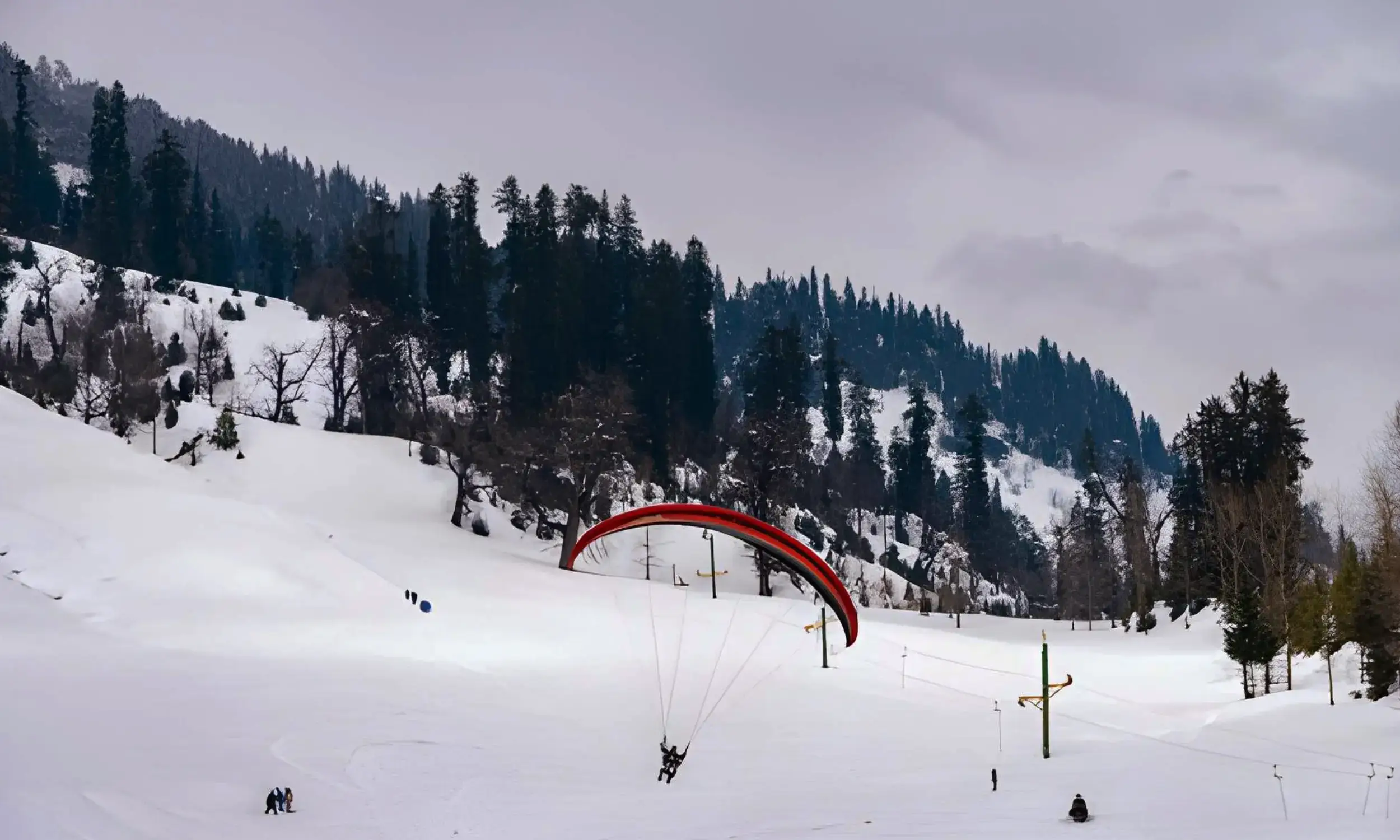
Solang Valley becomes the primary activity zone in winter. Snow accumulation allows seasonal activities to operate when conditions permit, while areas outside peak holiday periods experience lower movement. Travel here is dictated more by timing and weather conditions than by distance.
Note: Peak snowfall periods can lead to short road closures, so flexible travel buffers are essential.
strong>Key Experiences
Best Time to Visit
December to February
Where to Stay
How to Reach
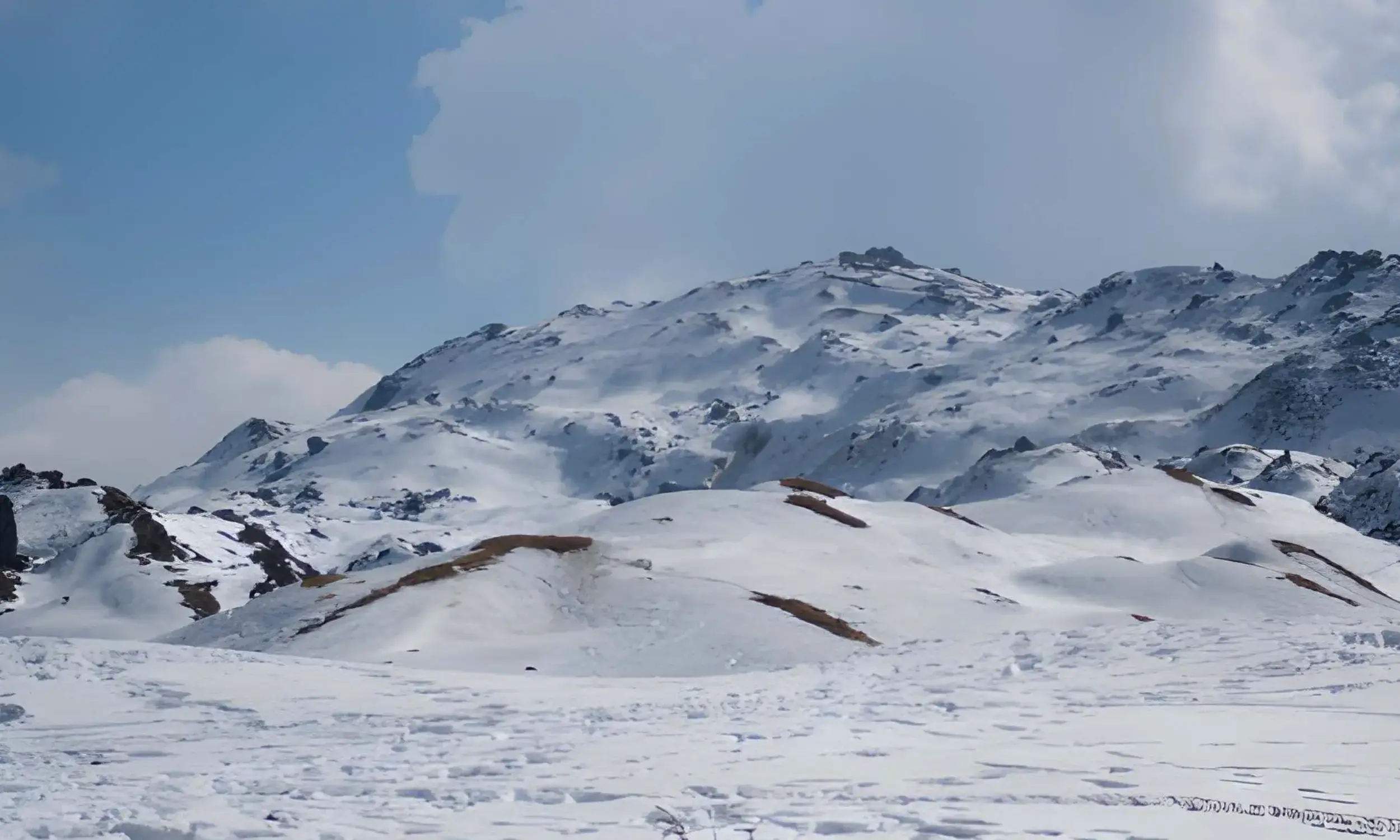
Why Visit in Winter?
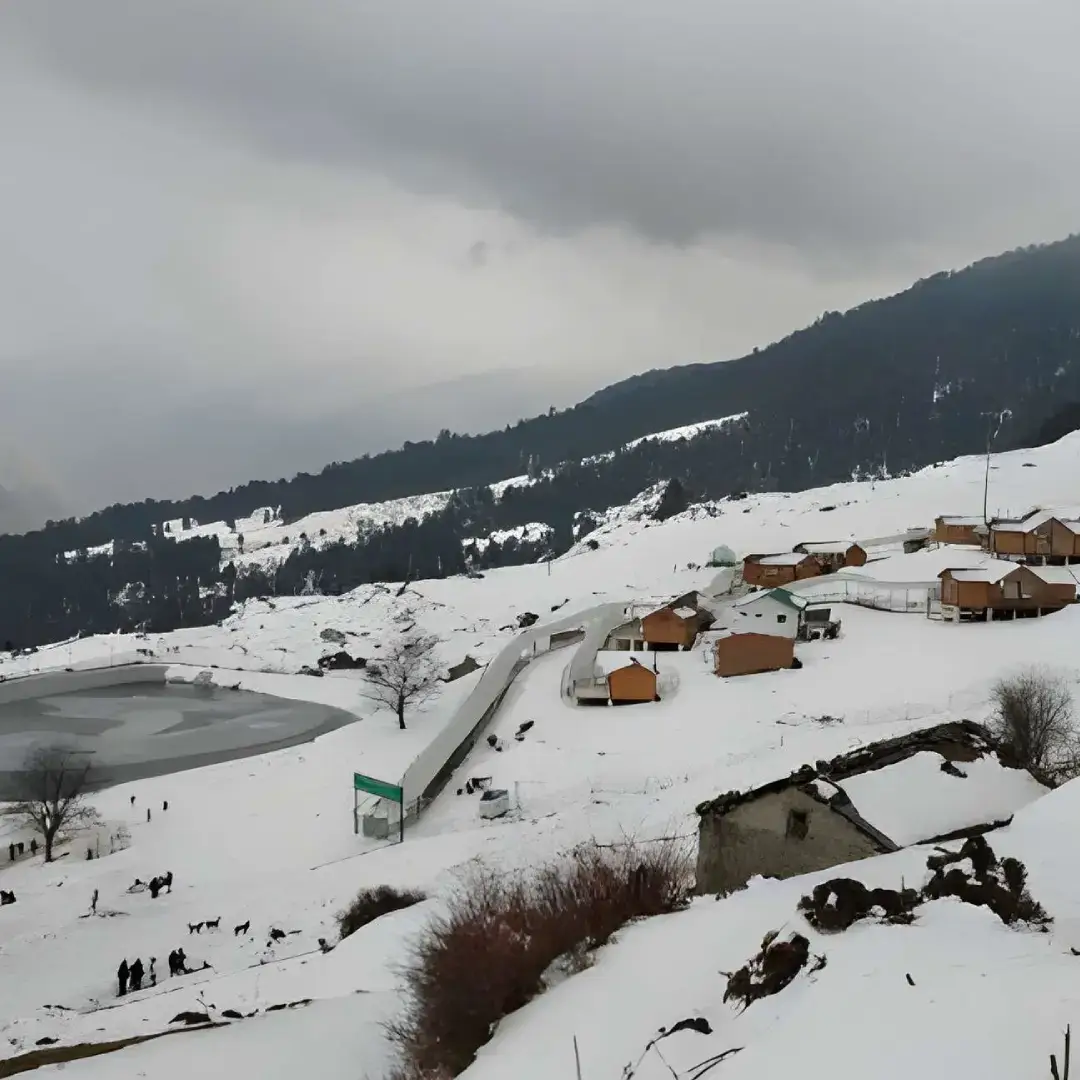
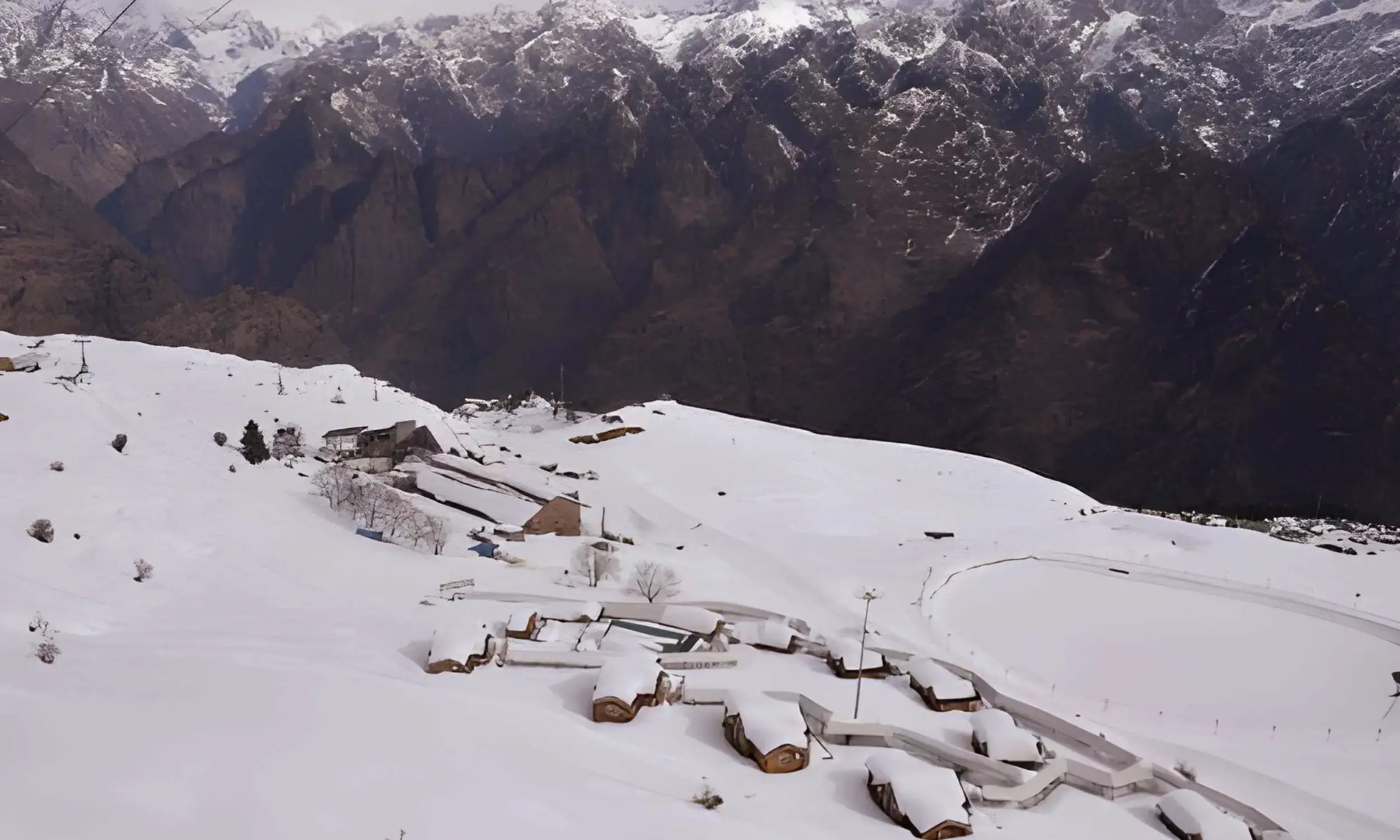
Auli is a top-tier reliable snowfall destination in Uttarakhand. The region’s accessibility via the Joshimath ropeway allows travelers to reach snow-clad slopes even when lower roads are congested or blocked. Snowfall typically begins in late December, and the destination functions primarily as a skiing and winter sports zone during this period. Unlike many Himalayan towns, Auli’s infrastructure is purpose-built for winter, with managed slopes, regulated activity zones, and predictable daily operations when weather conditions allow.
Auli suits travelers who want a controlled winter environment rather than free movement. Daily plans are structured around lift timings, visibility, and snow quality, making it one of the more organized snowfall destinations in India.
Key Experiences
Best Time to Visit
January to February
Where to Stay
How to Reach
Gulmarg, Jammu & Kashmir: Reliable Snowfall Destination
Travellers looking for a more activity-driven winter destination may consider Gulmarg as an alternative to Auli. Gulmarg serves as India’s premier reliable snowfall destination. Between late December and February, the high-altitude terrain ensures consistent snow cover, supporting international-standard skiing and long-season winter sports infrastructure. Gulmarg suits travelers comfortable with crowds, queues, and schedule-based activities. Those seeking calmer winter stays or flexible pacing may find Auli more manageable.
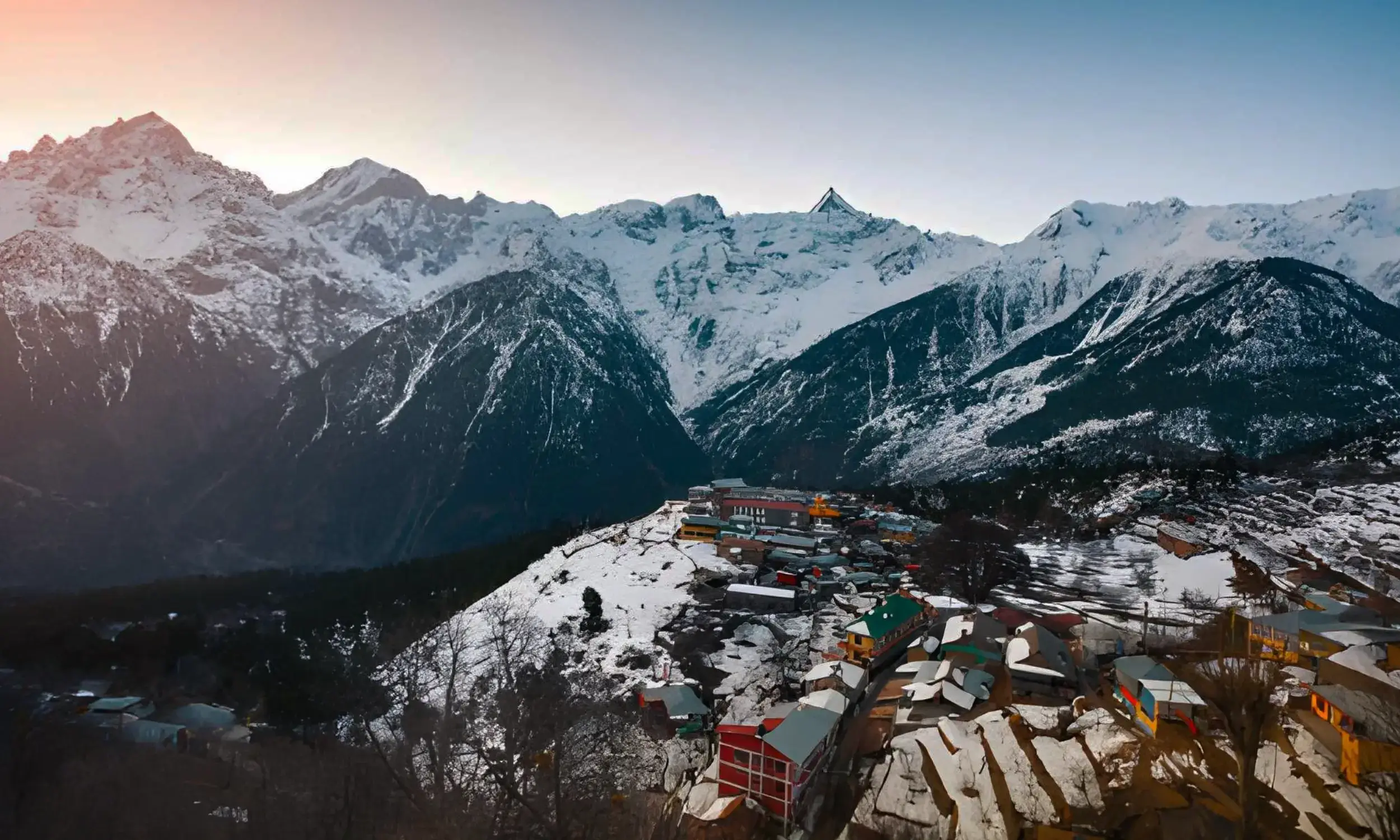
Why Visit in Winter?
In winter, Kalpa functions as a high-altitude village rather than a sightseeing town. Snowfall, freezing temperatures, and limited daylight reduce movement across the area, and most travel remains confined to short village walks and fixed viewpoints. Road access from Shimla and Reckong Peo remain open most days, but winter travel here prioritizes scenery and stillness over activities.
Kalpa suits travelers looking for clear mountain views and minimal tourist movement. The absence of large winter attractions or organized snow activities keeps the village quiet, especially outside holiday periods.
Note: Peak snowfall periods can lead to short road closures, so flexible travel buffers are essential.
Key Experiences
Best Time to Visit
December to February
Where to Stay
How to Reach
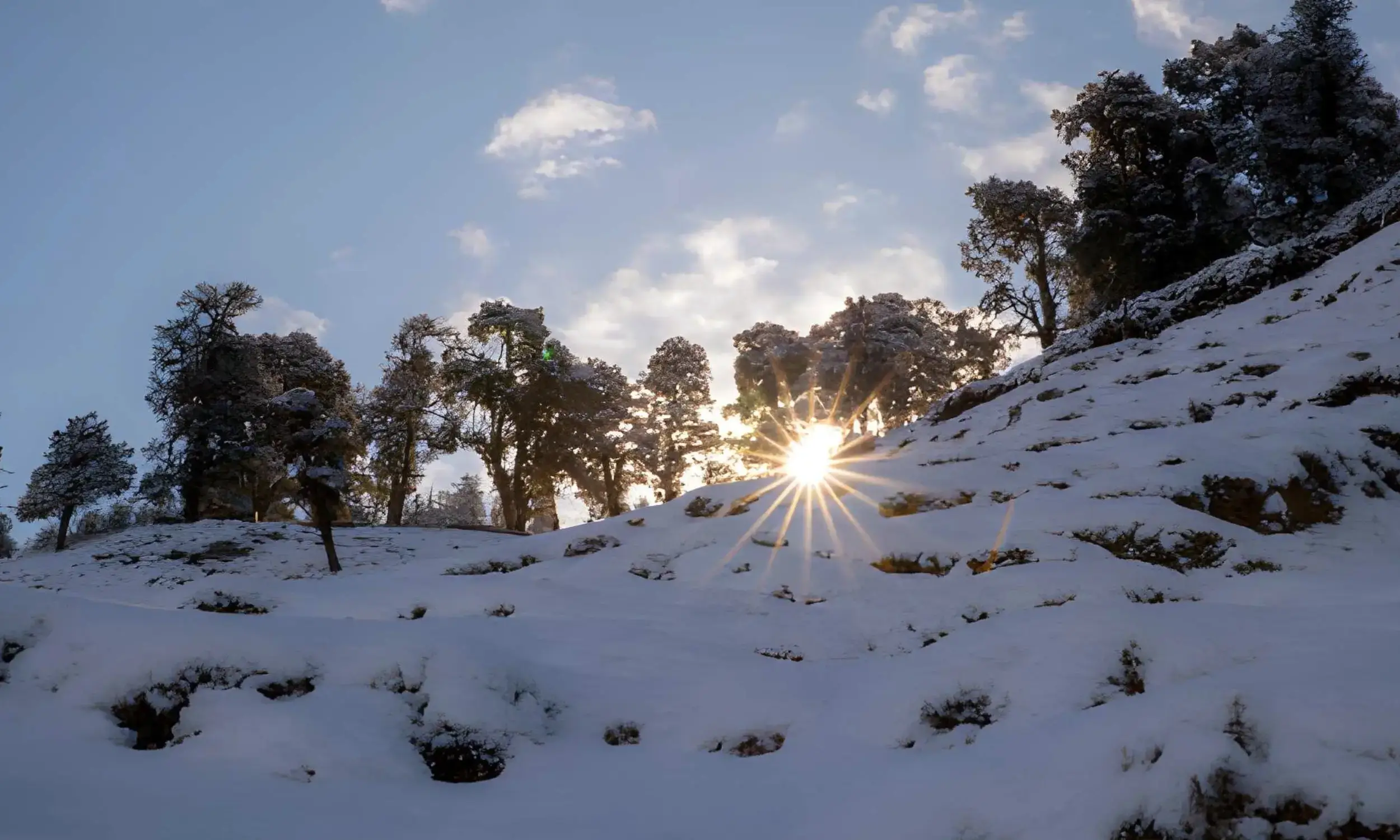
Why Visit in Winter?
Munsiyari operates as a remote Himalayan base rather than a tourist town. Snowfall, freezing temperatures, and long travel distances significantly limit daily movement, and most activity remains centered around accommodation areas and nearby viewpoints. Road access from Almora and Pithoragarh generally remains open, but winter travel involves slow driving, early starts, and weather-led pacing.
Munsiyari suits travelers seeking dramatic mountain scenery with minimal tourist presence. Unlike organised winter destinations, there are no managed snow zones or fixed activities schedules here. Travel is shaped by visibility, temperature, and road conditions rather than planned sightseeing circuits.
Key Experiences
Best Time to Visit
January to March
Where to Stay
How to Reach
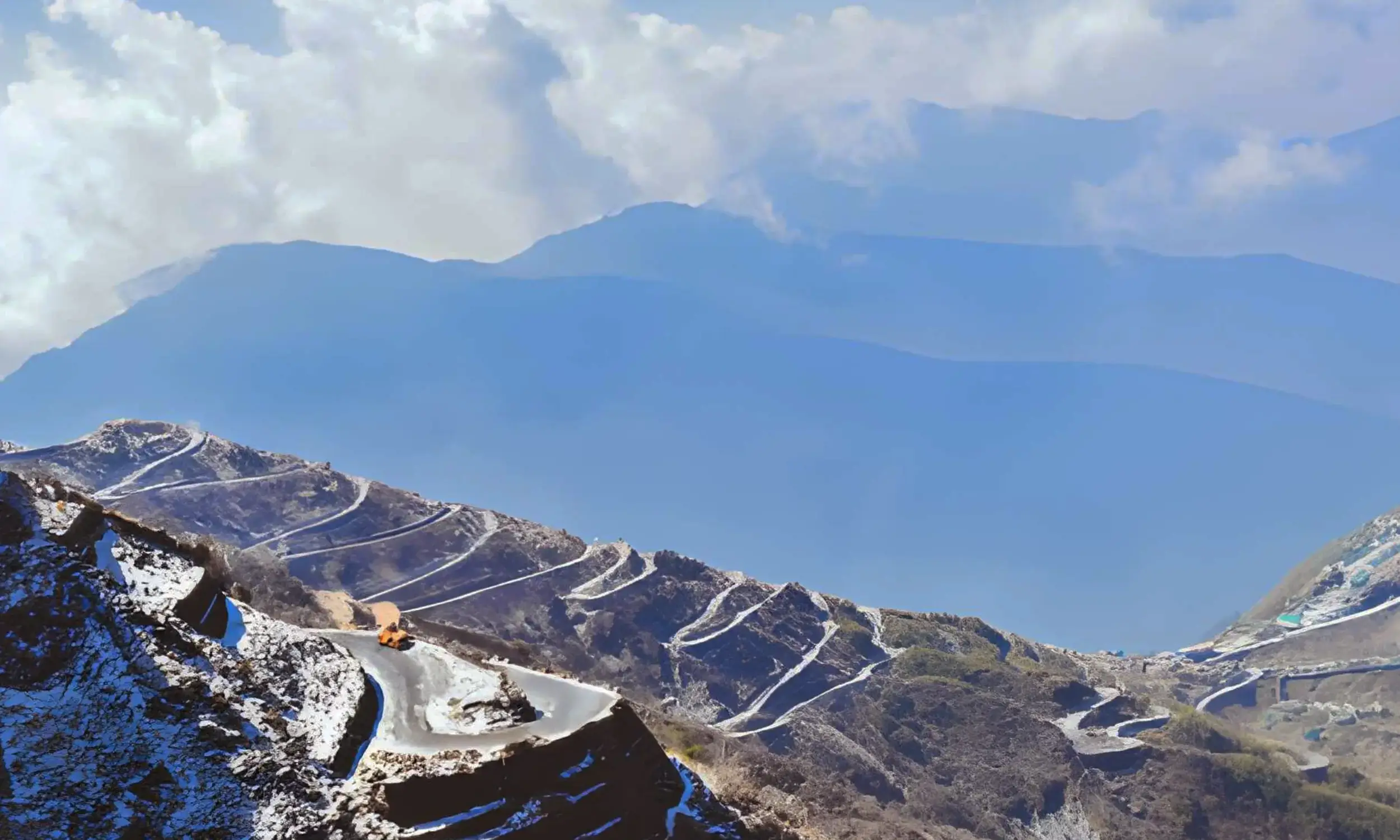
Why Visit in Winter?
Zuluk is a mountain settlement rather than a conventional tourist destination. Travel here depends on permits, military road regulations, and weather conditions along the Silk Route corridor. Snowfall and freezing temperatures restrict free movement, and daily travel plans are shaped by visibility and clearance status rather than distance.
Zuluk suits travelers interested in remote Himalayan landscapes and regulated travel environments. Unlike open hill towns, movement here follows fixed routes and timings, with limited flexibility once permits are issued.
Key Experiences
Best Time to Visit
December to February
Where to Stay
How to Reach
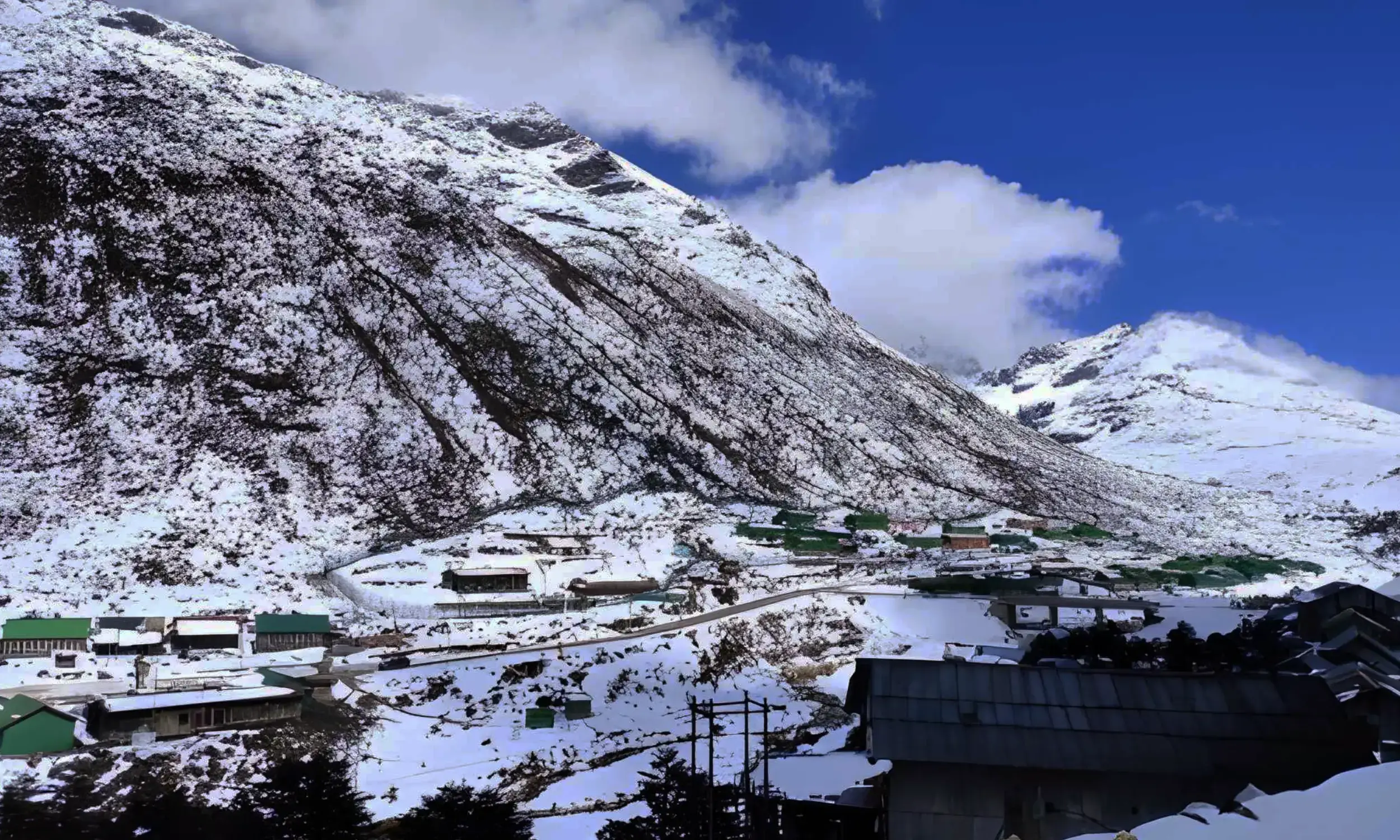
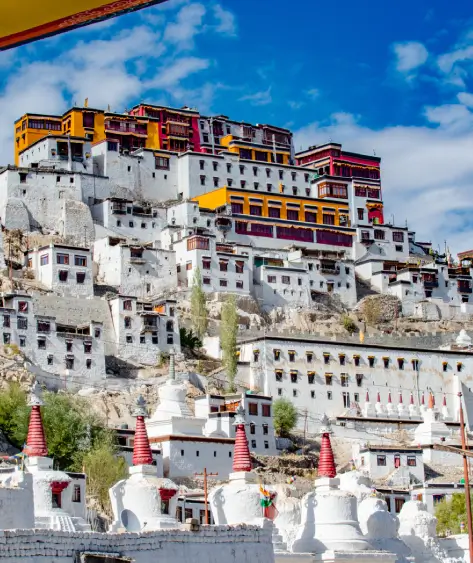
Tawang is governed by snowfall intensity, road clearance across high mountain passes, and weather stability in winter. Access from Tezpur or Guwahati involves crossing Sela Pass, which frequently experiences snow accumulation and temporary closures during heavy weather. As a result, daily movement depends on real-time road conditions rather than planned distances.
Tawang suits travelers interested in high-altitude Himalayan regions with a strong cultural and monastic presence. Winter limits casual movement but offers clearer skies and reduced tourist numbers once access is possible.
Key Experiences
Best Time to Visit
December to January
Where to Stay
How to Reach
Why Visit in Winter?
Mechuka is raw, open, and nearly untouched. Snowfall is light but frost-heavy. Access to Mechuka during colder months relies on long road journeys from Along and stable weather conditions across forested mountain routes. While snowfall is usually light compared to higher Himalayan regions, frost, cold nights, and limited infrastructure significantly influence daily movement. Travel here prioritizes distance management and realistic pacing rather than activity-based sightseeing.
Mechuka suits travelers interested in remote landscapes and cultural exposure rather than snow-centric experiences. The absence of organized winter attractions keeps tourist movement low, particularly outside year-end holiday periods.
Key Experiences
Best Time to Visit
December to February
Where to Stay
How to Reach
Why Visit in Winter?
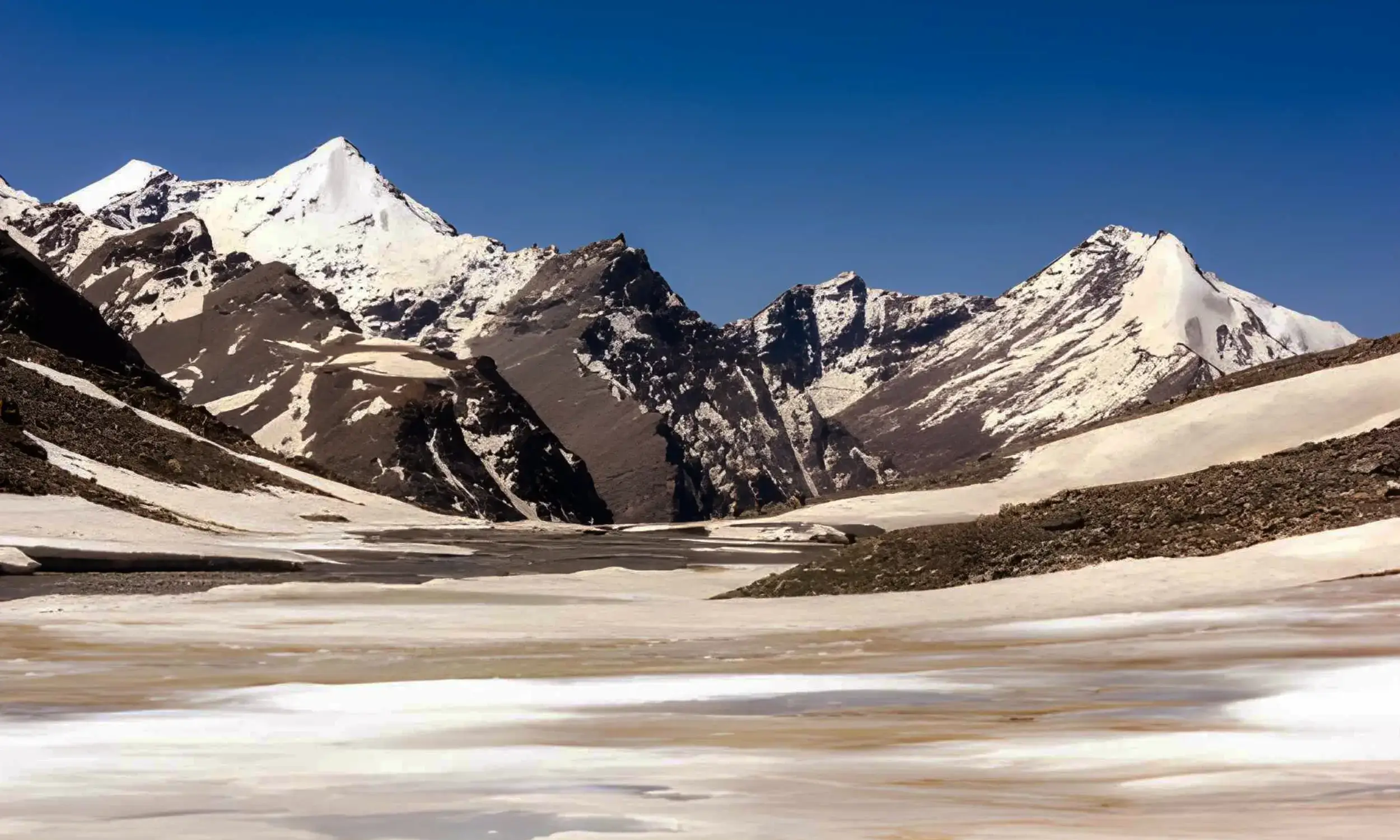
This is winter travel at its most extreme. Frozen rivers, silence, and survival-level cold. Winter movement across Zanskar Valley remains extremely limited due to sustained sub-zero temperatures, heavy snowfall, and restricted daylight. Road connectivity from Kargil and Leh remains unreliable due to heavy snowfall and extreme temperatures, and most winter travel occurs via planned routes that operate only when weather and safety conditions allow. Movement across the region is slow, restricted, and governed by daylight availability rather than distance.
Zanskar suits travelers with prior high-altitude or winter travel experience. Unlike other Himalayan destinations, winter here is not tourism-led; daily life continues under severe conditions, and visitors must adapt fully to local realities rather than expect supporting infrastructure.
Key Experiences
Best Time to Visit
January to February
Where to Stay
How to Reach
Alternative to Zanskar Valley
Spiti Valley
For travelers interested in high-altitude winter regions but hesitant about Zanskar’s extreme conditions, Spiti Valley serves as a partial alternative. Winter access is typically maintained from the Shimla–Kinnaur side, and travel remains limited to a single base village rather than continuous movement. Cold temperatures and restricted facilities still apply, though conditions are comparatively less severe than in Zanskar.
Spiti suits experienced travelers prepared for isolation and minimal infrastructure, but it remains unsuitable for casual winter tourism. Those seeking the most extreme winter environment should consider Zanskar instead.
Why Visit in Winter?
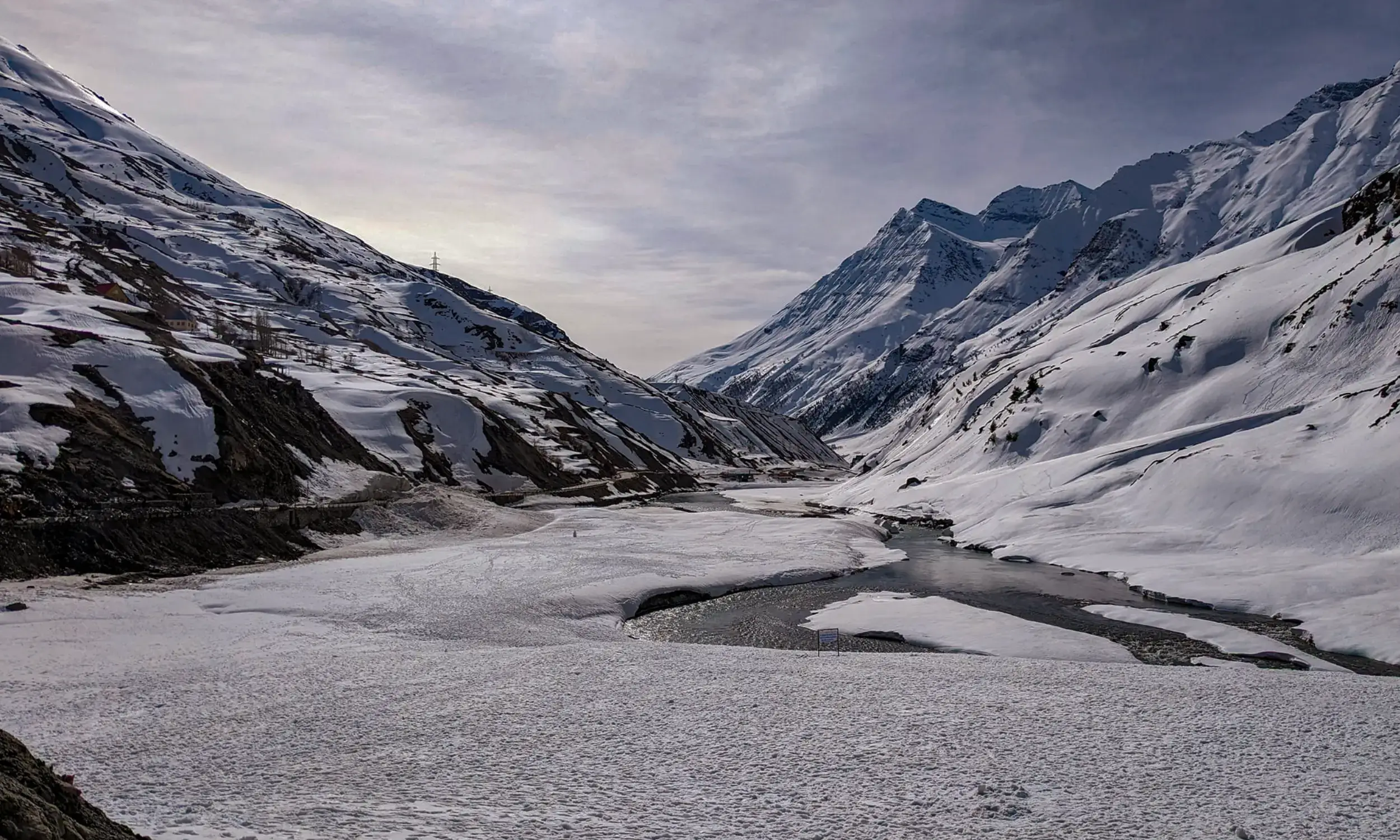
Located in the Lahaul region beyond the Rohtang Pass, Sissu experiences prolonged cold, frequent snowfall, and minimal tourist movement during winter. At this altitude, daily activity depends on snow clearance, sunlight, and local conditions rather than sightseeing plans. The opening of the Atal Tunnel has reduced isolation, but winter travel here still prioritizes caution and limited daily movement.
Sissu suits travelers looking to experience a Himalayan village functioning under winter conditions rather than a resort-style snow destination. The absence of organized activities keeps the environment quiet, with travel centered around observation rather than participation.
Note: Peak snowfall periods can lead to short road closures, so flexible travel buffers are essential.
Key Experiences
Best Time to Visit
December to February
Where to Stay
How to Reach
Road: Manali via Atal Tunnel
Why Visit in Winter?
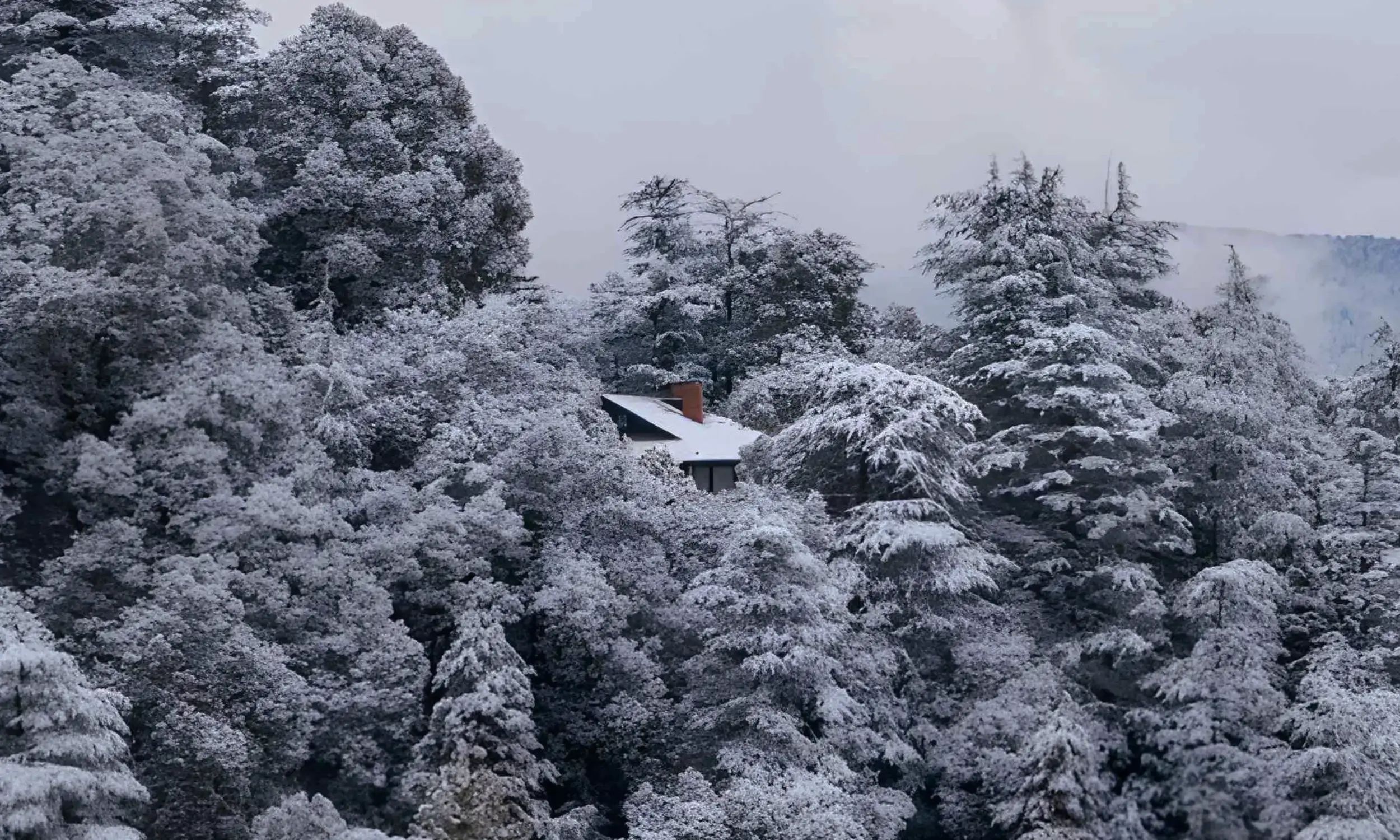
Proximity to Shimla and relatively lower altitude make Kufri and Narkanda function as short-stay winter destinations rather than standalone mountain towns. Snowfall, when it occurs, is usually manageable, and daily movement remains feasible due to regular road maintenance and nearby urban support. These areas operate best as soft winter escapes for travelers who want cold weather and occasional snow without long travel days or severe restrictions.
Kufri sees higher tourist movement due to its closeness to Shimla, while Narkanda remains quieter and more spread out. The difference in crowd levels makes Narkanda better suited for overnight stays, with Kufri working primarily as a daytime stop.
Note: Peak snowfall periods can lead to short road closures, so flexible travel buffers are essential.
Key Experiences
Best Time to Visit
December to February
Where to Stay
How to Reach
Winter Travel Tips
Many winter destinations in India demand careful planning around road access, weather windows, and permits. When paced correctly, winter travel becomes immersive rather than exhausting. Experienced route planning often determines whether a winter trip feels rewarding or compromised.
Where is snowfall most reliable in India during winter?
Snowfall is most consistent between late December and February in high-altitude regions. Gulmarg (J&K) and Auli (Uttarakhand) are the most reliable snowfall destinations, followed by Manali (Himachal Pradesh).
Which destinations are best for first-time winter travelers in India?
First-time travelers should prioritize destinations with robust infrastructure and easy road access. Manali, Shimla, and Auli are recommended because they offer reliable medical facilities, heating in hotels, and clear tourist support systems.
What is the best month for a winter beach vacation in India?
January is the peak month for beach tourism in Goa and Varkala (Kerala). During this time, humidity is at its lowest, and coastal waters are calmest, making it the most practical window for water sports.
Are the Himalayan mountain passes open during peak winter?
Many high-altitude passes, such as Rohtang Pass (Manali) and various routes in Ladakh or Spiti, remain closed due to heavy snow. Always verify road clearance with local authorities or expert tour planners before attempting high-altitude circuits in January.
Which winter destination in India is best for cultural festivals?
The Rann of Kutch (Gujarat) is the primary cultural destination during winter. The Rann Utsav festival runs from November to February, offering the most organized experience of regional heritage, crafts, and desert tourism.
How many days are ideal for a winter vacation in India?
For mountain circuits (like Himachal), a 6-7-day itinerary is ideal to account for weather-related travel delays. For desert or beach circuits (Gujarat/Goa), 4-5 days are sufficient to cover major highlights without rushing.






 Trekking Tour
 Peak Climbing
 Jeep Safari
 Mountain Biking
 +91-9212553109
 Plan Your trip