
14 Nights / 15 Days
Price : On Request
The complete Panch Kedar Yatra is both a spiritual pilgrimage and one of the most remarkable high-altitude trekking journeys in India. Because the temples are spread across multiple Himalayan valleys, careful route planning, acclimatisation, and local guidance are essential. Many travellers choose a professionally organised Panch Kedar tour that includes transportation between base villages, experienced trekking guides, accommodation planning, and safety support.
High in the Garhwal Himalayas of Uttarakhand, beyond the treeline and the snowline, scattered across five separate valleys and mountain ridges at altitudes ranging from 11,500 ft to over 14,000 ft, lie five of the most ancient and sacred temples of Lord Shiva in the world. Together they are known as the Panch Kedar Temples in Uttarakhand, and the pilgrimage undertaken to visit all five is called the Panch Kedar Yatra.
The five temples are Kedarnath, Tungnath, Rudranath, Madhyamaheshwar, and Kalpeshwar. Each enshrines a different body part of Lord Shiva, believed to have manifested at these five locations in the Himalayas after the great war of Kurukshetra. Together they form one of the most spiritually significant pilgrimage circuits in all of Hinduism and one of the most physically demanding and sacred treks in the Indian Himalayas.
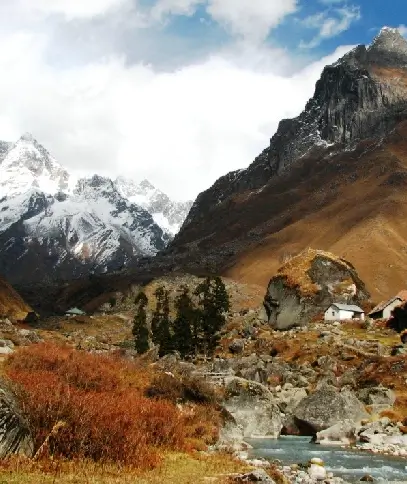
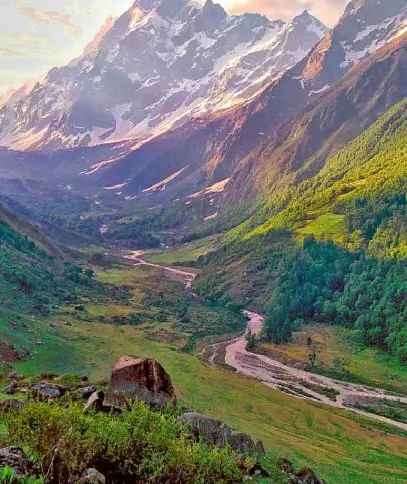
The Panch Kedar of the Himalayas is not just a religious journey. It is a complete immersion in the raw, untouched beauty of the Garhwal mountains, walking through ancient forests of oak and rhododendron, across high-altitude alpine meadows called bugyals, past glacial lakes and roaring mountain rivers, with the snow peaks of the Himalayan range visible at every turn.
| Key Information | Details |
|---|---|
| Sacred Circuit | The Panch Kedar Temples in Uttarakhand |
| Temples Included | Kedarnath, Tungnath, Rudranath, Madhyamaheshwar, Kalpeshwar |
| Region | Garhwal Himalayas |
| Trekking Experience | High-altitude pilgrimage and Panch Kedar Trekking in the Himalayas |
| Total Trekking Distance | Over 100 km across multiple Himalayan valleys |
| Typical Duration | 15 days for the full Panch Kedar Itinerary |
The origin of the Panch Kedar Temples is rooted in one of the most powerful stories in Hindu mythology. After the catastrophic Kurukshetra War, the Pandavas sought the blessings of Lord Shiva to atone for the sins of killing their own kin in battle. Lord Shiva, reluctant to grant them an audience, disguised himself as a bull (Nandi) and hid in the Garhwal Himalayas among a herd of cattle.
When the Pandavas, guided by the sage Vyasa, reached Guptakashi and recognised the divine bull, Shiva dived into the earth to escape. As he submerged, different parts of his body emerged at five separate locations across the mountains. His hump appeared at Kedarnath. His arms appeared at Tungnath. His face appeared at Rudranath. His navel and stomach appeared at Madhyamaheshwar. And his hair and head appeared at Kalpeshwar.
At each location, the Pandavas built a temple to honour Lord Shiva. These five temples together became the Panch Kedar Temples in Uttarakhand, and the pilgrimage connecting all five has been undertaken by devout Hindus for thousands of years.
The Panch Kedar of the Himalayas refers to five ancient Shiva temples located across the Garhwal Himalayas. Each temple represents a different manifestation of Lord Shiva and together forms one of the most revered pilgrimage circuits in India.
| Temple | Altitude | Shiva Manifestation | Trek Distance |
|---|---|---|---|
| Kedarnath | 11,755 ft | Hump (Prishtha) | 16 km from Gaurikund |
| Tungnath | 12,073 ft | Arms (Bahu) | 3.5 km from Chopta |
| Rudranath | 11,800 ft | Face (Mukha) | 24 km from Sagar |
| Madhyamaheshwar | 11,450 ft | Navel (Nabhi) | 24 km from Ransi |
| Kalpeshwar | 7,217 ft | Hair (Jata) | 14 km from Helang |
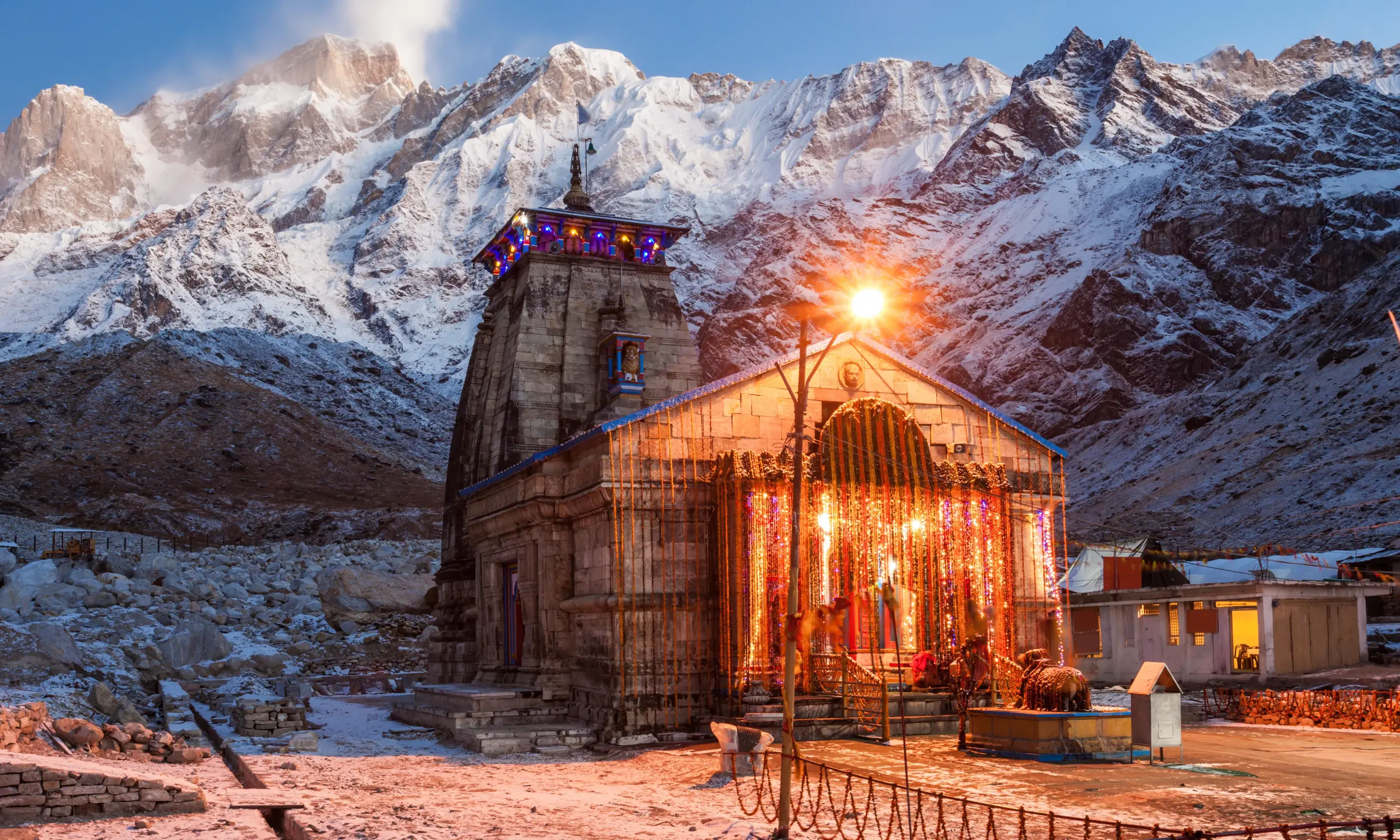
Kedarnath is the most famous and visited of all five temples and the anchor of the entire Panch Kedar Yatra. Situated at 11,755 ft in the Rudraprayag district of Uttarakhand, backed dramatically by the towering Kedarnath peak and flanked by the Mandakini River, Kedarnath Temple is one of the twelve Jyotirlingas of Lord Shiva and one of the holiest sites in all of Hinduism.
The temple itself is believed to have been built by the Pandavas and later restored by Adi Shankaracharya in the 8th century. The current stone structure, built from enormous interlocking grey granite slabs, has stood for over a thousand years through some of the harshest weather conditions on Earth. It survived the devastating Kedarnath floods of 2013 that swept away almost everything around it, an event that many pilgrims consider a divine miracle.
The trek to Kedarnath covers approximately 16 km from Gaurikund through dense forests and alpine terrain, with the Mandakini River accompanying you for much of the way. The sight of the temple emerging from the mountain landscape at the end of the climb is one of the most powerful and moving experiences available to any pilgrim or trekker in the Himalayas.
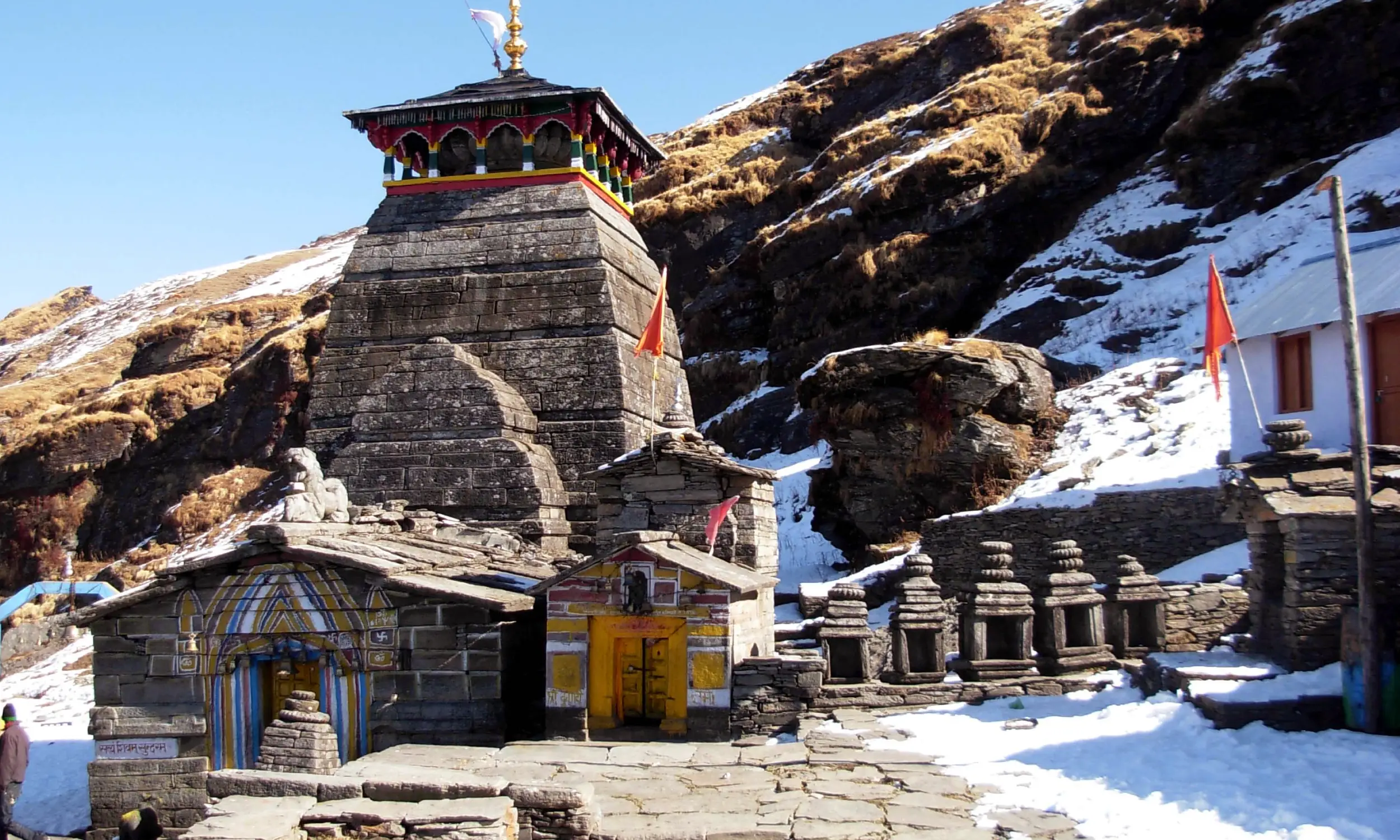
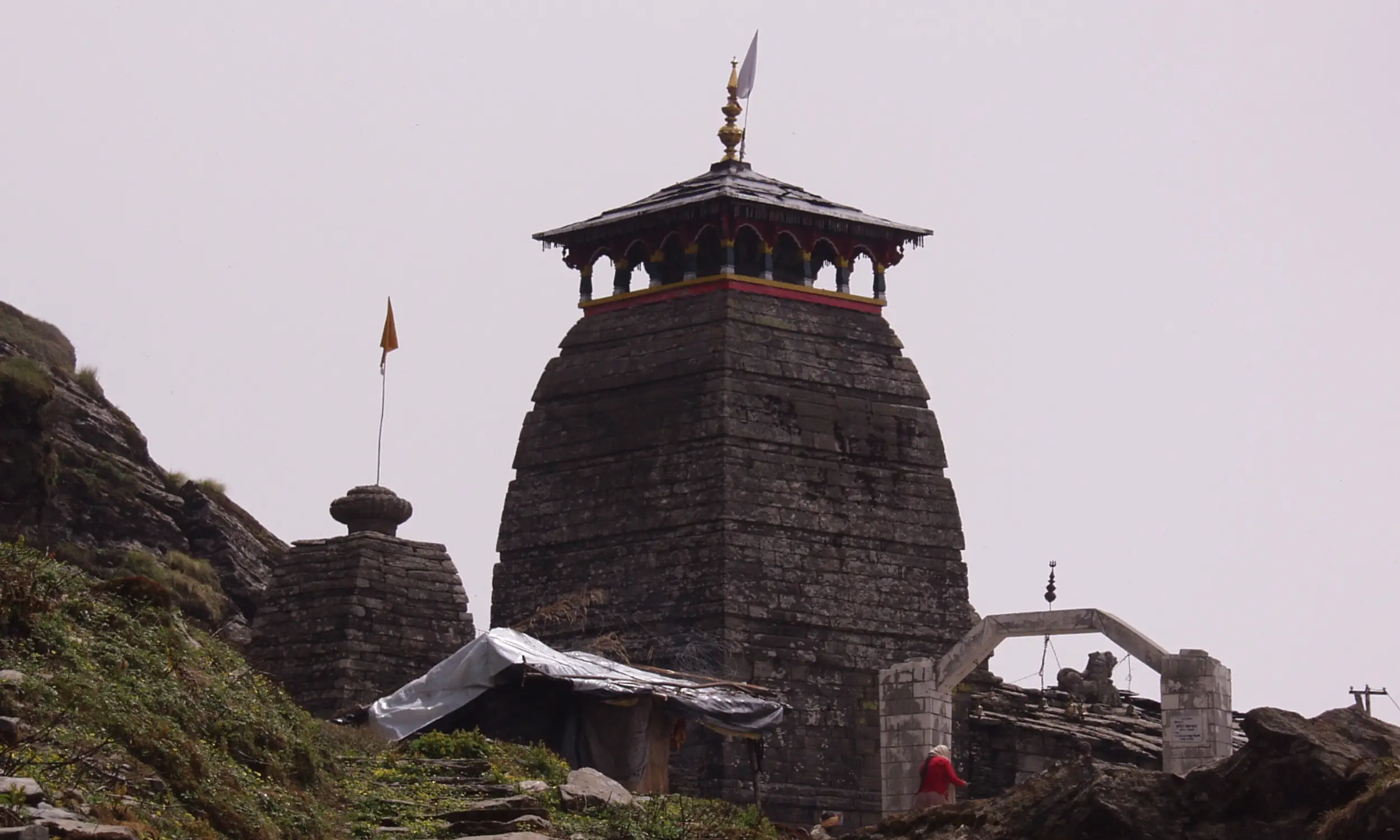
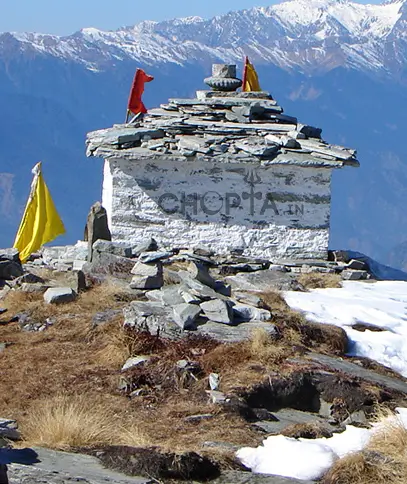
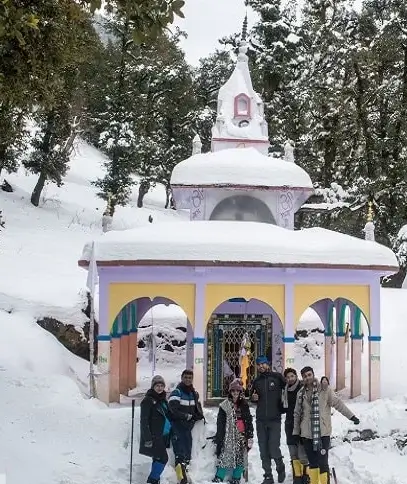
2. Tungnath Temple: The Arms of ShivaTungnath is the highest Shiva temple in the world, perched at 12,073 ft on the Tungnath ridge in the Rudraprayag district of Uttarakhand. It is also the most accessible of all five Panch Kedar temples, making it a popular destination even for travellers who are not undertaking the complete Panch Kedar Trek.
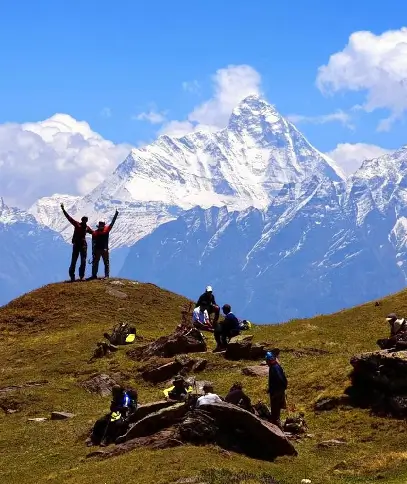
The temple is ancient, believed to be over 1,000 years old, and the views from the ridge on which it stands are extraordinary, with panoramic vistas of Nanda Devi, Kedarnath, Chaukhamba, Neelkanth, and a long line of snow-covered Himalayan peaks stretching across the horizon. The meadows surrounding Tungnath, especially the high point of Chandrashila at 13,123 ft just above the temple, are among the most beautiful alpine landscapes in all of Uttarakhand.
The trek to Tungnath from Chopta covers just 3.5 km, making it the shortest temple approach of all five. Chopta itself is often called the Mini Switzerland of Uttarakhand for its sweeping meadow and mountain views and is one of the most underrated hill stations in the Garhwal Himalayas.
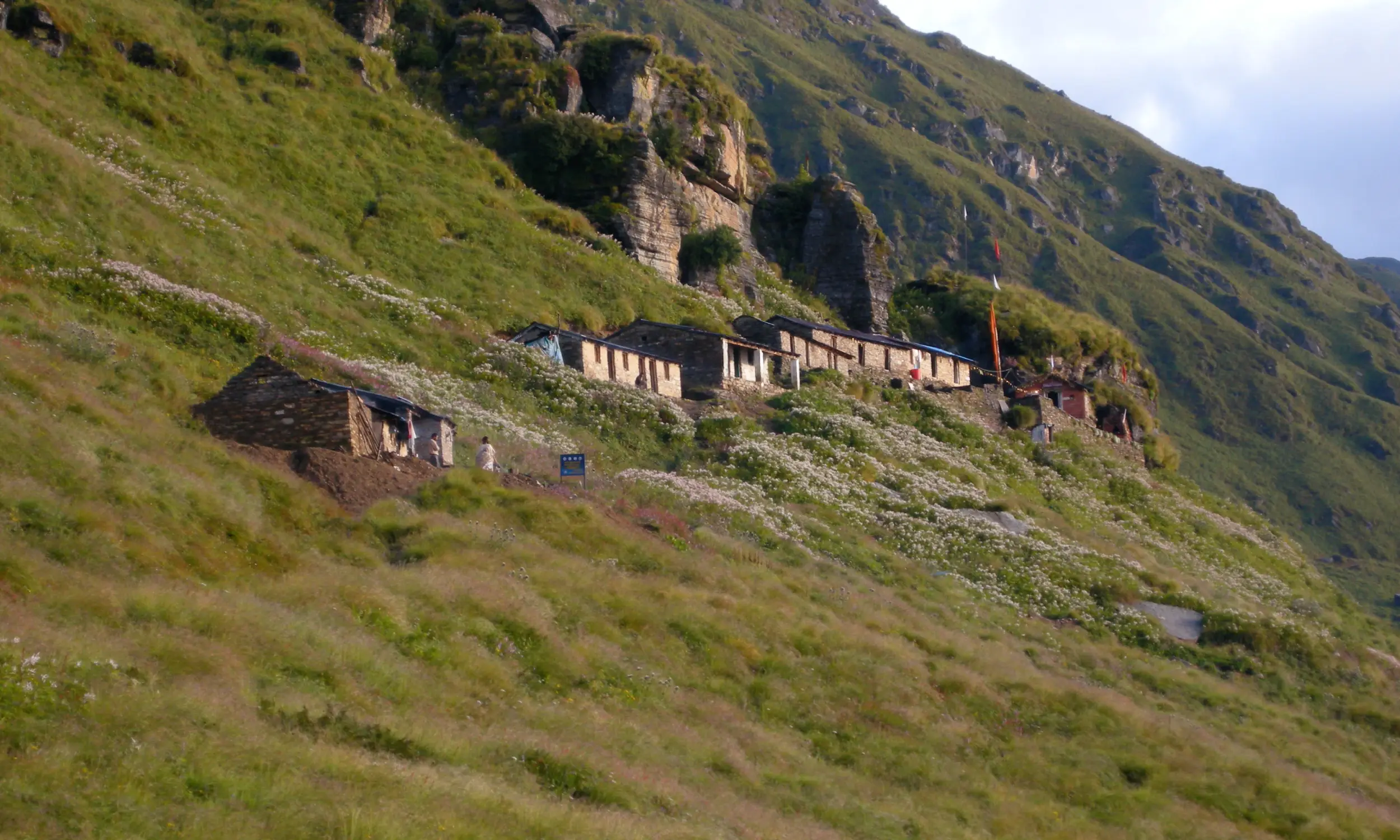
3. Rudranath Temple: The Face of ShivRudranath is the most remote and most demanding of all Panch Kedar Temples, and for many pilgrims and trekkers it is also the most spiritually powerful. Situated at 11,800 ft in the Chamoli district of Uttarakhand, Rudranath is approached through one of the most beautiful and isolated high-altitude landscapes in the Indian Himalayas, passing through dense rhododendron forests, vast open bugyals, and past the sacred Vaitarni Kund glacial lake.
The temple enshrines the face of Lord Shiva, known as Rudra, and the deity here is worshipped in the form of a naturally occurring rock formation. The setting of Rudranath, surrounded by a ring of Himalayan peaks with no other human habitation in sight, gives the place an atmosphere of profound, uninterrupted divinity that is difficult to describe and impossible to forget.
The trek to Rudranath from Sagar village covers approximately 24 km through terrain that is strenuous but extraordinarily beautiful, making it the most challenging and rewarding section of the entire Panch Kedar Yatra.
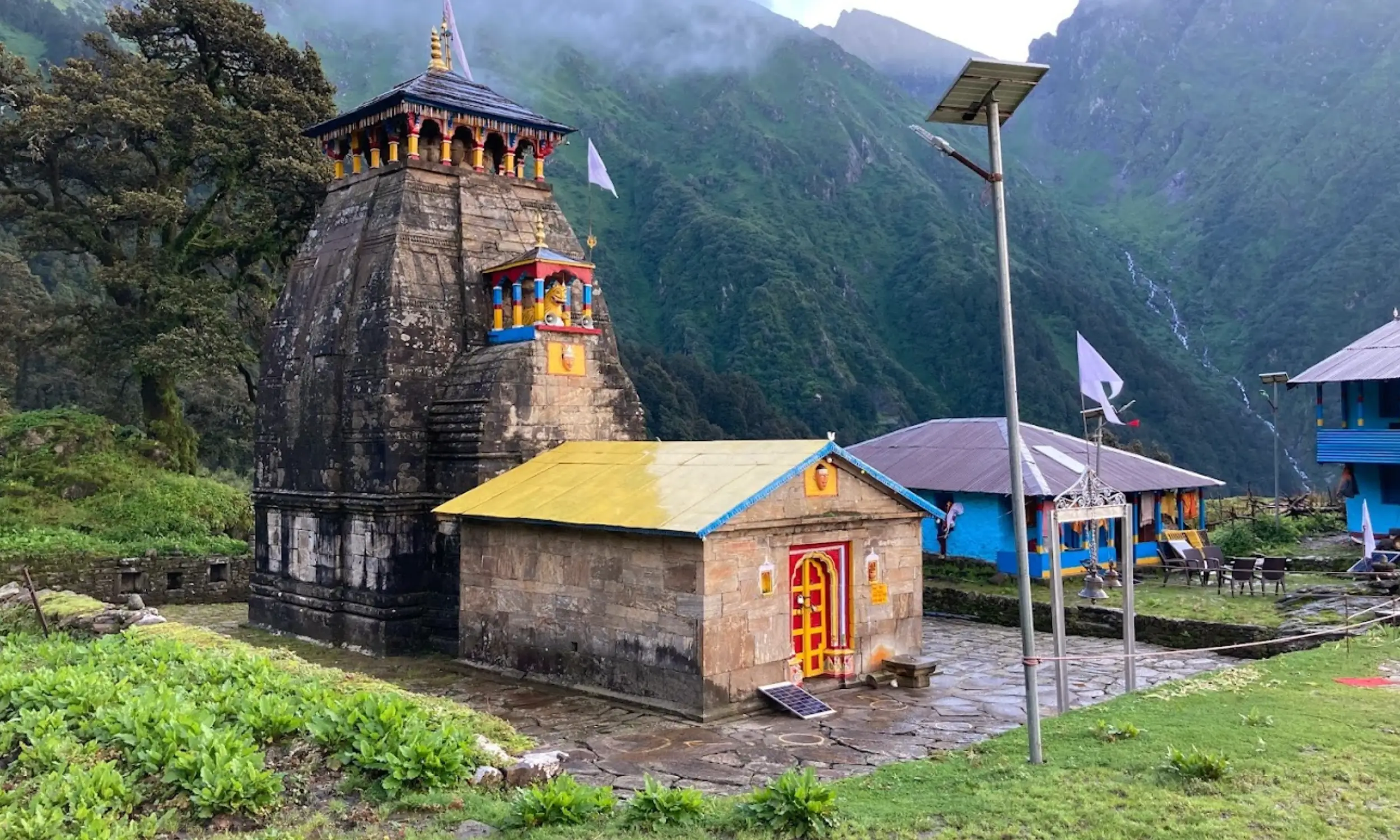
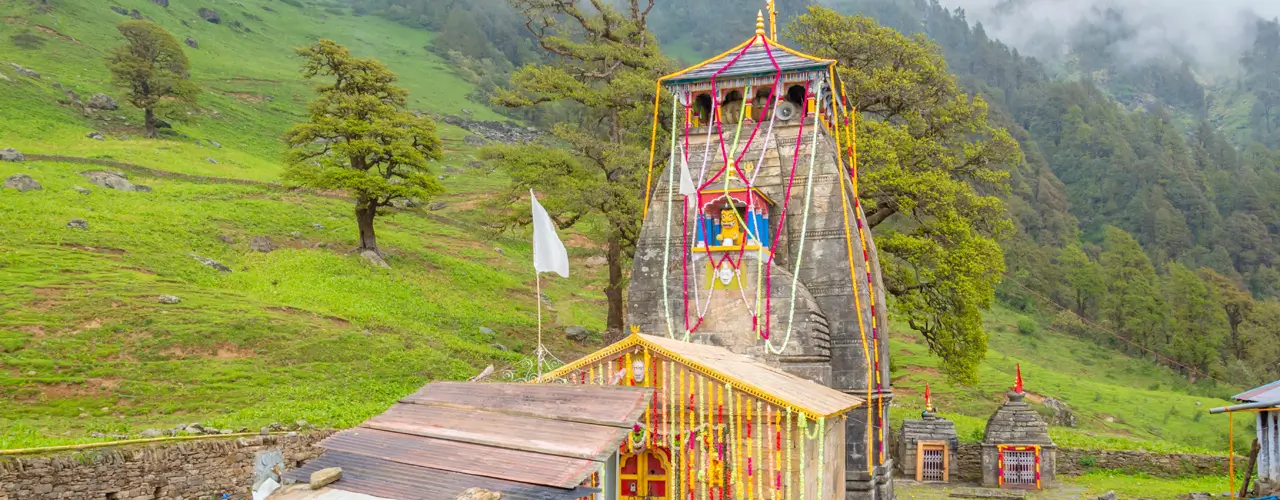
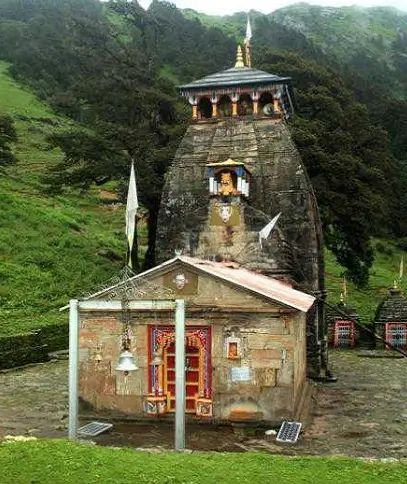
Madhyamaheshwar sits at 11,450 ft in the Rudraprayag district of Uttarakhand and enshrines the navel and stomach of Lord Shiva. It is set in one of the most spectacular high-altitude meadow settings of any temple in the Himalayas, with the twin peaks of Kedarnath and Chaukhamba dominating the skyline and the vast Madhyamaheshwar Bugyal spreading out like a green carpet around the temple complex.
The approach to Madhyamaheshwar from Ukhimath through Ransi is approximately 24 km, passing through forests of birch, oak, and rhododendron before opening into the extraordinary alpine meadows of the upper valley. The Buda Madhyamaheshwar temple, a smaller shrine located just above the main temple, offers some of the most dramatic mountain views available anywhere in Uttarakhand.
The combination of physical remoteness, natural beauty, and spiritual atmosphere makes Madhyamaheshwar one of the most cherished and least crowded destinations on the entire Panch Kedar Trek.
5. Kalpeshwar Temple: The Hair of ShivaKalpeshwar is the lowest of all five Panch Kedar temples, situated at 7,217 ft in the Urgam Valley of the Chamoli district of Uttarakhand, and is the only one of the five that remains accessible throughout the year. The temple is unique for being housed inside a natural cave, with the deity worshipped in the form of the matted hair (jata) of Lord Shiva.
The approach to Kalpeshwar from Helang on the Badrinath highway is approximately 14 km, passing through the lush and serene Urgam Valley, one of the most peaceful and least-visited valleys in the Garhwal Himalayas. The cave temple itself has a deeply intimate and ancient atmosphere, lit by oil lamps and fragrant with incense.
Because of its lower altitude and year-round accessibility, Kalpeshwar is often visited either at the beginning or the end of the Panch Kedar Yatra circuit, providing a gentler conclusion or opening to what is otherwise a demanding high-altitude pilgrimage.
Panch Kedar Yatra Opening DatesThe Panch Kedar Yatra opening dates follow the traditional Hindu calendar and are announced each year on the occasion of Mahashivratri. All five temples open in the spring and close in the winter when the high-altitude locations become buried under heavy snowfall.
The general opening and closing pattern are as follows:
The exact Panch Kedar Yatra opening dates vary each year according to the Hindu Panchang calendar. It is recommended to check the confirmed dates before planning your yatra, as weather conditions in the Garhwal Himalayas can also affect opening timelines.
Panch Kedar Opening Dates in 2026| Season | Conditions |
|---|---|
| May - June | Ideal trekking weather and blooming rhododendrons |
| July - August | Monsoon season, landslide risk |
| September -October | Clearest Himalayan views |
| November -April | Temples closed except Kalpeshwar |
The Winter Abodes: Panch Kedar Off-Season Guide
When the high-altitude temples close due to heavy snow (typically from November to April), the symbolic deities are moved to lower-altitude villages. These locations are accessible year-round and offer a peaceful, cultural alternative to the strenuous summer treks.
| Temple | Winter Abode (Location) | Accessibility & Experience |
|---|---|---|
| Kedarnath | Omkareshwar Temple, Ukhimath | Easy (Road Access). A beautiful multi-tiered stone temple; serves as the winter seat for both Kedarnath and Madhyamaheshwar. |
| Madhyamaheshwar | Omkareshwar Temple, Ukhimath | Easy (Road Access). The idols are brought here in a grand procession; offers stunning views of the Kedarnath peaks. |
| Tungnath | Makkumath Village | Moderate (Short Walk). A scenic, quiet village surrounded by dense forests. The deity stays here in a smaller, traditional shrine. |
| Rudranath | Gopinath Temple, Gopeshwar | Easy (Town Center). Located in the heart of Gopeshwar town; an ancient, massive stone temple known for its 5-meter tall trident (Trishul). |
| Kalpeshwar | Urgam Valley (Main Shrine) | Year-Round Access. The only Kedar that does not close. It is accessible via a short, scenic walk through the Urgam Valley even in winter. |




 Trekking Tour
 Peak Climbing
 Jeep Safari
 Mountain Biking
 +91-9212553109
 Plan Your trip