
7 Nights / 8 Days
Price : On Request
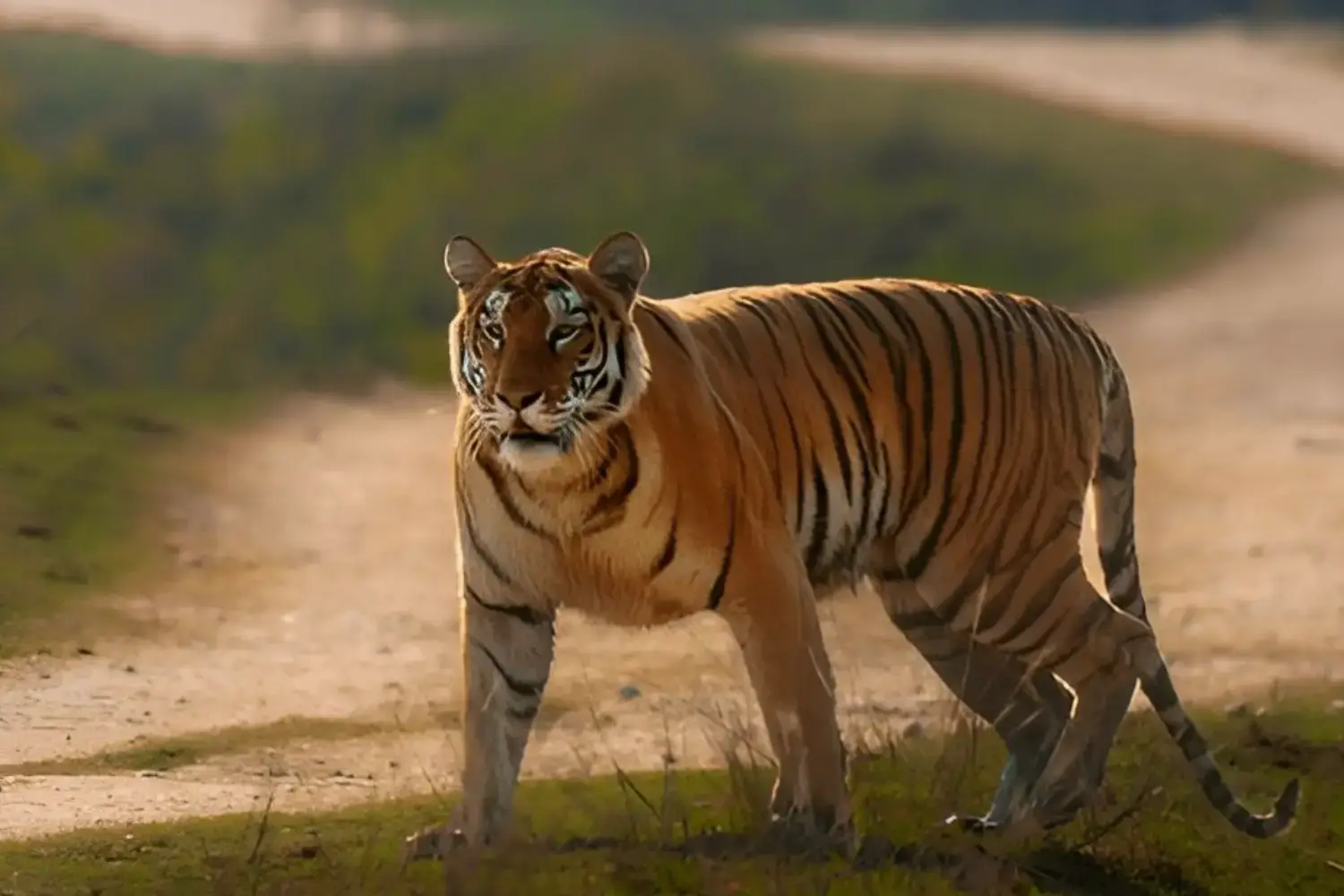
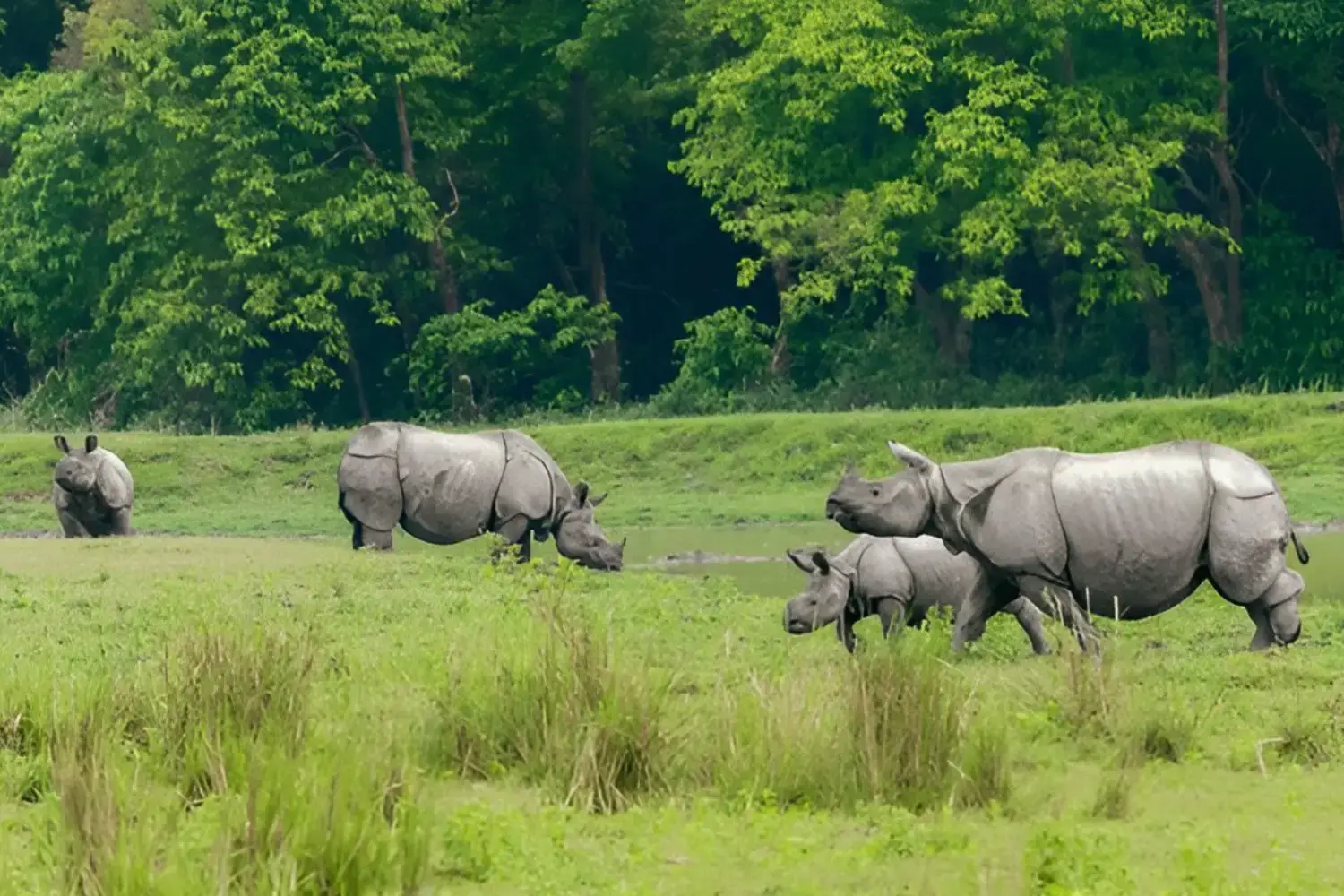
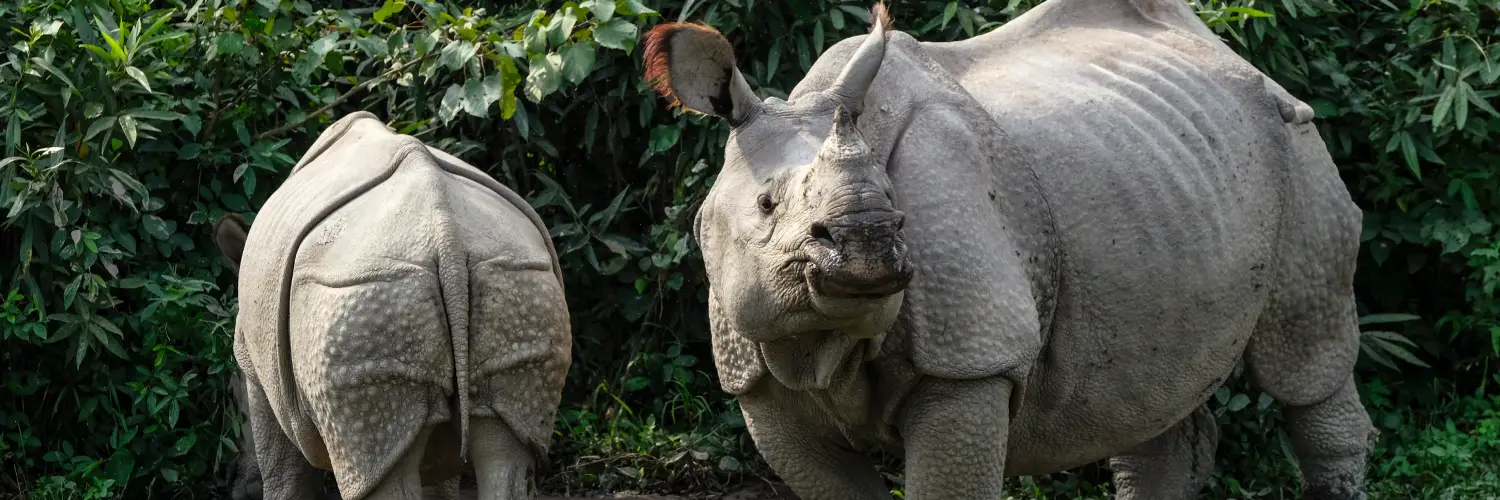
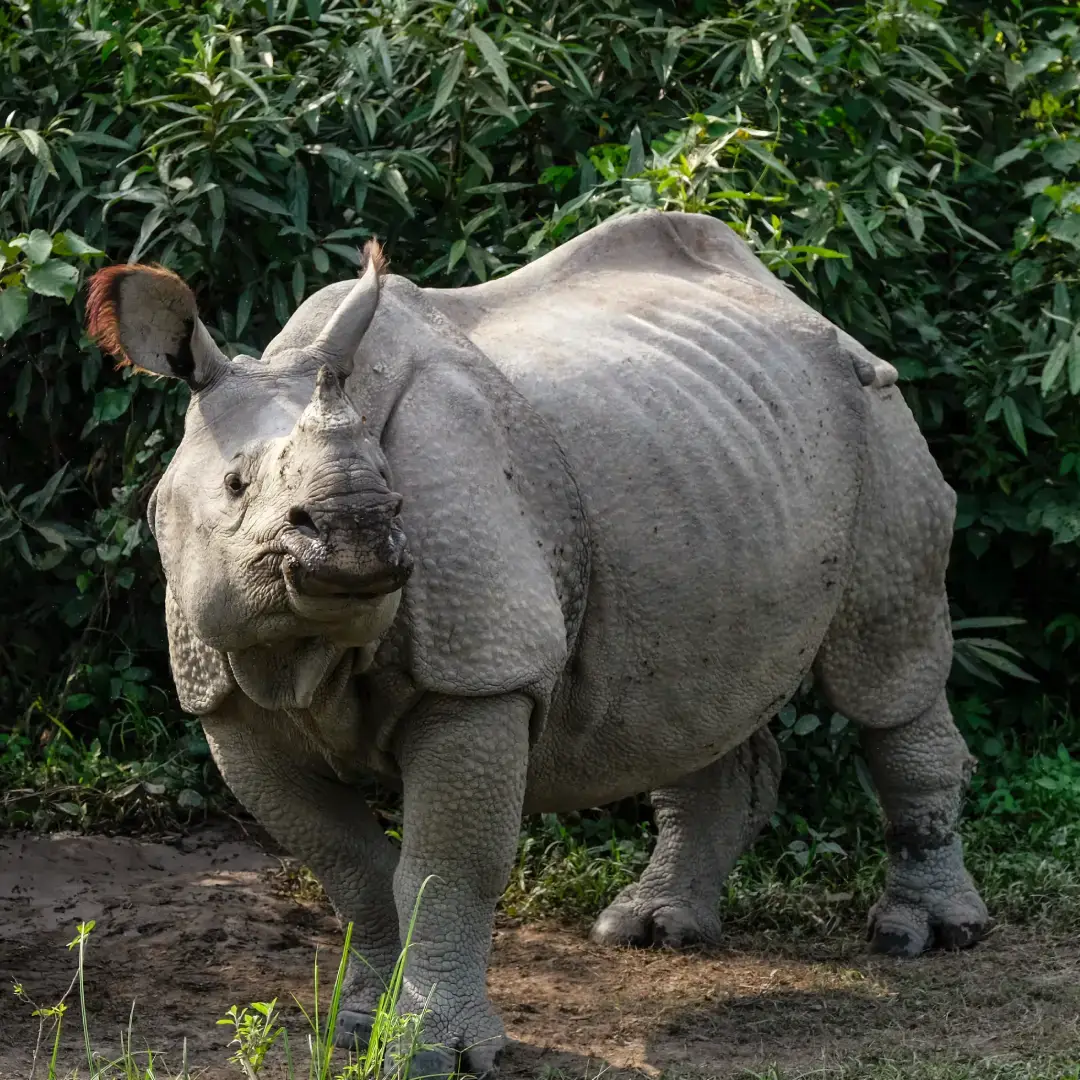
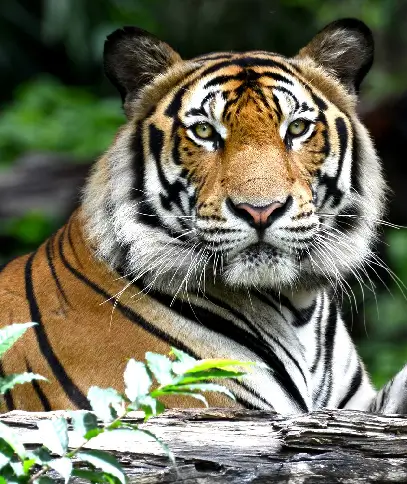
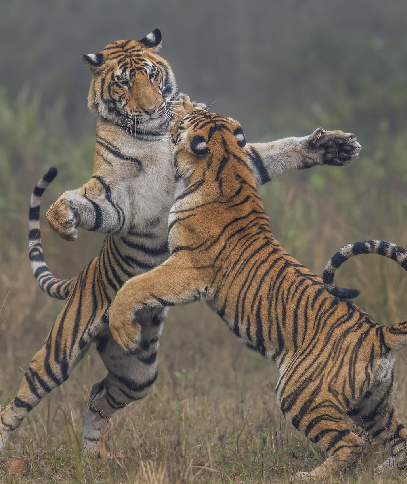
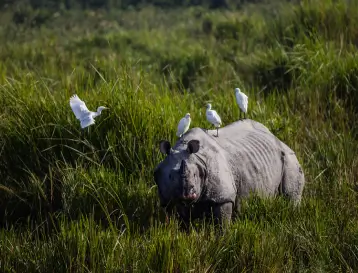
When it is wildlife in Assam someone is talking about, the cue is primarily on Kaziranga National Park having proud association with Great One Horn Rhinoceros. Unlike other national parks in India that generally attract wildlife lovers through orange and black striped felines, Kaziranga comes into picture whenever mighty rhino is discussed in numbers though the boasting the highest density of tigers as well. If one wants to see two wonders of nature at a single place, it could only be this park.
The lands of Golaghat and Nagao districts were made in to this national park in 1974, renouncing its past that was associated with hunting. Due to being the home of the world's highest population of the Rhino species, the park was declared a World Heritage Site in 1985 to facilitate the eco-balance needed for the thriving of the species.
Monsoons render the park inaccessible due to the flooding of the River Brahmaputra. Due to this, the park remains closed for the whole seasons from mid April to mid October. For rest of the months, visitors throng to get glimpse of this cradle of Nature, formed by semi-evergreen forests, Karbi
To learn about this wildlife reserve in details visit website- Kaziranga National Park
Kaziranga National Park in Assam is a UNESCO World Heritage Site celebrated worldwide for housing the largest population of the great Indian one-horned rhinoceros. Sprawling across more than 1,000 sq km along the fertile floodplains of the Brahmaputra River, Kaziranga is a breathtaking mosaic of tall elephant grasslands, wetlands, and semi-evergreen forests.
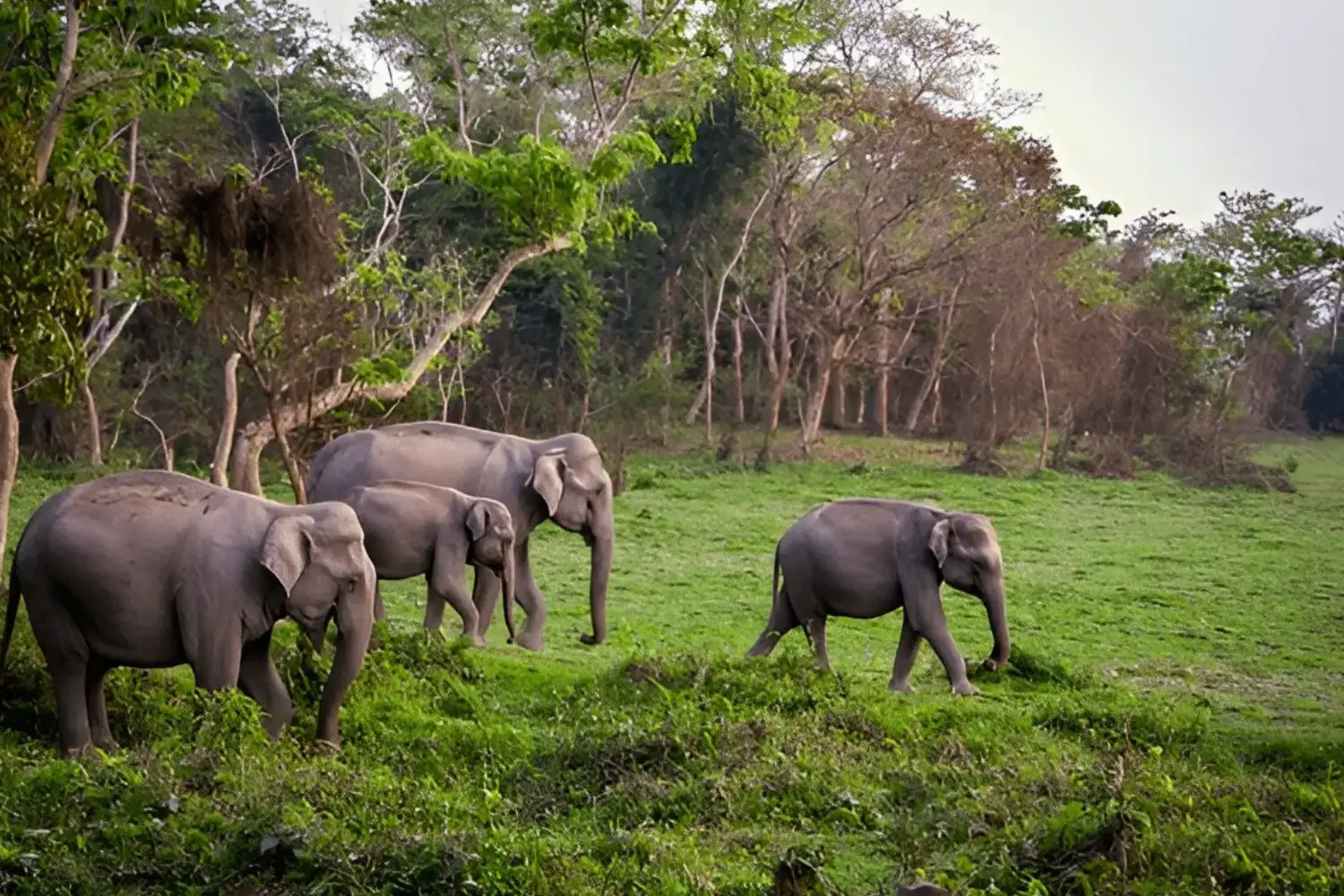
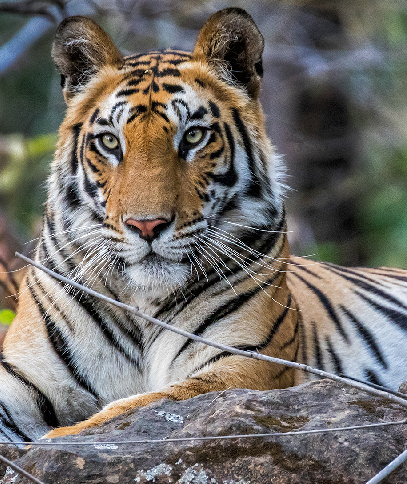
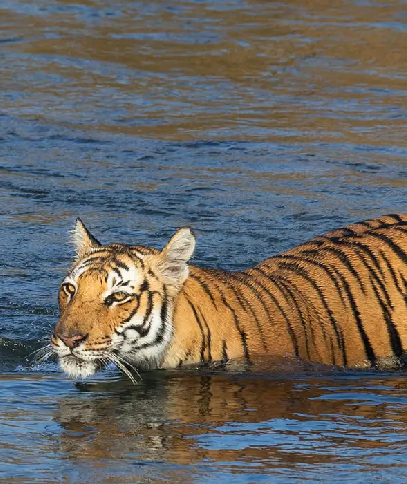
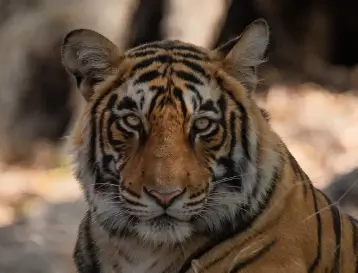
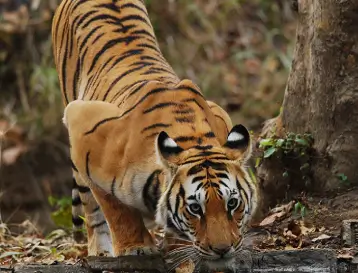
Declared a Tiger Reserve in 2006, it supports one of India’s highest tiger densities, along with wild elephants, swamp deer, wild buffaloes, and an extraordinary variety of more than 400 bird species. Its thriving biodiversity, well-managed conservation programs, and unique landscape shaped by seasonal flooding make Kaziranga one of India’s most iconic wildlife reserves and a shining example of successful ecotourism.
Kaziranga’s flora is deeply influenced by the dynamic flooding cycles of the Brahmaputra, creating a unique ecosystem of tall elephant grasses, riverine forests, reeds, marshland vegetation, and tropical trees. These diverse habitats support grazing herbivores, shelter predators, and sustain rich wetland life, while seasonal blooms and lilies transform Kaziranga into one of India’s most picturesque wildlife landscapes.
| Category | Details / Species |
|---|---|
| Dominant Vegetation | Tall elephant grasslands, riverine grasslands |
| Forest Types | Semi-evergreen forests, tropical moist deciduous forests |
| Major Trees | Indian Gooseberry (Amla), Simul (Cotton Tree), Elephant Apple |
| Wetland Flora | Reeds, aquatic plants, water lilies |
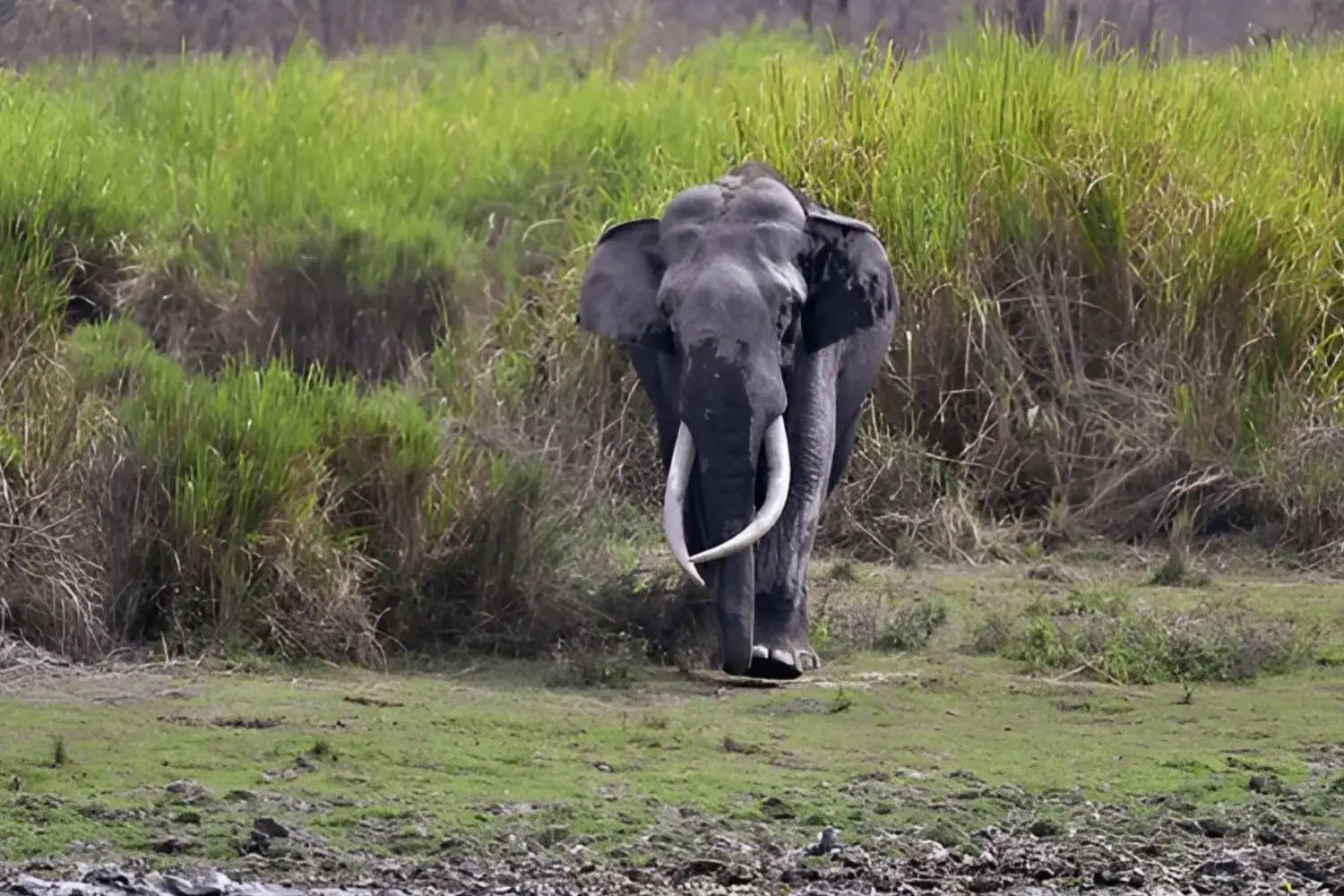
Kaziranga’s wildlife represents one of the richest faunal communities in Asia, led by its famed one-horned rhinoceros and supported by tigers, elephants, swamp deer, wild buffaloes, and numerous smaller mammals. The park’s wetlands attract migratory birds in huge numbers, while its forests and grasslands provide a dynamic environment where herbivores, predators, and avifauna thrive year-round.
| Category | Species Found |
|---|---|
| Flagship Species | One-horned Rhinoceros |
| Other Large Mammals | Bengal Tiger, Asian Elephant, Wild Water Buffalo |
| Deer Species | Swamp Deer (Barasingha), Hog Deer |
| Small Mammals | Otters, Civets, Capped Langurs |
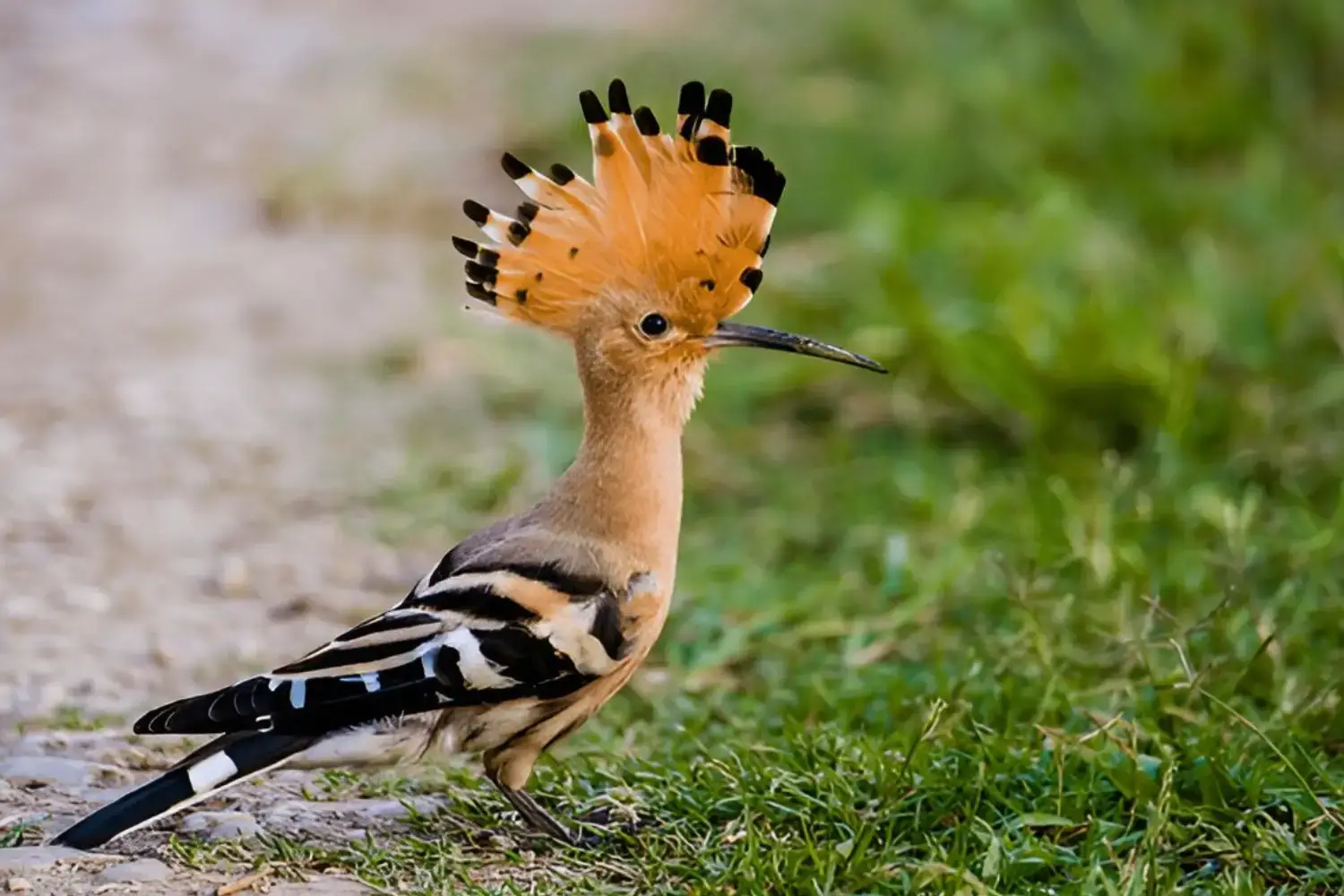
| Birds (400+ species) | Bengal Florican, Hornbills, Black-necked Storks, Pelicans, Migratory Waterfowl |
| Reptiles | Monitor Lizards, Pythons, Turtles |
Kaziranga offers a variety of safari experiences, each suited to different interests, landscapes, and wildlife interactions.
Jeep Safari
The most flexible and popular way to explore Kaziranga.
Timings:
Primary Jeep Safari Zones:
| Range | Best For |
|---|---|
| Central Range (Kohora) | Rhinos, elephants, swamp deer; balanced sightings |
| Western Range (Bagori) | Rhinos, wild buffaloes, tigers; best photography |
| Eastern Range (Agaratoli) | Migratory birds, riverine wildlife |
| Burapahar Range (Ghorakati) | Dense forests, nature walks, occasional leopards |
Elephant Safari
A signature Kaziranga safari experience offering unparalleled close-up views of rhinos, especially in the early morning mist.
Timings:
5:30 AM – 7:30 AM
Available at:
Note: Limited seats sell out quickly—advance booking is essential.
Boat Safari
A peaceful safari on the Brahmaputra River that allows sightings of Gangetic dolphins, otters, and riverine birds.
Timings:
8:00 AM – 3:00 PM (subject to water levels)
Operates near:
Birding Safari (Special Safari)
Conducted in the bird-rich Eastern Range and Bokakhat forest belt.
Timings:
6:00 AM – 9:00 AM
Ideal for spotting storks, pelicans, eagles, and migratory waterfowl.
Cycling & Eco Trails (Community-Based)
Offered around Karbi villages and the Burapahar fringe, these trails explore village landscapes, tea gardens, and forest edges, perfect for slow, immersive travel.
Night Safari
Not offered inside the core zones, but community-led safaris sometimes operate in designated buffer areas under supervision.
Kaziranga is divided into distinct safari ranges, each offering unique landscapes and wildlife density.
| Range/Zone | Landscape | Highlights |
|---|---|---|
| Kohora (Central Range) | Grasslands and wetlands | Best for rhinos; balanced wildlife |
| Bagori (Western Range) | Dense grasslands | Frequent rhino and buffalo sightings; tiger movement |
| Agaratoli (Eastern Range) | Wetlands and forests | Premier birding hub; riverine habitats |
| Burapahar (Ghorakati) | Hilly terrain and forests | Good for nature trails, elephants |
| Panbari | Forested patch | Offbeat area; bird-focused |
Best For:
Rhinos : Bagori & Kohora
Birdwatching : Agoratoli
Photography : Bagori
Elephants : Kohora & Burapahar
Kaziranga is best visited from November to April, when the grasslands dry up and wildlife congregates around open areas and wetlands.
The park remains closed from mid-May to October due to monsoon flooding.
Kaziranga offers a variety of stays across its surrounding ranges, mostly located in buffer villages to ensure minimal forest disturbance. Travelers can choose from luxury jungle lodges, boutique eco-resorts, mid-range hotels, forest cottages, and budget guesthouses.
Most accommodations in Kaziranga cluster around Kohora, Bagori, Agoratoli, and Burapahar for convenient safari access. These properties often include guided nature walks, Assamese cuisine, cultural evenings, and assistance with safari bookings. As peak season runs from November to March, securing accommodation early is recommended, especially near the entry gate of your preferred safari range.




 Trekking Tour
 Peak Climbing
 Jeep Safari
 Mountain Biking
 +91-9212553109
 Plan Your trip