

11 Nights / 12 Days
Price : On Request
Chardham Yatra packages 2026 are available in multiple formats, ranging from traditional road journeys to helicopter-assisted and senior-friendly pilgrimage options. Char Dham Yatra tour packages can be booked through authorized travel companies, government portals, and registered tour operators. Packages usually include accommodation, transport, meals, permits, and assistance with registration.
Advance booking is recommended, especially during peak months.
The Char Dham Yatra of Uttarakhand is one of the most revered pilgrimage circuits in India, drawing devotees from across the country and overseas every year. Set deep within the Garhwal Himalayas, this sacred journey connects four ancient temples: Yamunotri, Gangotri, Kedarnath, and Badrinath, each linked to powerful spiritual traditions, Himalayan geography, and centuries of devotion.
The Char Dham Yatra is traditionally undertaken in a fixed sequence, beginning in the western Garhwal region and gradually moving eastward. Pilgrims follow river valleys, mountain passes, and historic settlement routes that have been used for generations. Beyond religious importance, the journey reflects how faith, geography, and human endurance coexist in the high Himalayas. Together, the four shrines form the traditional 4 Dham Yatra of Uttarakhand, undertaken by pilgrims seeking spiritual merit and inner discipline.
Names of Char Dham Temples of Uttarakhand
These temples together define the core of the Chardham pilgrimage, with each dham representing a distinct spiritual path within Hindu belief.
Yamunotri Temple
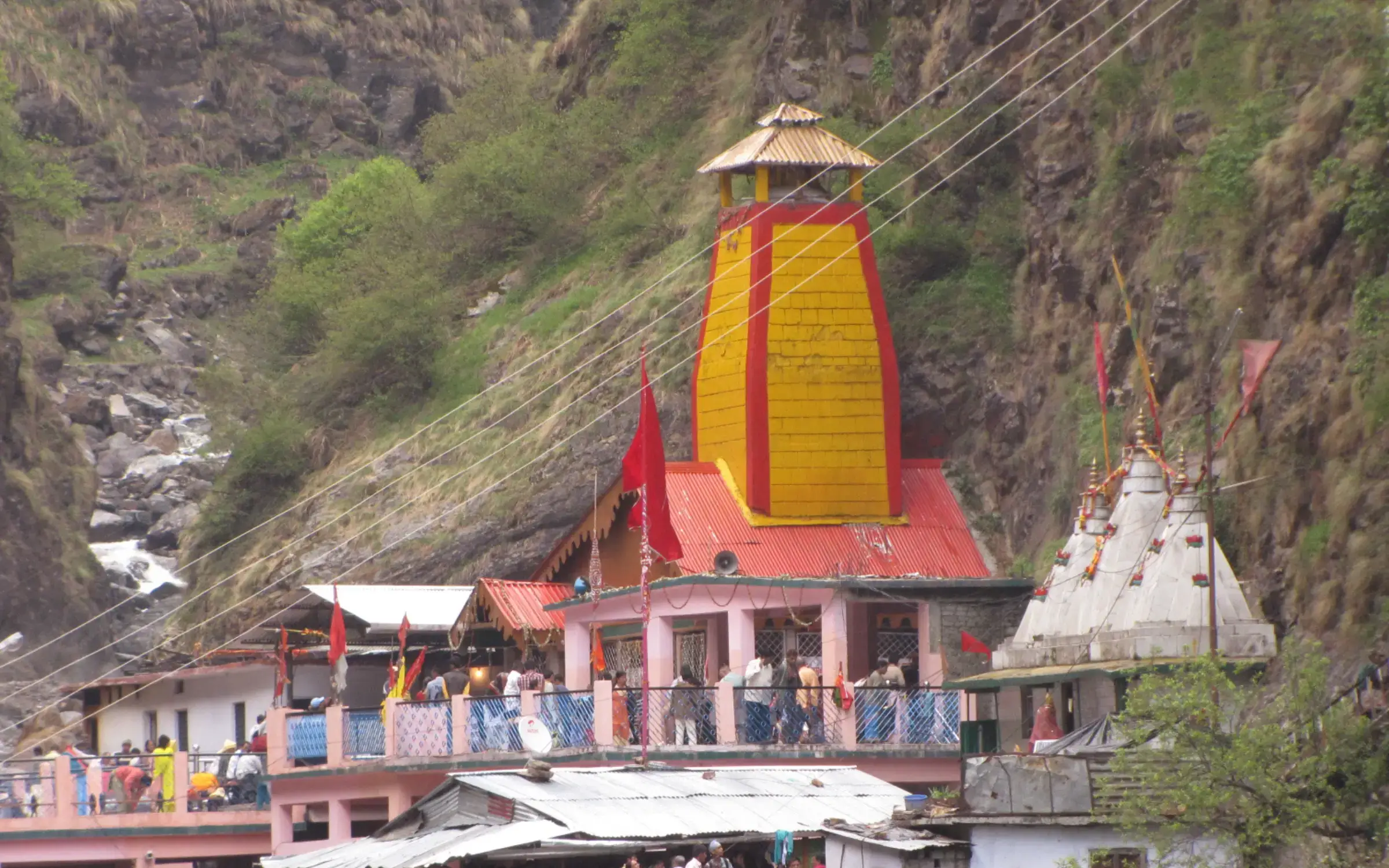
Yamunotri marks the starting point of the Char Dham Yatra and is dedicated to Goddess Yamuna. The temple lies near the source of the Yamuna River, surrounded by thermal springs and rugged mountain terrain. Pilgrims trek from Janki Chatti to reach the shrine, passing through forested trails and river crossings. Yamunotri is believed to purify devotees from untimely death, and ritual bathing at Surya Kund forms an essential part of the visit.
Gangotri Temple
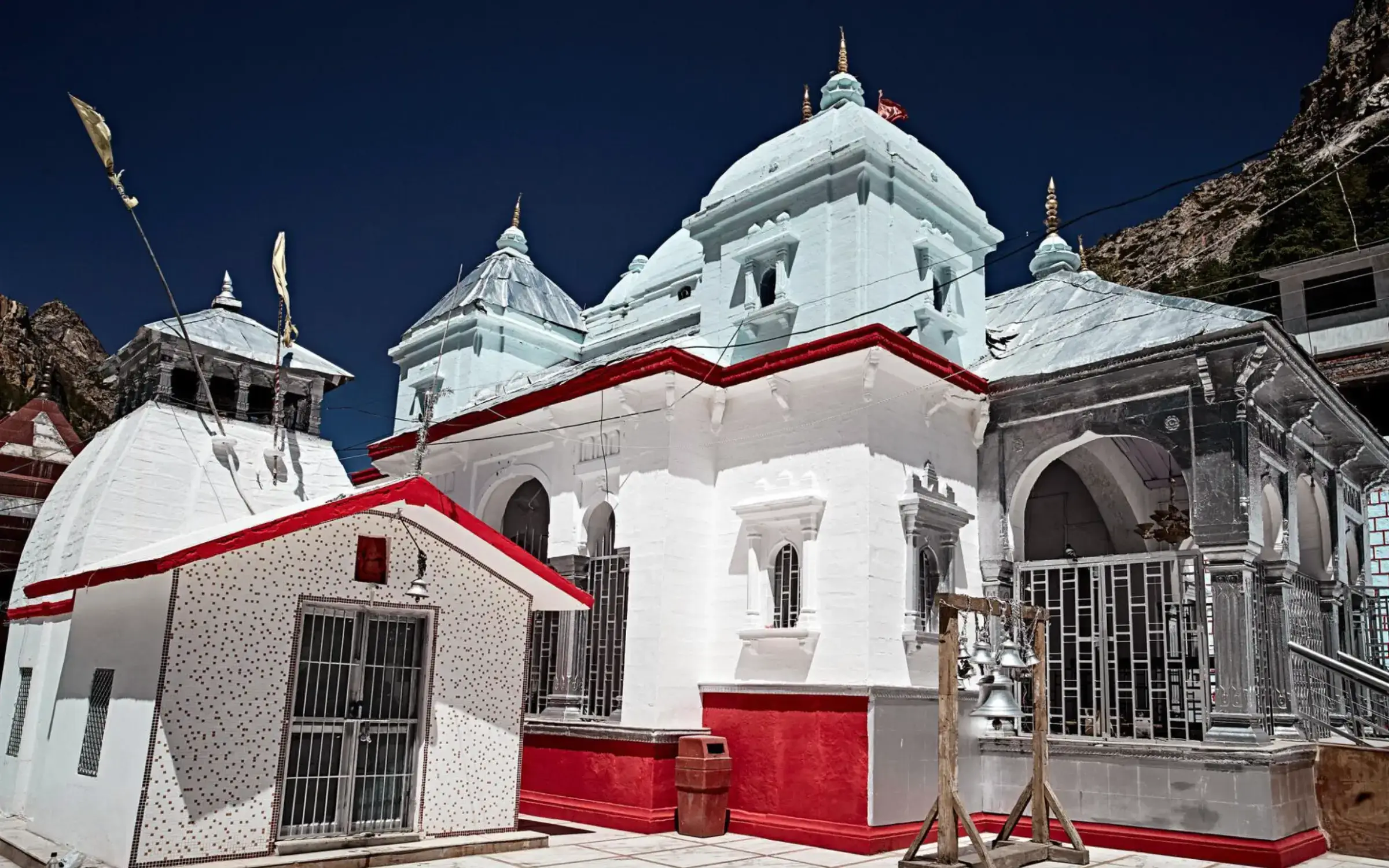
Gangotri Temple stands at the origin point of the River Ganga, where the Bhagirathi River descends from the Himalayas. Dedicated to Goddess Ganga, this temple holds immense significance in Hindu belief, as the river is worshipped as a living deity. Located in the upper reaches of Uttarkashi district, Gangotri is surrounded by snow-covered peaks and glacial valleys that shape the spiritual atmosphere of the region.
The Gangotri shrine is often visited alongside Yamunotri as part of the Gangotri Yamunotri Yatra, especially by devotees undertaking shorter pilgrimage routes.
Kedarnath Temple
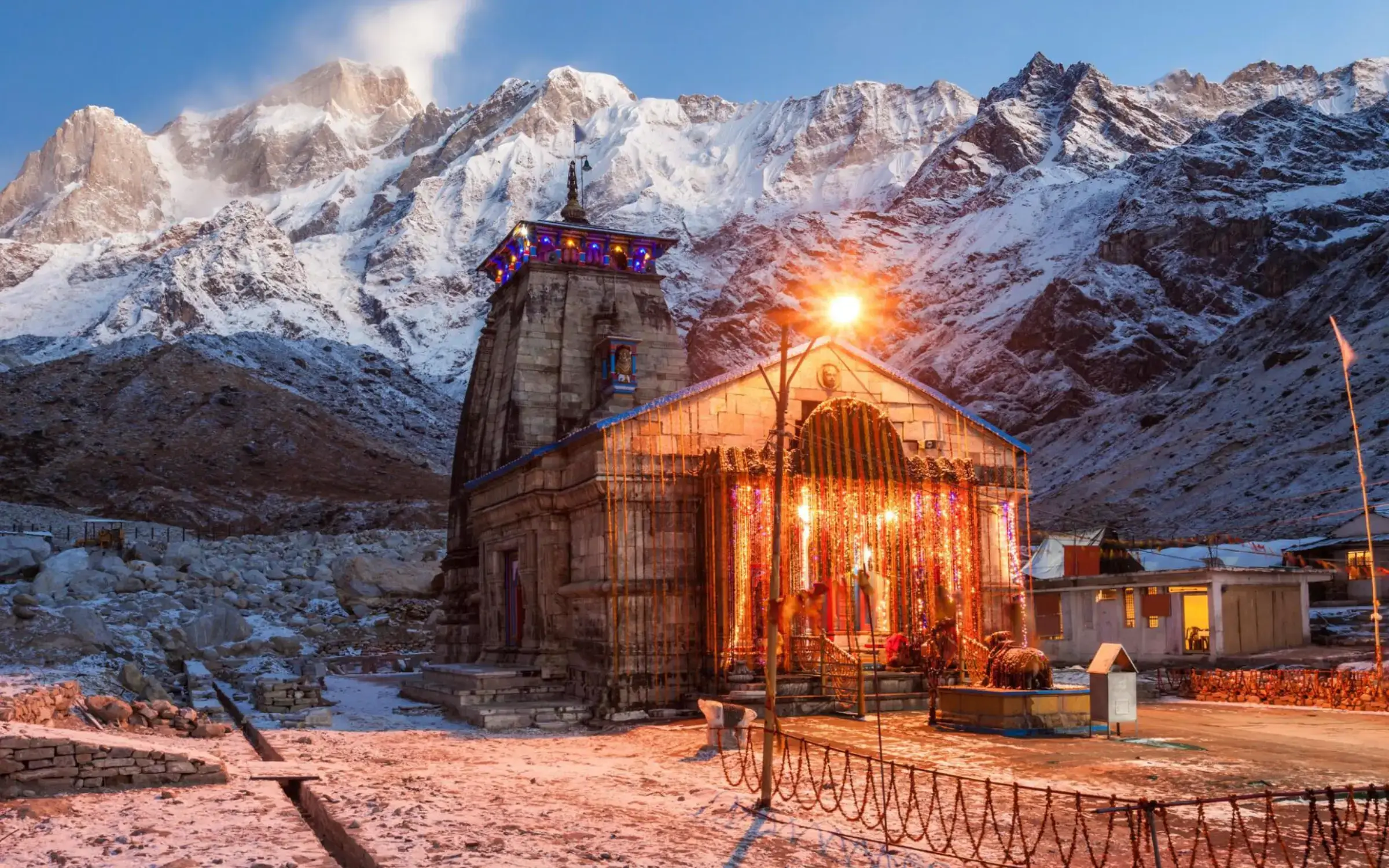
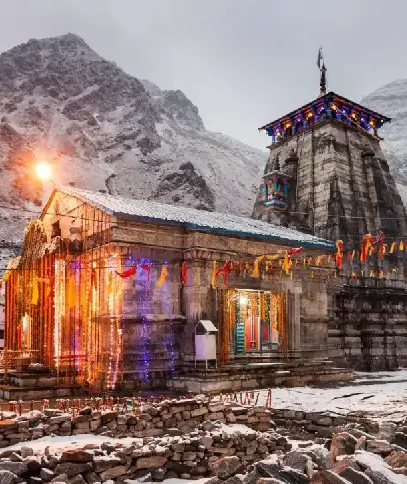
Kedarnath Temple is among the most important Shiva shrines in India and forms part of the twelve Jyotirlingas. Situated near the Mandakini River at high altitude, the temple is accessible through a trekking route from Gaurikund or by helicopter services. Kedarnath’s stone architecture, remote setting, and association with the Mahabharata era give it a deep historical and spiritual presence that defines the Char Dham experience.
Many pilgrims also undertake focused journeys such as the Badrinath Kedarnath Yatra, which centres on the two most prominent Vishnu and Shiva shrines of the circuit.
Badrinath Temple
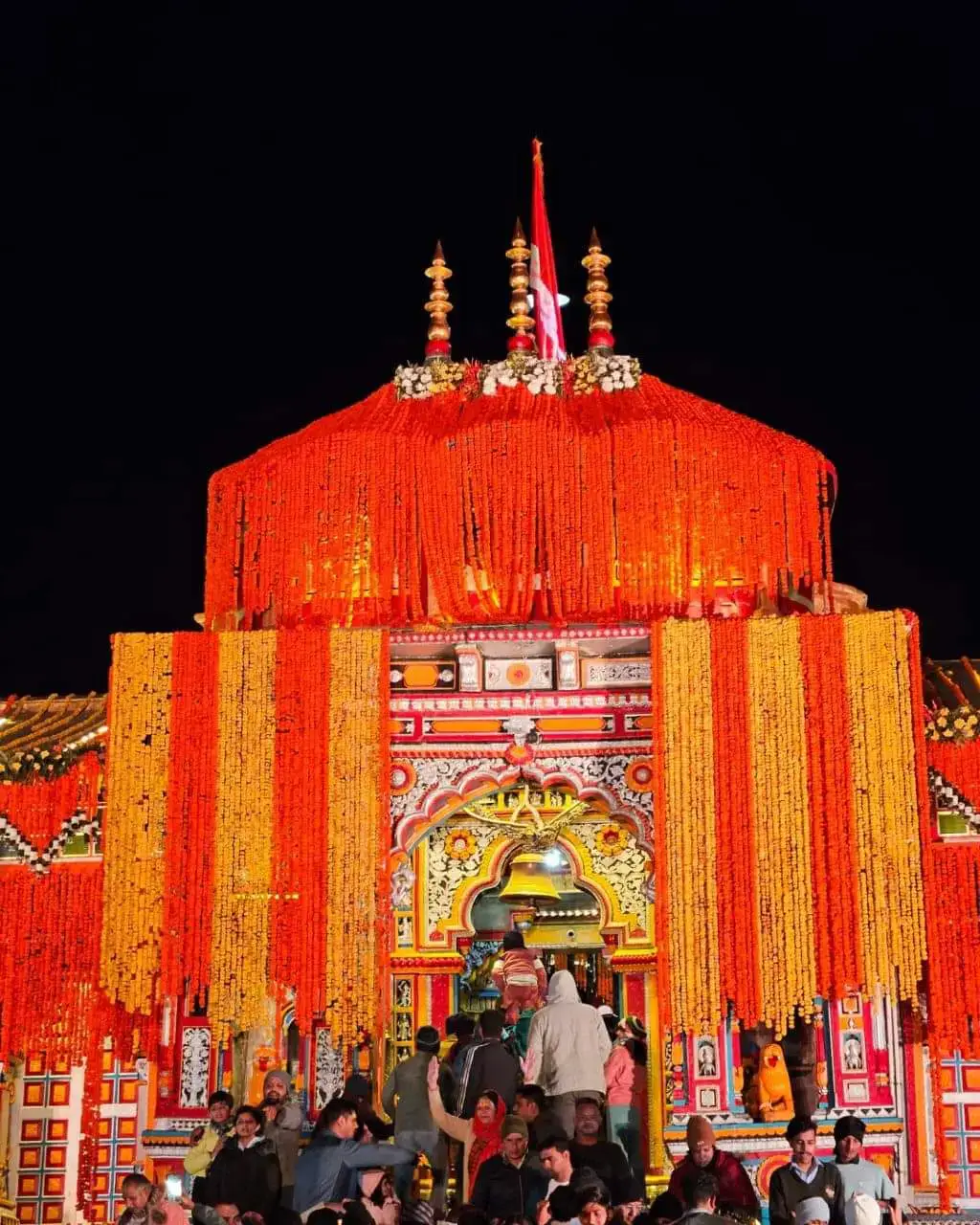
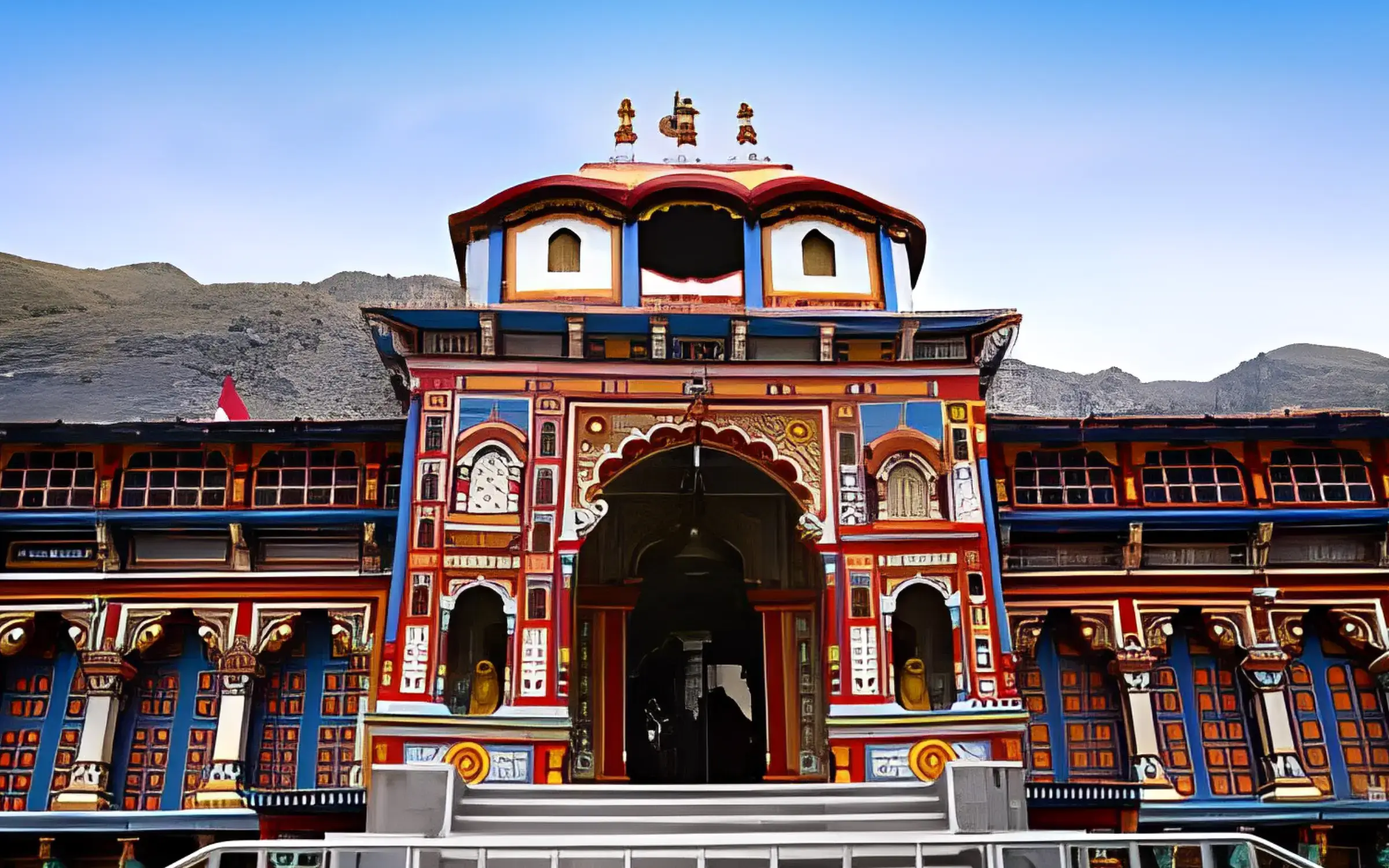
Badrinath Temple is dedicated to Lord Vishnu and lies along the banks of the Alaknanda River. It is the most accessible of the four dhams and serves as the concluding destination of the yatra. The temple complex is closely associated with Adi Shankaracharya, who played a major role in reviving pilgrimage traditions in the region. Natural hot springs like Tapt Kund form an integral part of rituals performed here.
The Char Dham Yatra is believed to cleanse the soul and assist devotees in their spiritual journey toward liberation. Each dham represents a distinct spiritual force, with Yamunotri and Gangotri symbolizing purity through water, and Kedarnath and Badrinath representing devotion through penance and surrender. Together, the circuit reflects balance between human effort and divine grace, making it one of the most meaningful pilgrimages in Hindu tradition.
The Char Dham Yatra is believed to cleanse the soul and assist devotees in their spiritual journey toward liberation. Each dham represents a distinct spiritual force, with Yamunotri and Gangotri symbolizing purity through water, and Kedarnath and Badrinath representing devotion through penance and surrender. Together, the circuit reflects balance between human effort and divine grace, making it one of the most meaningful pilgrimages in Hindu tradition.
The Char Dham temples open annually during late April or early May, following traditional Hindu calendar calculations. The closing typically occurs between October and early November, before heavy snowfall blocks access routes.
Approximate opening sequence:
Exact dates are announced every year by temple committees and Uttarakhand authorities.
The best time for the Char Dham Yatra tour is from May to June and September to October. Summer months offer stable weather and accessible routes, while post-monsoon travel provides clearer skies and reduced crowd density. July and August experience heavy rainfall, increasing the risk of landslides and travel delays.
The traditional route follows Yamunotri, Gangotri, Kedarnath, and Badrinath, moving from west to east across Uttarakhand.
May to June and September to October are considered the most suitable months for the yatra.
Yamunotri is dedicated to Goddess Yamuna, Gangotri to Goddess Ganga, Kedarnath to Lord Shiva, and Badrinath to Lord Vishnu.




 Trekking Tour
 Peak Climbing
 Jeep Safari
 Mountain Biking
 +91-9212553109
 Plan Your trip